






































Is Rucking Rocking Your Wellbeing?
Written by: Pippa Thackeray
Written on: 12 October 2025
Rucking blends strength, endurance and mindfulness into one, improving fitness and wellbeing through targeted weighted movement. But what makes it so effective, and how can you start?
Rucking is rocking the wellbeing scene
Rucking is the outdoor workout that builds stamina, strength and mental focus. This low impact weighted backpack exercise is gaining attention for its ability to transform cardiovascular fitness and mental wellbeing without the strain of high intensity training.
What is rucking?
At its core, rucking is walking while carrying a loaded backpack.
The concept comes from the military, where carrying heavy packs over long distances was standard training.
Civilian rucking follows the same principle but swaps combat boots for supportive trainers worn in city streets or on country trails.
You set your distance, time and weight, then simply walk.
Why it matters for your wellbeing
Modern life keeps us seated for long hours, tense and often overstimulated. Rucking provides a counterbalance. It combines the meditative rhythm of walking or a steady jog with the challenge of added resistance.
Because it is relatively low impact, rucking is easier on the joints than running.
Is rucking good for your spine?
Rucking can be incredibly supportive for spinal health when it is done correctly. Walking with a weighted pack strengthens your back and core, improves bone density and builds endurance through natural, controlled movement.
Consider the health of your spine
The spine is more than a stack of bones. It is a flexible column supported by ligaments, muscles and discs that all work together to absorb and distribute force.
When these muscles are strengthened by carrying weight in a controlled way, they help stabilise and protect the spine, improving posture and coordination over time.
What about bad posture?
Research on posture and spinal health suggests that carrying more than around 10%-15% of your body weight can increase the risk of disc compression and back discomfort.
Therefore, overloading the pack too soon or wearing it incorrectly can shift weight unevenly, leading to tension in the neck, shoulders and lower back.
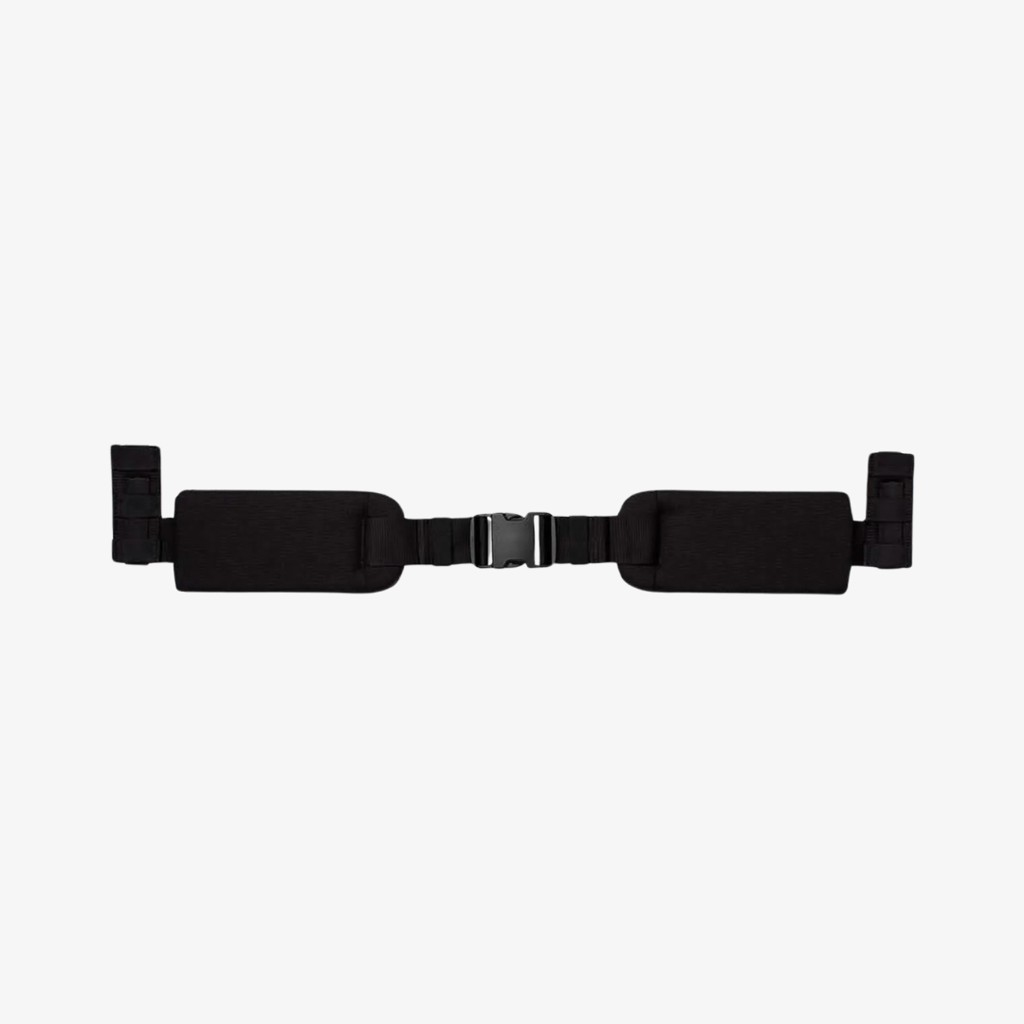
Should I use a hip belt whilst rucking?
Correct form and the right gear matter.
A backpack paired with a hip belt can redistribute the load away from the shoulders and towards the hips, easing strain on the spine.
Keep the weight positioned high and close to the upper back. Letting it hang low throws off your centre of gravity and forces you to lean over.
Moreover, you should avoid rounding the shoulders or hunching your back. This compresses the discs and places unnecessary pressure on the neck. Keep your chest open, your core tight and your steps short and steady.
Leaving time to rest
Recovery is also essential. Just as muscles need rest, the spine benefits from time to recover.
@LadySpineDoc on TikTok shares some helpful advice for looking after your spine whilst rucking:
Start with around 10% of your body weight
Choose a backpack with a hip belt to take pressure off the shoulders
Keep your chest lifted and core engaged
Take shorter, controlled steps rather than long strides
Increase weight gradually over weeks instead of days
Physical rewards that build over time
Rucking works gradually. The combination of walking and resistance brings a collection of benefits that accumulate with consistency.
Cardiovascular fitness: The added weight pushes your heart to work harder than it would during an ordinary walk, improving aerobic capacity and endurance.
Muscle strength: Your legs, back, shoulders and core stabilise the load, creating a full body workout that strengthens without needing machines.
Calorie burn: Rucking increases energy use compared to regular walking, supporting weight management goals.
Improved posture: The load encourages you to stand taller and engage your core properly, which can help reduce back discomfort and improve overall balance.
Bone health: Regular rucking adds a healthy level of impact and load that stimulates stronger bones.
The mental load
The mental clarity that comes from rucking is one of its biggest appeals.
Moving at a steady pace outdoors encourages a sense of rhythm that quiets busy thoughts. It offers the same emotional lift as hiking but with an added feeling of progress thanks to the measurable load and distance.
How to start your first ruck
The best way to begin is to keep it light and consistent. It is tempting to load the pack heavily from day one, but let your body adapt first.
Start with minimal weight. Use a light pack of around 5 kilograms for your first few sessions. Books, bottled water or small weight plates work well.
Walk a short distance. Aim for 20 to 30 minutes at a moderate pace. Notice your posture and how your back and shoulders feel.
Increase slowly. Add small increments of weight or distance each week. Progression should feel steady, not forced.
Stretch afterwards. Gentle stretching supports recovery and flexibility.
Stay consistent. The benefits of rucking appear through repetition, not intensity.
Choosing the right gear
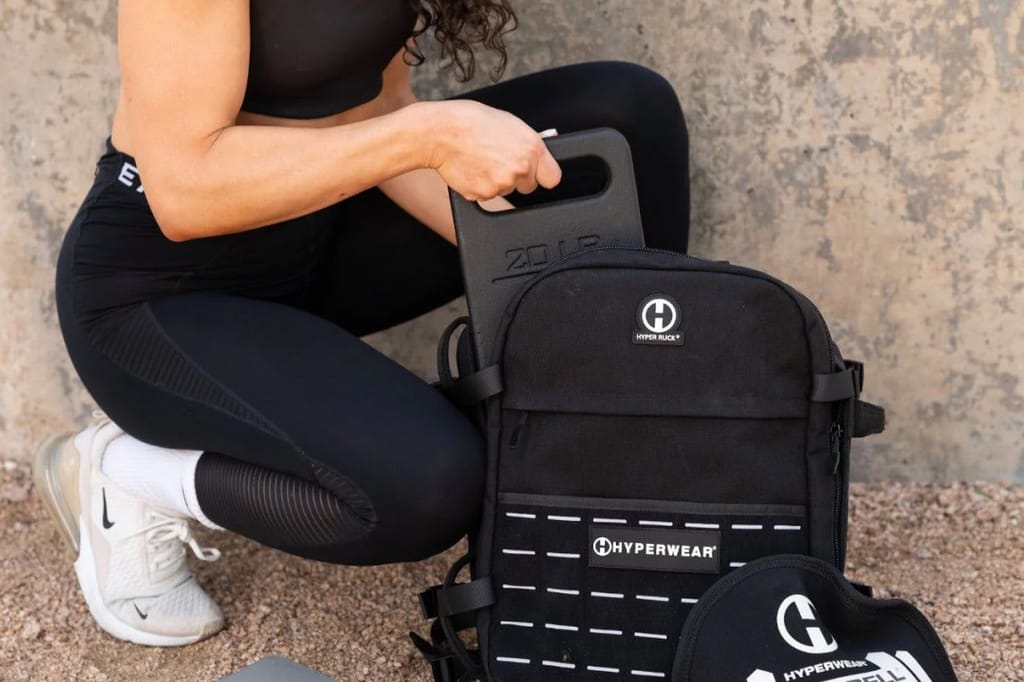
While you can start with a normal backpack, investing in purpose-made rucking equipment can improve comfort and form.
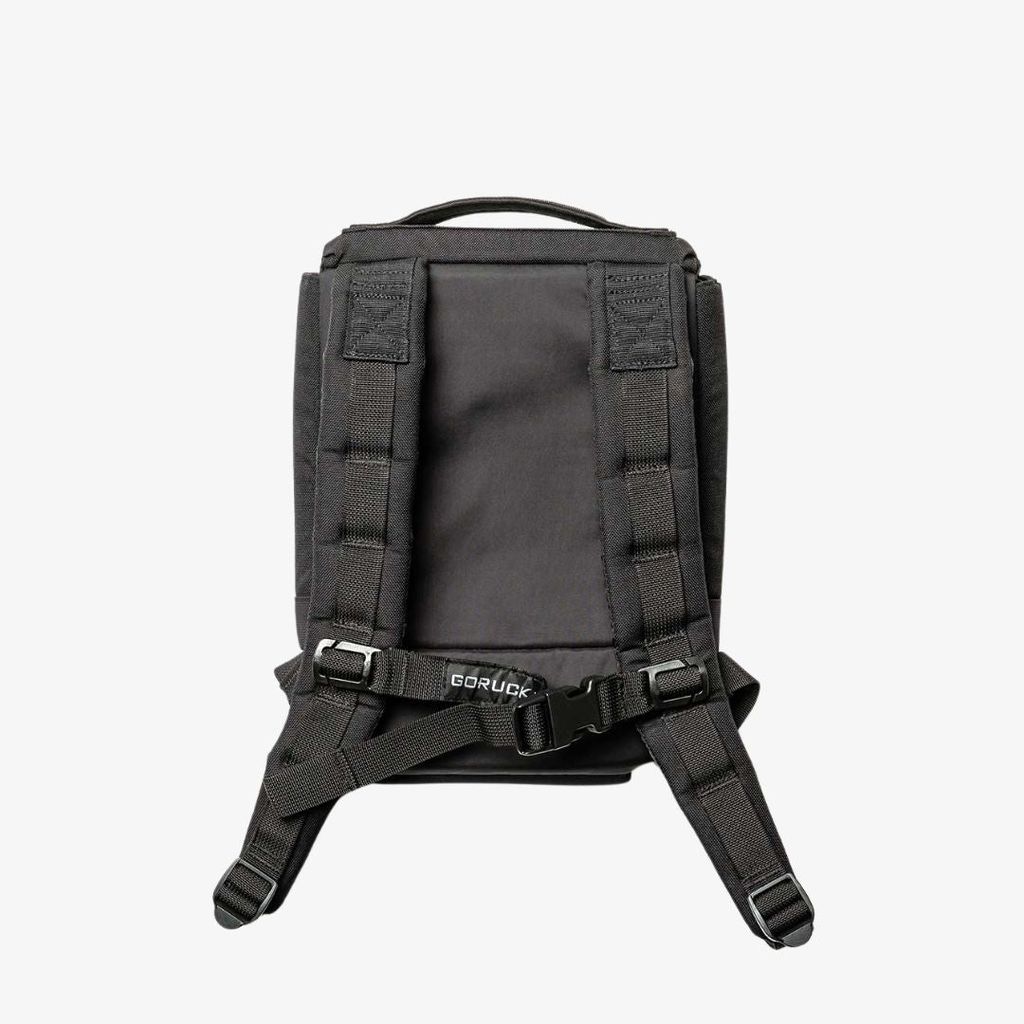
A well fitted rucksack helps distribute weight evenly, protecting your shoulders and spine.
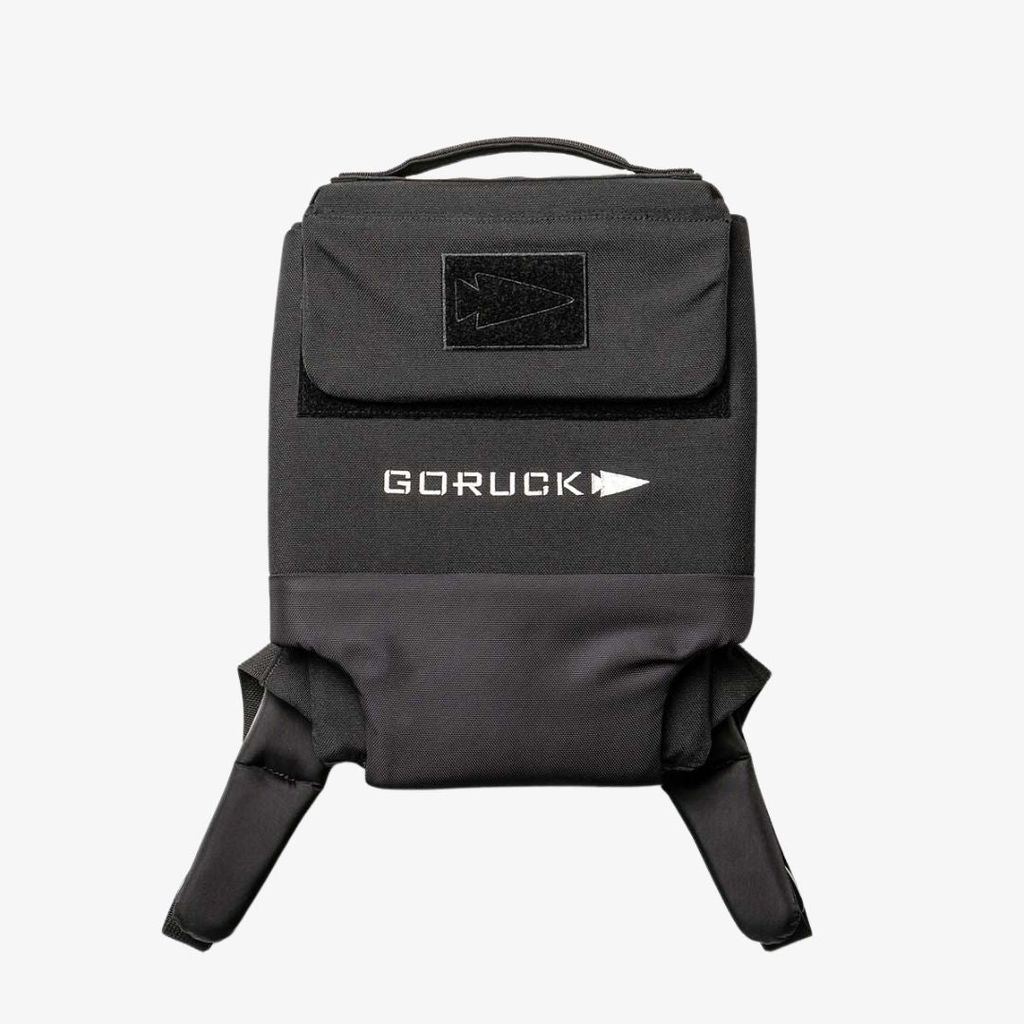
Founded in 2008 by Special Forces operative Jason McCarthy and CIA officer Emily McCarthy, GORUCK was born out of a quest to create a rugged rucksack capable of thriving in extreme conditions.
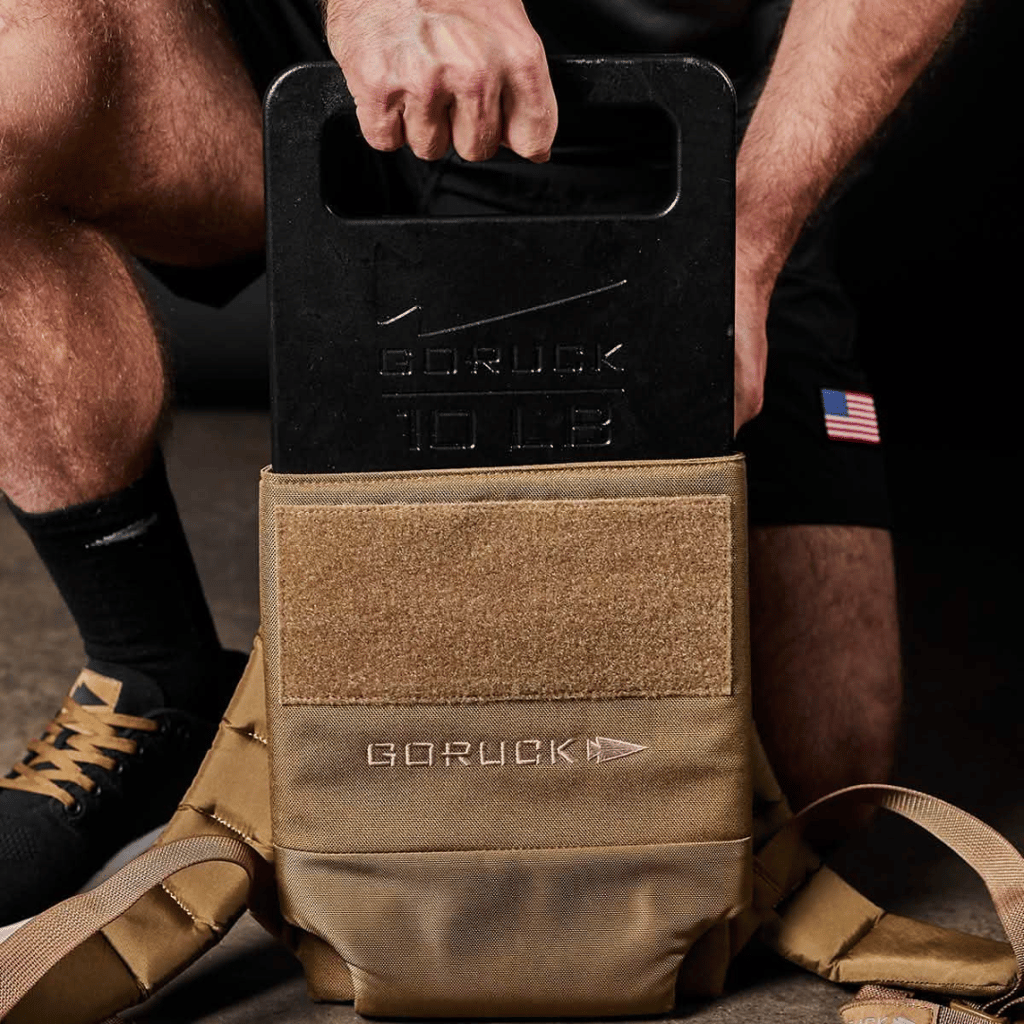
The GORUCK Rucker 4.0 is designed just for this purpose, with padded straps and internal compartments that keep weights stable during movement. For those who prefer a closer fit, the GORUCK Ruck Plate Carrier 3.0 offers a streamlined design that hugs the torso and minimises bounce.
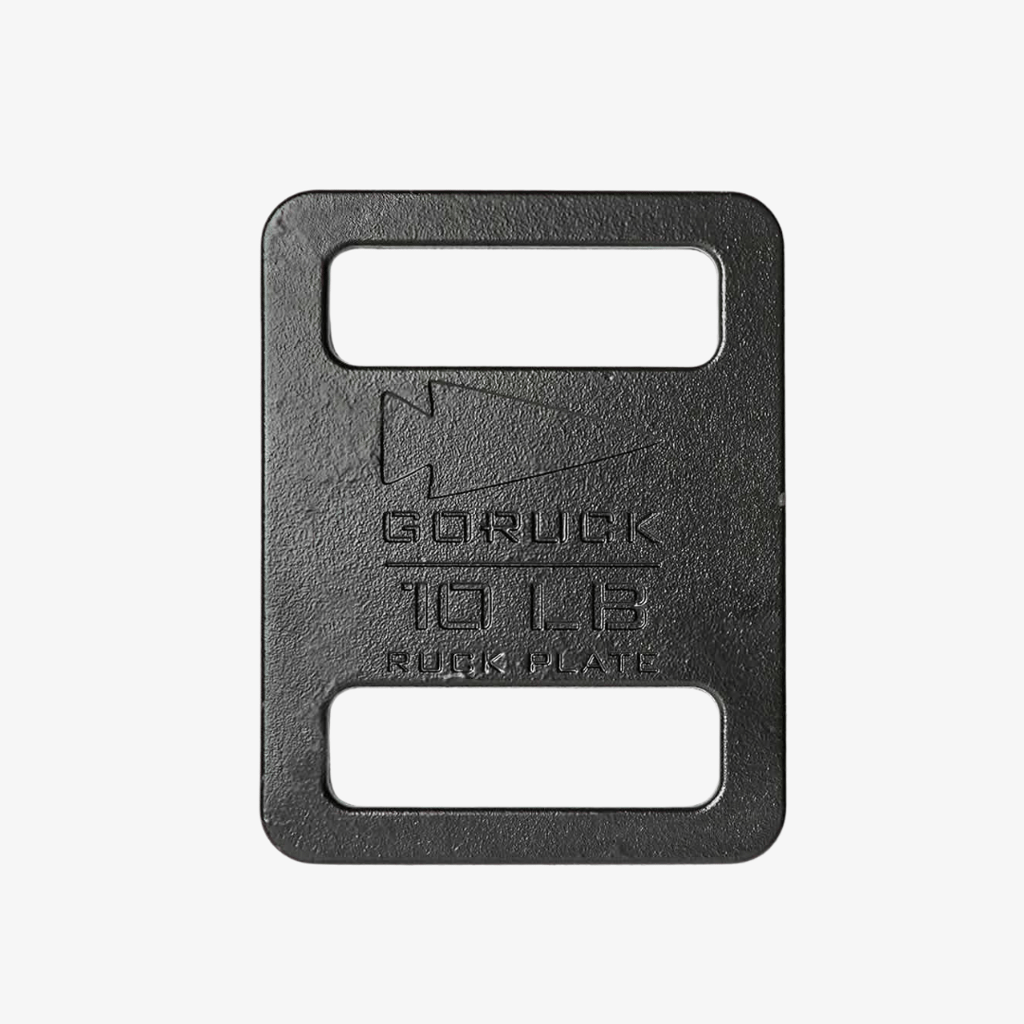
To adjust the challenge, ruck plates come in different weights, such as the GORUCK Ruck Plates. They slide securely into the bag’s internal sleeve to maintain balance.
Don’t forget comfortable walking shoes, breathable clothing and a water bottle to complete the setup.
How to fit rucking into your weekly schedule
Rucking can complement almost any routine. It works as a standalone form of cardio or as active recovery between strength sessions. Try using it as a replacement for short car journeys, for example.
The goal is steady progression. If you track activity, aim to monitor distance, weight and duration rather than speed.
Many enthusiasts find that a few weekly sessions bring visible improvements in fitness and mood. Over time, the rhythm of rucking becomes a part of everyday life.
What do the studies say about load carriage training?
Load carriage training means walking or moving with added weight to build strength and endurance, which mirrors the physical demands of rucking.
Can rucking train the body to be more resilient to injury?
Scientific research has started to explain why training that involves carrying weight can be so effective for strength, stability and injury prevention. A 2019 study published in The Journal of Biomechanics examined how the body adapts to load carriage training over 10 weeks.
Participants walked with a weighted pack while completing a structured conditioning programme. Researchers observed that movement patterns had become more efficient during the study. The ankle joints began to contribute more to power generation, while the knees experienced less strain during walking.
This was a significant finding because it shows that the body can learn to handle weight more intelligently when training is gradual and well designed.
Can rucking support your future musculoskeletal wellbeing?
The study also highlighted the importance of building strength in the muscles that support the hips, knees and ankles. These areas carry the majority of the load when walking with a pack, and conditioning them reduces the chance of overuse injuries.
Put simply, the same research found that progressive load carriage training teaches the body how to distribute effort evenly. It benefits balance, improves posture and helps protect the joints that are most vulnerable during long walks or rucking sessions.
Science and the outdoors
Exposure to green spaces has been repeatedly linked to lower stress levels and improved cognitive function. Combining the two creates a synergy that supports both body and mind.
Even small amounts of outdoor activity have been found to reduce cortisol levels and improve attention span
Rucking and accessibility
The adaptable nature of the workout means you control every variable. Such as distance, time, terrain and weight, as they can all be adjusted.
It can also be done socially, turning an ordinary walk with friends into a shared event.
The joy of small wins
The early sessions may seem slow, but within a few weeks you will notice the load feels lighter and your pace quicker. There is also something to say about the simplicity of it. You walk, jog, breathe, sweat a little and return home, hopefully that bit clearer than when you left.
In a fitness culture often obsessed with extremes, rucking offers something refreshingly sustainable.
Safety first
It must be stressed that good form matters. Try to keep your shoulders back, chest open and core engaged, plus avoid leaning forward under the weight. If you feel discomfort in your lower back or neck, pause and reassess your pack setup.
The straps should sit snugly without digging into your shoulders, and the weight should be close to your body.
Be sure to warm up with gentle movement and end each session with light stretching. If you have existing joint or spinal issues, seek advice from a physiotherapist before starting.
What to remember
Rucking is more than walking with weights. It builds resilience, balance and cardiovascular health while restoring focus and calm.
It also reconnects movement with a sense of purpose and adventure, and offers a reminder that progress can be both steady and strong.
Shop MOVE at Healf to explore new ways to strengthen your body and sharpen your mind through practical, outdoor movement.
Your rucking questions answered
1. How heavy should my ruck be when starting out?
Begin with about 10% of your body weight. For most people, this feels comfortably challenging without placing excess strain on the back, knees or ankles. Gradually increase the load as your strength and endurance build.
2. How often should I ruck each week?
2–3 sessions a week is enough to see improvements in stamina, posture and mental focus. It can complement strength training or replace lighter cardio days.
3. Is rucking safe for beginners?
Yes, when approached with care. Keep your form upright, your core engaged and avoid overloading too soon. If you have a history of back or joint pain, speak to a physiotherapist before starting.
4. What equipment do I actually need?
A sturdy rucksack, comfortable shoes and balanced weight are all you need to begin. As you progress, try purpose made gear such as the GORUCK Rucker 4.0 or the GORUCK Ruck Plate Carrier 3.0.
5. Can rucking really improve wellbeing?
Absolutely, but only if done correctly. Rucking combines the physical benefits of strength and cardio training with the mental clarity that comes from time outdoors. It supports cardiovascular health, strengthens the spine and promotes focus and calm through one simple, steady movement. Be careful not to hunch forward or to let the rucksack hang too far down the back, as this throws off your centre of gravity.



This article is for informational purposes only, even if and regardless of whether it features the advice of physicians and medical practitioners. This article is not, nor is it intended to be, a substitute for professional medical advice, diagnosis, or treatment and should never be relied upon for specific medical advice. The views expressed in this article are the views of the expert and do not necessarily represent the views of Healf
Pippa is a content writer and qualified Nutritional Therapist (DipNT) creating research-based content with a passion for many areas of wellbeing, including hormonal health, mental health and digestive health.
As a contributor to The Healf Source, she regularly attends seminars and programmes on a plethora of contemporary health issues and modern research insights with a drive to never stop learning. In addition, interviewing experts and specialists across The Four Pillars: EAT, MOVE, MIND, SLEEP.
In her spare time, she is an avid swimmer, mindfulness and yoga lover, occasionally bringing a raw, honest approach to the topics she faces. You may also discover some personal accounts of eye-opening wellbeing experiences amidst the reality of a disorientating, and often conflicting, modern wellbeing space.