

























_Madeline_Spanier_Photos_ID7424.jpg)
Sea Moss Benefits: Is This Superfood Good For You?
Packed to the gills with vitamins, minerals, and omega-3 fatty acids, sea moss is the superfood on everyone’s lips. However, as with any supplement, it’s not for everyone. Here’s everything you need to know about sea moss, who it’s good for, and its potential benefits.
Written by: Stephanie Anderson Witmer
Written on: 27 August 2025
Medical Reviewers: Jared Meacham, PhD, RD, CSCS and Patricia Weiser, PharmD
From trending TikToks galore to celebrity wellbeing regimens, sea moss is certainly the superfood of the moment. Fans are touting a range of sea moss benefits, from thyroid and immunity support to better digestion and skin. This slippery sea vegetable (AKA Irish moss) is popping up in gels, capsules, liquid extracts, powders, and even gummies.
But what does sea moss do in the body? And is sea moss good for you? We’ll take a deep dive into sea moss benefits and side effects, plus how to choose the product that’s best for you.
What is sea moss?
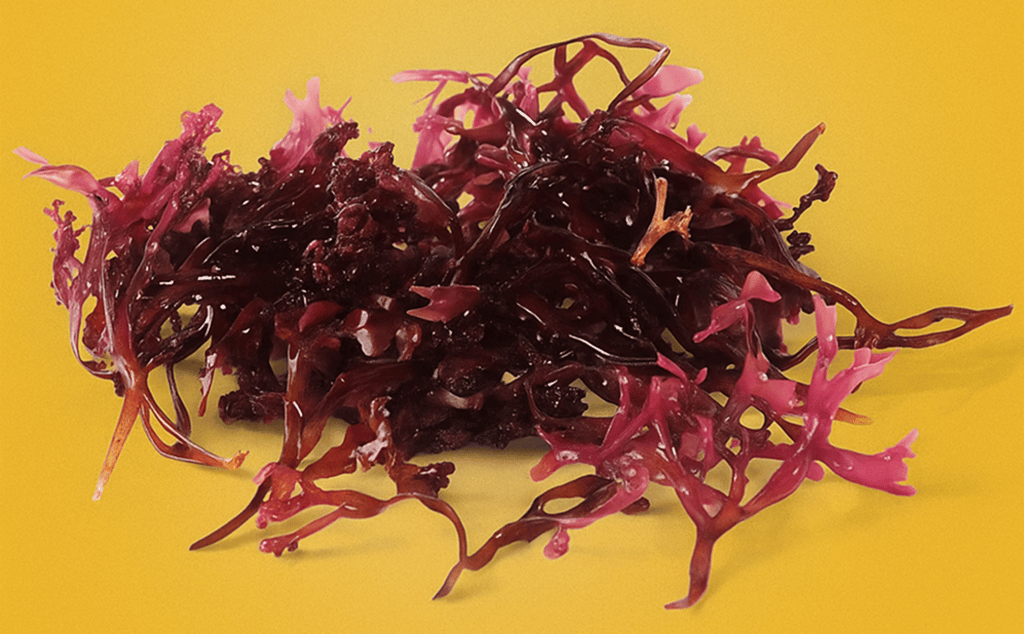
Sea moss is a type of edible red algae (Chondrus crispus) that grows on rocky parts of the Atlantic coasts of Europe and North America. Also called Irish moss, it has a long history of use in traditional diets. People in parts of Asia and Latin America have been consuming seaweed as part of their regular diets for centuries, but it’s only more recently caught on as a dietary supplement in the UK, North America, and other parts of Europe.
Naturally vegan and gluten-free, seaweed is praised for its nutrient content:
Protein: important for building muscle
Dietary fibre: helps digestion, boosts satiety, and protects against cardiovascular disease
Omega-3 fatty acids (polyunsaturated fatty acids, or PUFAs): lower “bad” cholesterol levels and prevent heart disease
Sea moss may have antioxidant, anti-inflammatory, and antimicrobial properties. Research on sea moss is limited, but it suggests the active compounds in sea moss are able to scavenge reactive oxygen species (ROS), explains Cara Shaw, registered women’s health nutritional therapist, DipCNM, mANP, mGNC.
“This may protect cells from the damage of oxidative stress and may help manage inflammation and microbial infection,”she says.
Types of sea moss supplements
Sea moss is most commonly consumed in these forms:
Sea moss gel: Sea moss turns into jelly when boiled, which can be added to smoothies, soups, or simply eaten by the spoonful. Sometimes flavours are added, such as lemon or strawberry.
Sea moss gummies and capsules: Not a fan of gel textures? Capsules and gummies are convenient, easy alternatives.
Sea moss powder: Powdered sea moss can be stirred into drinks and smoothies or baked into recipes.
Sea moss liquid extract: Concentrated drops can be taken straight by mouth or added to a drink.
Top wellbeing benefits of sea moss
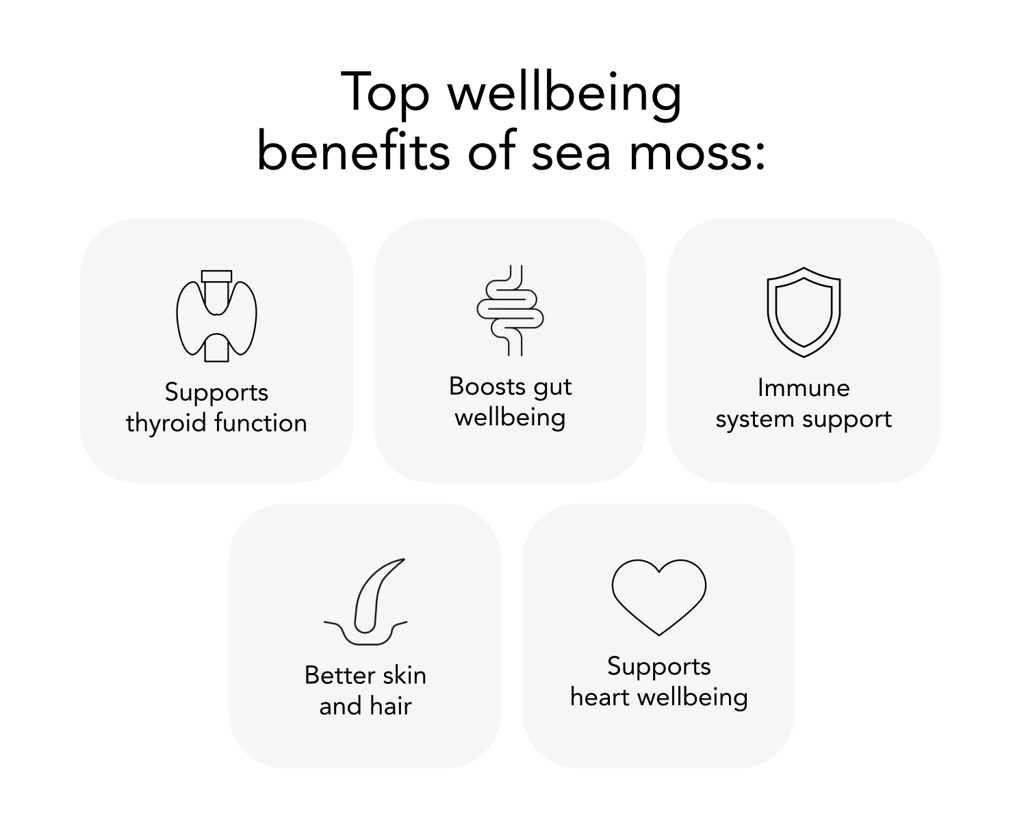
So, what does sea moss do? Clinical research on sea moss is still in the early stages, but there are some promising claims emerging. Here’s a breakdown of the most talked-about health benefits of sea moss.
Nutrient-dense
The nutritional profile of sea algae is impressively lengthy, containing virtually the entire alphabet of vitamins, as well as other essential minerals and powerful plant chemicals. Note that the specific nutrients can vary depending on the type of sea algae and where it is grown.
Iodine: helps make thyroid hormone, which is important for metabolism
Iron: makes red blood cells
Magnesium: supports immune, muscle, and nerve function
Potassium: controls fluid balance and helps the heart
Calcium: builds strong bones and teeth
Zinc: good for wound healing, immune function, and new cell creation
Vitamin C: necessary for healthy cell and immune function
Vitamin E: important for skin and eyes
B vitamins: helps the body release and use energy from food; good for red blood cell formation and nervous system function
Polyphenols: antioxidant plant chemicals that are good for the heart and circulation
Carotenoids (including beta-carotene, zeaxanthin, and lutein): plant pigments that convert into vitamin A in the body and improve immune function, skin, and vision
Polysaccharides: a type of carbohydrate and source of fibre that exhibit anti-cancer, anti-inflammatory, and anti-viral properties
Sea moss could be a great supplement for people following vegan, vegetarian, or other limited diets, as they might not consume enough iron, vitamin B12, or omega-3 fatty acids through food. The highest amounts of these nutrients are found in meat, seafood, and fish, so sea moss may be able to fill in a nutritional gap while also providing other benefits.
May support thyroid function
One of sea moss’s most well-supported benefits is its bioavailable iodine content. Iodine is essential for thyroid hormone production, which regulates metabolism, energy, and hormonal balance.
But there can definitely be too much of a good thing when it comes to iodine — particularly in people who have thyroid-related autoimmune disorders, such as Hashimoto’s disease. “Excessive levels of iodine can suppress thyroid function, so it’s always best to test before adding high-dose iodine into the diet,” Shaw says.
Might boost gut wellbeing
Sea moss contains both soluble fibre and prebiotic compounds as polysaccharides, which feed beneficial gut bacteria. Fibre supports digestive wellbeing by promoting regular bowel movements, reducing bloating, and improving microbial diversity.
“Seaweed-derived polysaccharides have shown promising potential for supporting gut health,” Shaw says.
Can provide immune system support
The wellbeing of the gut and the immune system are interconnected, Shaw says. Roughly 70% to 80% of the body’s immune cells are located in the gut, so maintaining a healthy, dynamic gut microbiome is crucial.
In addition to prebiotics, sea moss contains antioxidants like vitamin C and flavonoids — antioxidants that protect immune and other cells.
May improve skin and hair
All of those vitamins and minerals are good for the outside of the body as well as the inside.
Extracts of sea moss and other types of seaweed are often used in creams, serums, and other cosmetics and hair products. The anti-inflammatory, antimicrobial, and antioxidant properties of sea moss could result in clearer, smoother skin and reduced inflammation. Its high nutrient content could also make hair stronger.
Here’s how the nutrients found in sea moss might be able to give your skin and hair a glow-up:
Calcium: Not enough calcium in the diet can cause dry skin and coarse hair.
Zinc and iron: Hair loss can result from inadequate levels of zinc and iron.
Protein: Keratin, the protein component of hair, is necessary for normal hair growth.
Vitamin A: Retinol, which is vitamin A, is a familiar skincare ingredient and protects against free-radical damage.
B vitamins: Biotin is well-known for strengthening hair, but other B vitamins contribute, too — and to skin health, as well.
Vitamin C: It’s important for collagen production and defending skin against sun damage.
Vitamin E: It protects against oxidative damage to skin.
Omega-3 fatty acids: Omega-3’s quiet inflammation and can help skin conditions related to inflammation, such as atopic dermatitis.
May supports heart wellbeing
So far, research into sea moss and its potential benefits for the heart are scant. But it’s well-established that eating enough fibre is great for the cardiovascular system by lowering cholesterol. It’s also been associated with a lower risk of heart disease and obesity. Fibre’s function as prebiotic fuel for good gut bacteria may also have protective qualities for the heart, as well as the rest of the digestive and immune systems.
Are there risks or side effects of sea moss?
While generally safe in moderate amounts, sea moss does have some potential side effects.
Too much iodine
Excessive iodine intake can lead to thyroid dysfunction, Shaw says. While sea moss can help address iodine deficiency, overdoing it—especially when combining it with other iodine sources—may increase the risk of hypothyroidism or hyperthyroidism. The safe upper limit for iodine intake is about 600 micrograms per day for adults (over age 12) in the UK.
“Anyone with hyperthyroidism should not be taking sea moss,” Shaw says. “As it’s difficult to monitor the iodine content, you should avoid it altogether, as excessive iodine can worsen symptoms and could lead to serious issues.”
Heavy metal contamination
Because seaweed absorbs whatever is in the water it’s growing in, poorly sourced sea moss may contain heavy metals and other contaminants — primarily arsenic, cadmium, mercury, or lead. Exposure to heavy metals over time can increase the risk of certain cancers, heart problems, and neurodegenerative issues.
“It’s important to source from reputable and highly tested brands,” Shaw says.
Digestive issues
Some people may experience bloating, nausea, or diarrhoea when starting sea moss, especially in higher doses. Any uptick in fibre content may also take some getting used to.
While sea moss offers potential health benefits, it’s worth noting some related controversy. Carrageenan, a compound found in Irish moss, can sometimes degrade into a substance called poligeenan, which may trigger gastrointestinal inflammation and discomfort in some people. While there’s no clear evidence that your body can make this conversion, certain seaweeds may naturally contain small amounts of poligeenan, which has been linked to colorectal tumours in animal studies. Carrageenan itself has been used for decades as a food additive and is considered safe for most people.
Allergic reactions
Individuals with seafood allergies or sensitivities to iodine should be cautious. Symptoms may include itching, swelling, or difficulty breathing. Avoid sea moss if you’ve had allergic reactions to seaweed in the past.
Who should avoid sea moss?
Sea moss isn’t for everyone. You should speak with your GP before using it if you:
Have a thyroid condition or take thyroid medications
Are allergic to shellfish, seaweed, or iodine
Are pregnant or breastfeeding
Have kidney disease or are on a low-potassium diet
How to use sea moss safely and effectively
Sea moss has a neutral flavour and comes in a variety of formulations, so it’s wildly versatile. There is no official recommended dosage of sea moss, but here are standard daily serving sizes. Follow label instructions when using.
Serving sizes:
Gel: 1–2 tablespoons
Powder: 1–2 grams
Capsules and gummies: typically 500–1000mg per serving
Serving suggestions:
Blend into smoothies, soups, or homemade salad dressing
Stir into or add drops to tea or juice
Mix into porridge, oatmeal, quick breads, or homemade desserts
Tips for choosing high-quality sea moss
Not all sea moss is the same, nor does it have the same quality. Here’s what Shaw says to look for when selecting the safest, most effective sea moss.
Organic, sustainably sourced sea moss (and any other ingredients)
Rigorous third-party lab testing to ensure it's free of heavy metals and other toxins
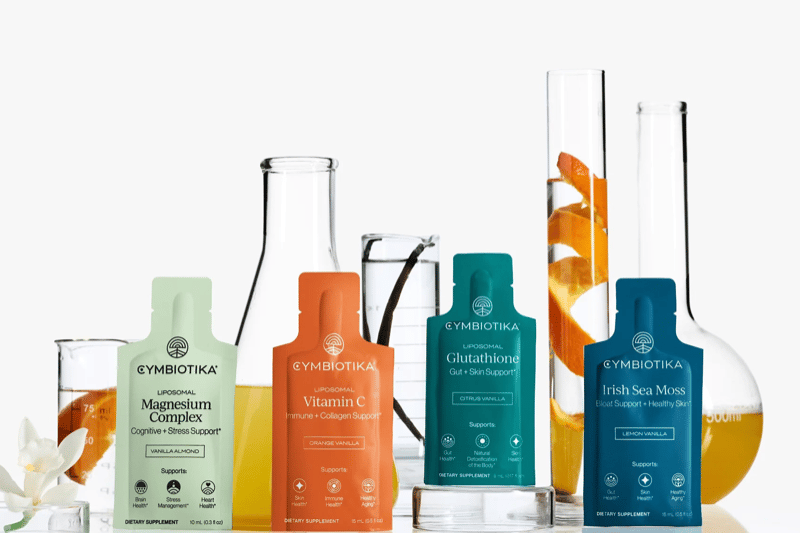
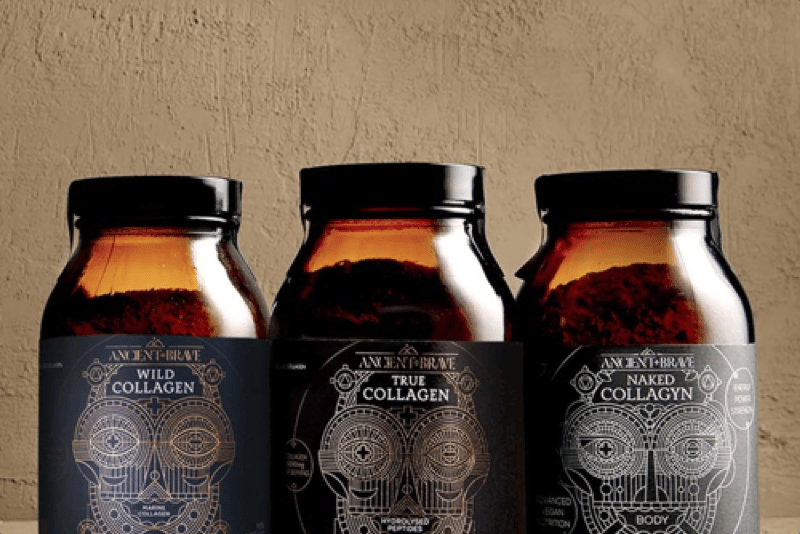
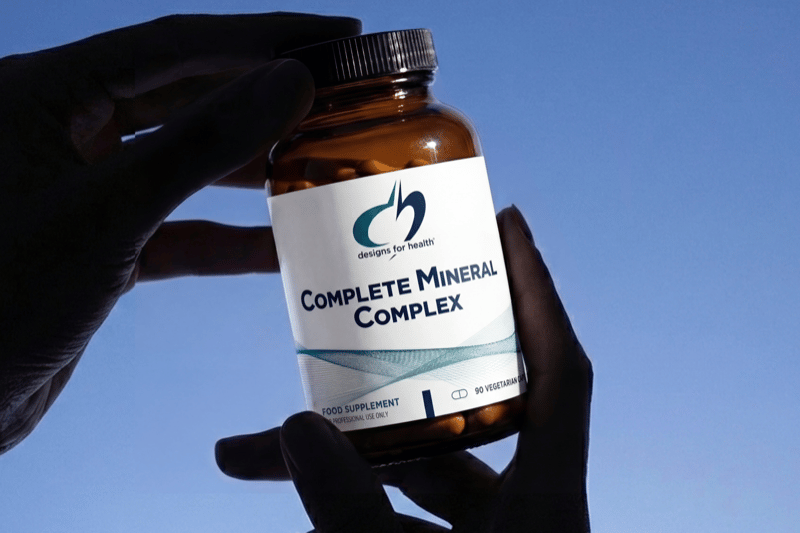
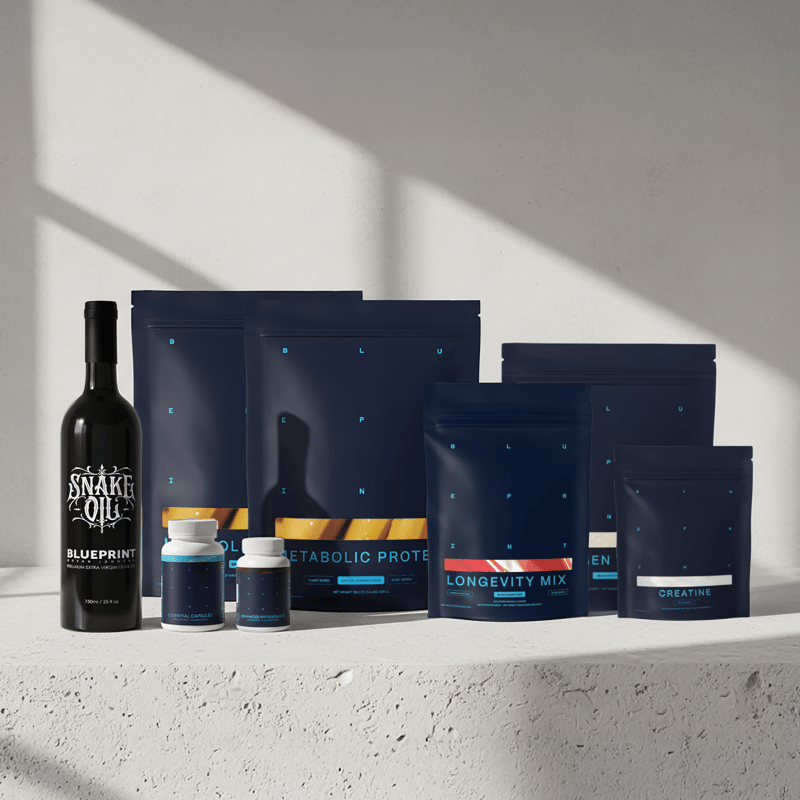
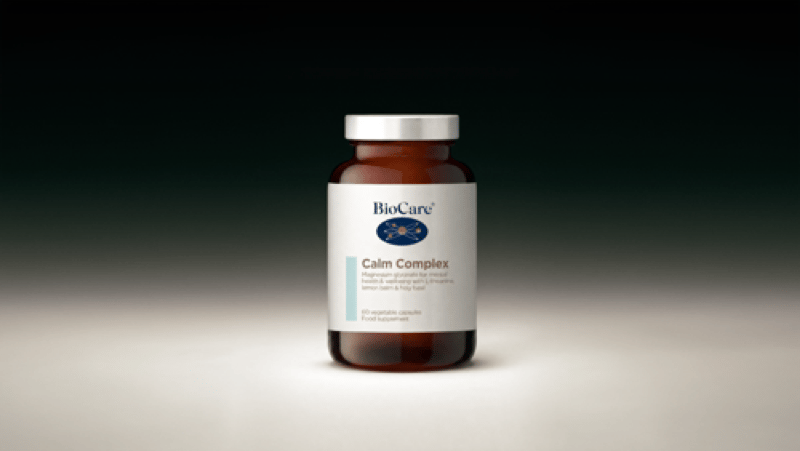
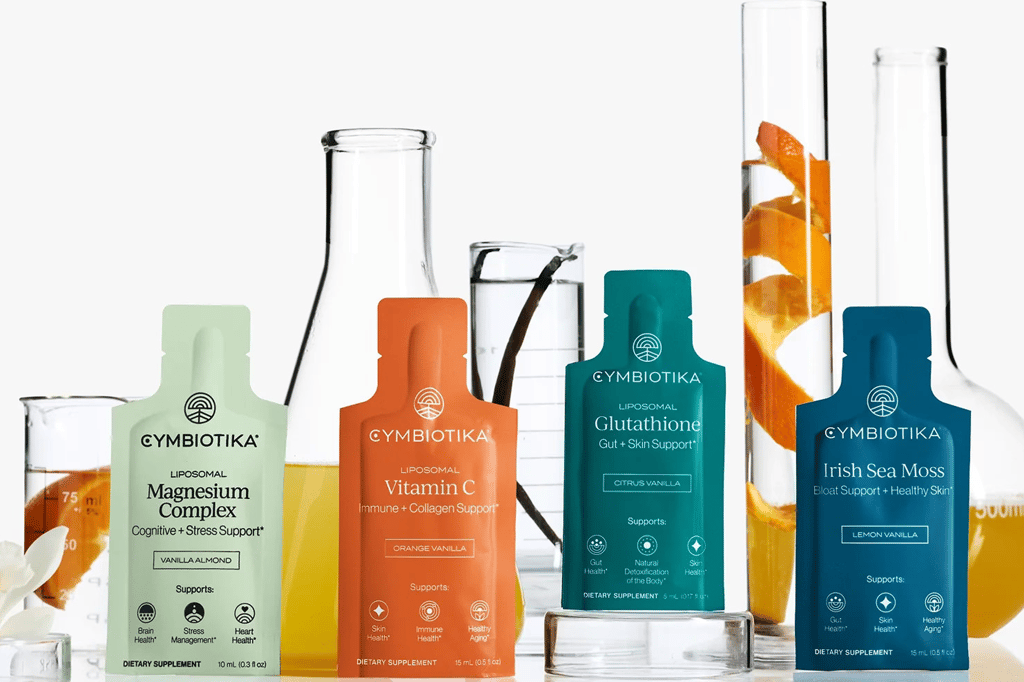
Want to dip your toe into the sea moss trend? These products are a great start.
The bottom line
Sea moss is a natural source of vitamins, minerals, fibre, and antioxidants that may support gut, thyroid, skin, and immune wellbeing. It can supplement a balanced diet and fill in nutritional gaps. Consult your GP to see if this superfood supplement can help you.
Key takeaways
Sea moss is packed with nutrients including iron, iodine, protein, potassium, fibre, calcium, zinc, omega-3 fatty acids, and more.
The full-body benefits of sea moss include digestive health, immune support, thyroid health, better skin and hair, and heart health.
Be mindful of sea moss sourcing, dosage, and individual sensitivities, particularly related to iodine and heavy metals.
Choose third-party–tested, organic sea moss from reputable brands.
People who are pregnant, have thyroid conditions, or are taking other medications should consult their GP before trying sea moss.
Frequently asked questions (FAQ’s)
What are the benefits of sea moss?
It may support thyroid function, gut wellbeing, immunity, and skin appearance, thanks to its nutrient-rich composition.
What happens if you take sea moss every day?
Moderate daily use may offer benefits, but excess iodine or heavy metals could cause issues. Stick to safe dosages, according to the product label, or check with a healthcare professional.
Who should not take sea moss?
People who are pregnant, have thyroid disorders, or are taking medications should speak with a doctor before use.
What are the 92 minerals in sea moss?
When it comes to sea moss, the oft-repeated “92 minerals” claim is largely anecdotal and not scientifically validated. That said, sea algae is a good source of many vitamins, minerals, and other nutrients, including iodine, vitamin B, vitamin C, zinc, omega-3 fatty acids, fibre, and more.
Does sea moss detox your body?
There’s no solid evidence that sea moss “detoxes” the body. Your liver and kidneys do that naturally, but the fibre in sea moss may help digestion and support a healthy gut microbiome.




This article is for informational purposes only, even if and regardless of whether it features the advice of physicians and medical practitioners. This article is not, nor is it intended to be, a substitute for professional medical advice, diagnosis, or treatment and should never be relied upon for specific medical advice. The views expressed in this article are the views of the expert and do not necessarily represent the views of Healf
Stephanie Anderson Witmer is a freelance health journalist and content writer with nearly 30 years of experience. Her work has been published in top magazines and digital publications, including Prevention, Good Housekeeping, Health, Women's Health, USA Today, Yoga Journal, Parade, and Today's Parent. She's created content for brands, including Hone Health, GoodRx, Weight Watchers, WebMD, CVS Health, UPMC, and others.