








































_2026-10-13_14-11-48.png)

.jpg)
The Best Time To Take Supplements (And What Actually Matters)
From magnesium to vitamin D, here's when timing makes a difference, which supplements should be taken with food, and the mistakes practitioners see all the time.

Written by: Samantha Nice
Written on: 4 June 2026
Supplement routines have become surprisingly complicated. Magnesium before bed, vitamin D with lunch, creatine around workouts, collagen in coffee, electrolytes after training. Somewhere between social feeds, biohacking podcasts and hyper-detailed morning routines, supplements became frustratingly high maintenance.
Some of their benefits are genuinely useful. Certain nutrients absorb better with food while some interact with caffeine or minerals. Others may affect sleep, digestion or energy depending on when you take them. The problem is that useful guidance often turns into routines that feel far more complicated than they need to be.
“Timing does matter, but I'd argue that consistency matters more,” says nutritionist Clarissa Lenherr, mBANT, RNTP. “The most effective supplement is one that you actually take regularly.”
That doesn’t make the details irrelevant. “Certain supplements do have meaningful interactions with food, stomach acid, other nutrients and even time of day, so getting the basics right can help optimise effectiveness,” Lenherr explains.
A few details are worth getting right. Beyond that, supplement advice can quickly turn into something that feels more like admin than wellbeing.
Why some supplements should be taken with food
Not all supplements are absorbed in the same way. Some work better alongside food, while others are more likely to irritate digestion when taken on an empty stomach. “Fat-soluble vitamins such as A, D, E and K need dietary fat to be absorbed properly, so always take these with a meal that contains some fat,” says Lenherr. “Magnesium and B vitamins are also better tolerated with food, as they can cause nausea on an empty stomach for some.”
Food can also help protect certain probiotics and minerals from stomach acid, which is another reason why popping them with food can help support absorption and make them gentler on digestion. Others, like creatine or collagen, are usually less about exact timing and more about taking them regularly enough to see the benefit.
The supplements where timing can make the biggest difference
Not every supplement needs military-level precision, and most can simply become part of your daily routine. Still, there are a handful of ways that practitioners regularly see people taking them that reduce their effectiveness.
Here’s what to know about some of the most commonly used supplements right now, when to take them and the simple changes that can help them work more effectively.
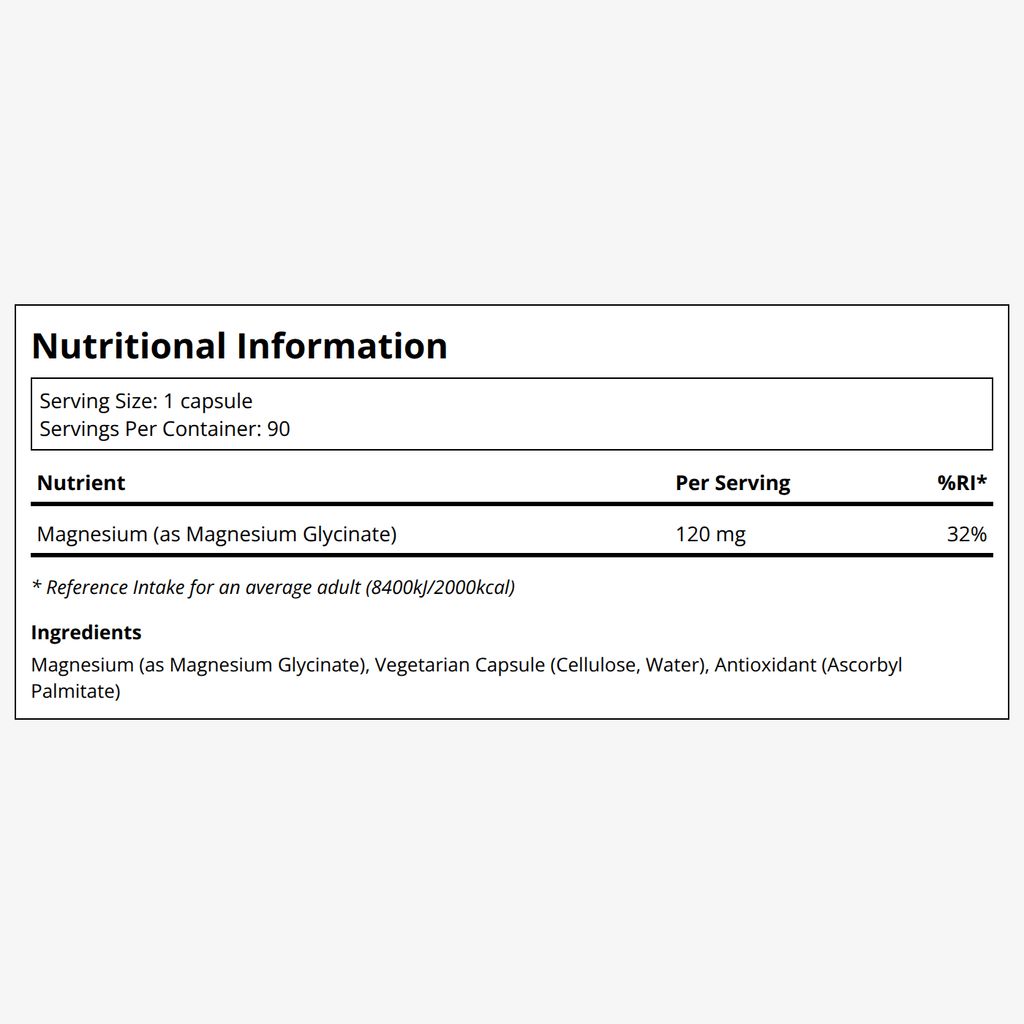
Vitamin D: best taken with a meal containing fat
Vitamin D supports immune function, bone health, and mood, yet many people in the UK struggle to maintain optimal levels, particularly during autumn and winter when sunlight exposure drops.
When to take it: Lenherr recommends taking vitamin D alongside your fattiest meal of the day, whether that’s breakfast, lunch, or dinner. She also suggests considering vitamin K2 if supplementing with vitamin D long term.
Why it matters: “Vitamin D taken first thing in the morning on an empty stomach can significantly limit absorption,” says Lenherr. Since vitamin D is fat-soluble, taking it alongside dietary fat helps the body absorb it more effectively.

Magnesium: best taken in the evening
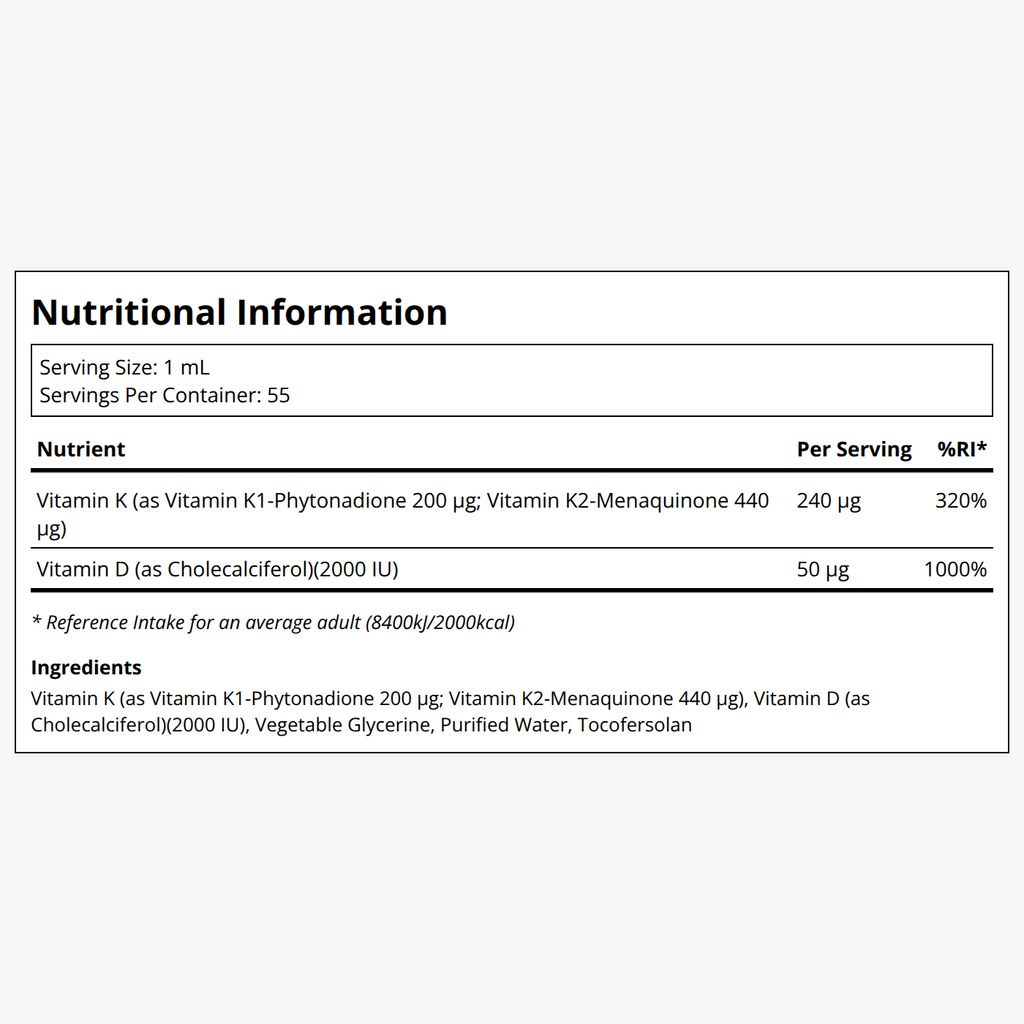
Magnesium plays a role in muscle function, nervous system regulation, and sleep, which is why it’s become a staple in many evening wellbeing routines.
When to take it: Lenherr recommends taking magnesium in the evening, ideally with dinner or before bed. “Magnesium glycinate is particularly good at night because it’s bound to glycine, which can help promote sleep,” she says.
Why it matters: “Magnesium supports muscle relaxation and has a calming effect on the nervous system,” Lenherr explains. She adds that glycinate and citrate are generally better tolerated forms, while magnesium oxide is more likely to cause digestive discomfort.

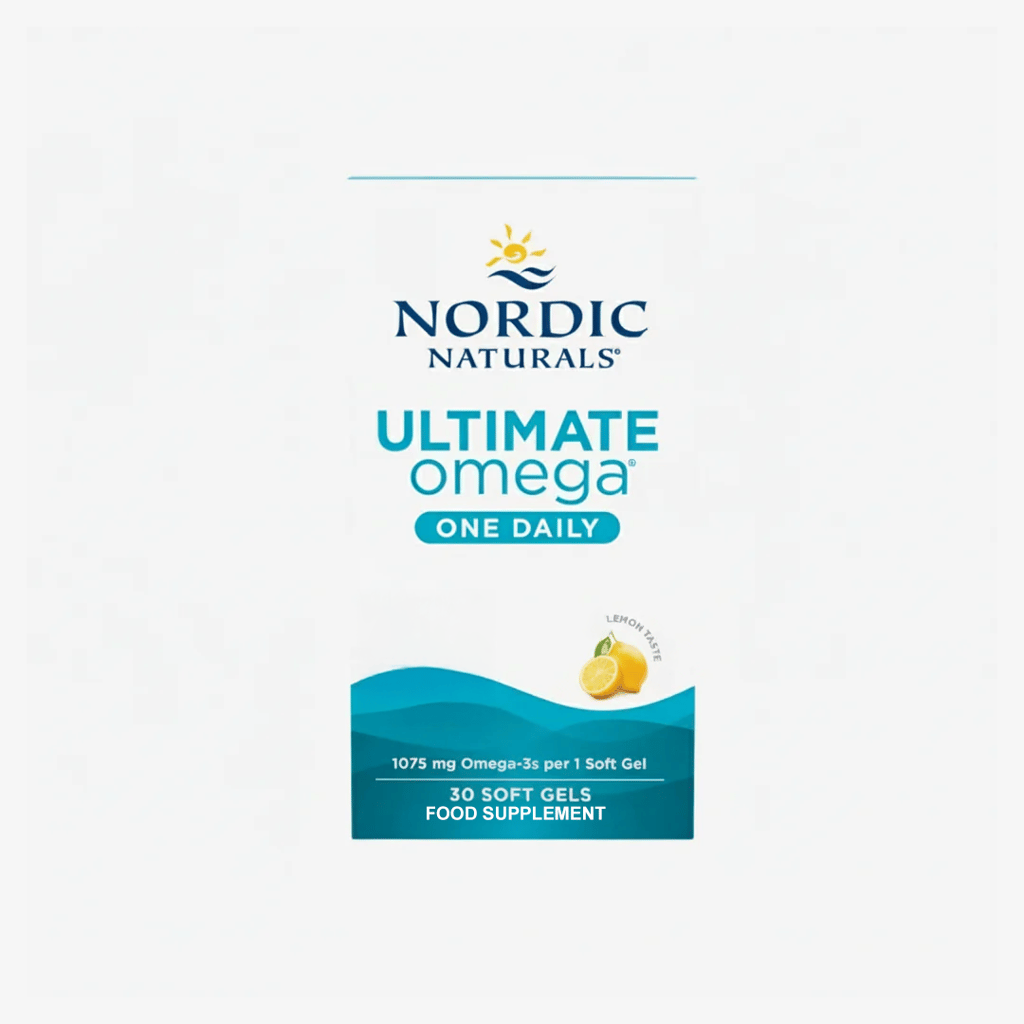
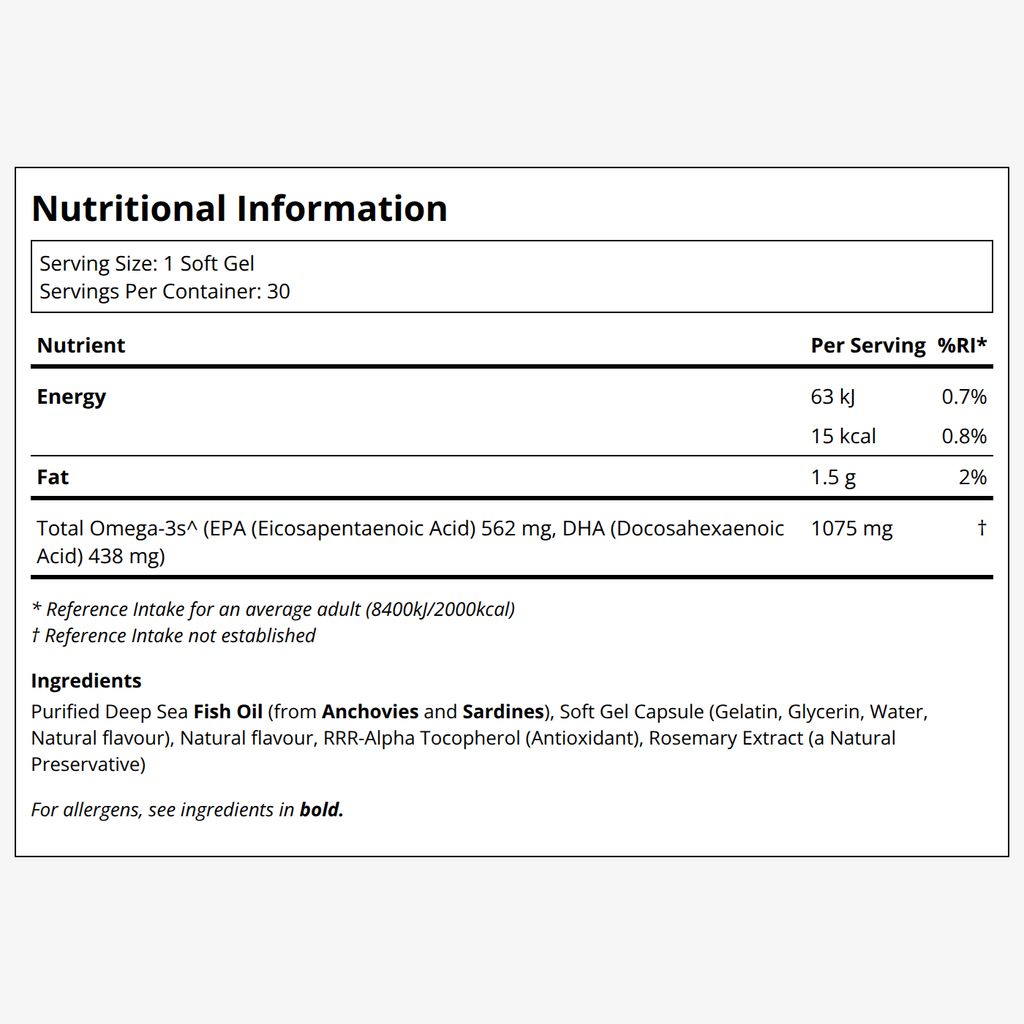
Omega-3: best taken with a meal containing fat
Omega-3 fatty acids support brain health, heart health and inflammation regulation. Fish oil supplements can also be unpleasant to take without food.
When to take it: Lenherr recommends taking omega-3 alongside a meal containing fat, which for many people, naturally means around lunch or dinner time.
Why it matters: “Taking omega-3 with food helps support absorption and can also reduce the likelihood of ‘fish burps’ afterwards,” says Lenherr. Pairing it with a proper meal tends to make it easier for you to tolerate too.
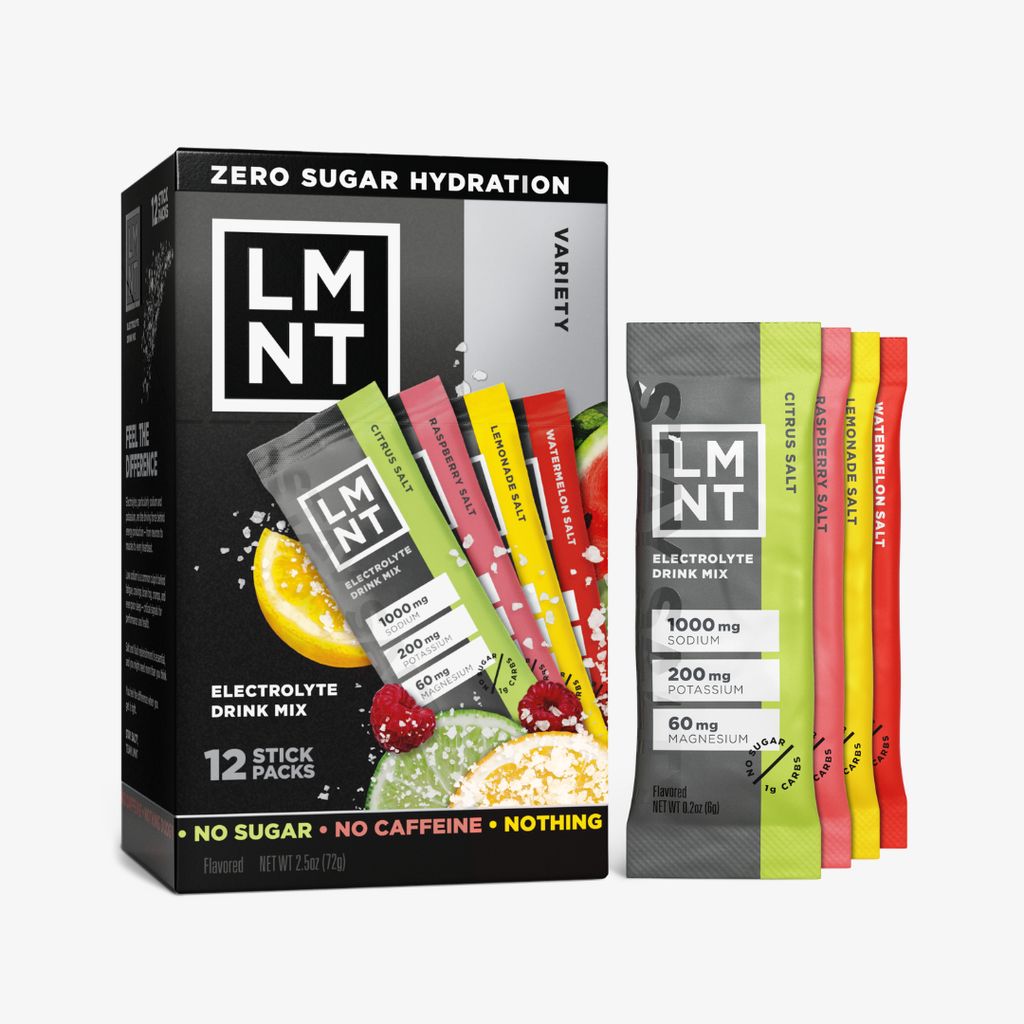
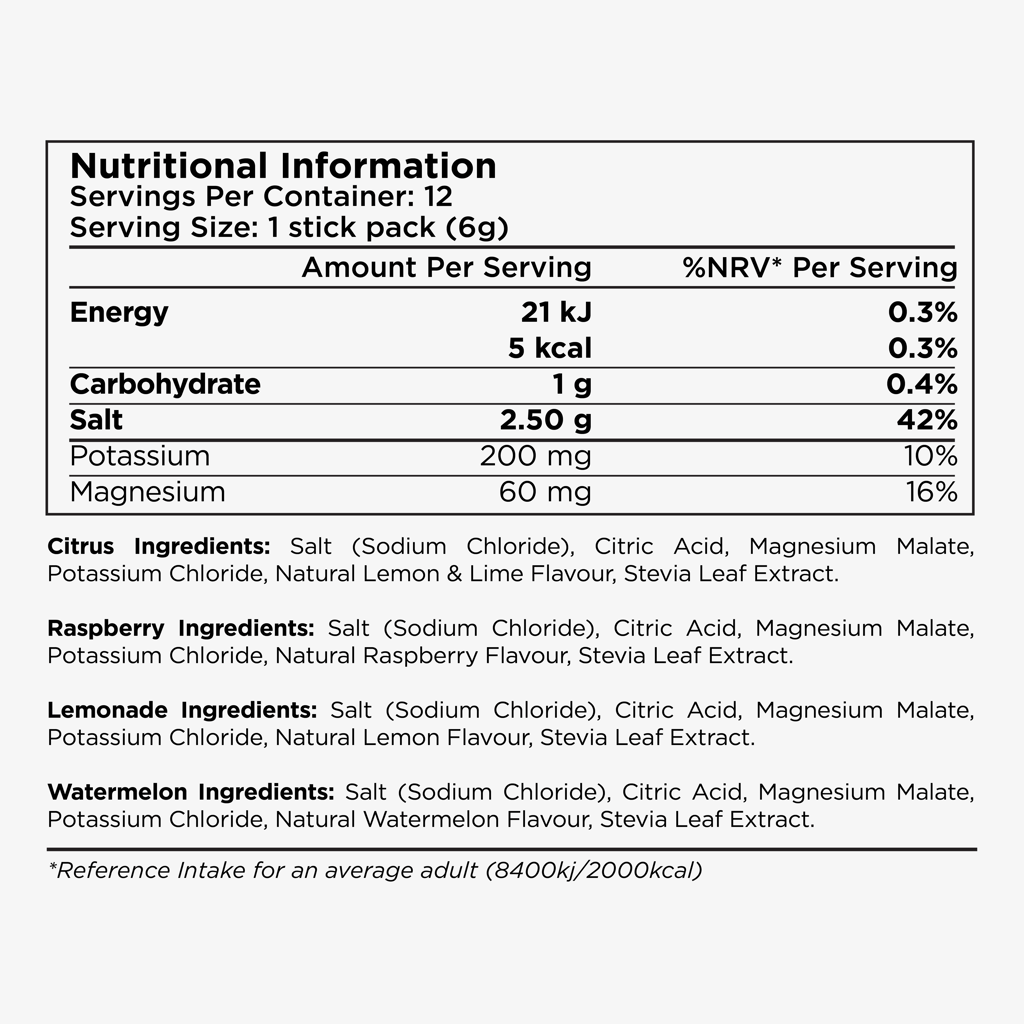
Electrolytes: best taken in the morning or around exercise
Electrolytes help replenish minerals like sodium and potassium that are lost through sweat, hydration, and exercise. They’ve become increasingly popular among people training regularly or waking up feeling depleted.
When to take them: Lenherr says electrolytes tend to work well first thing in the morning, as well as before, during, or after exercise.
Why it matters: “We wake up in a mildly dehydrated state after hours without fluid, so taking electrolytes first thing can work really well for many people,” says Lenherr. “They’re also great around exercise, when electrolyte losses through sweat are highest.”
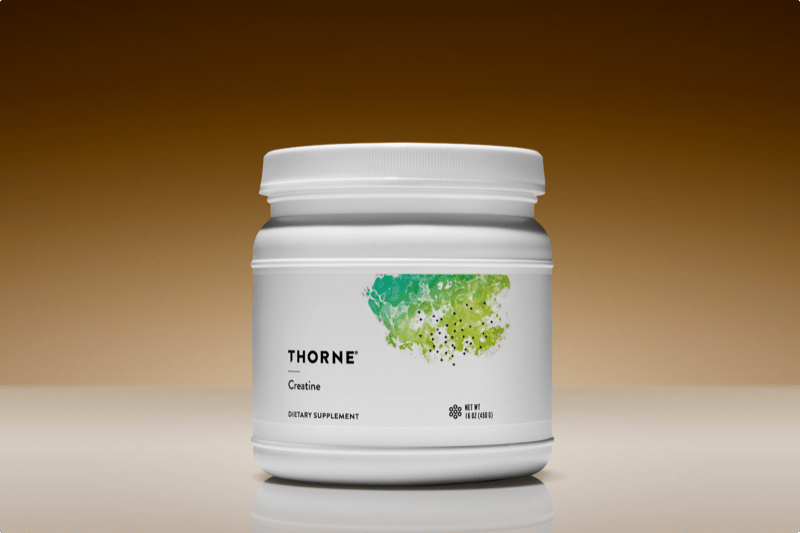
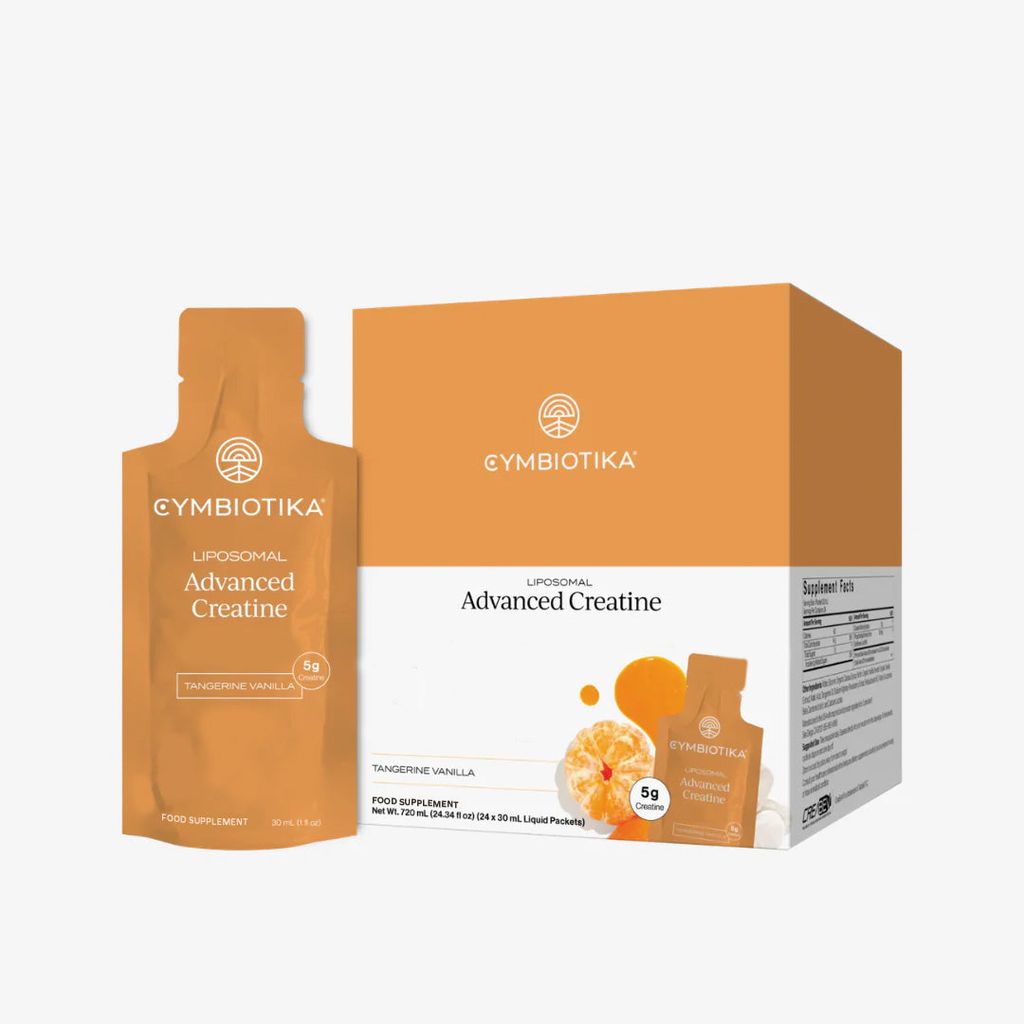
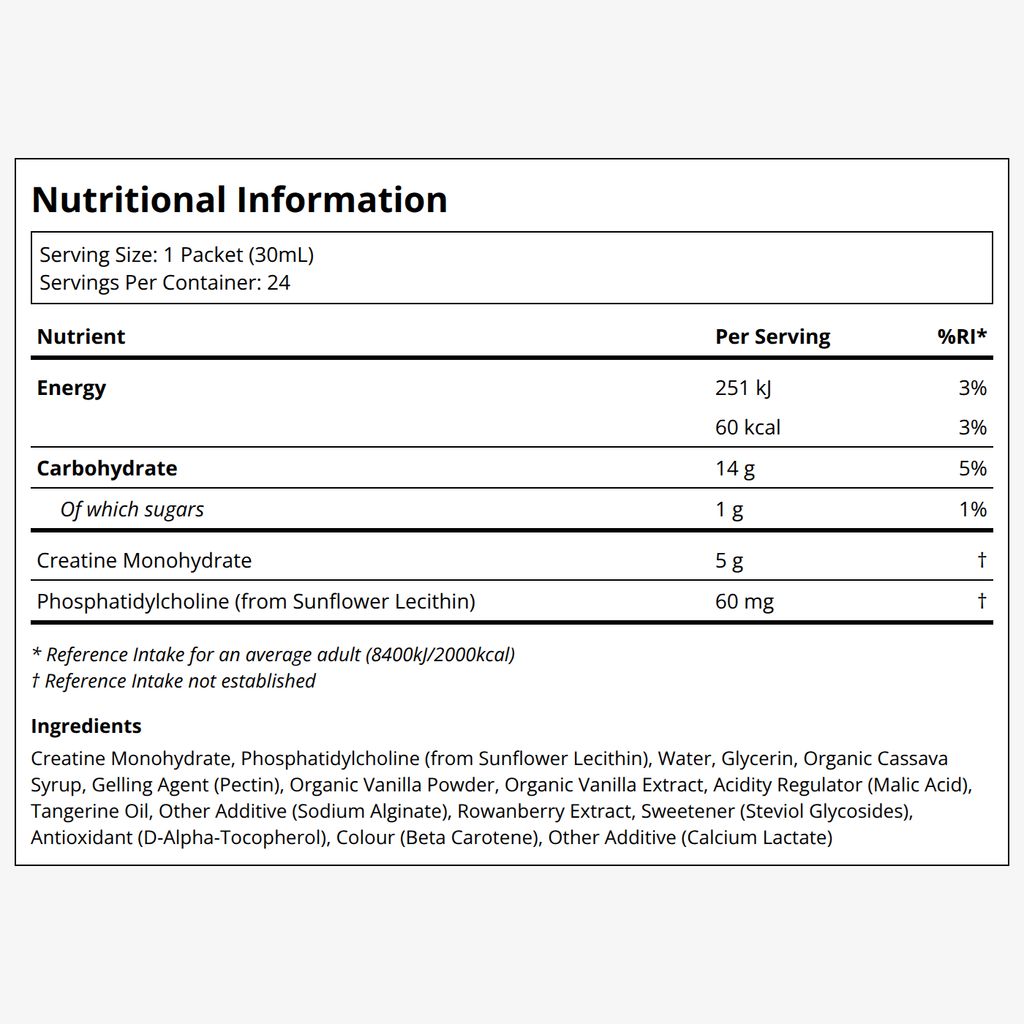
Creatine: best taken regularly
Creatine is one of the most researched supplements for strength, performance, and recovery, despite ongoing debate around the “perfect” time to take it.
When to take it: Lenherr says taking creatine regularly is likely more important than stressing about the exact time frame. Some research suggests taking it close to training may offer a slight edge, particularly around exercise performance.
Why it helps: “Taking creatine with carbohydrates or alongside a meal may help support uptake into muscle cells,” says Lenherr. Since creatine works by gradually saturating muscle stores, the exact window appears less important than just taking it regularly.
Iron: best taken away from coffee, tea and calcium
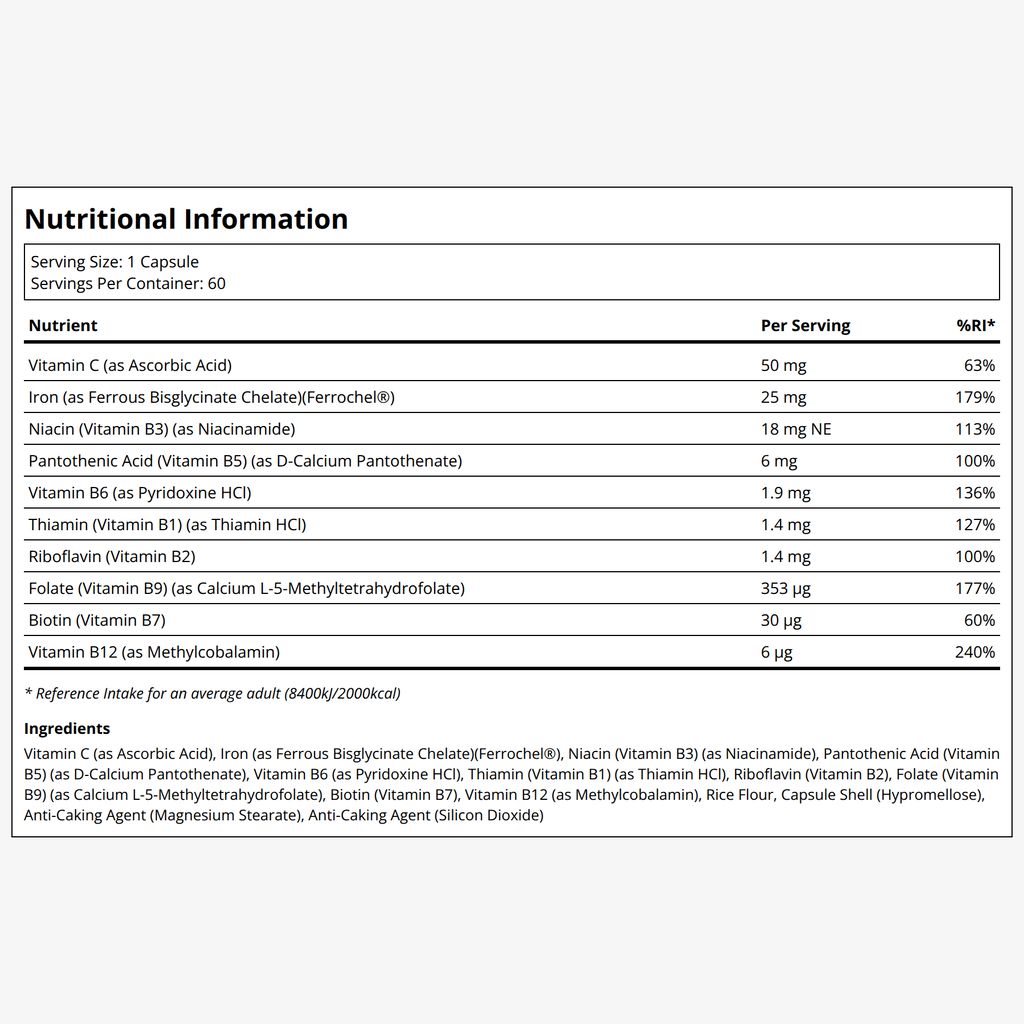
Iron helps carry oxygen around the body and low levels can affect everything from energy to concentration. It’s also one of the supplements most affected by food and drink interactions.
When to take it: Lenherr recommends taking iron in the morning on an empty stomach, ideally alongside vitamin C. She advises leaving at least two hours between iron and calcium, tea, coffee or antacids.
Why it matters: “The tannins in tea and coffee can reduce iron absorption by up to 60 to 70%,” says Lenherr. Iron can also irritate digestion for some people, which is why taking it with a small amount of food may sometimes feel more manageable.

Collagen: best paired with vitamin C
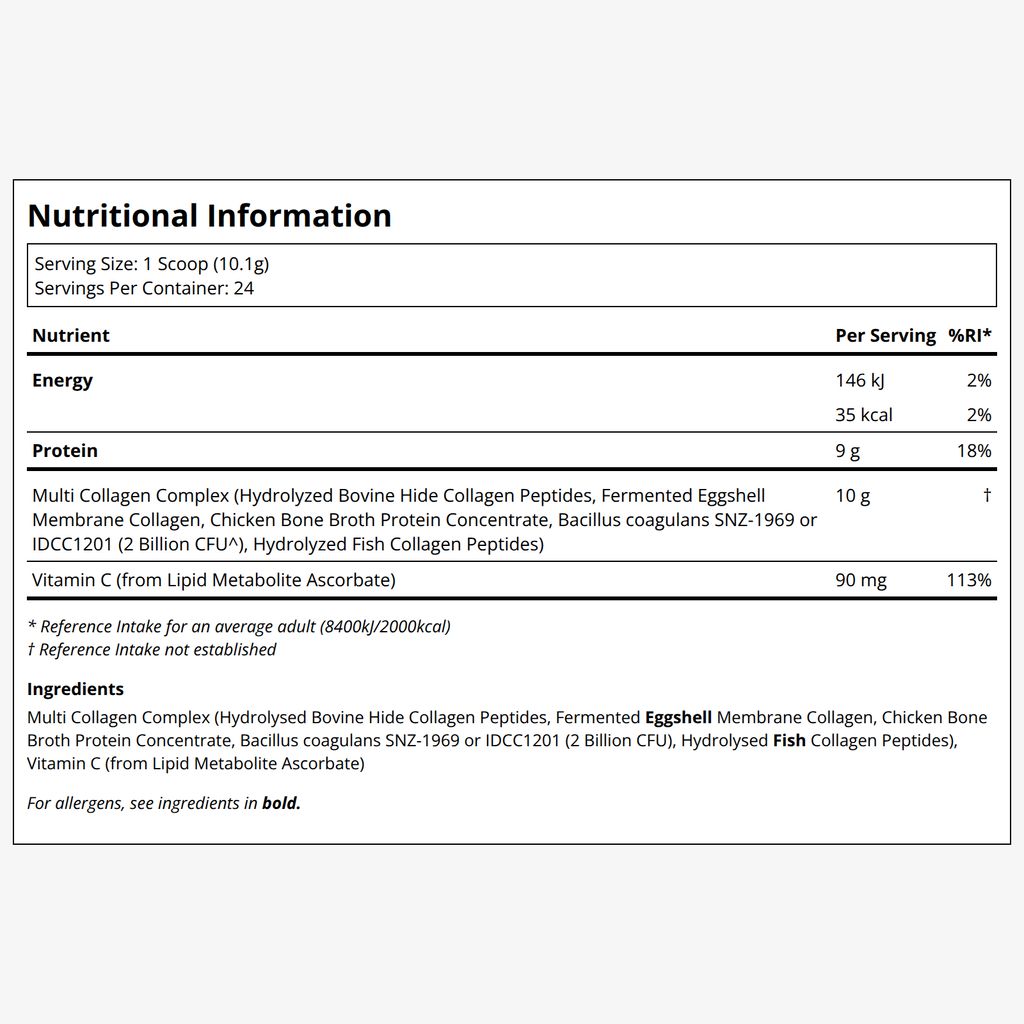
Collagen supplements are often taken to support skin, hair, joints, and connective tissue. The timing on this one can be flexible, but what you pair it with can make a difference.
When to take it: Lenherr recommends taking collagen alongside a source of vitamin C, which supports the body’s own collagen production. Many people build it into coffee, smoothies, or matcha routines.
Why it matters: “Collagen is rich in glycine, an amino acid that has been shown to support sleep quality and help lower core body temperature,” says Lenherr. Evening can work well for some people, though many end up taking it whenever it fits easiest into their routine.

B vitamins and vitamin C: best taken earlier in the day
B vitamins help convert food into energy, while vitamin C supports immune function and antioxidant defence. Both can feel energising for some people.
When to take them: Lenherr recommends taking B vitamins and vitamin C with breakfast or earlier in the day rather than late in the evening.
Why it matters: “B vitamins and vitamin C support energy metabolism and can feel stimulating for some people, so taking them late in the evening may interfere with sleep,” says Lenherr. Vitamin C is also water-soluble, meaning the body does not store large amounts of it.



Probiotics: timing depends on the type you’re taking
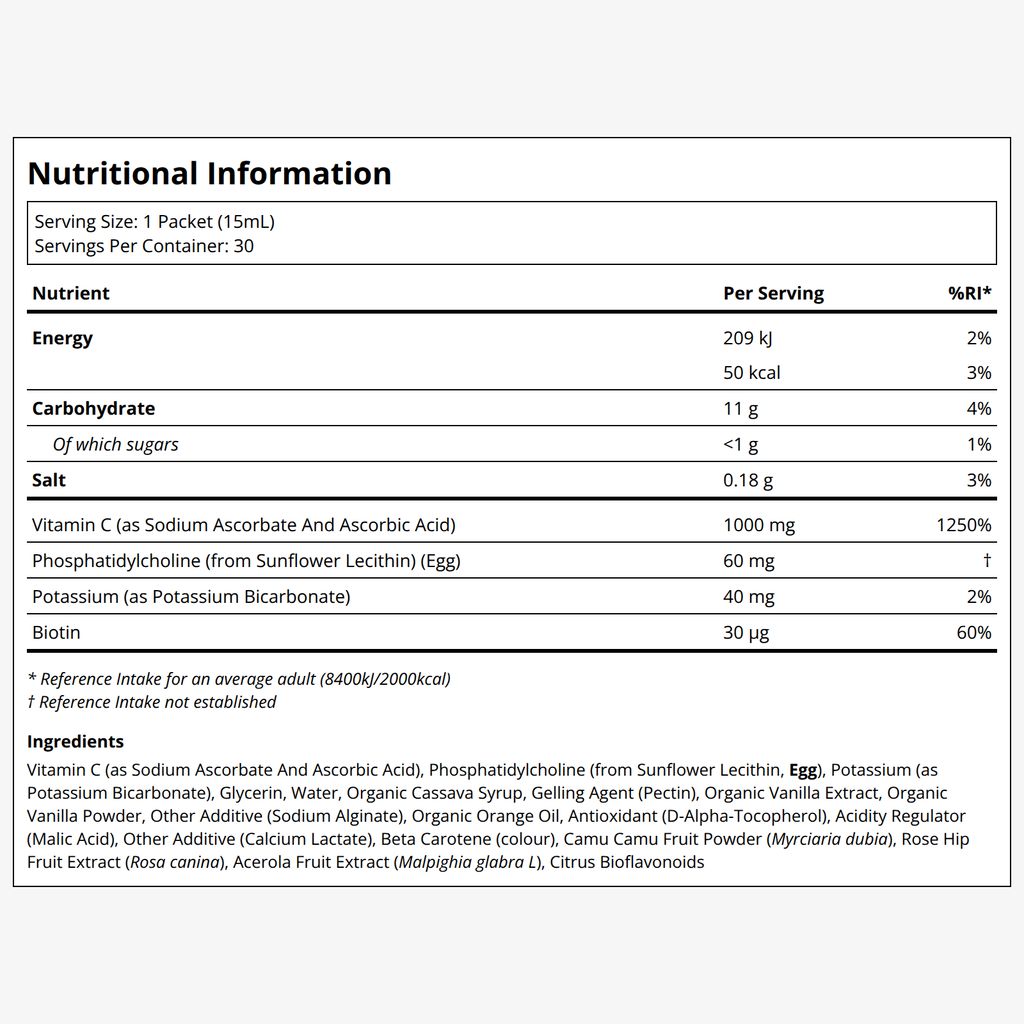
Probiotics are live bacteria designed to support the gut microbiome, though different strains and formulations behave differently in the body. Some probiotic strains are designed to survive stomach acid regardless of food, while others appear to do better when taken alongside meals.
When to take them: Some probiotics work best when taken with or just before food, while others are designed to survive stomach acid regardless of timing.
Why it matters: “Food can help buffer stomach acid and create a friendlier environment for certain probiotic strains to reach the gut intact,” says Lenherr. She adds that delayed-release or soil-based probiotics tend to be more resilient.
Calcium and zinc: best spaced away from other minerals
Calcium and zinc are important minerals, though high doses can interfere with the absorption of other nutrients when taken together.
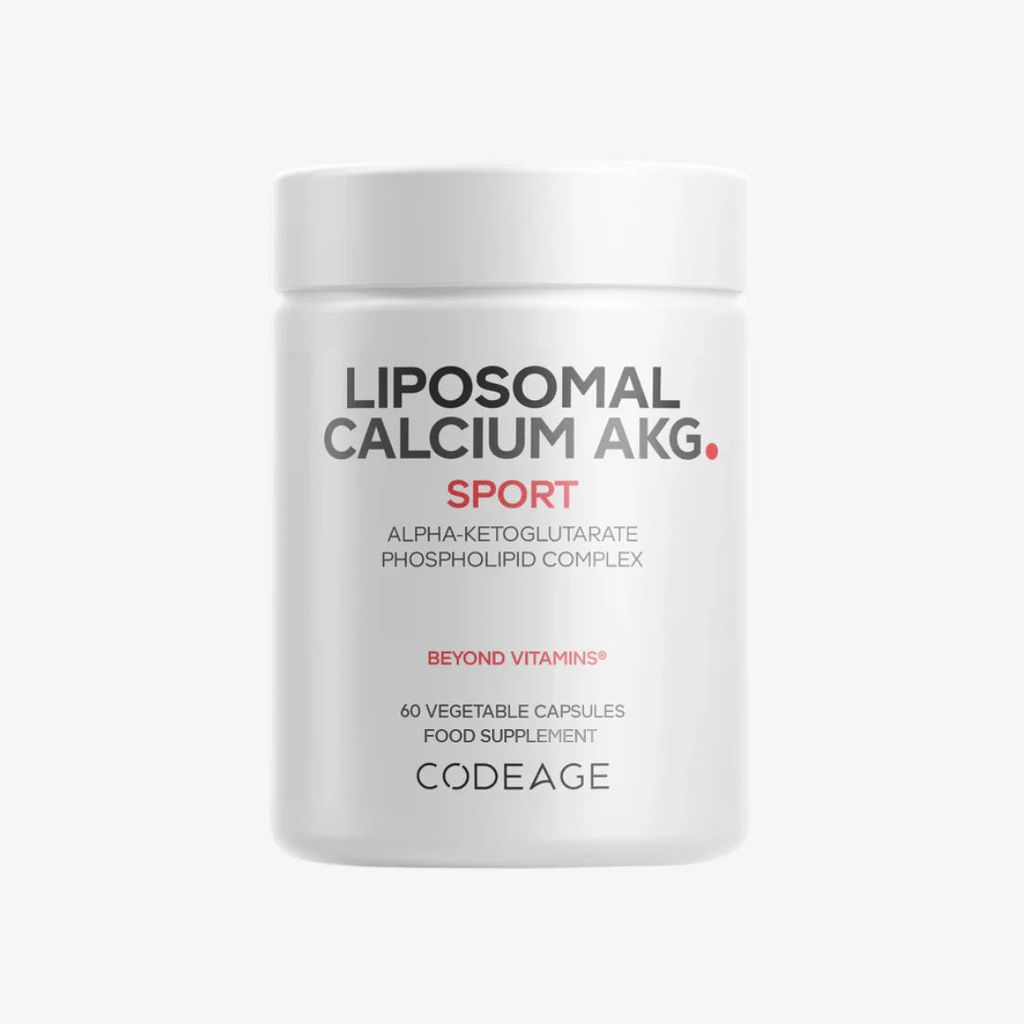
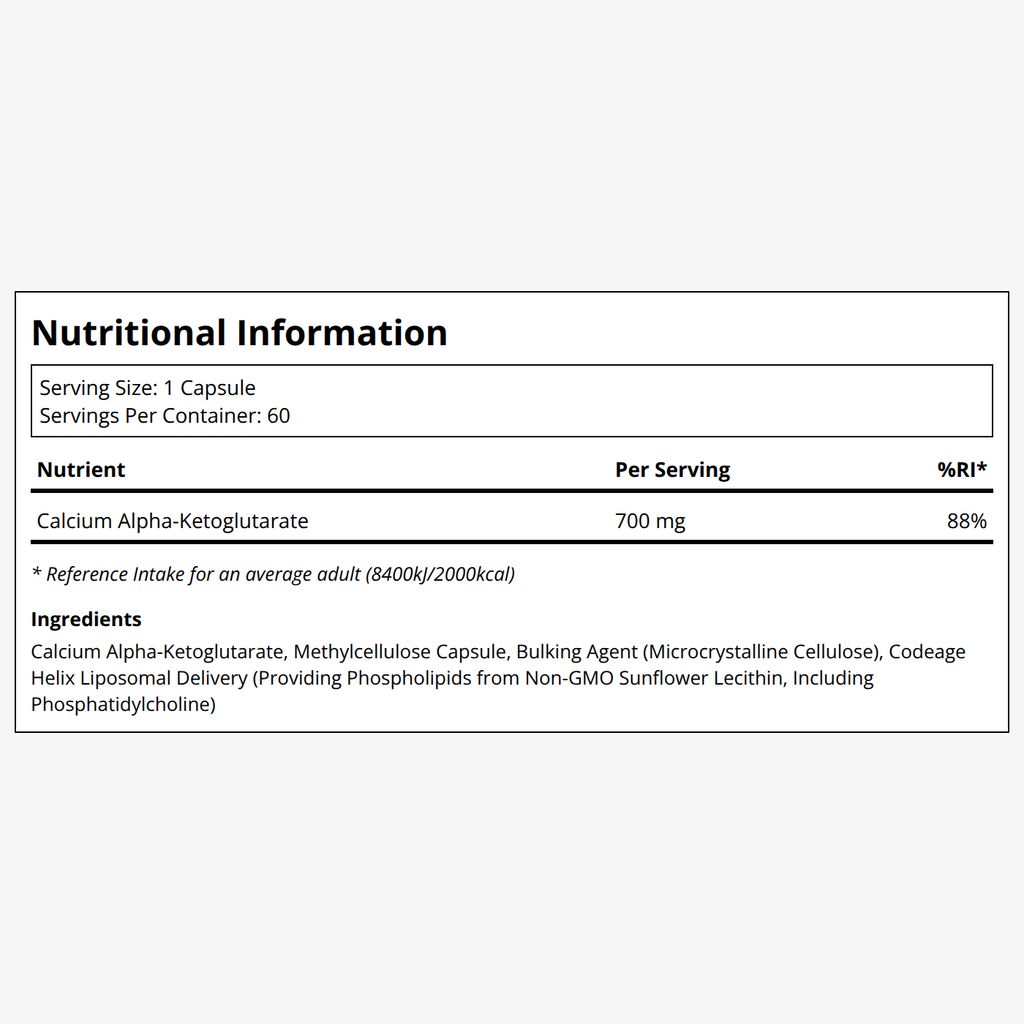
When to take them: Lenherr recommends spacing calcium, zinc, iron and magnesium supplements apart where possible rather than taking everything together.
Why it matters: “Iron and calcium compete for absorption, so ideally they shouldn’t be taken together,” says Lenherr. “Iron and zinc can also compete at the same transporter when taken at higher doses.”


What supplements should not be taken together?
Most supplements can be safely taken alongside one another, which is why people often throw everything into one morning routine without thinking twice. The issue is that a handful compete for absorption, meaning that if you take them together, it can sometimes make them less effective.
Iron is usually the main one practitioners flag here. Coffee and tea can significantly reduce absorption because of naturally occurring compounds called tannins, and calcium can interfere in this process too. That’s why iron supplements are better taken separately from coffee, dairy, and calcium supplements.
“Iron and calcium compete for absorption, so don't take them together,” says Lenherr. “Similarly, iron and zinc, especially at higher doses, compete at the same transporter, so space these out by at least two hours.”
Herbal supplements deserve the same level of attention, particularly if you take medication. “St John's Wort can significantly interfere with the metabolism of various medications, including the contraceptive pill and antidepressants, so always check for interactions if you're on medication,” Lenherr adds.
You don’t need to memorise every possible interaction. If you’re taking a few supplements each day, knowing the main nutrient clashes that can occur is usually enough. “People often take everything in one go, which, depending on the combination, may mean they're not getting the benefit they think they are,” says Lenherr.
Why supplements sometimes don’t seem to work
A lot of supplements get abandoned before they’ve really had a chance to do anything. Most don’t work overnight, and many nutrients need weeks or even months before noticeable changes show up.
“The biggest issue I see is taking supplements inconsistently, a few days here and there, and then wondering why they're not working,” says Lenherr. “Most supplements require weeks to months of consistent daily use to have a meaningful effect.”
Another reason supplements sometimes disappoint is that people start layering products before actually understanding the causes behind whatever issue they're dealing with. Low energy, poor sleep, stress, and brain fog rarely come down to one factor, yet supplement routines often grow reactively through recommendations, social feeds, or guesswork.
“People can spend a lot of time perfecting routines for nutrients they may not need,” says Lenherr.
This is partly why more people are turning to personalised testing rather than guessing. Healf Zone uses an at-home Tasso blood testing device to analyse 38 key biomarkers linked to energy, recovery and nutrient status, inflammation and metabolic health. The point isn’t building a bigger supplement routine, but getting clearer on what’s worth supporting in the first place.
A simple supplement routine that actually works
If you’ve ever wondered whether supplements should be taken morning or night, this is usually where practitioners start. Most supplement routines work well in theory. The harder part is figuring out what actually deserves thought, and what can simply slot into everyday life.
Morning: a good time for supplements linked to energy and daytime routines
- Vitamin D
- Omega-3
- B vitamins
- Vitamin C
- Multivitamin
- Collagen
- Electrolytes
- Iron (ideally not alongside coffee and calcium)
Evening: better suited to supplements linked to relaxation and recovery
- Magnesium
- Sleep-supportive supplements
- Adaptogens aimed at relaxation or recovery
Supplements usually best taken with food
- Vitamins A, D, E and K
- Omega-3
- Magnesium
- Multivitamins
Around workouts
- Electrolytes
- Creatine
Lenherr says making supplements part of an existing routine tends to work far better for consistency than relying on memory alone. “The key is to put them somewhere such as next to your coffee machine, on the breakfast table or on your desk, and link them to an existing habit,” she says.
Small systems can make that easier too. “Having a supplements organiser can be really helpful, and even putting alerts or notes in your calendar can act as a useful reminder."
So, does supplement timing actually matter?
Yes, but not every supplement needs its own set of rules. A handful tend to work better with a bit more thought. Iron and coffee are not a great match. Fat-soluble vitamins absorb more effectively alongside food. Magnesium often fits better into an evening routine. This is all worth knowing, but probably not enough to redesign your whole day around.
The supplement routines that last are usually the ones that ask the least of you. Knowing what works better with food, what’s worth spacing apart, and which supplements deserve a bit more thought will usually take you further than trying to optimise every tiny detail.
Your supplement timing questions, answered
When should you take supplements, morning or night?
Depends on the supplement. B vitamins and vitamin C often fit better earlier in the day, while magnesium tends to suit the evening. Many supplements can be taken whenever they’re easiest to remember.
Should supplements be taken with food?
Some should. Fat-soluble vitamins like A, D, E and K absorb better alongside fat, while magnesium and omega-3 are often easier on digestion with meals.
What supplements should not be taken together?
Iron and calcium are one of the main combinations practitioners recommend separating. Coffee and tea can also reduce iron absorption.
Can you take all your supplements at once?
Often yes, but it depends on the combination. Some nutrients compete for absorption, which is why spacing out iron, calcium, and zinc may help.
Is magnesium better before bed?
Often, yes. Magnesium glycinate in particular is commonly taken in the evening because it may support relaxation and sleep.
Should vitamin D be taken morning or night?
More important than the exact time is taking it with food containing fat to support absorption.




This article is for informational purposes only, even if and regardless of whether it features the advice of physicians and medical practitioners. This article is not, nor is it intended to be, a substitute for professional medical advice, diagnosis, or treatment and should never be relied upon for specific medical advice. The views expressed in this article are the views of the expert and do not necessarily represent the views of Healf
Samantha Nice is a seasoned wellness writer with over a decade of experience crafting content for a diverse range of global brands. A passionate advocate for holistic wellbeing, she brings a particular focus to supplements, women’s health, strength training, and running. Samantha is a proud member of the Healf editorial team, where she merges her love for storytelling with industry insights and science-backed evidence.
An avid WHOOP wearer, keen runner (with a sub 1:30 half marathon) hot yoga enthusiast and regular gym goer, Samantha lives and breathes the wellness lifestyle she writes about. With a solid black book of trusted contacts (including some of the industry’s leading experts) she’s committed to creating accessible, well-informed content that empowers and inspires Healf readers.