






























_2026-10-13_14-11-48.png)


Berberine Benefits For Blood Sugar: Does It Actually Work?
From blood sugar to insulin resistance, why this plant compound is being compared to metformin and what the science actually says.

Written by: Samantha Nice
Written on: 12 June 2026
Few supplements have become as closely associated with blood sugar support as berberine. Often dubbed “nature’s metformin”, it’s now widely recommended for everything from insulin resistance and glucose regulation to PMOS and weight management.
Part of the reason is that the research is genuinely compelling. Berberine has been shown to influence some of the same pathways involved in glucose regulation and cellular energy use, which explains why comparisons to metformin keep surfacing.
At the same time, berberine sits in an unusual category. It’s a plant compound, but its effects are significant enough that many practitioners view it more like a clinical intervention than a standard supplement.
For registered nutrition practitioner Natalie Louise Burrows, mBANT, rCNHC, FMCHC, that distinction matters. “The science is strong enough to be taken seriously, but it requires the same level of respect you’d give any drug-adjacent intervention,” she says.
So, what exactly does berberine do, who is it actually useful for, and does it deserve the hype?
What is berberine and what does it do?
Berberine is a naturally occurring compound found in several plants, including barberry, goldenseal and Oregon grape. It has a long history of use in traditional herbal medicine, although newer research has focused more closely on its effects on blood sugar regulation and metabolic health.
What makes berberine unusual is the number of systems it appears to influence at once. “Its primary mechanism is activating an enzyme called AMPK,” explains Burrows. AMPK stands for adenosine monophosphate-activated protein kinase, an enzyme involved in how the body senses and regulates energy. “Think of it as a metabolic master switch.”
AMPK helps regulate how cells produce and use energy. When activated, it improves glucose uptake, increases insulin sensitivity and encourages the body to use stored energy more efficiently.
Berberine has also been linked to gut bacteria, fat metabolism, and how the body processes glucose, which helps explain why research keeps linking it to multiple aspects of metabolic health rather than just blood sugar alone.
For a full breakdown on berberine’s benefits, read Berberine Benefits: What Can This Supplement Do For You?
How does berberine affect blood sugar and insulin resistance?
This is where most of the research sits, and where the evidence is strongest. Berberine affects blood sugar through several mechanisms at once, according to Burrows, activating AMPK in muscle and liver cells, and increasing glucose uptake without requiring additional insulin. It also reduces how much glucose the liver releases into the bloodstream between meals and slows carbohydrate absorption in the gut, helping blunt large post-meal blood sugar spikes.
That combination matters because insulin resistance rarely starts with blood sugar alone. It develops when cells stop responding efficiently to insulin, forcing the body to produce more and more of it just to keep glucose levels stable.
When that cycle continues, it can start to show up as:
- Higher fasting blood sugar
- Increased fat storage
- Energy dips and cravings
- Elevated triglycerides
- Greater risk of type 2 diabetes and metabolic syndrome
Research consistently shows berberine can improve several of those markers, including fasting glucose, HbA1c, and insulin sensitivity. The effects are significant enough that dosing and monitoring matter. “It’s not subtle in its effects, so dosing and monitoring genuinely matter here,” says Burrows.
Berberine vs metformin: how do they compare?
The comparison largely comes from how closely their mechanisms overlap. A 2008 study found berberine reduced blood glucose and HbA1c similarly to metformin across a 12-week period in patients with type 2 diabetes. Researchers also observed improvements in cholesterol markers, including LDL cholesterol. “They both activate AMPK, reduce hepatic glucose output and improve insulin sensitivity,” says Burrows.
That doesn’t mean they’re interchangeable. Metformin remains a licensed medication with substantially more long-term data behind it, while berberine is still being studied. The comparison is useful for understanding why berberine is attracting so much interest, but not as a justification to replace prescribed medication independently. “Anyone taking metformin or glucose-lowering medication should not make changes without medical supervision,” Burrows adds.
Does berberine help with weight loss?
Weight loss is one of the biggest reasons people start taking berberine, although the results tend to be more measured than online claims often suggest. The research is stronger around improving metabolic health than creating dramatic fat loss. Multiple studies and meta-analyses have shown improvements in:
- Fasting glucose
- HbA1c
- Triglycerides
- LDL cholesterol
- Blood pressure
- Measures of insulin resistance
Some studies have also found modest reductions in body weight and visceral fat, likely because improved insulin sensitivity changes how the body stores and uses energy. Researchers have also explored berberine’s effects on GLP-1 signalling, the same pathway involved in medications like semaglutide, which may help explain reported effects on appetite and food intake.
Where berberine appears most useful is when weight gain is tied to underlying metabolic issues like insulin resistance or poor blood sugar regulation. It may help support those systems, but it’s unlikely to drive major body composition changes without wider lifestyle changes.
Who is berberine actually useful for?
Berberine tends to make the most sense when there’s a strong metabolic reason for using it. “The clearest potential benefit is in people with insulin resistance, elevated fasting glucose, high triglycerides or metabolic syndrome,” says Burrows. “Particularly where lifestyle changes alone haven’t fully moved the dial.” It may also be relevant for some people with PCOS, where insulin resistance is often a major driver of symptoms.
For otherwise healthy people looking for general metabolic optimisation, the case is much weaker. “Berberine isn’t a shortcut or optimisation supplement,” Burrows explains. “It’s a clinically relevant intervention best reserved for people with a strong metabolic indication.”
Ideally, that decision is based on actual data rather than guesswork. Biomarkers like fasting insulin, HbA1c, triglycerides and cholesterol levels give a much better picture of whether metabolic dysfunction is present in the first place.
Berberine side effects: what you need to know
Despite being plant-derived, berberine isn’t entirely risk-free. The most common side effects are gastrointestinal, including things like nausea, bloating, cramping, and diarrhoea. These effects are especially common at higher doses or when taken without food.
There’s also another layer that receives less attention. “Berberine has demonstrated antimicrobial activity,” says Burrows. “That same activity can alter the broader gut microbiome, potentially affecting beneficial bacteria too.”
That doesn’t automatically make it harmful, but it does mean long-term use deserves more caution than many people realise, particularly in those already dealing with gut symptoms or microbiome imbalances.
Berberine can also interact with medications, particularly glucose-lowering drugs and blood pressure medication, where combined effects may lower blood sugar or blood pressure too aggressively.
What dose should you take and when?
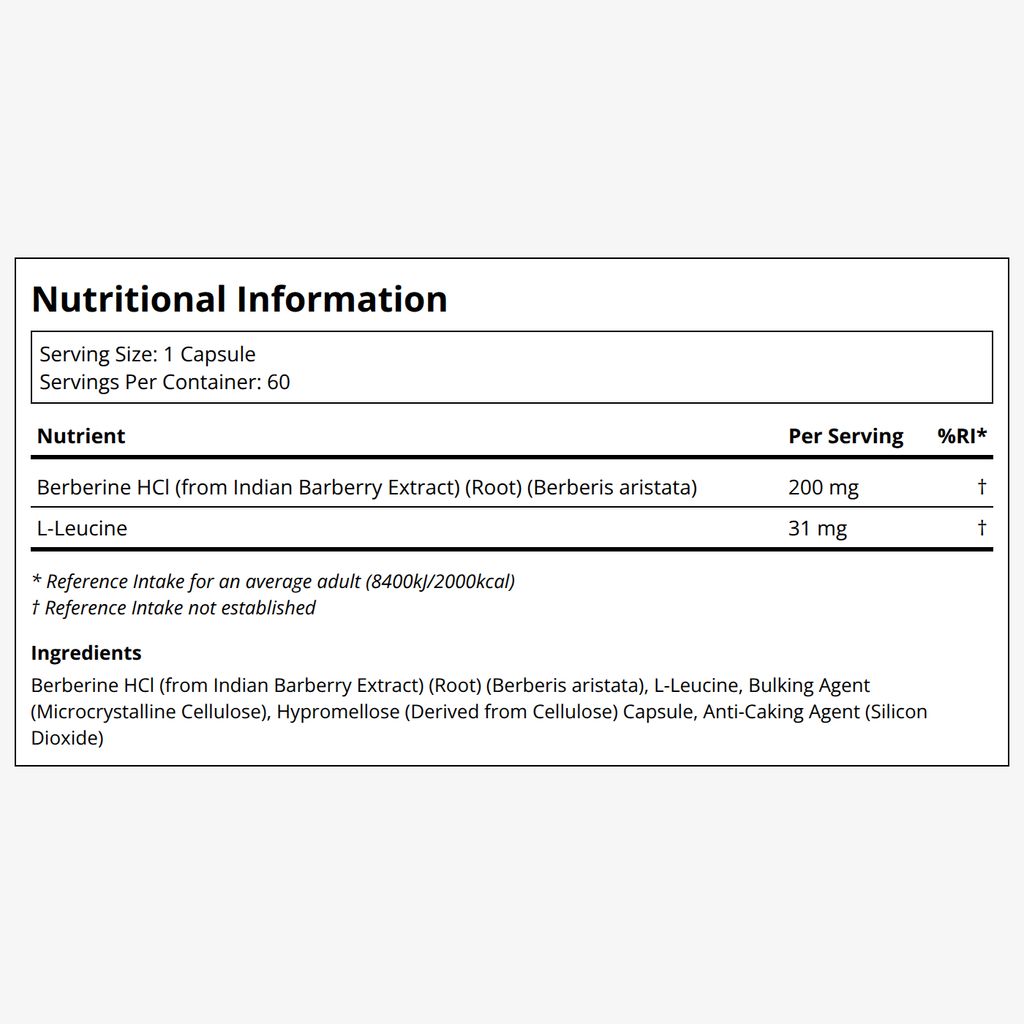
Research typically uses divided doses taken alongside meals, both for blood sugar control and to improve tolerance:
- 500mg doses
- Taken two to three times daily
- With meals
Taking it alongside food is said to improve tolerance and helps reduce post-meal glucose spikes more effectively. Burrows recommends starting more gradually. “Starting low and building up over two to four weeks gives the gut time to adjust,” she says. For many people, beginning with 500mg once daily with the largest meal is a more manageable starting point before increasing further if needed.

Is it safe to take berberine long term?
This is one of the biggest unanswered questions around berberine. Most human studies currently run for roughly eight to 16 weeks, which means long-term safety data is still fairly limited. “There are legitimate questions around sustained effects on the gut microbiome,” says Burrows. “What starts as beneficial may become less so if it’s overused.”
Because of that, berberine may make more sense as a targeted intervention rather than a permanent daily supplement. For many people, that could look like:
- Using it for a defined period
- Tracking blood sugar or lipid markers
- Reassessing after several months
- Taking breaks where appropriate
- Supporting gut health alongside it
The aim is usually to improve a specific metabolic issue, not necessarily to stay on it indefinitely.
Does berberine actually work? The Healf verdict
For blood sugar regulation and insulin resistance, the evidence supporting berberine is convincing enough to justify its growing interest. Research consistently shows improvements across several important metabolic markers, particularly in people already experiencing some degree of metabolic dysfunction. What it probably isn’t is a universal supplement everyone should be taking for “better metabolism.”
The strongest case for berberine exists when there’s a strong clinical picture to support it, whether that’s insulin resistance, elevated blood sugar, PMOS, or metabolic syndrome.
Outside of those situations, the benefits become less certain, while the possibility of side effects and medication interactions still matters. Which brings it back to the most important point: berberine works best when used deliberately, with a genuine reason for taking it, rather than taking it simply because it’s trending.
Your berberine questions, answered
What are the main benefits of berberine?
Berberine is mainly used to support blood sugar regulation, insulin sensitivity and broader metabolic health. Research also suggests benefits for cholesterol, triglycerides, and visceral fat reduction.
Is berberine similar to metformin?
They share several mechanisms, including activation of AMPK and reducing glucose production in the liver. However, berberine is not a direct replacement for metformin and shouldn’t be treated as one without medical guidance.
Can berberine help with weight loss?
Possibly, particularly where insulin resistance is contributing to weight gain or difficulty losing weight. The effects tend to be modest and work best alongside lifestyle changes.
How long does berberine take to work?
Most studies assess outcomes across 8–16 weeks. Some people notice appetite or blood sugar changes earlier, but measurable improvements in biomarkers generally take several weeks.
What are the side effects of berberine?
Digestive symptoms are the most common, including bloating, nausea, cramping and diarrhoea, especially when starting or using higher doses.
Who shouldn’t take berberine?
Pregnant women and anyone taking blood sugar or blood pressure medication should speak to a healthcare professional before using berberine because of potential interactions.




This article is for informational purposes only, even if and regardless of whether it features the advice of physicians and medical practitioners. This article is not, nor is it intended to be, a substitute for professional medical advice, diagnosis, or treatment and should never be relied upon for specific medical advice. The views expressed in this article are the views of the expert and do not necessarily represent the views of Healf
Samantha Nice is a seasoned wellness writer with over a decade of experience crafting content for a diverse range of global brands. A passionate advocate for holistic wellbeing, she brings a particular focus to supplements, women’s health, strength training, and running. Samantha is a proud member of the Healf editorial team, where she merges her love for storytelling with industry insights and science-backed evidence.
An avid WHOOP wearer, keen runner (with a sub 1:30 half marathon) hot yoga enthusiast and regular gym goer, Samantha lives and breathes the wellness lifestyle she writes about. With a solid black book of trusted contacts (including some of the industry’s leading experts) she’s committed to creating accessible, well-informed content that empowers and inspires Healf readers.