






















_2026-10-13_14-11-48.png)


Berberine Benefits: What Can This Supplement Do For You?
While this buzzy supplement might live up to the hype, knowing how it works (and who should skip it) is key.

Written by: Jaime Osnato
Written on: 23 July 2025
Medically Reviewed by: Jared Meacham, PhD, RD, CSCS and Patricia Weiser, PharmD
Curious if berberine could help with blood sugar, weight, or cholesterol? From metabolic support to heart and gut health, berberine benefits span a surprising range of systems. While this buzzy supplement might live up to the hype, knowing how it works (and who should skip it) is key. Let’s break it down.
Berberine benefits are everywhere lately — if your social feed looks anything like mine, you’ve probably seen the buzz. From blood sugar balance to weight loss and cholesterol control, this golden-hued supplement is being hailed as a natural alternative to some pretty serious medicines. It’s even earning a nickname in some corners of the internet: nature’s Ozempic. Intrigued? Same.
But while it might feel like the latest wellness craze, berberine is far from new. This plant-based compound has been used for centuries in Traditional Chinese and Ayurvedic medicine. Now, modern research is catching up, with studies exploring its potential to support metabolic health, manage type 2 diabetes, and even lower blood pressure and triglycerides. And yes — some findings do suggest it may help with weight loss, especially when blood sugar and insulin resistance are part of the picture.
Still, it’s one thing to go viral on TikTok and another to stand up to clinical evidence. So in this article, we’ll dig into what berberine actually does, who it might help, and how to take berberine safely and effectively. Let’s separate the hype from the science and figure out if this ancient remedy deserves a spot in your modern supplement stack.
What is berberine?
Berberine has exploded on social media recently. You’ve probably seen it touted by influencers and medical professionals alike. So, what is berberine, anyway?
Berberine is a natural compound with a bold yellow colour, traditionally used in Ayurvedic and Chinese medicine. It’s found in the roots, stems, and bark of plants like goldthread, barberry, and Oregon grape, and it’s part of a class of plant alkaloids known as isoquinolines.
Okay, but what is berberine used for? The powerhouse supplement is being studied for its wide range of potential health benefits — from lowering cholesterol and regulating blood sugar to supporting weight management. It also boasts anti-inflammatory and antimicrobial properties, which means it may help with everything from gut health to chronic conditions.
Thanks to all that, berberine is now gaining popularity as a natural way to support heart health, manage blood sugar (especially for people with prediabetes or type 2 diabetes), and yes — possibly aid in weight loss.
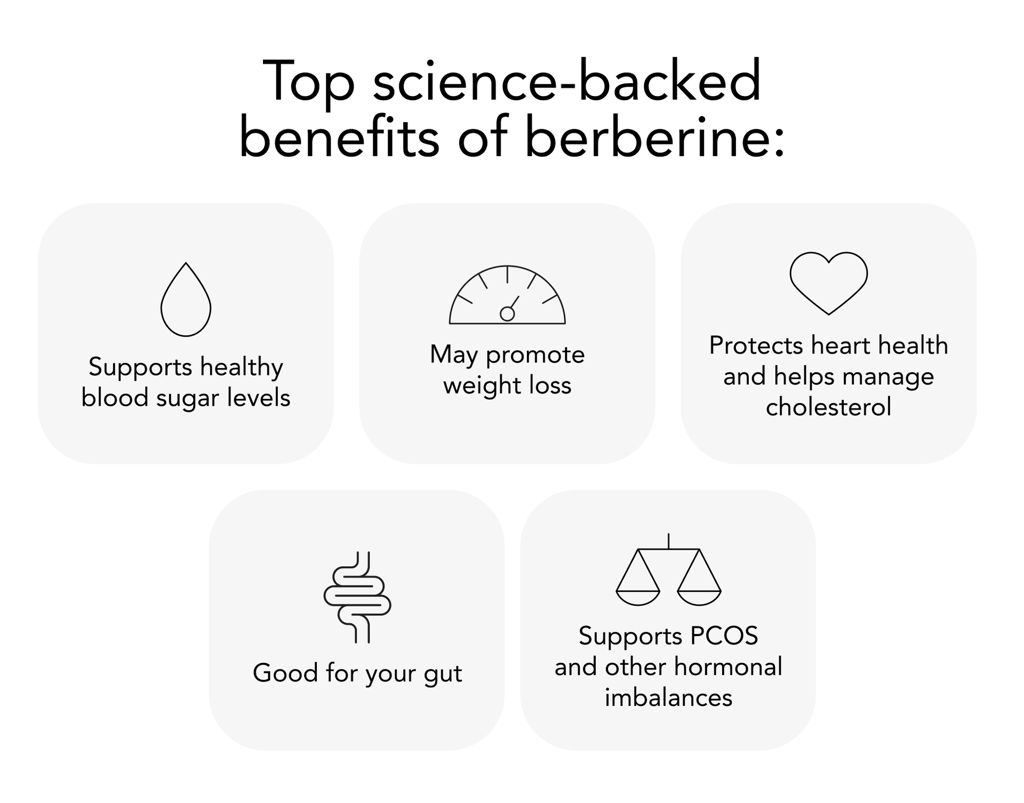
Top science-backed benefits of berberine
Researchers are only beginning to unpack the benefits of berberine. While we’ve likely just scratched the surface, here’s what we know about berberine so far.
1. Supports healthy blood sugar levels
Looking for a natural way to support healthy blood sugar? Berberine might be your new best friend.
Some studies suggest that berberine (which helps regulate glucose and lipid metabolism) works just as well as metformin, a popular prescription drug for type 2 diabetes, says Megan Hallett, mBANT, rCNHC, women's health expert, certified nutritional therapist, and author of The Happy Balance. In other words, berberine can help lower blood sugar, improve insulin sensitivity, and even boost insulin production. Pretty impressive for a plant-based compound.
Bonus: Berberine also has powerful antioxidant and anti-inflammatory properties. That matters because inflammation plays a big role in both the development and progression of diabetes, especially type 2 diabetes. By calming inflammation, berberine may help tackle one of the root causes, not just the symptoms.
That said, no supplement is one-size-fits-all. Everyone’s body responds differently, so what works wonders for one person may not move the needle for another, Hallett says.
2. May promote weight loss
If you’ve heard berberine hyped online as “nature’s Ozempic,” you’re not alone. But let’s break it down realistically.
Berberine may support weight loss by improving fat metabolism. Specifically, it helps suppress certain enzymes involved in fat storage (a process called adipogenesis), which could play a role in reducing insulin resistance — a key player in weight gain and metabolic issues.
A meta-analysis even found that berberine was linked to modest reductions in body weight, BMI, waist circumference, and inflammation markers like CRP. That’s promising, but let’s not get ahead of ourselves.
Despite the buzz, berberine isn’t a magic pill, Hallett says. Some people report a reduction in appetite, which, combined with improved blood sugar control, might support weight loss. But taking berberine without also addressing your diet, exercise routine, and stress? That’s not going to cut it, she says.
And no, berberine doesn’t work like Ozempic or other GLP-1 medications. Those drugs slow down digestion, increase satiety, and reduce appetite. Berberine doesn’t have the same mechanisms, so it’s unlikely to deliver comparable results.
Another catch: The research we have so far is limited. Most studies on berberine and weight loss include participants with health issues like diabetes or fatty liver disease, and the dosages and formulations vary widely. That makes it tough to draw solid conclusions.
Bottom line? Berberine may be helpful as part of a broader weight loss plan, but it’s not a shortcut, and we need more high-quality studies to know how effective it really is.
3. Protects heart health and helps manage cholesterol
Berberine might be a win for your heart, too. Here's how it may support cardiovascular health:
- Lowers LDL (“bad”) cholesterol and triglycerides: Multiple studies show that berberine can help lower these blood fats, which contribute to plaque buildup in the arteries (atherosclerosis), increasing the risk of heart disease, heart attacks, and strokes.
- Offers a potential alternative to statins: Some research has found that berberine can work alongside statins (the go-to prescription drugs for lowering high cholesterol) to improve their effectiveness, reduce required doses, or minimise unwanted effects, especially helpful for people with statin intolerance or anyone concerned about starting them.
- Supports blood vessels: Clinical data suggests it helps prevent endothelial dysfunction — an early step in the development of atherosclerosis (aka hardening of the arteries). Keeping those vessel walls healthy is key for healthy circulation and preventing bigger heart problems down the line.
- May help lower blood pressure: Some evidence shows that berberine, when paired with certain blood pressure medications, can help reduce blood pressure more effectively than the medicine alone — promising news for people managing hypertension, another significant risk factor for heart disease.
Check with your GP first, as berberine interactions with heart and blood pressure medications can affect how these treatments work or increase side effects.
4. Good for your gut
Berberine doesn’t just pass through your gut—it actually works with your gut microbiome in pretty fascinating ways.
Research shows berberine can shift the balance of bacteria in your gut and influence how your microbiome functions overall. In turn, your gut bacteria help transform berberine into active compounds, which may directly affect inflammation and disease processes.
It’s a powerful feedback loop: Thanks to its antimicrobial effects, berberine helps regulate your gut microbes, and your microbes help activate berberine. This relationship may impact everything from digestion to how well your gut barrier holds up under stress.
Studies also suggest berberine supports gut health by:
- Strengthening the intestinal lining (aka your mucosal barrier)
- Reducing inflammation and gut sensitivity
- Encouraging the growth of beneficial bacteria, like SCFA (short-chain fatty acid) producers
- Decreasing pathogenic bacteria thanks to its antimicrobial properties
Translation: Berberine may help keep your digestive system balanced, less inflamed, and more resilient, which could benefit everything from IBS symptoms to overall metabolic health.
5. Supports PCOS and other hormonal imbalances
Hormones out of whack? Berberine might be a useful tool for helping manage polycystic ovary syndrome (PCOS) and smoothing out the hormonal chaos of perimenopause.
PCOS is a common hormonal disorder that can feel like a tangled mess of symptoms: irregular periods, infertility, stubborn weight gain, acne, excess hair growth, and more. At the root of it? Often, insulin resistance, a condition that muddles with your body’s ability to process glucose, increasing your risk for type 2 diabetes.
Since around 50–75% of people with PCOS have some degree of insulin resistance, insulin-sensitising treatments like berberine may offer support. Some research shows that berberine may improve insulin sensitivity, lower fasting glucose and insulin levels, reduce testosterone, and even boost ovulation and live birth rates, making it a potential treatment for managing PCOS.
Berberine might also give you relief during the hormonal rollercoaster of perimenopause. These transitional years leading up to menopause can bring a flood of symptoms thanks to a dramatic drop in oestrogen levels: hot flushes, mood swings, fatigue, joint pain, brain fog … the list goes on.
Emerging research suggests that berberine might help ease some of these symptoms. It’s been shown to reduce insulin resistance, lower LDL cholesterol and triglycerides, and may even improve mood, all without the potential risks that come with hormone replacement therapy for certain groups.
That said, berberine is not a magic bullet, and its exact hormonal effects still aren’t fully understood. Science is still catching up, and we need more high-quality, well-designed studies to fully understand how it works and who it works best for.
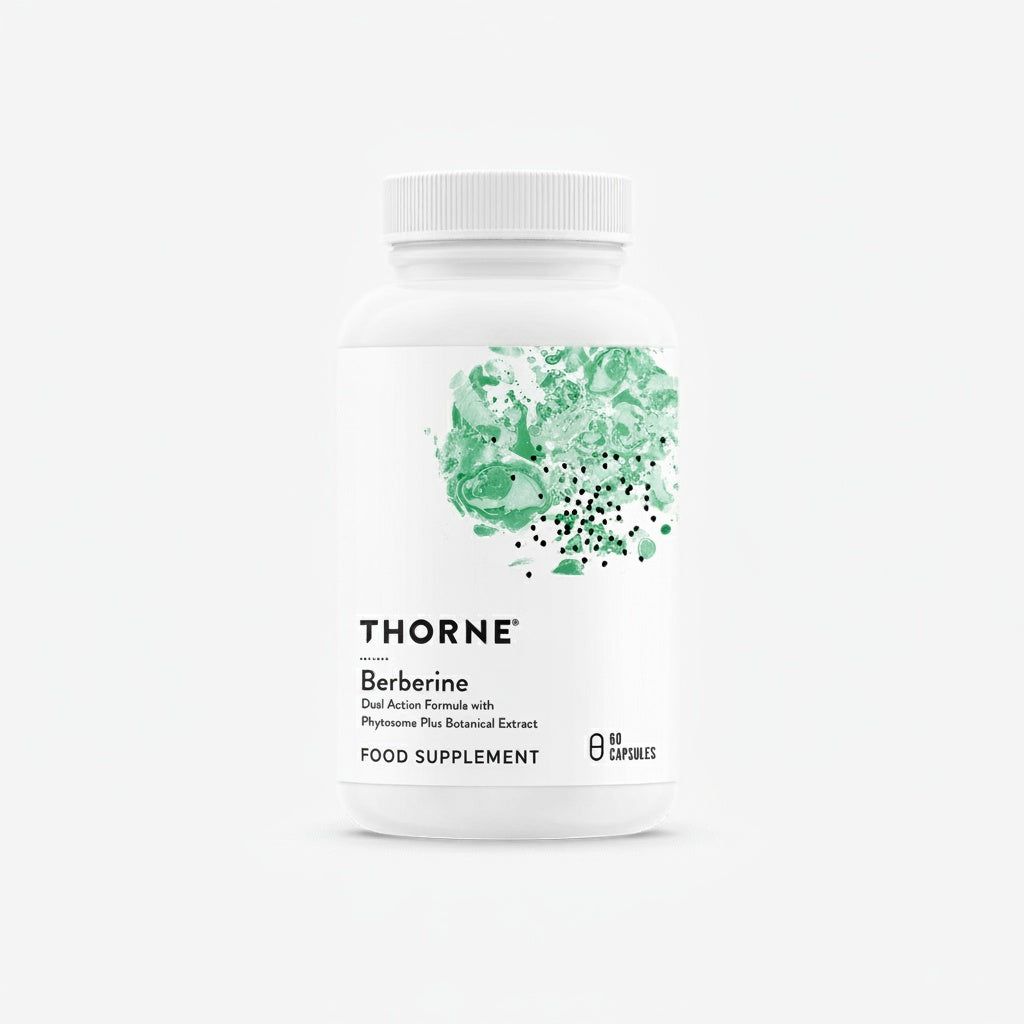
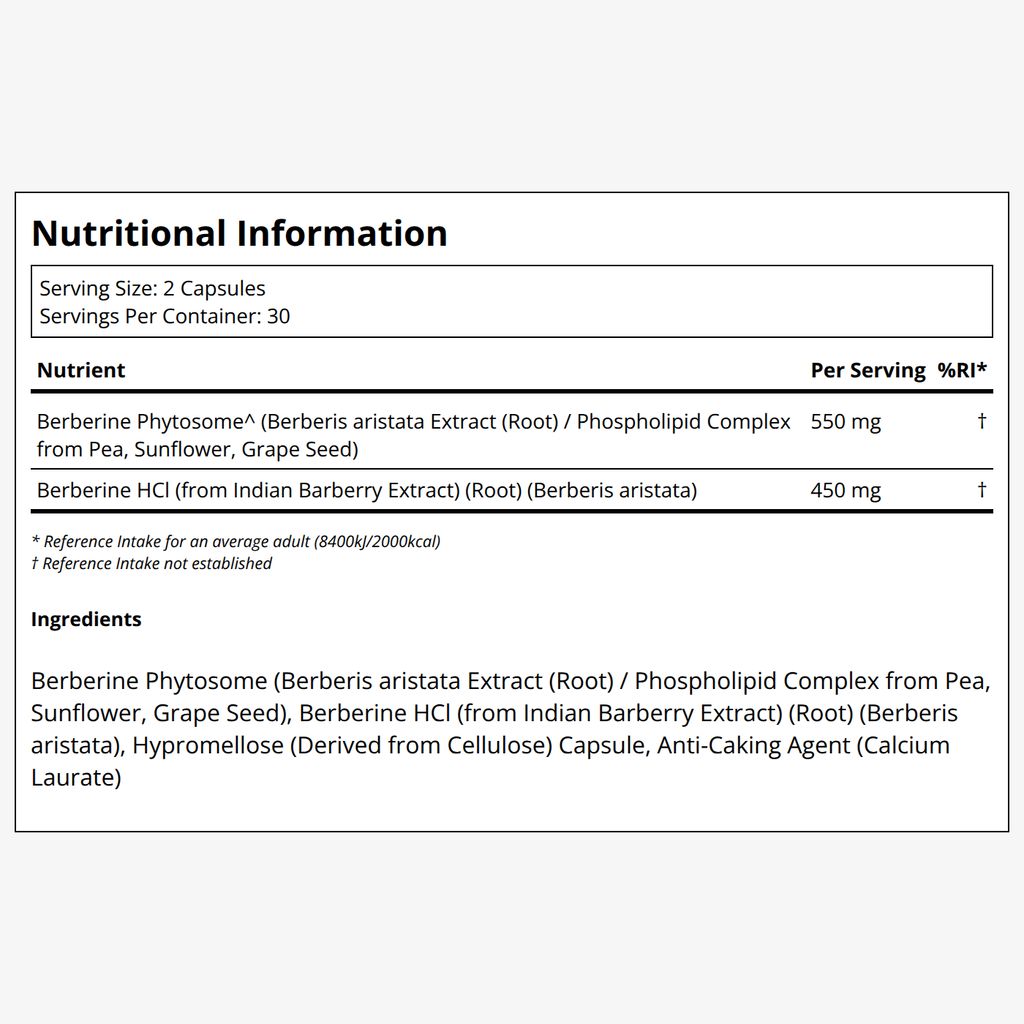

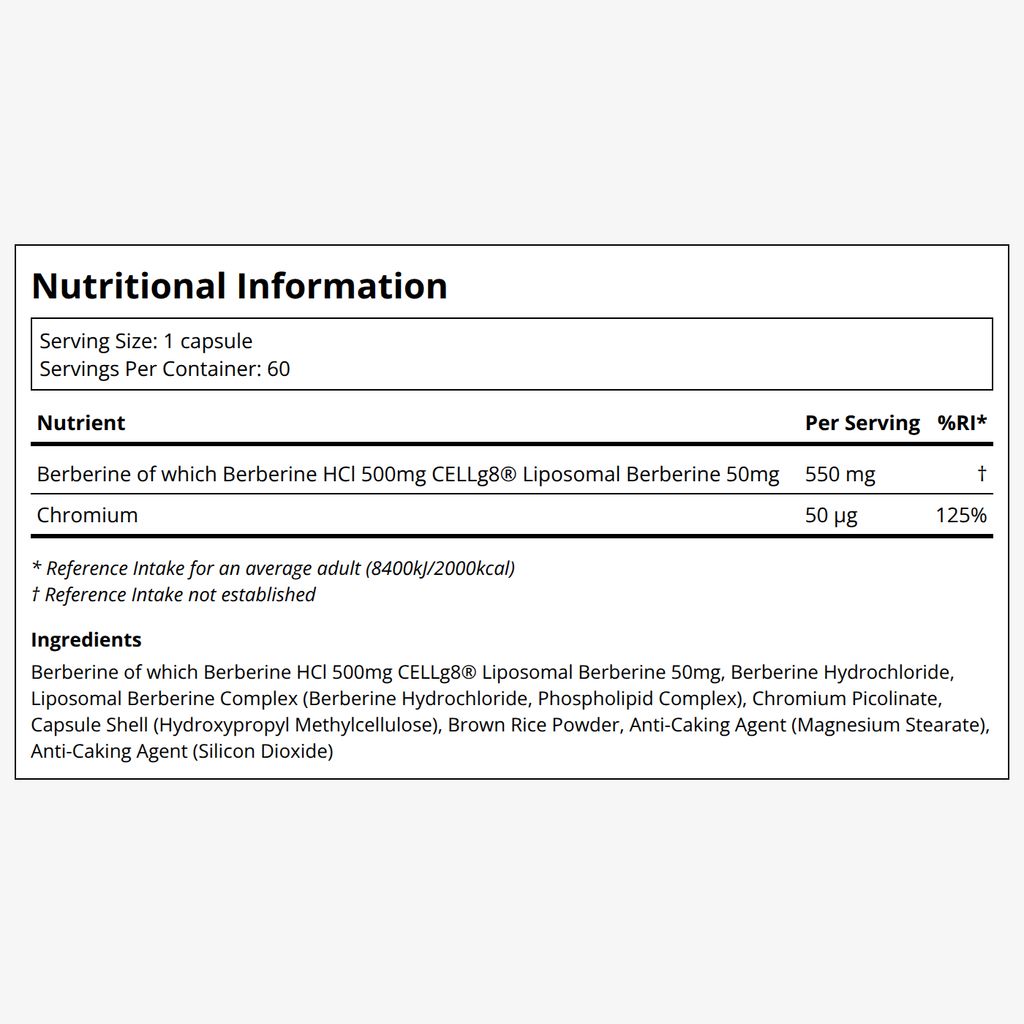
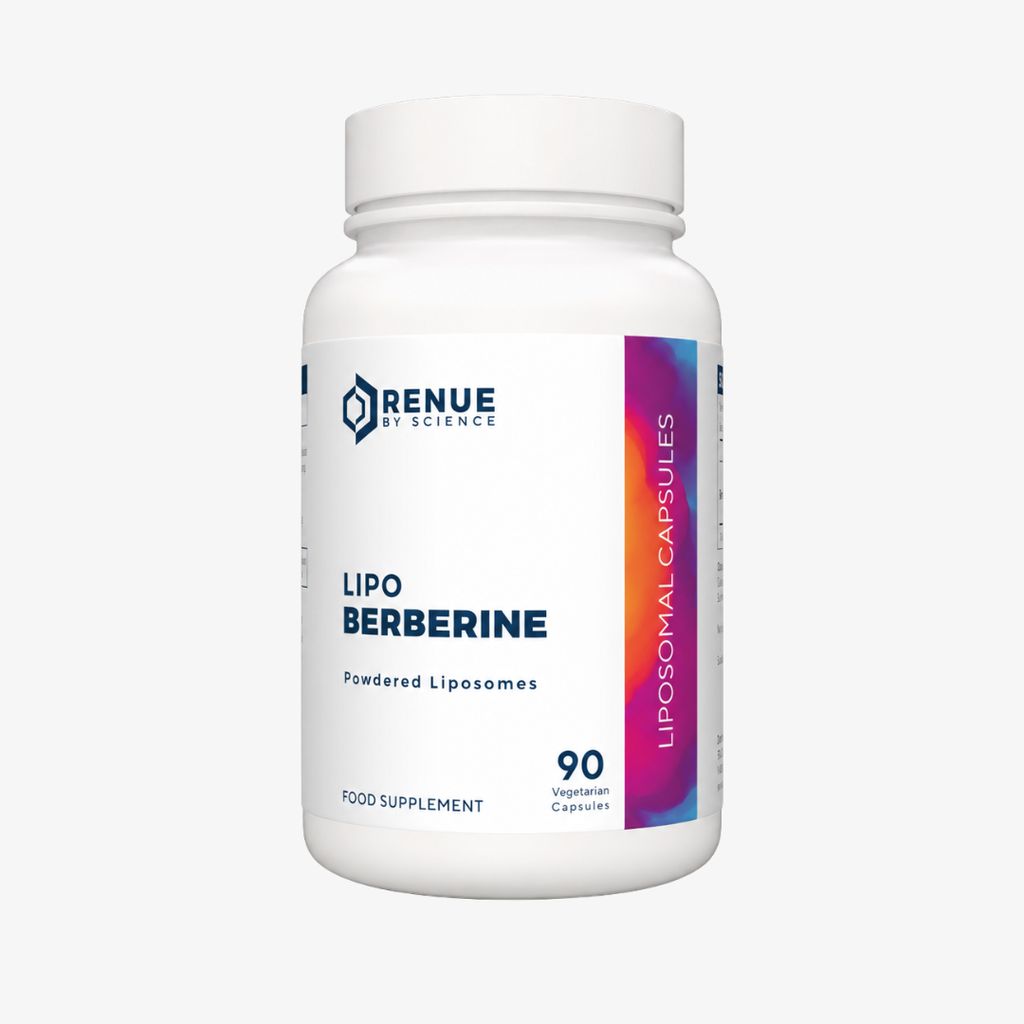
How to take berberine: dosage and timing
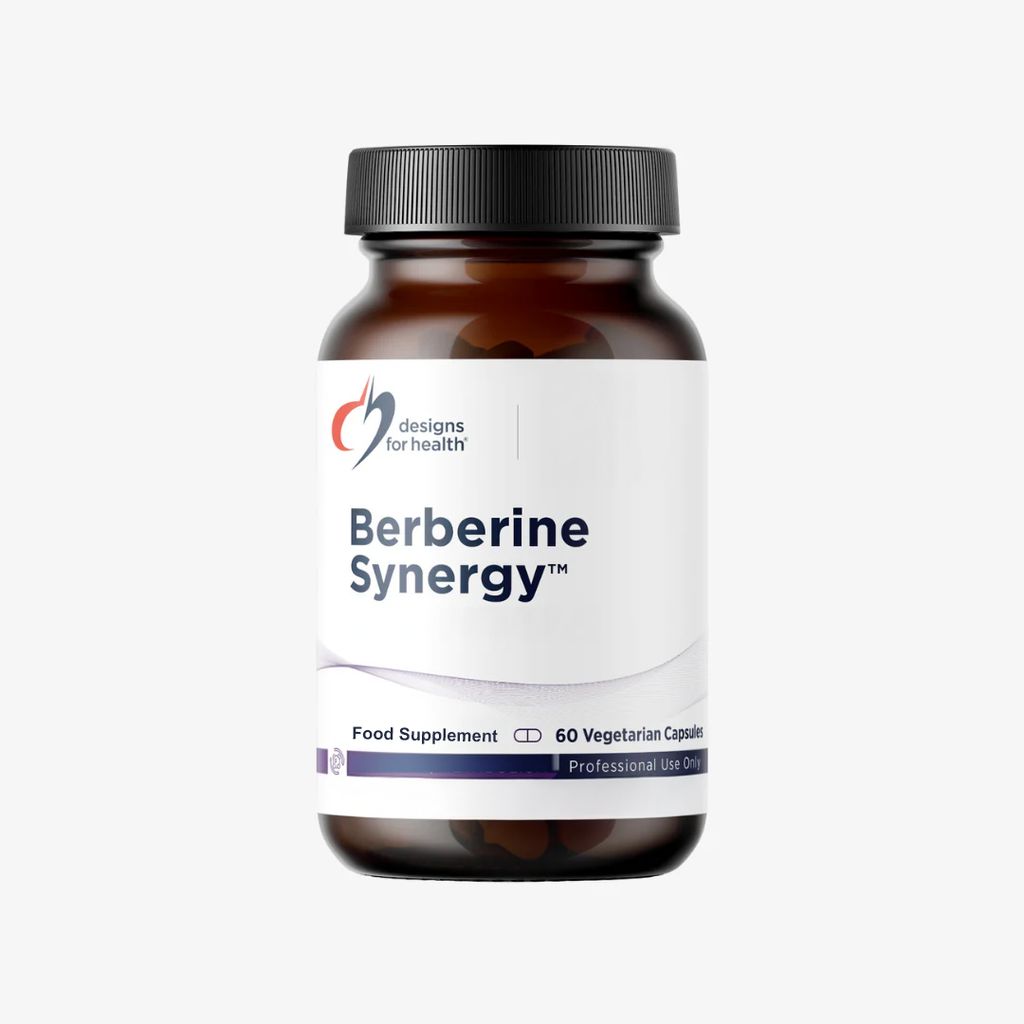
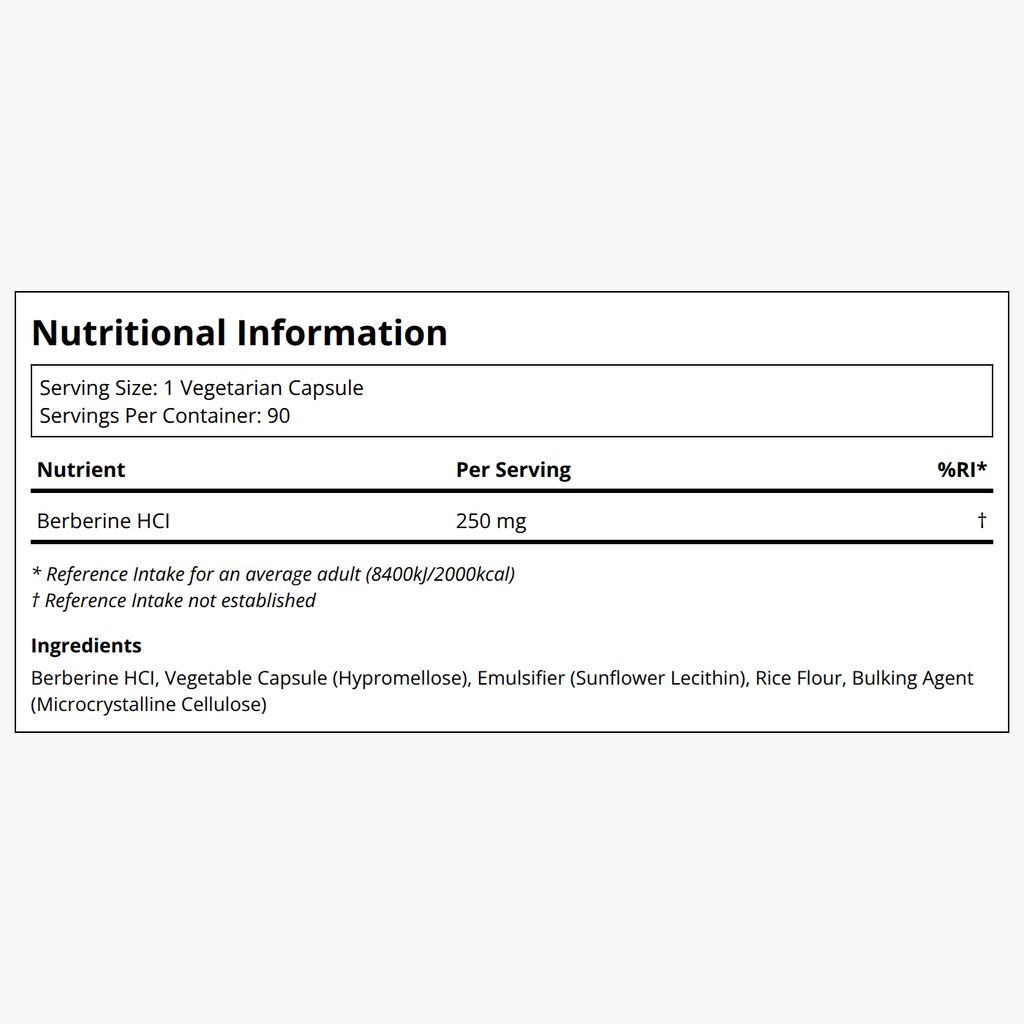
Berberine doesn’t come with a one-size-fits-all dose, but there are some general guidelines to follow. Most people take up to 1,500 mg per day, split into 2–3 smaller doses of 300–500 mg each. Why? Berberine has a short half-life (just a few hours), so spreading out the doses keeps it working throughout the day, Hallett says.
Start low and slow — especially if it’s your first time. Begin at the lower end of the dosing range to see how your body handles it, then increase gradually if needed.
Wondering when to take berberine? To reduce digestive side effects (like gas or cramping), take it with meals or right before, Hallett says.
Berberine’s effects don’t happen immediately. Consistency is key. Most benefits build up over weeks or months. Some people also choose to “cycle” it, using berberine for 8–12 weeks, followed by a break, to help protect gut health and prevent microbiome disruption, Hallett explains.
When should you take berberine?
The best time to take berberine is with meals — ideally breakfast, lunch, and dinner. This not only supports blood sugar control but also helps avoid potential tummy upsets.
Heads-up if you take probiotics: Because berberine has antimicrobial properties, it might interfere with probiotic supplements by reducing their effectiveness, Hallett says. Try spacing them out by a few hours so both can do their job.
Possible side effects and precautions
For the most part, berberine is well-tolerated, but it can come with some mild digestive symptoms. Common ones include:
- Loss of appetite
- Nausea
- Gas
- Diarrhoea or constipation
- Cramps or stomach discomfort
These issues are usually dose-related: starting low and taking it with food often helps minimise them, Hallett says.
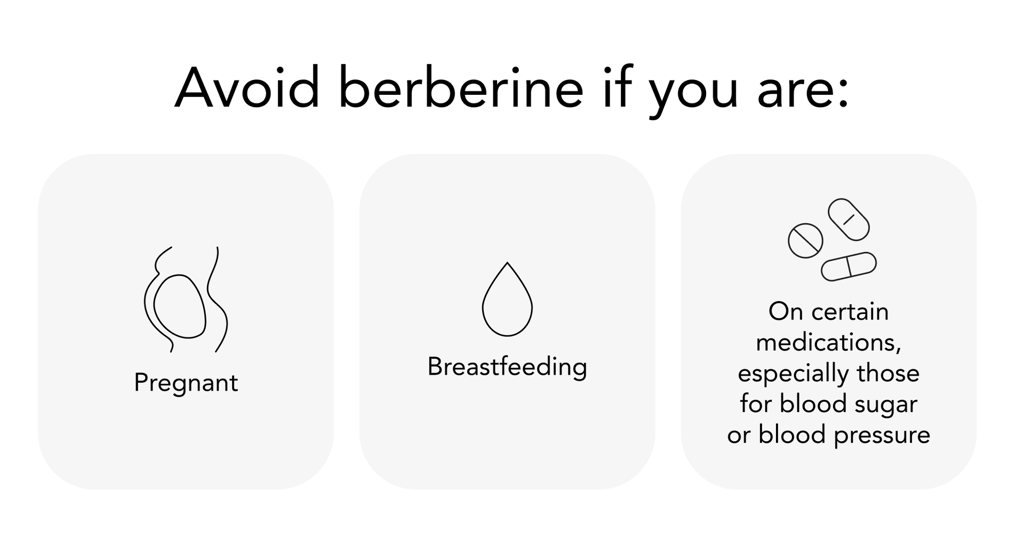
While berberine can be helpful, it’s not safe for everyone. Here’s who should skip it:
- Pregnant people: Berberine crosses the placenta and may harm the foetus, possibly causing a rare brain condition called kernicterus. It’s also been linked to uterine contractions.
- Breastfeeding parents: It can pass into breast milk and potentially harm the baby’s brain.
- Children: Especially newborns, as berberine may increase the risk of kernicterus. There’s not enough data on older kids to say it’s safe.
- People on certain medications: Berberine can interact with both prescription medicines and herbal supplements (especially those for blood sugar or blood pressure). Always check with a healthcare professional before adding any supplement to your daily routine.
Also worth noting: if you have gut issues, use berberine with caution. Though its antimicrobial effects can be helpful, it can also disrupt the balance of your gut microbiota if used too long. If you have a fragile microbiome or conditions like SIBO (small intestinal bacterial overgrowth), use only under medical guidance, Hallett says.
Who can benefit most from berberine?
Berberine isn’t a cure-all, but for the right person, it can be a powerful tool. Here's who might get the most out of it, according to Hallett:
- Anyone trying to manage blood sugar: There’s solid research showing that berberine can lower fasting glucose, HbA1c, and post-meal blood sugar. That makes it especially helpful for people with type 2 diabetes or insulin resistance.
- People with PCOS: Some studies suggest berberine can improve insulin sensitivity, regulate menstrual cycles, and reduce androgen levels — similar to the effects of Metformin, but without a prescription.
- Those focused on weight and metabolic health: While it’s not “nature’s Ozempic,” berberine may support modest weight loss by helping lower LDL (bad cholesterol), triglycerides, and inflammation, and even slightly increase HDL (good cholesterol).
- Anyone looking to improve gut health: Thanks to its antimicrobial properties, berberine may help balance the gut microbiome. But a word of caution — if your gut is sensitive or you have issues like SIBO, it’s best to use it under medical supervision.
When to speak with a healthcare provider
Thinking about giving berberine a try? Great, but don’t go it alone. This compound can interact with a number of medicines and supplements, especially those for blood sugar or blood pressure.
Always check in with a qualified healthcare professional first, especially if you have existing health conditions or take other meds. They can help you decide if berberine is a good fit, guide your dosage, and monitor for side effects. It’s a small step that makes a big difference in getting the benefits safely.
The bottom line
Berberine isn’t just another wellness craze — it has real potential to support blood sugar, weight, cholesterol, and even hormonal health. If you’re considering it, talk to a healthcare professional first to make sure it’s a good fit for your body and any medicines you’re taking. Used wisely, this ancient remedy could be a powerful part of your health routine.
Key takeaways
- Berberine may help regulate blood sugar and improve insulin sensitivity, with effects similar to diabetes medicines like metformin.
- It could support weight loss by improving fat metabolism and reducing waist circumference, but it’s no magic pill.
- Berberine shows promise for heart health, potentially lowering LDL cholesterol, triglycerides, and blood pressure.
- It may benefit gut health and balance the microbiome, though long-term use should be monitored to avoid disrupting good bacteria.
- Some people should avoid berberine, including those who are pregnant, breastfeeding, on certain medicines, or have gut sensitivities.
- Consistent use is key, but cycling (e.g. 8–12 weeks on, then a break) may help protect gut health—always talk to a healthcare professional before starting.
FAQS
What are the main benefits of berberine?
Early research shows some promising benefits of berberine, including:
- Improved insulin sensitivity
- Reduced blood sugar
- Better fat metabolism
- Less fat storage
- Lower LDL (“bad”) cholesterol
- Help balancing gut bacteria
- Reduced inflammation
- Hormonal support
Does berberine reduce belly fat?
Berberine doesn’t precisely target belly fat—but it can still be part of your weight loss toolkit. Berberine may reduce overall body fat, waist circumference, and inflammation markers like CRP. But no supplement (nor exercise plan, for that matter) can target just belly fat. To see real results, you still need to pair it with solid nutrition, exercise, and stress management.
Who should avoid berberine?
Berberine isn’t for everyone—and that’s important to know. While it’s generally well-tolerated, some people should steer clear, including pregnant people, people who are breastfeeding, children, and people on certain medications for blood sugar and blood pressure.
What happens if I take berberine every day?
If you're hoping to improve blood sugar, cholesterol, weight, or digestion, taking berberine daily could be worth exploring. Just know: the benefits build over time—it often takes weeks or even months to see results. Talk to your doctor before starting berberine. It’s powerful, but not risk-free—and the safest gains come with expert guidance.


This article is for informational purposes only, even if and regardless of whether it features the advice of physicians and medical practitioners. This article is not, nor is it intended to be, a substitute for professional medical advice, diagnosis, or treatment and should never be relied upon for specific medical advice. The views expressed in this article are the views of the expert and do not necessarily represent the views of Healf
Jaime Osnato is a health journalist and licensed social worker based in NYC. With over a decade of experience writing for top digital health and wellness outlets like Well+Good, SELF, Shape, FitPregnancy, [LIVESTRONG.com](https://www.livestrong.com), and more. Jaime brings insight and integrity to every story.
Living with chronic conditions herself, Jaime believes health information should be clear and understandable - no medical degree required. She's fuelled by a mission to transform complex science into clear, usable guidance. Her goal? To arm readers with trustworthy, evidence-backed knowledge, so they can confidently advocate for their own health.