














































_2026-10-13_14-11-48.png)


Best Omega-3 Supplements: What To Look For And Why It Matters
Wondering which is the best on the market? Read on and discover what to actually look for and why quality really does matter.

Written by: Dahlia Rimmon
Written on: 18 February 2026
Omega-3s are essential for overall health and are commonly found in seafood and algae. Fortunately, if you’re not a fan of either, supplements can help fill the gaps. However, not all omega-3 supplements are created equal and some are better than others. Wondering what is the best omega-3 supplement on the market? Read on and discover what to look for when choosing a supplement and why quality truly matters.
Whether you’re up to date with the latest biohacks or just dipping your toes in the wellbeing world, chances are you’ve come across omega-3 fatty acids. These essential fats are important for important functions across the body, including brain, heart, and eye health, and they also serve as building blocks of every cell membrane. Simply put, omega-3s are important for overall health, and the good news is they’re found in both animal and plant-based foods, as well as in supplement form.
While omega-3 supplements offer a convenient way to boost your intake, they’re not all equally effective. So, how do you choose the right one? In this article, we’ll explore the science behind omega-3s, what to look for when shopping, and share expert-approved picks to help you find the best omega-3 to support your wellbeing goals.
What are omega-3s and why are they important?
Omega-3 fatty acids belong to the polyunsaturated fat family and are often called “healthy fats” thanks to their wide range of health benefits.
There are three main types of omega-3 fatty acids:
Docosahexaenoic acid (DHA): Found in fatty fish, microalgae, and other seafood.
Eicosapentaenoic acid (EPA): Found in fatty fish, microalgae and other seafood.
Alpha-linolenic acid (ALA): Found in flaxseeds, chia seeds, walnuts, soybean oil, and canola oil.
DHA and EPA are long-chain omega-3s, meaning they have a longer molecular structure and are more easily utilised by the body. They’re considered essential because the body can’t produce them on its own and they must be obtained through diet or supplements.
ALA is a short-chain omega-3 (shorter molecular structure), and while the body can convert ALA into EPA and DHA, this conversion is limited and inefficient, with only a small percentage converted into the active form your body needs. For this reason, relying solely on ALA may not provide enough EPA and DHA for optimal health. To ensure you’re getting enough, include omega-3-rich foods or consider a high-quality supplement.
Fatty fish are the best dietary sources of omega-3s. Cold-water fatty fish, like salmon, mackerel, and sardines, have significantly higher omega-3 content compared to leaner fish like cod, tilapia, or bass. Interestingly, fatty fish don’t produce omega-3s themselves. Instead, they accumulate them in their tissues by eating microalgae, which are the original producers of omega-3s in the marine food chain.
The National Health Service (NHS) recommends eating two servings (about 140 grams per serving, or 3 ounces) of fish per week, including one serving of fatty fish.
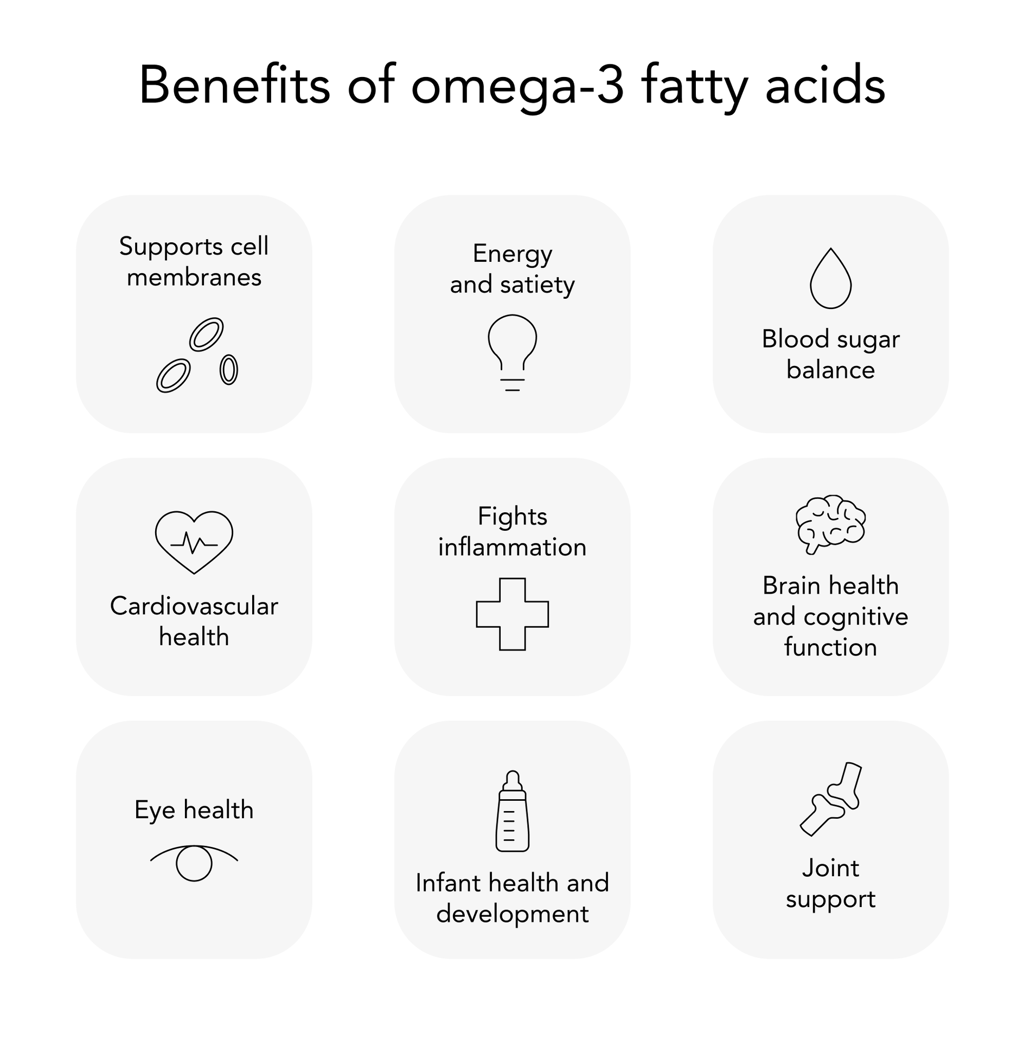
Benefits of omega-3 fatty acids
Omega-3s power many of the body’s systems. Let’s get specific:
Cell membrane structure: Omega-3s are vital structural components of phospholipids, the molecules that form cell membranes. Phospholipids provide a protective barrier for each cell, regulate what enters and exits, and help maintain cell integrity. DHA, in particular, is highly concentrated in the phospholipids of the retina, brain, and sperm cells.
Energy and satiety: While carbohydrates are typically our body's primary source of energy, fats (including omega-3s), serve as an alternative energy source when carbohydrates are depleted, like during prolonged or intense exercise or fasting. Compared to carbohydrates, fats are digested at a slower rate, which promotes fullness and sustained energy.
Blood sugar balance: Since fats are digested slowly, they help regulate the absorption of carbohydrates when eaten together. This slowed digestion can lead to a more gradual rise in blood sugar levels and curb drastic crashes.
Cardiovascular health: Omega-3 fatty acids support heart health in several ways. They can help lower triglyceride levels, a type of fat found in your blood. When triglyceride levels are elevated, it can increase risk of stroke and heart attack. Omega-3s are associated with reduced risk of irregular heartbeat (arrhythmia), slow the buildup of plaque in the arteries, lower blood pressure, and raise HDL cholesterol (the “good” cholesterol).
Anti-inflammatory: Omega-3 fatty acids may help reduce inflammation in the body. “While the exact anti-inflammatory mechanisms of omega-3 fatty acids are not yet completely understood, research shows us that omega-3s reduce inflammation by producing factors that stop or slow down the inflammation pathways,” says Amanda King, ND, Registered Nutritional Therapist and Naturopathic Practitioner in Integrative Oncology. “They also produce substances called resolvins which quench the fire of inflammation after it has been triggered.” Resolvins are molecules derived from omega-3 fatty acids that play a key role in returning inflamed tissues to a balanced state.
Brain health and cognitive function: “ Omega 3s support brain health and cognitive function by slowing down the damage caused to neurons (nerve cells) by inflammatory [molecules],” says King. “Put simply, omega 3 fats protect our brain cells from destruction by inflammation.” Research suggests that dietary and supplemental omega-3s may protect against cognitive decline in healthy individuals without preexisting Alzheimer’s disease (AD) or dementia. However, no cognitive benefits were observed in individuals already diagnosed with AD.
Eye health: Research on the relationship between omega-3s and eye health is limited, but the findings are promising. Omega-3s are essential for forming healthy cell membranes and are highly concentrated in the retina, which explains their importance for vision. In fact, high dietary intake of omega-3s has been linked to a lower risk of developing age-related macular degeneration (AMD), an eye disease that causes vision loss in older adults.
Infant health and development: Omega-3 fatty acids, especially DHA, are essential during pregnancy and breastfeeding for healthy growth and cognitive development of the child. The NHS recommends that women who are pregnant, breastfeeding, or trying to conceive consume at least one serving of fatty fish per week, but no more than two. This upper limit exists because fatty fish can contain environmental pollutants, particularly mercury, which may be harmful to the developing brain and nervous system. Due to high mercury levels, limit or avoid eating tuna. Safer, low-mercury options include anchovies, cod, salmon, sardines, tilapia, and whitefish.
Joint support: Research suggests that omega-3s from animal-based sources (like fish oil) may be more beneficial than plant-based sources for easing symptoms of rheumatoid arthritis.
While some studies have shown clear benefits, there is not enough high-quality evidence to confirm the benefits of omega-3 fatty acids for the following conditions:
Omega-3 deficiency: Are you getting enough?
The NHS recommends eating two servings (about 140g per serving) of fish per week, including one serving of fatty fish. While it’s best to get omega-3s from whole foods (like fish), it’s not realistic for everyone.
“In an ideal world, the answer would always be yes—nutrients from food are hands down the most bioavailable, and nature packages nutrients with the right cofactors needed for optimal absorption,” says King. If you follow a vegetarian or vegan diet, have dietary restrictions or food allergies, or don’t enjoy eating fish, an omega-3 supplement can be a practical way to fill in the nutritional gaps.
Research on whether omega-3 supplements provide the same health benefits as eating omega-3-rich foods remains inconclusive. Therefore, the National Institute for Health and Care Excellence (NICE) guidelines doesn’t broadly recommend omega-3 supplements for the general population or to prevent heart and circulatory diseases. This doesn’t mean those who already take omega-3 fish oil need to stop, especially if you have a limited diet or don’t eat fish.
In general, if you choose to take an omega-3 supplement, aim for around 450 mg of EPA and DHA per day—roughly the same amount found in the recommended intake of fatty fish.
Even though true omega-3 deficiency is rare, your body might still be sending subtle signs that your intake is low. Possible symptoms of an essential fatty acid deficiency may include:
Rough, scaly skin
Red, swollen, or itchy rash
Dermatitis (inflammation of the skin)
Hair loss (alopecia)
Liver problems
Higher likelihood of getting infections
What is the best omega-3 supplement on the market?
If you’ve decided to add an omega-3 supplement to your routine, here are some key factors to consider when choosing one:
Third-party testing: In the UK, omega-3 supplements are not overseen by a central regulatory authority. This makes it especially important to ensure that the products you purchase are safe, pure, and high quality. Reputable brands, like those we stock at Healf, go beyond legal requirements by using independent third-party agencies to test their products for quality and purity. Third-party testing verifies what’s on the label is actually in the bottle and manufactured according to rigorous safety standards. Some examples of third-party certifications in the US include: NSF, USP, and International Fish Oil Standards (Nutrasource).
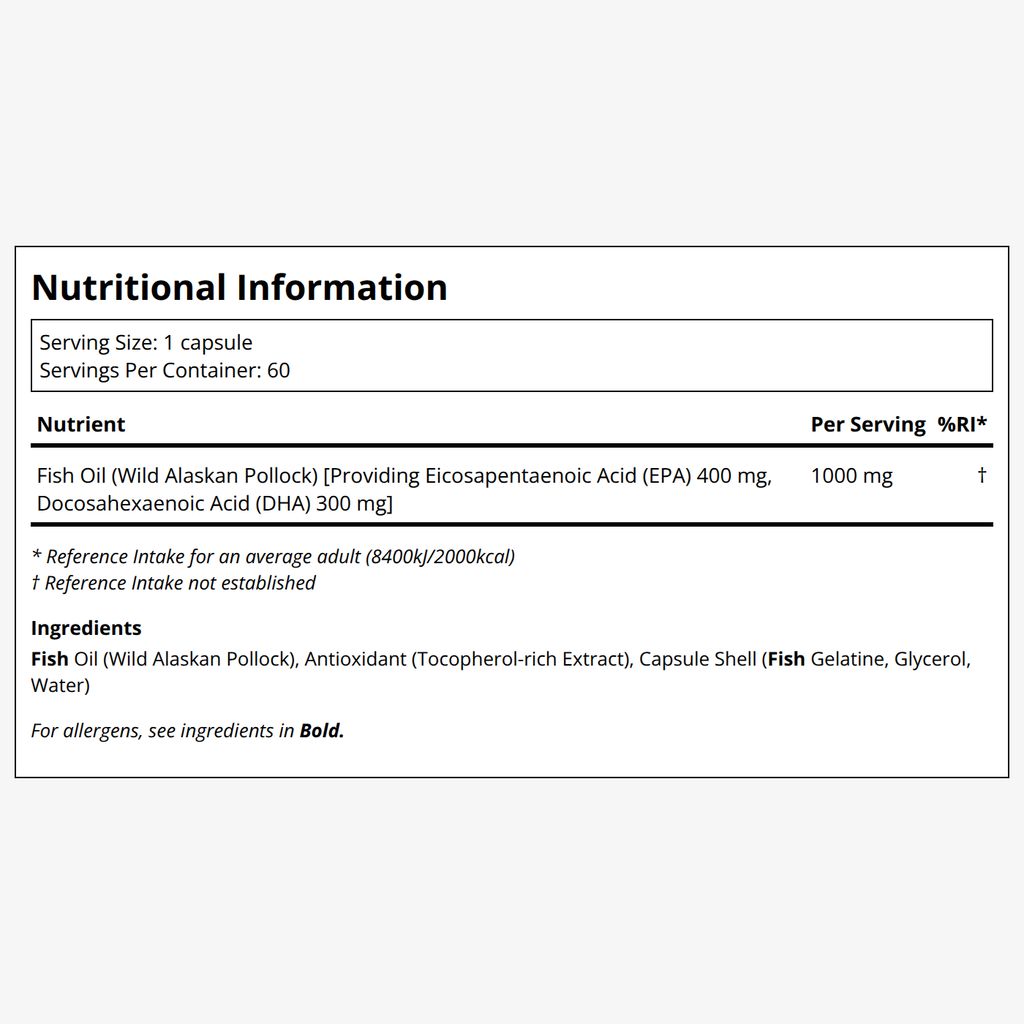
Dose: Choose a supplement with a total of 450 mg of EPA and DHA per dose, roughly equivalent to the amount found in a recommended serving of fatty fish, unless your healthcare provider recommends a higher dosage. Ensure the label specifies the exact EPA and DHA content, not just “fish oil,” as fish oil alone doesn’t guarantee omega-3s are included. According to Sam Brown, DipCNM, mBANT, CNHC, registered nutritional therapist specialising in gastrointestinal and metabolic health, higher doses should only be taken under the supervision of a healthcare professional and tailored to an individual’s health condition or status. “In relation to cardiovascular disease, omega-3 supplementation is linked with a lower risk of total CVD, with clinical trials typically using doses around 850 to 1000 mg daily,” she explains. For pregnancy or autoimmune conditions such as Crohn’s disease, higher doses may be appropriate, but only under professional guidance.
Capsules vs. liquid oils: You can purchase omega-3s in capsule or liquid form. Liquid supplements may have a faster absorption rate and often contain higher doses of EPA/DHA per serving. However, capsules remain a highly effective and convenient choice for most people. If you have gut absorption issues, the form of supplement you take may impact how well your body absorbs the nutrients. In such cases, consulting a healthcare professional can help determine the most effective option for your needs.
Pill size: Omega-3 capsules are typically large in size and can be difficult to swallow. If you find large pills uncomfortable, look for supplements that divide the dose into smaller, softgel capsules or consider a liquid supplement instead.
Absorption form: Omega-3 supplements provide fatty acids in various forms, including, triglycerides, ethyl esters, re-esterified triglycerides, and phospholipids. Omega-3s in phospholipid and triglyceride forms are generally better absorbed.
Sustainability: Certain supplement manufacturers prioritise sustainable fishing practices to help protect ocean ecosystems and preserve seafood supplies for the future. If sustainability is important to you, look for products certified by the Marine Stewardship Council (MSC) or other trusted regulatory organisations.
Taste and odour: Omega-3s made from fish oil often have a distinctly fishy taste and smell. To counter this, many brands add natural flavourings like citrus or mint. If you're particularly sensitive to the odour or aftertaste, flavoured omega-3s may be a better option, as they tend to be less pungent. When it comes to taste, capsules generally have little to no flavour, while liquid forms can have a stronger taste. “[Modern] manufacturing processes remove unpleasant flavours, and many products are lightly flavoured with oils such as sweet orange,” says Brown. Regardless of the form, Brown recommends taking omega-3 supplements before a meal. The weight of the food can help minimise the chance of an unpleasant aftertaste as the stomach empties.
Types of omega-3 supplements explained
Omega-3 supplements are available in various forms, primarily derived from seafood, though plant-based options are also available. Here's a breakdown of the most common types:
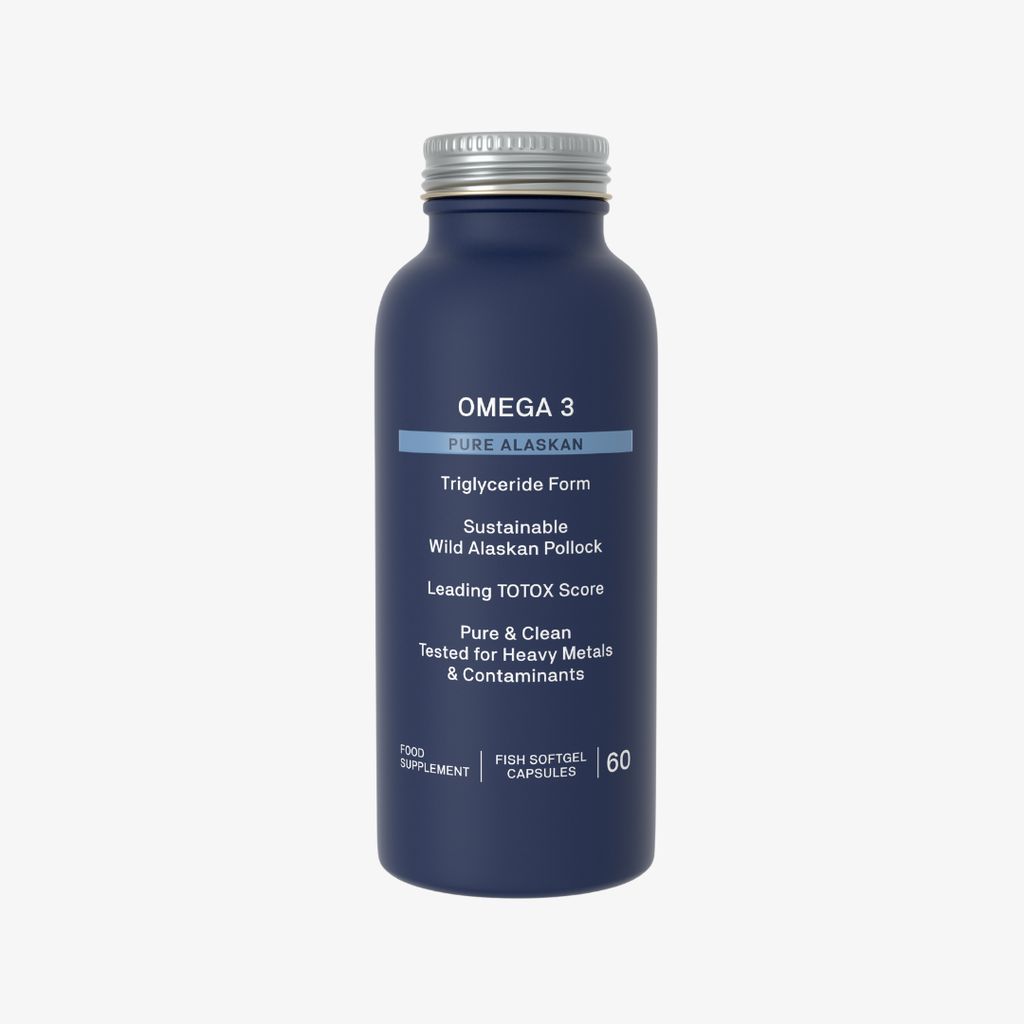
Omega-3 Fish oil: The most widely available omega-3 supplements are made from fish oil, typically sourced from oily fish like salmon, anchovies, or sardines. Interestingly, there’s a difference between wild-caught and farmed fish. “Farmed fish generally have higher overall fat content, which means higher total omega-3s. However, the proportion of EPA and DHA tends to be lower compared to wild-caught fish,” explains Brown. Wild-caught fish have less fat overall but a higher concentration of EPA and DHA. Wild-caught fish is more expensive, so if your budget allows, it’s a great choice. That said, including farmed salmon in your diet also provides significant benefits.
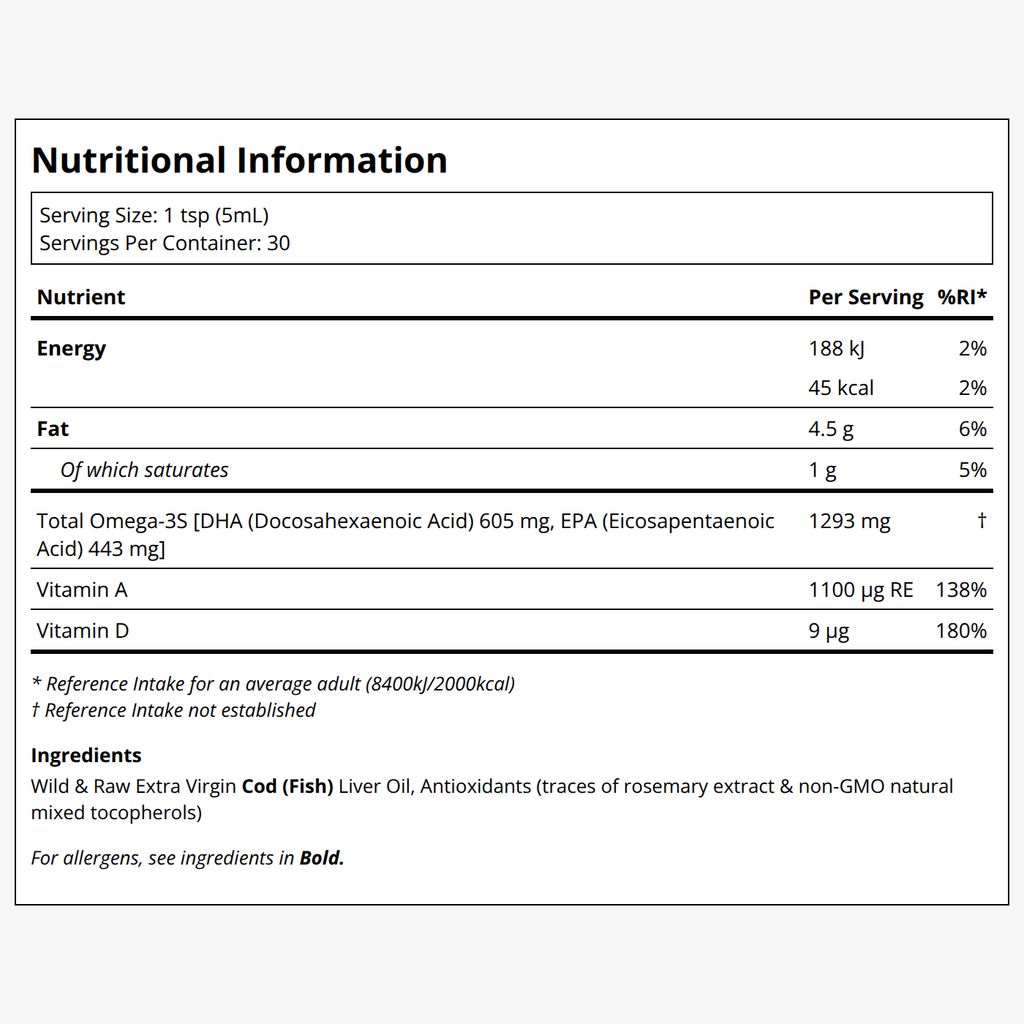
Cod liver oil: The main difference between cod liver oil and regular fish oil is that cod liver oil contains vitamins A and D, and fish oil does not. Because both vitamins are fat-soluble, pregnant women should avoid cod liver oil, as excess vitamin A can be harmful to a developing baby, especially if combined with a prenatal vitamin that already includes these nutrients. Some people choose cod liver oil because, according to Brown, its vitamin A and D content may offer additional benefits, such as antioxidant support and promoting bone health.
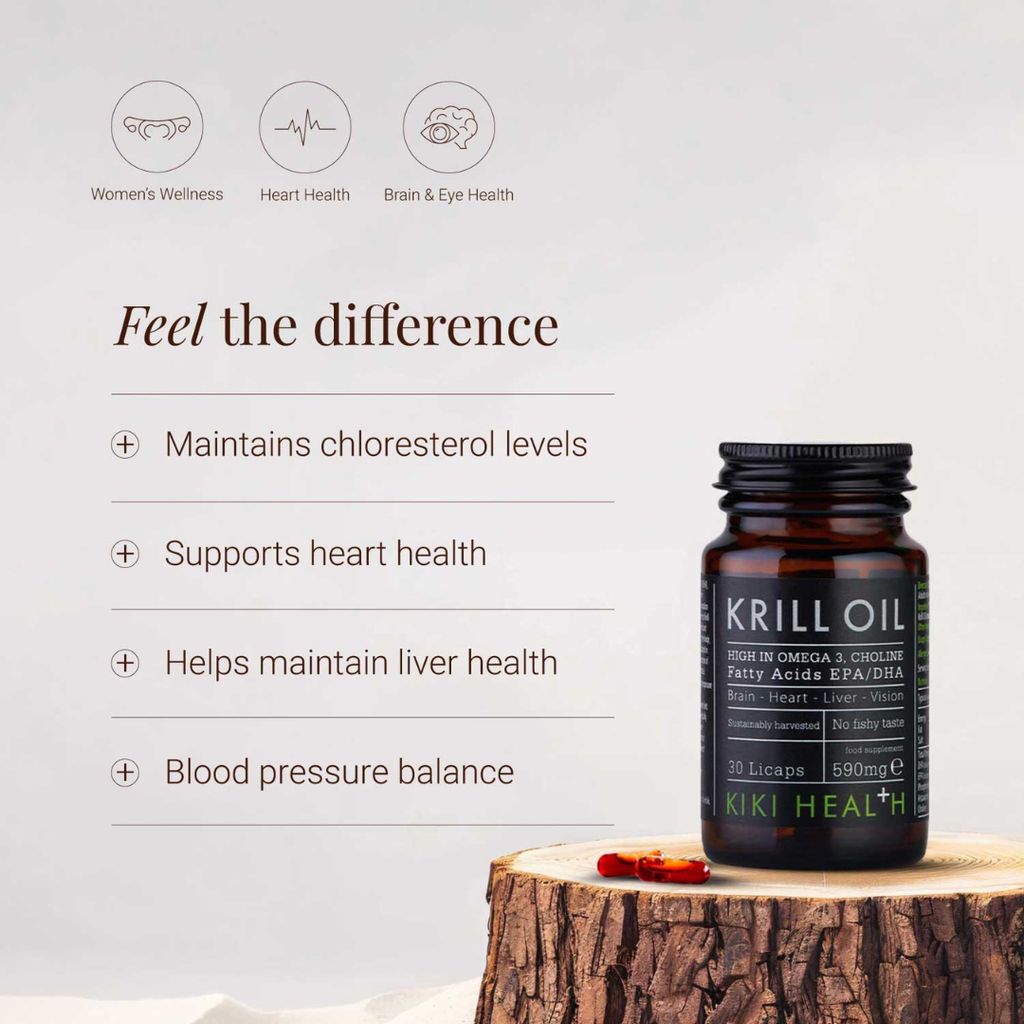
Krill oil: Omega-3s sourced from krill—small, shrimp-like crustaceans—come in both triglyceride and phospholipid forms, which may be better absorbed. Krill oil is also high in, astaxanthin, an antioxidant that supports cardiovascular, immune, and nervous system health.
Algae oil: Microalgae are the original source of omega-3s in the marine food chain. Algae oil is an excellent vegan-friendly DHA and EPA alternative, especially useful for folks following a plant-based diet.
ALA oil: Vegan omega-3 supplements often contain ALA, a plant-based form of omega-3s. The ALA is commonly sourced from flaxseeds, chia seeds, and hemp seeds.
Among these options, the best supplement is one that meets your specific health needs and is sustainable and safe for long-term use.
Best omega-3 supplements in the UK
If you find yourself googling “best omega 3 capsules” or “best fish oil supplement,” don’t worry, you’re in the right place. At Healf, we’ve got your omega-3 needs covered. We only stock the highest quality supplements for a variety of needs. Here are our top recommendations:
For a classic fish oil capsule, try Metagenic's OmegaGenics Regular Strength Omega-3 Fish Oil.
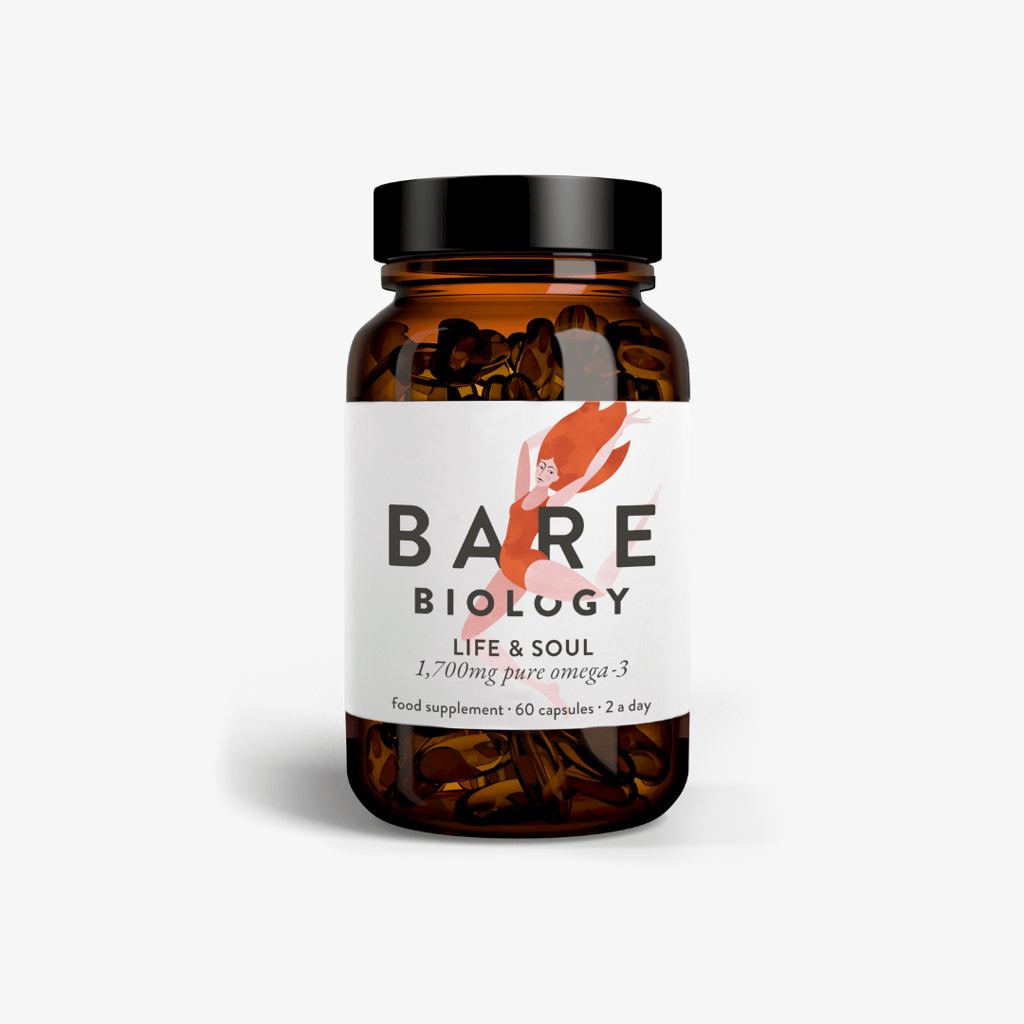
For a fish oil liquid, try Bare Biology Omega-3 Fish Oil.
For omega-3s sourced from krill, try KIKI Health Krill Oil.
For plant-based DHA, try Nordic Naturals Algae Omega.
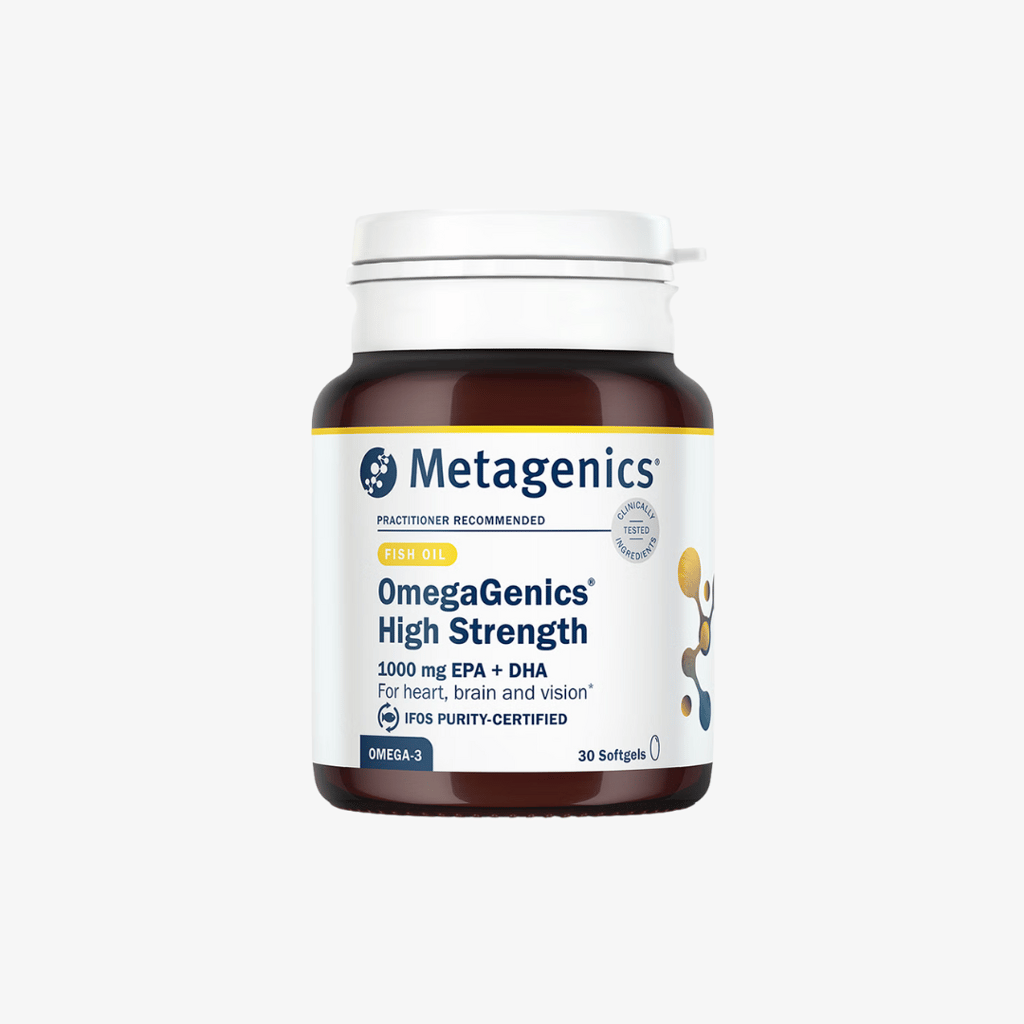
For a high-strength dose, try Metagenics OmegaGenics High Strength.
For cod liver oil, try Rosita Extra Virgin Cod Liver Oil Liquid.
Need help choosing the right omega-3 vitamins or supplements? Just ask— we’re here to help (say hi to Helix, our new AI assistant, at your service).





Are omega-3 supplements safe for daily use?
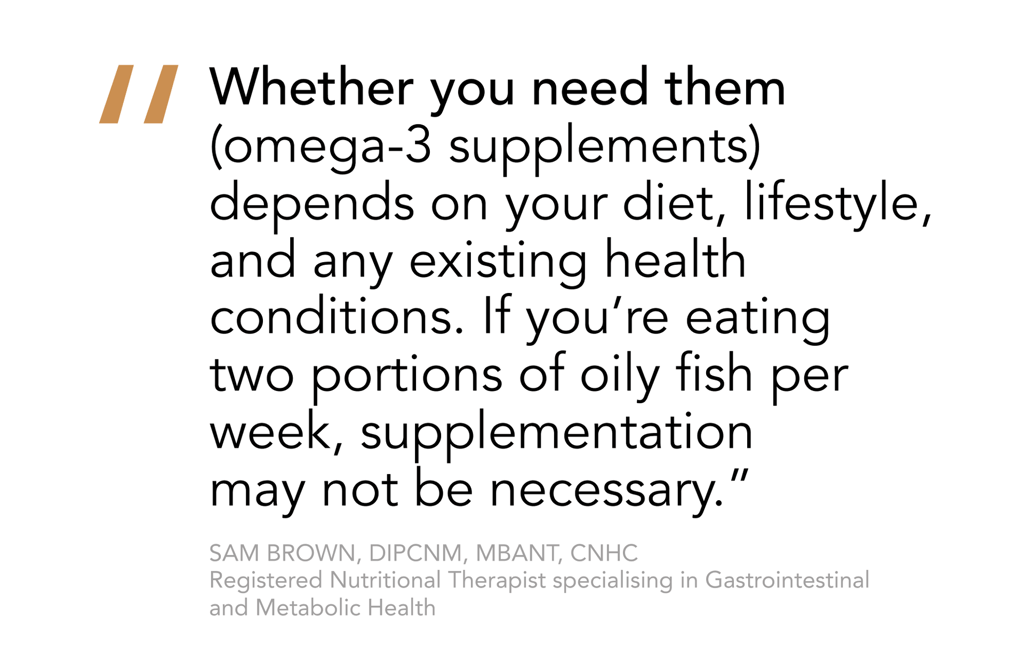
In the UK, omega-3 supplements are generally recommended only when fatty fish isn't regularly consumed. The British Heart Foundation advises a daily supplement dose of 450 mg of combined EPA and DHA in such cases. In the U.S., similar guidelines advise consuming two servings of fatty fish per week, with daily omega-3 supplementation typically ranging from 250 to 500 mg of EPA and DHA combined. “Whether you need them depends on your diet, lifestyle, and any existing health conditions,” says Brown. “If you’re eating two portions of oily fish per week, supplementation may not be necessary.”
Regarding safety, the FDA sets an upper limit of 3 grams per day of combined EPA and DHA, with no more than 2 grams coming from supplements. This precaution is in place because excessive intake may increase the risk of bleeding and potentially suppress immune function.“The consistent message across both countries is that food should be the first source of omega-3s unless targeting a specific condition or if dietary intake is insufficient,” says Brown.
Additionally, due to pollution in the ocean, eating fish can also mean consuming harmful substances like polychlorinated biphenyls (PCBs), heavy metals, and other environmental toxins—which can accumulate in the body over time. “Think of the fish-eat-fish-eat-fish phenomenon,” says King. “The bigger the fish, the more other fish it has eaten and the higher the level of total pollution accumulation has occurred.” Larger, predatory fish (like swordfish) sit higher on the food chain and tend to contain higher levels of accumulated pollutants because they've consumed many smaller fish (like anchovies or sardines).
Before starting an omega-3 supplement, consider the following:
Fish or shellfish allergy: If you're allergic to fish or shellfish, choose a plant-based omega-3 supplement, like one made from algae.
Pregnancy: During pregnancy, avoid fish liver oils (like cod liver oil), as they contain high levels of vitamin A, which can be harmful to the fetus.
Medications: Omega-3 supplements can interact with certain medications, like blood thinners, and may increase the risk of bleeding. Always consult your doctor if you're on any prescribed medication.
Side effects: Omega-3 supplements are generally well tolerated. Mild side effects may include: bad breath, heartburn, nausea, gastrointestinal discomfort, diarrhea, headache, and body odour.
Always consult your healthcare provider before starting any new supplement. This is especially important if you have existing health conditions, take prescription medications, are pregnant or breastfeeding, or have known allergies.
The bottom line
Omega-3 fatty acids are essential fats that support brain, eye, heart, metabolic, cellular health, and more. The best sources come from fatty fish and microalgae, but supplements can help if your diet falls short. When shopping for an omega-3, choose high-quality options that support your specific health goals.
Key takeaways
Omega-3 fatty acids play a vital role in many bodily functions, including heart health, energy metabolism, satiety, cell membrane integrity, and blood sugar regulation.
Sources of omega-3s include seafood, algae, and dietary supplements. If you follow a vegetarian or vegan diet or dietary restrictions, omega-3 supplements can help meet your needs.
Aim for 450 mg of combined EPA and DHA per day, either through fatty fish or a high-quality supplement. Choose one that is third-party tested, offers a highly absorbable form of omega-3s, and is easy to swallow with a pleasant taste.
Healf offers premium-quality omega-3 supplements designed to support your health and wellbeing goals.
Frequently asked questions (FAQ’s)
There’s no single “best” omega-3 supplement for everyone. The best choice depends on your diet, lifestyle, and personal preferences. Fish oil capsules are a simple and convenient way to get DHA and EPA. Consider krill oil if you want additional antioxidant and bone health benefits, though it’s not recommended during pregnancy. For those following a vegan or lacto-ovo vegetarian diet, algae oil is the best plant-based source of DHA and EPA.
There isn’t a universal “best” omega-3 supplement brand, but several factors can help you choose the right one for your health needs. When shopping, consider factors such as product quality and third-party certification, the dose of EPA and DHA, supplement form (capsule or liquid), pill size, and taste or odour.
At Healf, we’re committed to high standards when it comes to your health. Every omega-3 supplement we offer is thoroughly vetted by health experts and industry professionals to ensure high-quality manufacturing standards and ingredient formulations. We also work closely with a community of customers who test and provide feedback on our products, so we can confidently say they’re trusted by real people. Our carefully curated list of omega-3 supplements is designed to help you find the best fit for your health goals.
There isn’t one omega-3 supplement that doctors universally recommend, because the best option often depends on individual health needs, dietary preferences, and specific wellbeing goals. However, many healthcare professionals emphasise the importance of choosing high-quality, well-sourced omega-3 supplements that provide sufficient amounts of EPA and DHA.



This article is for informational purposes only, even if and regardless of whether it features the advice of physicians and medical practitioners. This article is not, nor is it intended to be, a substitute for professional medical advice, diagnosis, or treatment and should never be relied upon for specific medical advice. The views expressed in this article are the views of the expert and do not necessarily represent the views of Healf
Dahlia Rimmon is a freelance health writer and registered dietitian. She writes for a variety of publications and wellness brands, specialising in translating complex medical and nutrition information into clear, engaging content. Through her work, Dahlia aims to empower readers to make informed choices about nutrition, embrace a healthy lifestyle, and confidently navigate their overall health journey. She lives with her family in the Midwest.