






















_2026-10-13_14-11-48.png)


Compression Boots: Benefits, Buyer’s Guide & Top Picks
Written by: Dahlia Rimmon
Written on: 16 October 2025
Medical reviewed by: Jared Meacham, PhD, RD, CSCS and Nesochi Okeke-Igbokwe, MD, MS
Maybe you’ve seen athletes rocking bulky, futuristic recovery boots on social media, and thought, “What are those things?” Then came the next question, “Do compression boots actually help with post-workout recovery, or are they just for show?” Here we look at what the science really says and what to consider before investing in a pair.
If you’re an athlete or fitness enthusiast, you already know that recovery is just as important as the workout itself. Gone are the days of relying solely on rest. Today, there are at-home tools designed to speed up recovery and help you better handle intense training sessions or long cardio days. Compression boots are pretty high up on the list.
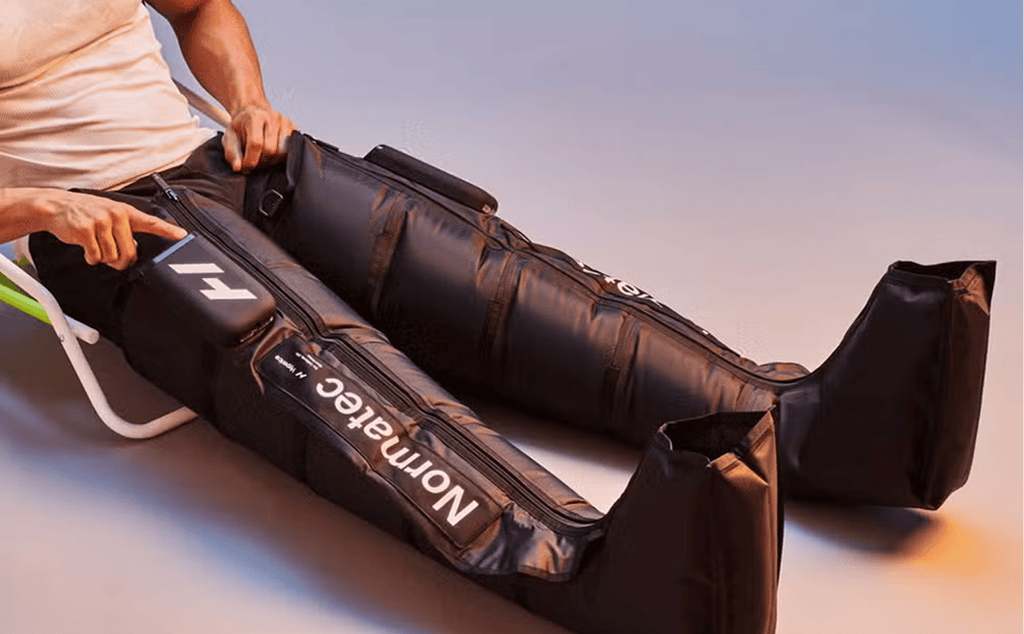
At first glance, leg compression boots might remind you of something from out of space. Big, clunky, and almost astronaut-like, compression boots act like “an external muscle pump,” says Hines. “Chambers in the boots inflate and deflate in waves, squeezing your legs to push blood and lymph upward, which reduces swelling, moves waste out of the muscles, and brings in oxygen and nutrients needed for repair.” Think of them as a hybrid between fitness technology and a medical device, designed specifically to support post-workout recovery.
Compression boots have already become a favourite in athletic circles, though because they’re a fairly new product, there’s not yet much research to support their use. To give you the full run-down, we’ve tapped into insights from a range of experts, including performance and fitness specialists, physical therapists, sports dietitians, and endurance coaches.
Here we’ll break down what compression boots are, how they can support your fitness routine and recovery goals, and what to keep in mind when choosing the right pair for you.
What are compression boots?
Compression boots, also known as pneumatic compression boots, were originally developed for clinical use. In medical settings, they’re used to support blood circulation and aid in the rehabilitation of conditions such as lymphedema (chronic swelling of the lymphatic system), deep vein thrombosis (DVT), vascular disorders, muscle tone issues, and complications related to immobility.
More recently, athletes have adopted compression boots as a recovery tool. Recovery is a crucial part of an exercise routine because it allows the body to repair and rebuild tissues . Without proper recovery, athletes risk overtraining and injury — and this is where compression boots can really help.
Compression boots work by mimicking the natural pumping action of muscles during movement. Using inflatable chambers that apply pressure, they enhance blood flow back to the heart (venous return) and promote lymphatic drainage, which may reduce swelling and soreness and improve recovery.
So, how do compression boots work?
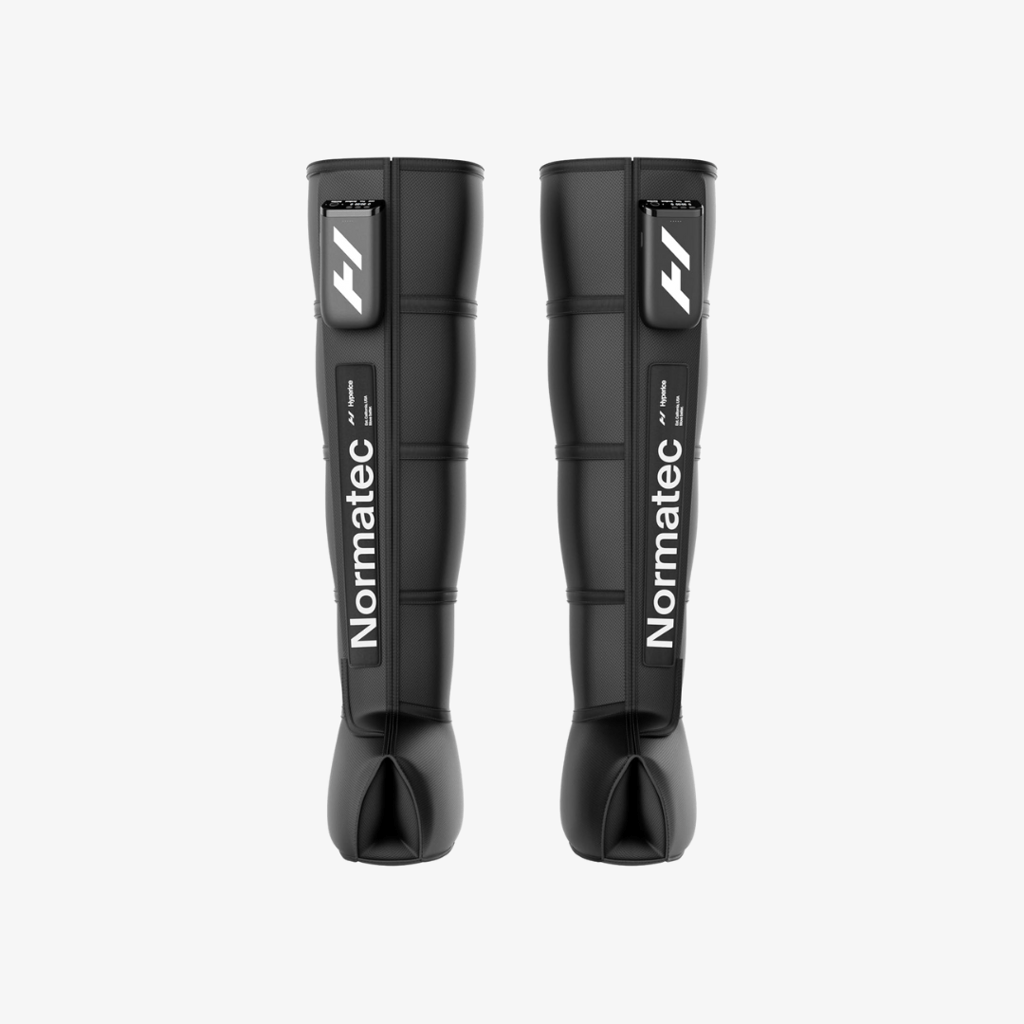
Compression boots are worn on the feet and lower legs and consist of inflatable sleeves with multiple air-filled chambers. When turned on, the chambers gradually fill with air in a wave-like pattern, and then deflate, while also gently squeezing the legs from the bottom upward. “The effect is similar to squeezing a tube of toothpaste from the bottom to the top,” explains Aaron Hines, MS, NASM- YES, SFS, TPI Level 1 and 2, Exos Performance Specialist and Fitness Specialist.
The cycle of inflation and deflation mimics the natural contractions of your muscles. “Compression boots act like an external muscle pump,” says Hines. “Chambers in the boots inflate and deflate in waves, squeezing your legs to push blood and lymph upward, which reduces swelling, moves waste out of the muscles, and brings in oxygen and nutrients needed for repair.”
Hines explains that normally, your body clears metabolic waste and reduces post-workout swelling on its own through movement. Each time your muscles contract, they press on veins and lymph vessels, pushing fluid back toward the heart—a process known as the “muscle pump.” After intense exercise, fatigued muscles are less effective at this process, which can slow recovery. Compression boots support the “muscle pump” action and can help muscles recover more efficiently.
Compression boots benefits: What the research actually shows
When it comes to performance and recovery, the jury’s still out on compression boots with research limited and results inconsistent. A 2018 study with 8 students found that daily use helped reduce delayed-onset muscle soreness (DOMS) better than a continuously worn compression sleeve (another type of compression garment).
Another study with 72 ultramarathon runners found that compression boots provided subjective relief after racing. However, there’s no strong evidence that these treatments provide lasting or clinically significant benefits.
A 2024 systematic review and meta-analysis suggested that compression boots may slightly support muscle performance and reduce pain and soreness, though their effect on muscle damage markers remains inconsistent. Researchers also pointed out that the overall quality of evidence was low, largely due to small sample sizes in the included studies. Similarly, a 2025 comprehensive review found no clear advantage or disadvantage of compression boots compared to other recovery methods, emphasizing that there isn’t enough evidence to confirm their effectiveness.
In short, compression boots may provide some benefits, but they shouldn’t be relied on as the sole recovery strategy. “Science shows that compression boots may help with recovery, though they are not a shortcut to better performance,” says Hines. “They should not be expected to directly improve athletic performance without proper training, sleep, and nutrition.” Instead, consider them as one tool in a broader recovery routine.
Who can benefit (and when to use them)
Compression boots are particularly helpful for athletes who regularly complete intense workouts and focus on building strength and muscle. “Compression boots make sense for athletes who have the basics nailed and regularly participate in high-volume training sessions, spend a lot of time on their feet even outside of training, or just love that post-recovery relief feeling compression boots provide,” says Cassandra Padula Burke, MFS, RDN, LD, CPT, performance dietitian and endurance and strength coach.
Dr. Tara Phaff, DPT notes that non-athletes can also benefit from compression boots. Examples include:
People who spend long hours standing and experience heavy or swollen legs.
Frequent travelers who sit for long periods of time.
Individuals with circulation or swelling issues (with medical guidance).
Anyone who wants a recovery tool after working out
Umo Callins MS, RD, LD, CSSD, CPT, Sports Dietitian and Fitness Coach adds that compression boots are still used in clinical settings. They have been used as part of treatment for breast cancer-related upper limb lymphedema when combined with complete decongestive therapy, as well as for individuals with lower limb lymphedema.
Let’s talk safety, contraindications, and precautions
Do not use compression boots without medical clearance if you have a history of DVT, diabetic neuropathy, clotting disorders, vascular, circulation, cardiovascular, or muscle problems, bone fractures, or any other known health condition. If you have an open wound or skin infection on your leg, do not use compression boots until you’ve healed.
If you are pregnant or breastfeeding, consult your doctor before use. In fact, it’s always a good idea to check with your healthcare provider before using compression boots, as improper or incorrect use can be dangerous. Stop using the boots immediately if you experience numbness, unusual pain, changes in skin colour, or swelling.
How to choose the best compression boots: a Healf-approved buying guide
Not all compression boots are made the same, and some come with unique features that may or may not suit your needs. To help you find the right pair, here are a few things worth considering:
Size: Compression boots come in a range of sizes—small, medium, large, as well as short or tall options depending on the brand. The right fit usually depends on your height and leg length. Be sure to check the manufacturer’s sizing chart and measure yourself accurately so you can select the size that will provide the best fit and comfort.
Chambers: “Simple models have three chambers (foot, calf, thigh), and more advanced models have six to twelve chambers for a smoother, more gradual compression that feels like a rolling massage,” says Hines. Compression boots with more chambers may offer more targeted recovery benefits.
Pressure levels: Compression boots vary in how much pressure they apply, and many models also offer multiple compression levels so you can adjust based on your preferences. Pressure is measured in millimeters of mercury (mmHg), with most devices ranging from 20 mmHg to 200 mmHg depending on the model of the device and indication for use.
Session time: Many compression boot models come with pre-programmed session durations, ranging from 20, 40, or 60 minutes, as well as continuous mode. Choosing the right session length depends on your recovery needs and comfort level.
Portability: Compression boots are generally designed for at-home use, but some models include convenient portability features, like a travel carry case or a wireless design (with a built-in battery). This can make it easier to bring your boots to the gym, on trips, or anywhere you want to keep up with your recovery routine.
Battery life: For wireless compression boots, battery life is an important factor. Some models can last for one or two 30-minute sessions on a single charge, while others provide several hours of use. If you plan to travel or to use your boots away from home, look for a model with a long battery life and a quick charging feature.
Cost: We aren’t going to lie, compression boots are expensive. Most models cost several hundred pounds and premium options can reach close to 1,000 pounds. Before investing, review what’s included in the price, such as special features, accessories, and the manufacturer’s warranty. A solid warranty can protect your purchase in case of defects or issues.
How to use compression boots for best results
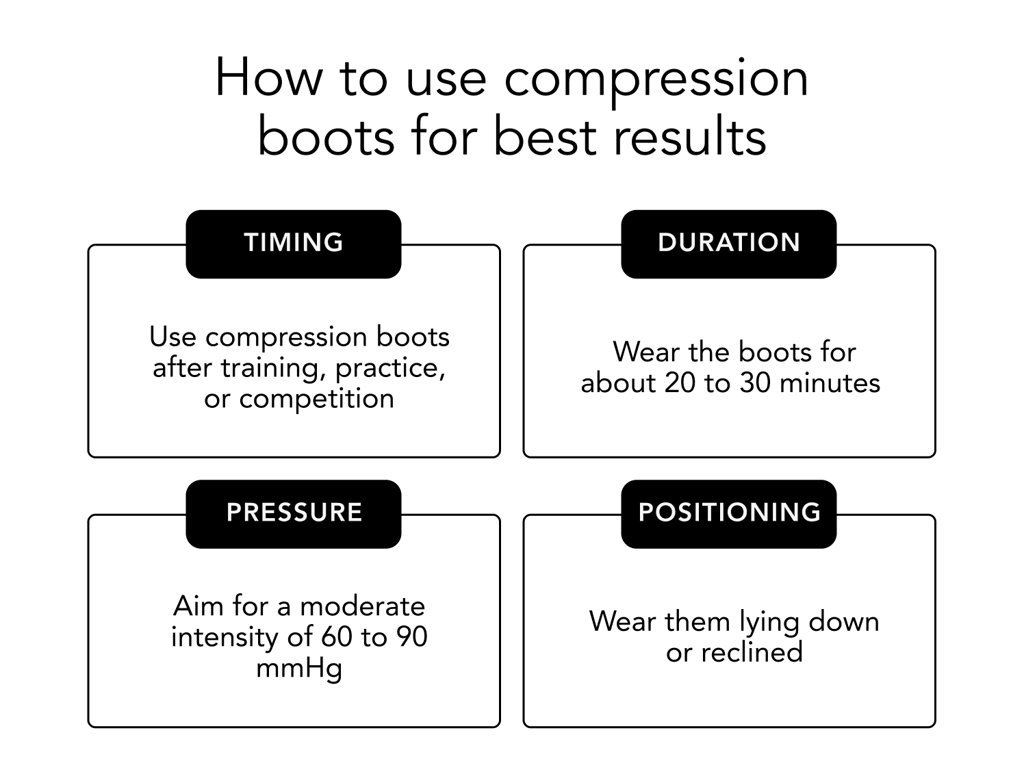
If you have compression boots, it’s important to use them correctly for the best recovery results and for safety. Experts recommend the following:
Timing: “The best time to use compression boots is after training, practice, or competition, when muscles are under the most stress,” says Hines. Using them at this point can help reduce swelling and soreness.
Duration: Use the boots for about 20 to 30 minutes after a workout to support recovery.
Pressure: According to Hines, most research protocols use 80 mmHg of pressure, which is enough to deliver effective compression while remaining comfortable. For general use, aim for a moderate intensity of 60 and 90 mmHg.
Positioning: To improve circulation, wear your compression boots while you’re lying down or reclined, which reduces gravity’s pull.
Compression boots vs. other recovery tools
Compression boots are just one of the many options for post-workout recovery. Hines points out that the body already has highly effective recovery systems, including:
Blood circulation: The circulatory system removes waste and delivers oxygen and nutrients.
Immune system: The immune system repairs micro-tears in the muscles used while training.
Hormones and sleep: Deep sleep triggers the release of growth hormone and testosterone, which helps with repair and adaptation.
Other tools and methods can complement compression boots in your recovery routine, such as:
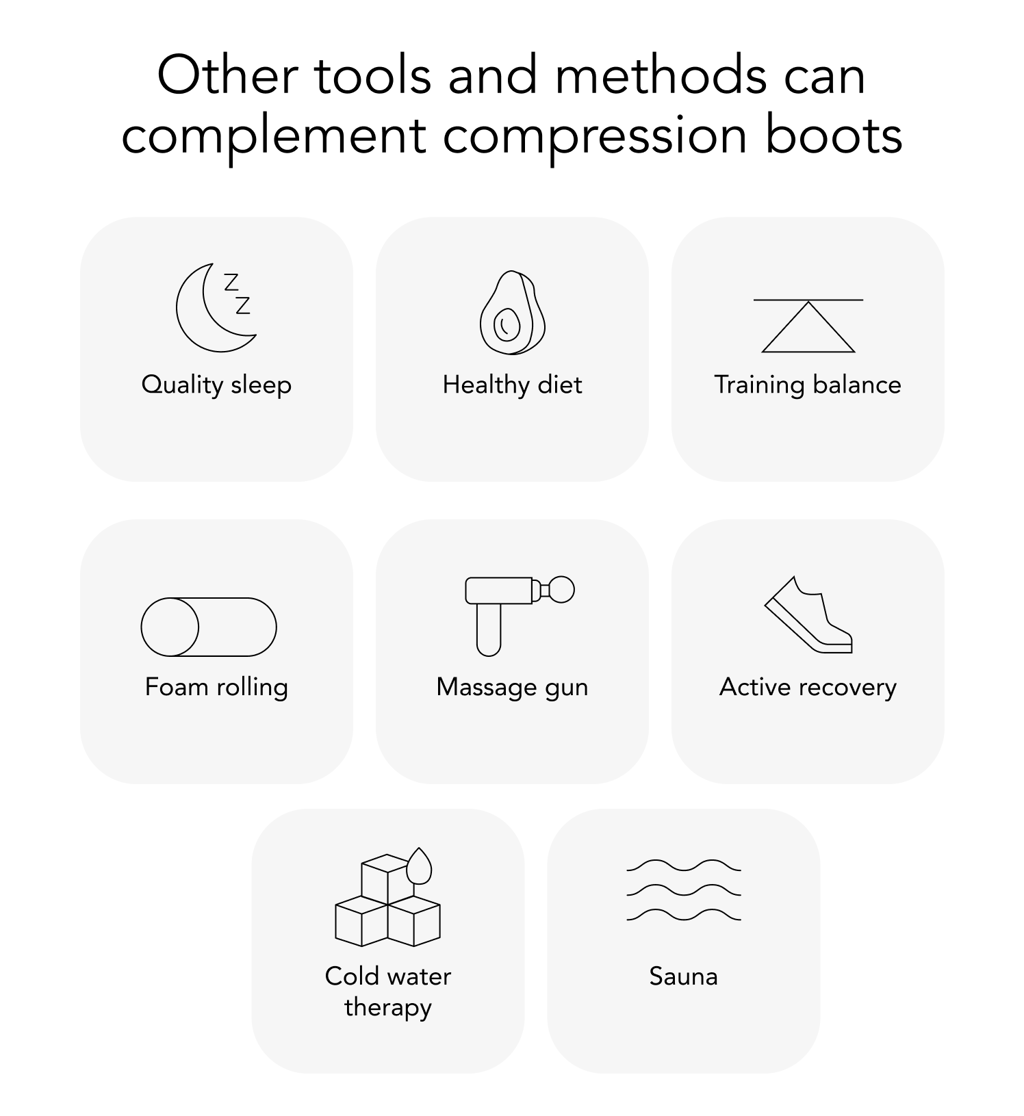
Quality sleep
Aim for 7 to 9 hours each night to give your body and brain the time they need to fully recover. “Sleep lays the foundation for tissue repair, immune function, cognition, and injury risk reduction,” says Phaff.
A balanced diet
Prioritise protein to rebuild muscle, carbohydrates to restore energy and glycogen stores, and plenty of fluids to rehydrate and replace fluids and electrolytes lost in sweat. Callins also emphasises the importance of eating a variety of fruits and vegetables, which provide micronutrients and antioxidants that can help reduce inflammation and oxidative stress.
Training balance
Alternate intense workouts with lighter sessions to support recovery and prevent overtraining.
Foam rolling
“Foam rolling is a self-massage technique that uses an apparatus to apply pressure to fascia and muscle,” says Callins. The scientific evidence supporting foam rolling as a recovery strategy is limited. However, some studies suggest that foam rolling before a workout may provide small, short-term improvements in sprint performance and flexibility.
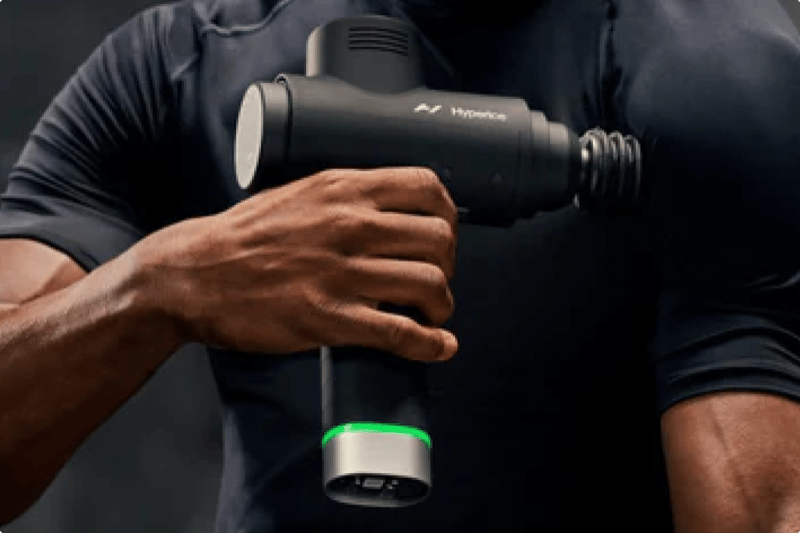
Massage gun
“Massage guns, also known as percussive massage treatment (PMT), has shown to be helpful in supporting recovery from DOMS and can be more effective than static stretching alone,” says Callins. A 2023 systematic review of massage guns found that they can be a cost-effective tool for improving short-term range of motion, flexibility, and recovery-related outcomes. However, their use is not recommended for activities that require strength, balance, acceleration, agility, or explosiveness.
Active recovery
Active recovery is low-intensity exercise that you complete after a workout to help your body wind down and recover. It can be completed immediately after a workout or on a separate day. Examples include walking, swimming, yoga, easy cycling, or jogging. “Active recovery improves lactate clearance and can aid short-term performance restoration,” says Luke Vanderfeen, MPthy, BExSci, HCPC, CSP, Physiotherapist at The Running Room in London.
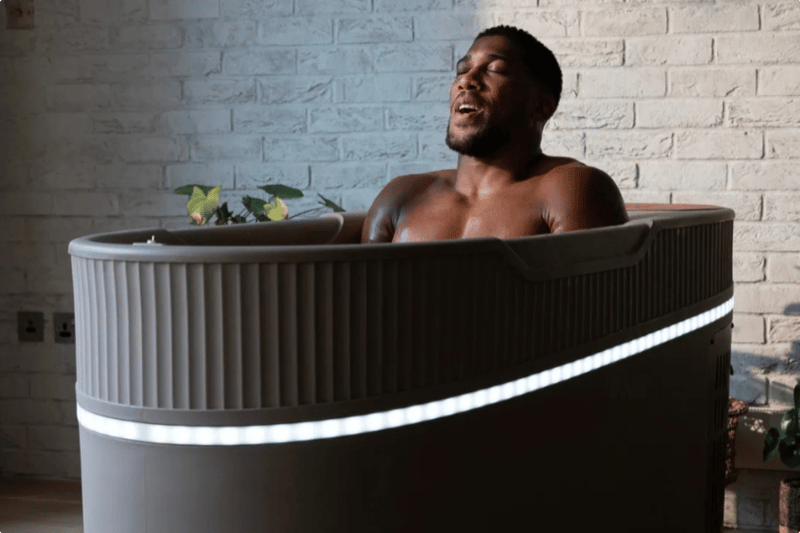
Cold water therapy
“Cold-water immersion can reduce soreness and perceptions of fatigue after intense exercise, though performance effects are variable,” says Vanderfeen. This includes ice baths and extra cold showers. However, Phaff cautions that cold water therapy may impact muscle growth. Routinely taking ice baths after resistance training can blunt muscle protein synthesis and limit growth responses, so it’s best to take a moderate approach.
Sauna
Saunas are having a moment, but do they really help with recovery? A small study reported that a single post-exercise infrared sauna (IRS) session enhanced the recovery after explosive strength exercise, reduced self-reported muscle soreness (one day after resistance training), and improved participants’ perceived recovery the following morning.
Care and maintenance of compression boots
To keep your compression boots in top condition, wipe them down after each use with a clean, damp cloth or an antiseptic wipe, and let them dry completely. Regularly inspect the boots for signs of wear or damage to ensure they remain safe for use.
Expert recommendations
If compression boots are the right recovery tool for you, Healf offers a range of high-quality options to meet different needs. Here are our top recommendations:
Best compression boots for beginners: Therabody JetBoots Prime
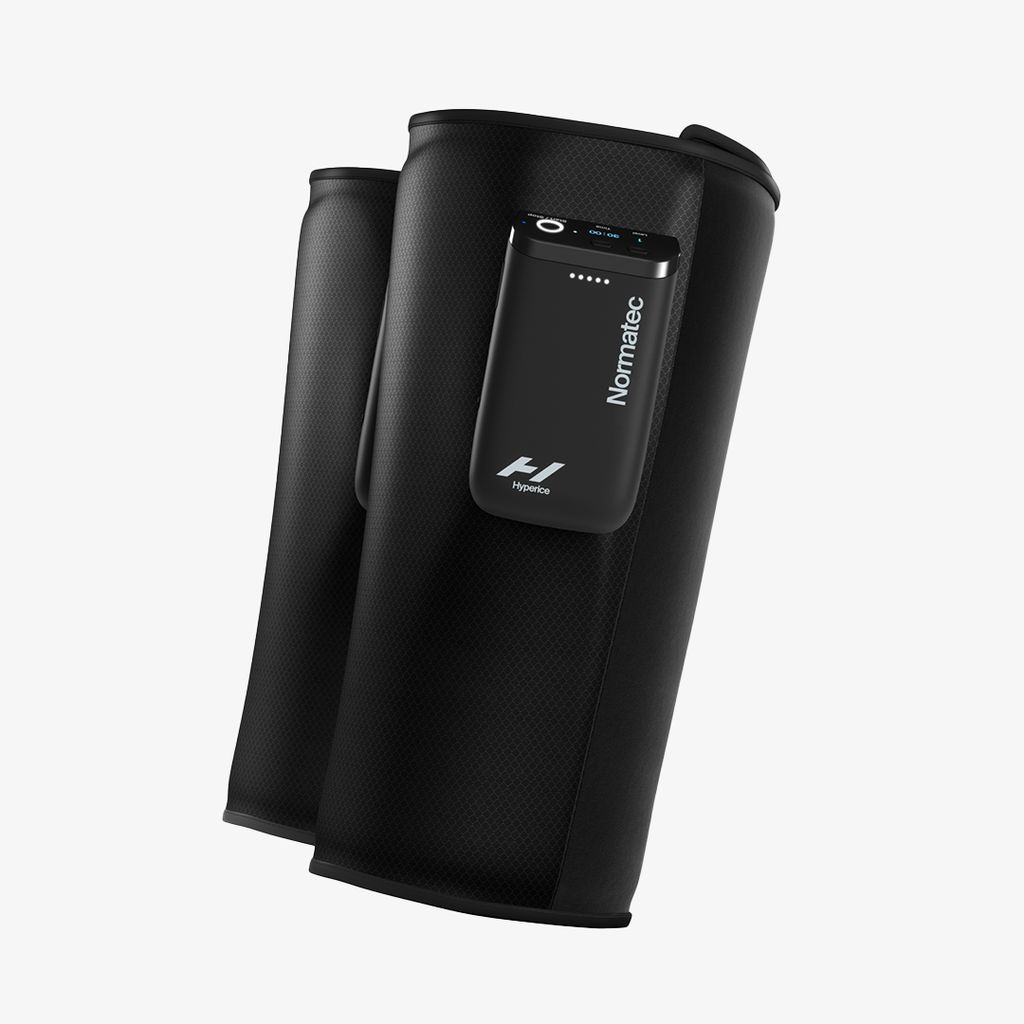
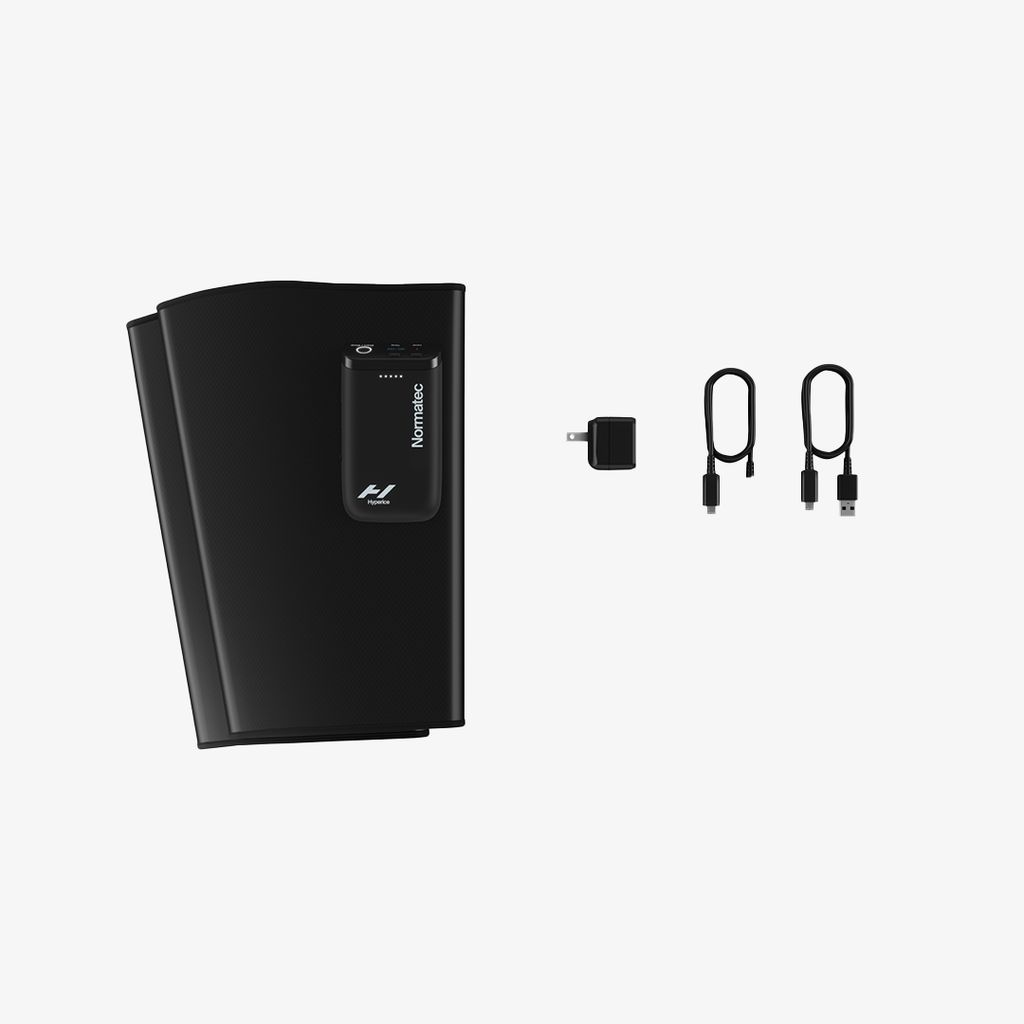
Best budget compression boots: Hyperice Normatec Lower Legs
Best portable compression boots: Therabody RecoveryAir JetBoots
Most user-friendly compression boots: Hyperice Normatec Primier



The bottom line
Whether compression boots are worth the investment depends on your training lifestyle and recovery needs. If you train frequently, push your body hard, and are looking for extra support in managing soreness, compression boots may be a worthwhile splurge. If you’re just starting out with exercise, hold off and see how your body responds to consistent workouts first. Compression boots are not a replacement for the essentials. They work best when paired with structured and safe training, adequate sleep, balanced nutrition, and hydration.
Key takeaways
Compression boots support exercise recovery by improving circulation, promoting lymphatic drainage, and reducing soreness and swelling.
They mimic the natural pumping action of muscle contractions, which moves blood and lymph upward through the body. While your body is able to recover naturally after training, compression boots may enhance the process to help muscles recover more efficiently.
For best results, use compression boots after training for about 20 to 30 minutes at roughly 80 mmHg of pressure. Wear your compression boots while you’re lying down or reclined, as this reduces the effects of gravity.
Research on compression boots is limited. Early results are promising, but for optimal recovery, they should be used alongside fundamentals like proper training, sleep, and nutrition.
Your frequently asked questions, answered
Q: Do compression boots actually help?
A: “Compression boots are a tool that can take the edge off that heavy leg soreness feeling after hard training, but they are not a magic fix for recovery,” says Burke. “They don’t replace the post-workout fundamentals of recovery nutrition, hydration, and quality sleep.” That said, when used alongside healthy lifestyle habits, compression boots can be a helpful tool to support recovery.
Q: Who should not use compression boots?
A: Do not use compression recovery boots without medical clearance if you have a history of:
Deep vein thrombosis (DVT)
Diabetic neuropathy
Clotting disorders
Vascular, circulation, cardiovascular, or muscle problems
An open wound or ulcer on your leg
Bone fractures or soft tissue injury
A skin infection (wait until fully healed)
If you're pregnant or breastfeeding
Even without these conditions, check with a healthcare provider before using compression boots, as improper use can be dangerous.
Q: Is it okay to use compression boots every day?
A: Both Hines and Vanderfeen agree that, in healthy athletes, compression boots can be used daily. However, compression boots should never replace recovery basics like quality sleep, a balanced diet, and intentional training. “Daily use of boots can reduce soreness and help you feel fresher, but they are not a shortcut to performance gains,” says Hines.
Q: Are ice baths better than compression boots?
A: Ice baths and compression boots work in different ways. “Compression boots provide intermittent, controlled pressure on muscles which may reduce inflammation caused by training and help flush lactic acid out of the muscles by increasing blood flow and lymphatic drainage,” says Burke.
She adds that ice baths provide hydrostatic pressure to lower body temperature and restrict blood flow, which reduces inflammation and soreness. “When blood flow returns to tissues after the ice bath, muscle damage repair and inflammation reduction may occur.” Ultimately, both methods can be useful tools for recovery, but the best choice depends on your preferences and budget.
Q: Are compression boots actually good?
A: Compression boots may support post-workout recovery, but whether they’re truly “good” is subjective. Like any recovery tool, effectiveness can vary from person to person, so it may be helpful to test them out to see how your body responds. Pay attention to factors like reduced soreness and how quickly you feel ready for your next workout. A trial run can help you determine if compression boots are worth the investment.



This article is for informational purposes only, even if and regardless of whether it features the advice of physicians and medical practitioners. This article is not, nor is it intended to be, a substitute for professional medical advice, diagnosis, or treatment and should never be relied upon for specific medical advice. The views expressed in this article are the views of the expert and do not necessarily represent the views of Healf
Dahlia Rimmon is a freelance health writer and registered dietitian. She writes for a variety of publications and wellness brands, specialising in translating complex medical and nutrition information into clear, engaging content. Through her work, Dahlia aims to empower readers to make informed choices about nutrition, embrace a healthy lifestyle, and confidently navigate their overall health journey. She lives with her family in the Midwest.