

























Is Cortisol Belly Real? And How Cortisol Affects Our Skin

Written by: Pippa Thackeray
Written on: 21 October 2025
Curious about cortisol belly? Discover the science behind stress, weight gain, and how cortisol really impacts both your body and skin.
“The term ‘cortisol belly’ gets thrown around a lot online, but it’s an oversimplification. We need to start with the foundations rather than quick fixes.” – Jasmine Bliss, Hormone & Gut Health Nutritionist
Social media is awash with talk of “cortisol belly” and “cortisol face.” These buzzwords tend to be followed by content that promises quick fixes: slimmer waists, smoother skin, all by taming one stress hormone. So, does the science hold up?
What does stress do to the body?
Introducing Jasmine Bliss
Jasmine Bliss is a Registered Associate Nutritionist (ANutr). Her clinic, Jasmine Bliss Nutrition, supports women struggling with IBS, PCOS, PMS, bloating, fatigue, skin flare-ups and menopausal symptoms, helping them get to the root cause and restore balance with a science-based approach, without restrictive diets or endless amounts of supplements.
What do we mean by cortisol belly?
Cortisol belly is a catchy phrase that has spread through many social media captions, but it is not a formal medical diagnosis.
Jasmine Bliss says the term “cortisol belly” gets thrown around a lot, and it’s an oversimplification.
“While chronic stress and high cortisol can contribute to weight gain in the mid-section and fluid retention (cortisol promotes sodium retention), there are many reasons someone might notice abdominal changes” – Jasmine Bliss
What else could look like Cortisol Belly?
Jasmine also expresses that there are other reasons, aside cortisol, for this type of fat storage.
These include bloating, fluid retention, perimenopausal hormone shifts (all very common), or simply changes in body composition with age.
She highlights that “It’s important not to reduce every case of increased abdominal fat or bloating to “cortisol” alone, as this can cause unnecessary anxiety and confusion”.
Is there any science behind “cortisol belly”?
A 2017 paper in the journal Obesity tracked over 2,500 adults aged 54 and above. Those with consistently higher cortisol levels across several months were more likely to carry excess weight and remain overweight over time.
Likewise, a clinical study of 54 healthy adults measured cortisol production over 24 hours and compared it with body fat, age and sex. People with more body fat produced more cortisol overall. The authors suggested this rise in cortisol activity may help explain changes in fat distribution with ageing.
Although these studies suggest a connection between high cortisol and increased abdominal fat, particularly in certain groups, the relationship is complex and likely involves multiple factors rather than a singular cause.
“Cortisol and blood sugar are tightly linked” – Jasmine Bliss
There is also a nutritional perspective one can take, which may potentially be affecting people with stored abdominal fat. That is: “If blood sugar drops too low, the body releases cortisol and adrenaline to bring levels back up. Irregular eating patterns can mimic the effects of stress on the body,” Jasmine explains.
This same action may also drive people toward more calorie-dense foods, which provide very little nutrition, i.e. comfort food.
The solution? “Stable blood sugar means fewer emergency cortisol surges.” More on this later.
What is a Cortisol Cocktail?
It's a drink you can make using orange juice, coconut water, and salt, along with other ingredients. Some people call it an adrenal cocktail. Read the dedicated Healf Source piece for the details of this mystery blend.
Jasmine Bliss on working with the body through stress
Bliss stresses the need to avoid chasing quick fixes.
“Start with the foundations: balance meals with protein, fibre and healthy fats, eat regularly, and build in daily stress management.”
She also points out that supplements are not always the first step. “Supplements are relevant in the context of other principles,” she explains. “Food and lifestyle always comes first.”
Consistency is central to her approach. “Get daylight exposure and eat a balanced breakfast within an hour of waking, stick to regular mealtimes and aim for a consistent bedtime. This helps regulate our body’s 24-hour (circadian) clock and cortisol’s natural rise-and-fall pattern.”
Can stress alone cause abdominal fat?
The endocrine system is very intricate. The cortisol response involves several other hormones that activate and regulate the hypothalamic-pituitary-adrenal (HPA) axis, the body’s central stress response system. This complex feedback loop also interacts with the sympathetic nervous system. It involves DHEA, insulin, aldosterone and glucagon, amongst others. Even sex hormones such as oestrogen and testosterone can raise cortisol. So, a healthy endocrine system, generally speaking, is about balance rather than lowering one hormone in isolation.
When cortisol is medically excessive
There are situations where cortisol is not just moderately raised but pathologically high.
Cushing’s syndrome is the clearest example. Caused by tumours or prolonged steroid use, it results in weight gain concentrated in the abdomen and face, while limbs remain slim.
What are the other signs of Cushing’s syndrome?
Skin changes
High cortisol can make skin more fragile. People may notice easy bruising and the development of wide purple stretch marks on the abdomen, breasts, hips and under the arms.
Facial and body appearance
Physical changes are common, including a round, red face, fat build-up at the back of the neck, and thinner looking arms and legs.
Musculoskeletal issues
Cortisol excess can weaken muscles and raise the risk of bone fractures, leaving the body less resilient and recovery slower.
Mental and emotional changes
Mood is often affected, with anxiety, irritability, low mood and sometimes extreme swings in temperament.
Additional symptoms
Raised blood pressure, persistent fatigue and, for women, irregular or absent menstrual cycles can also be linked with cortisol imbalances.
The other side of the cortisol story
Cortisol’s impact is just as visible in the mirror as on the waistline.
The skin under stress
Cortisol stimulates oil production, making pores more likely to clog and acne to flare. Associated low grade inflammation may also leave skin flushed, reactive and prone to flare ups of eczema or rosacea.
The hormone also breaks down collagen and elastin, the proteins that give skin its structure, accelerating the formation of fine lines and sagging.
In certain cases, the skin barrier can weaken, moisture escapes more easily and sensitivity rises. Research shows how stress and skin are deeply connected. Stress can fuel flare ups, while living with skin problems often adds to daily pressures. It creates a cycle that can feel difficult to step out of.
It’s a similar story with hair health. Stress hormones can push follicles into a resting phase, causing sudden shedding or long term thinning. Researchers have also found that a stress hormone impairs stem cells necessary for hair growth in mice.
Jasmine Bliss says:
“Stress and cortisol can alter gut motility, disrupt microbiome balance and increase intestinal permeability. This drives systemic inflammation, which often shows up on the skin as acne, eczema, psoriasis or rosacea. Cortisol also increases sebum production, which is one reason stress breakouts are so common. Supporting the gut–skin axis with fibre, antioxidants, fermented foods, targeted supplements and stress reducing techniques can make a difference for many clients.”
Practical ways to intervene
Scientific analysis on this issue sadly presents no clear ‘miracle fix’, but according to Jasmine, there are simple ways to reduce the burden of cortisol.
Move with balance
Jasmine encourages movement that supports the nervous system rather than adds to the strain. “For clients under chronic stress, I’d encourage walking, yoga, Pilates or low to moderate intensity resistance training, rather than daily HIIT or long endurance cardio.”
She also notes the risk of going too far. “Overtraining pushes cortisol even higher and can worsen fatigue, slow recovery and disrupt menstrual cycles. Missing periods is not just a fertility issue, it reflects low oestrogen, which has major consequences for long term bone health and cardiovascular health.”
Prioritise sleep
Bliss places strong emphasis on rest.
“Alongside balanced meals, Jasmine points to the rhythm of the day itself. Regular mealtimes, morning light exposure and a predictable sleep pattern all help to restore the natural rise and fall of cortisol. She also highlights the importance of a nutrient often forgotten when it comes to stress. “Vitamin D plays a role in melatonin production, sleep quality and reactivity to stress via the HPA axis, and all adults in the UK should be supplementing at least between October and April, but probably year round if you spend all day inside at a desk.”
She warns about the hidden effect of stimulants too. “Caffeine has a half-life of four to six hours, which means that half of that 3pm coffee will still be in your system at 9pm. Reducing caffeine after lunch can make a major difference to sleep quality.”
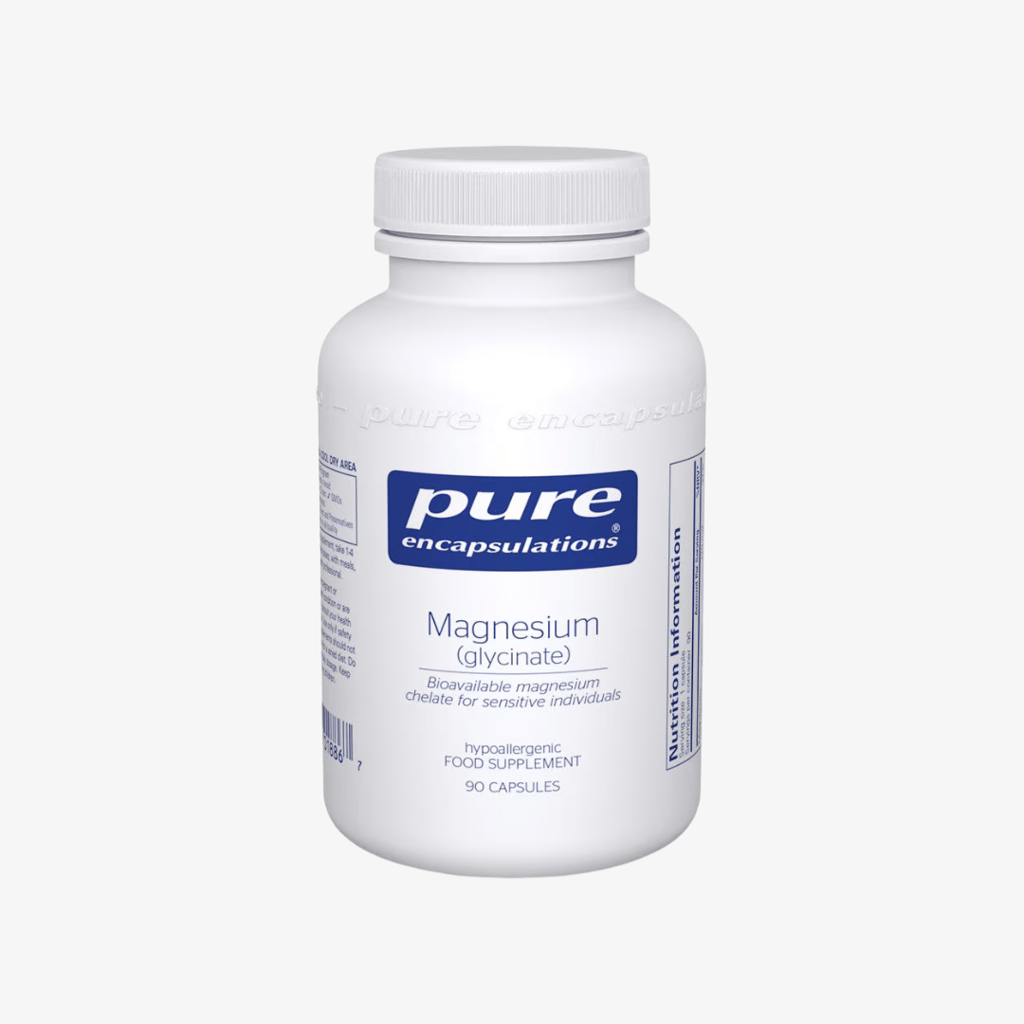
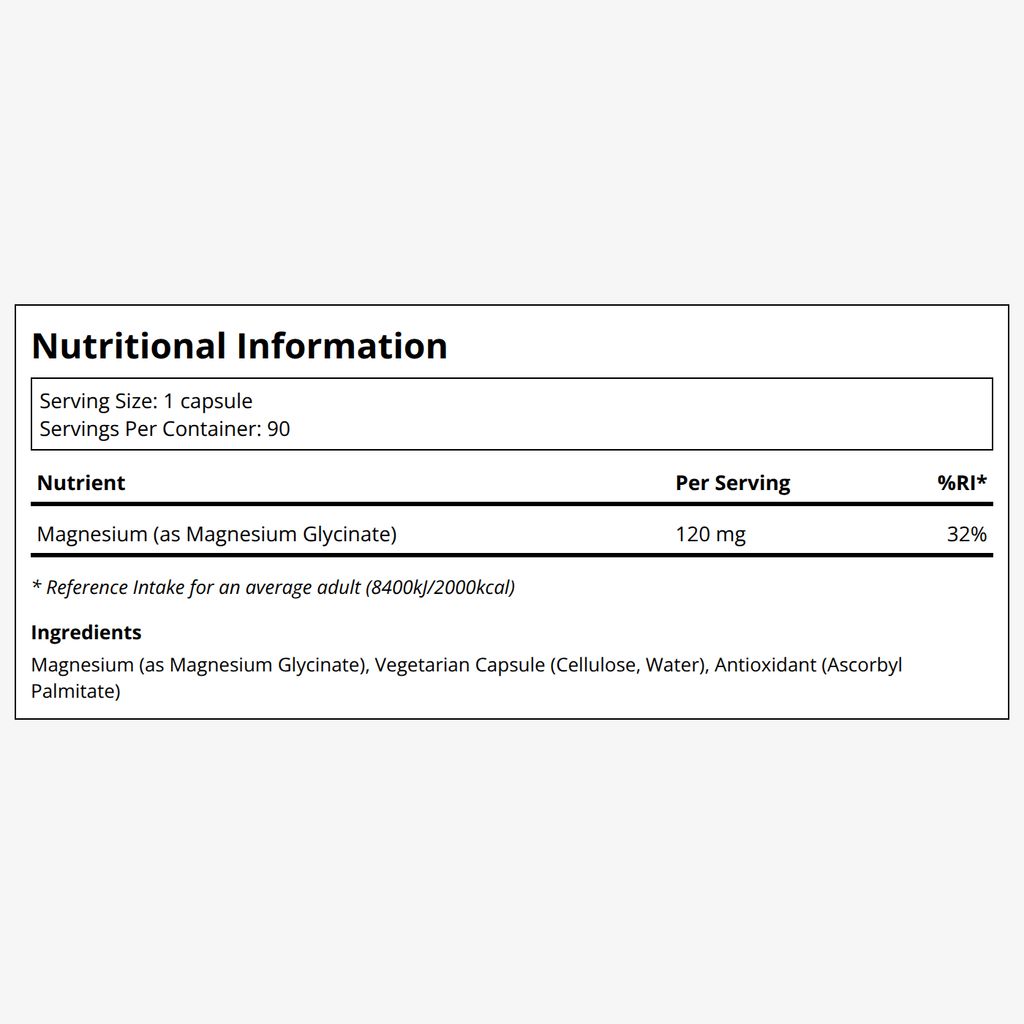
She adds that “Magnesium rich foods with your dinner, leafy greens, nuts, seeds, whole grains, beans, avocado, dark chocolate, can also support relaxation and deeper sleep.”
Calm the nervous system
Simple evening routines can shift the body into recovery mode. Jasmine explains, “Winding down with breathwork, no screen time for 30 minutes before bed, keeping your phone out of your bedroom and reading to fall asleep can all improve sleep quality.”
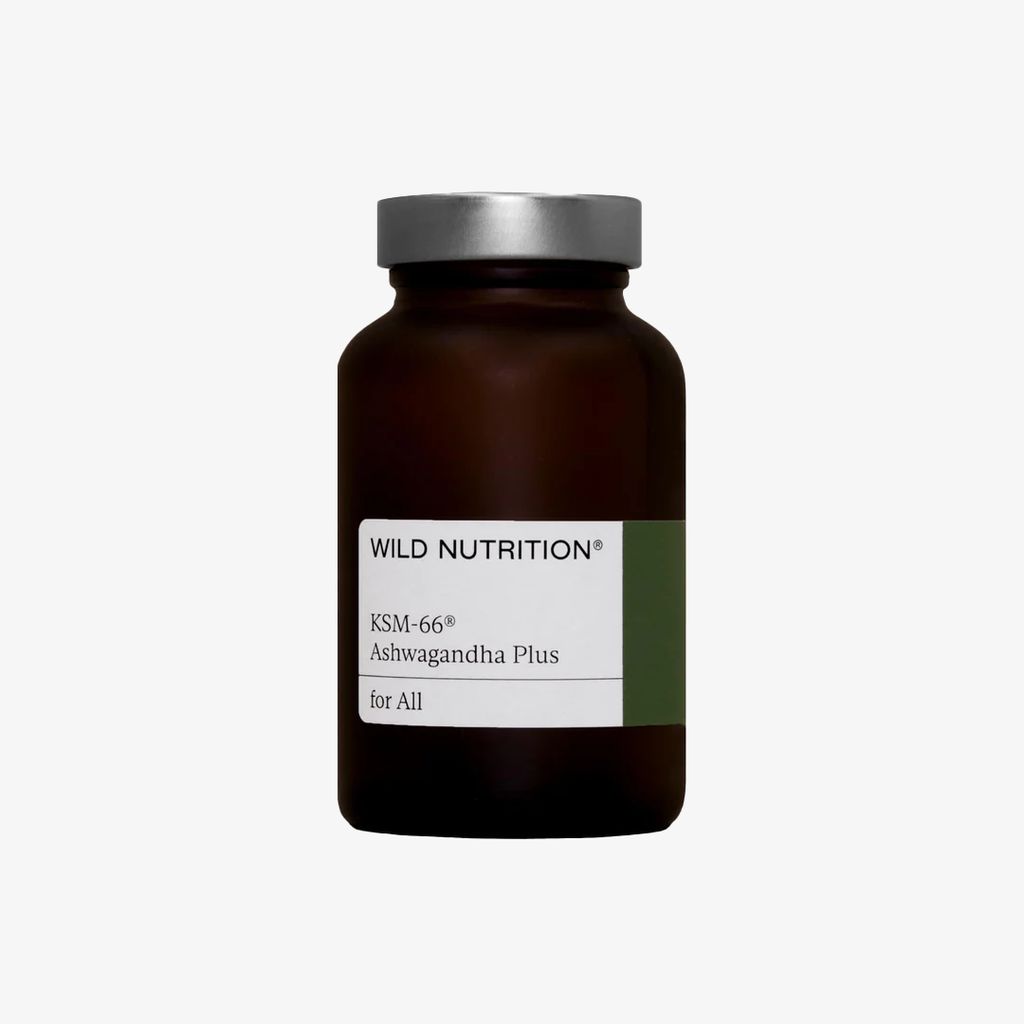
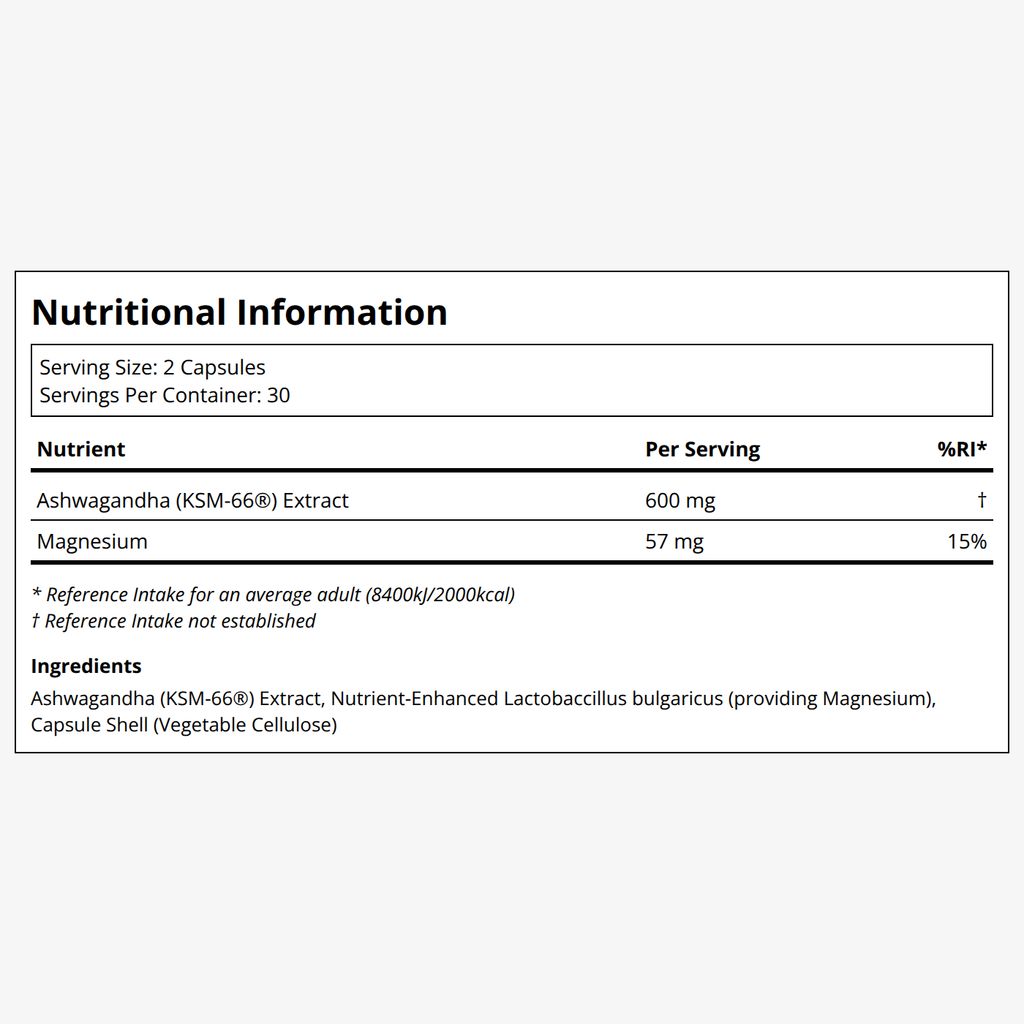
Adaptogens such as ashwagandha and rhodiola may be trending, but she is cautious: “There is emerging evidence that may help reduce stress markers, but results are mixed and they are not my first line recommendation. Food and lifestyle foundations always come first.”
Eat with stability in mind
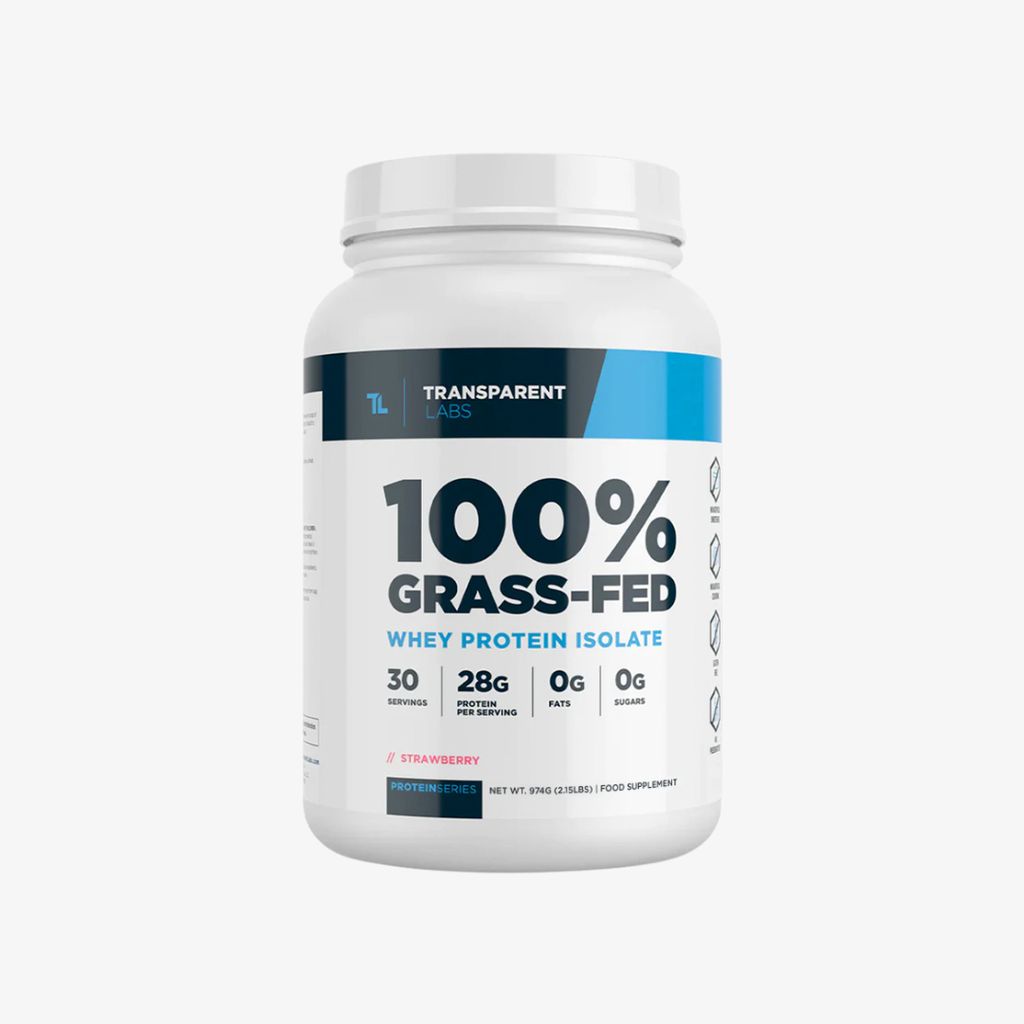
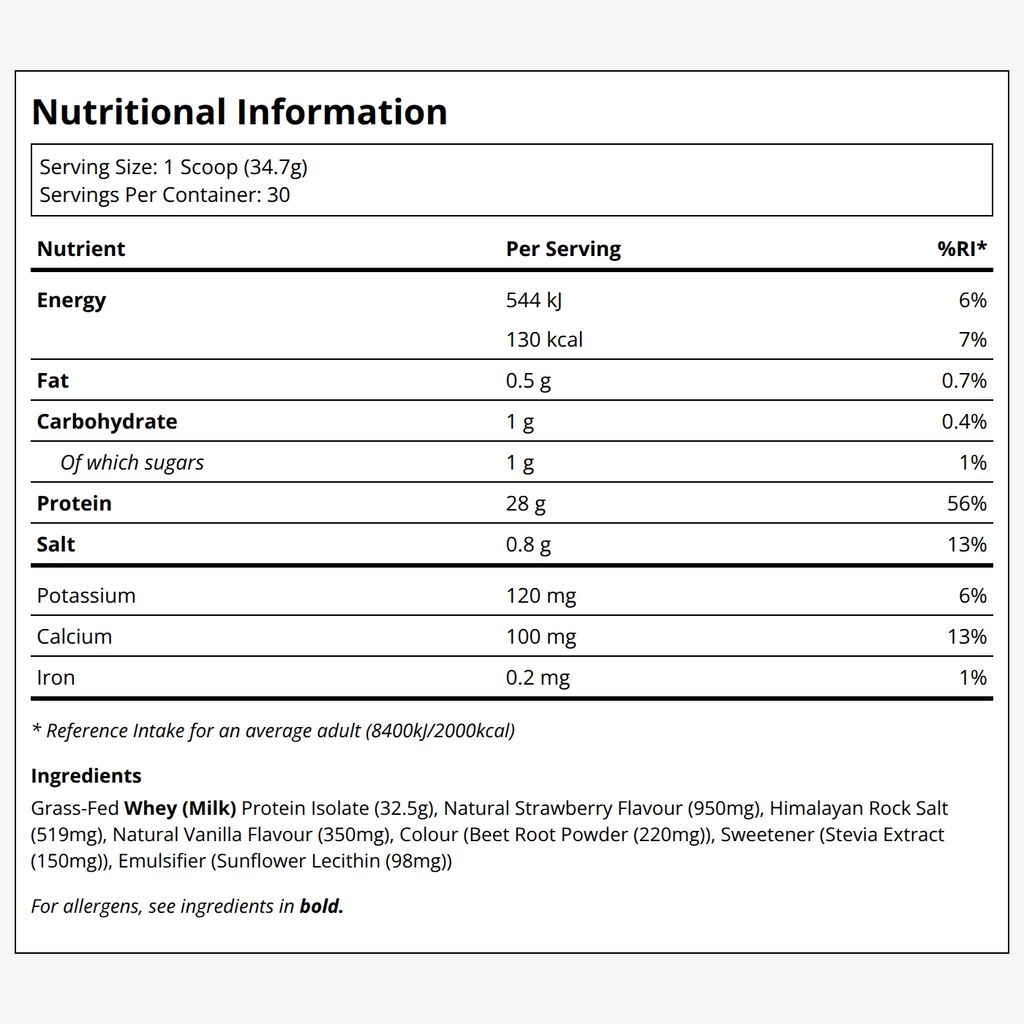
Food timing and composition matter also. “Balance blood sugar by pairing carbohydrates with protein, healthy fats and fibre at every meal to reduce spikes and crashes. Aim for 20 to 30 grams protein and at least 8 to 9 grams of fibre at every meal.
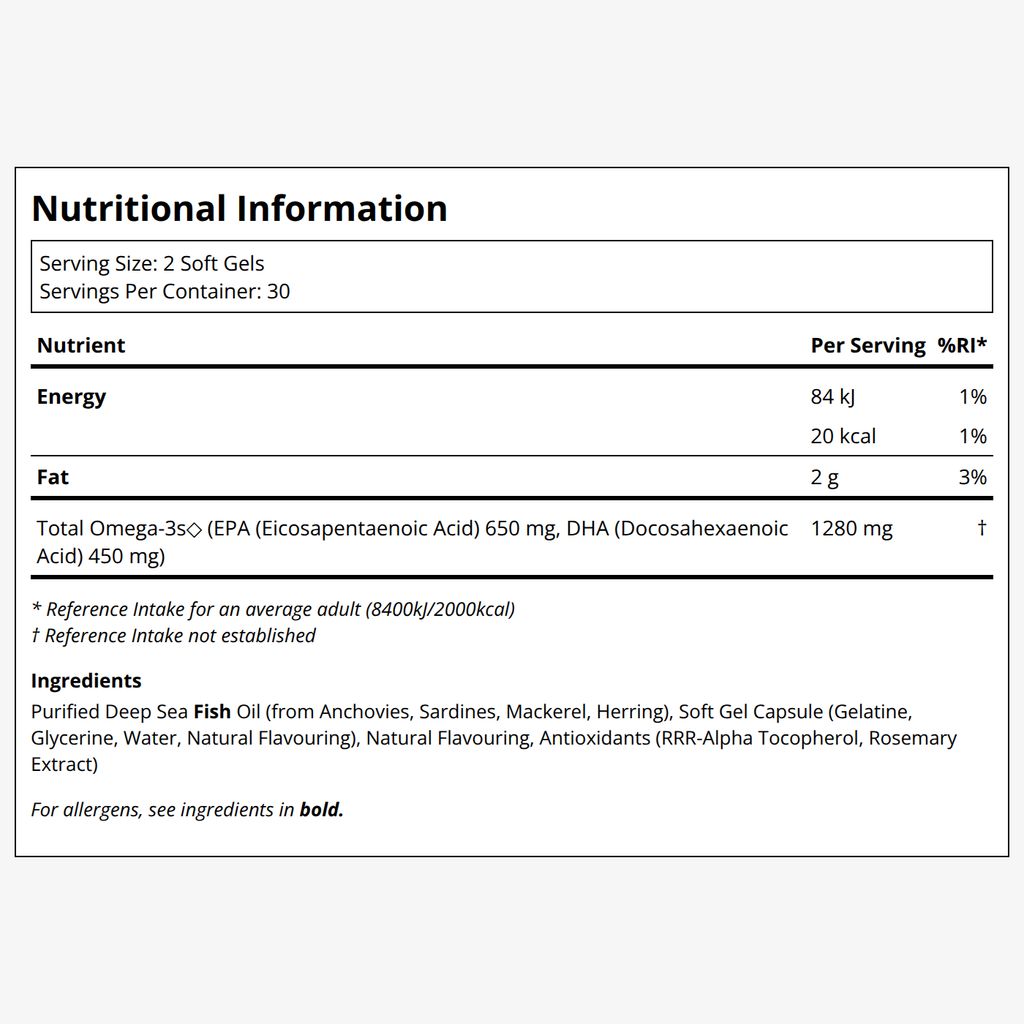
Prioritise protein at breakfast. Stable blood sugar means fewer emergency cortisol surges. ”She also highlights diversity. “A diverse, fibre rich diet, aiming for 30 or more plants each week, calms inflammation which helps regulate both cortisol and sex hormones. Omega 3 fatty acids can also help with reducing inflammation, either through diet – such as oily fish, flaxseed, chia seeds, walnuts, or through supplements.”

What can be concluded about cortisol trends?
The term cortisol belly might grab people’s attention online, but the reality is more layered.
Yes, stress hormones can influence fat storage and water retention, yet changes around the waistline may just as easily reflect bloating, shifts in hormones during perimenopause, or the natural adjustment in body composition that comes with age. Likewise with our skin.
Short term fixes touted online rarely live up to their promises. What works better is a steadier foundation. That means balanced meals built on protein, fibre and healthy fats, consistent eating times, regular daylight exposure, and sleep routines that help reset the body.
Movement matters equally, but it should be the kind that calms rather than adds to stress.
There is also the skin and gut connection to consider. Cortisol can alter gut motility, upset microbiome balance and drive inflammation, which in some people shows up as flare ups of acne, eczema or rosacea. A diet rich in colourful plants, antioxidants and fermented foods supports digestion, and, in turn, skin clarity.
The takeaways
All of this points to a bigger picture, of which cortisol forms a large part, but isn’t the whole story.
Real progress comes from proper nutrition, recovery, sleep and stress management, working together to help the body regain its rhythm.
Start with the foundations rather than quick fixes
Here is a summary of Jasmine’s advice:
Balance meals with protein, fibre and healthy fats.
Eat regularly - no skipping meals and perhaps rethinking relying on coffee instead of a solid breakfast.
Reduce caffeine and ultra-processed foods (like the flat white and biscuits you might be grabbing at 3pm to keep you going through the afternoon).
Build in daily stress management (deep breathing, walking, journaling, meditation or mindfulness).
Jasmine adds: “From there, I would layer in more specific nutrition and lifestyle strategies tailored to each person’s needs, but not without nailing the foundations first.”
You can follow Jasmine Bliss or visit her website at Jasmineblissnutrition.co.uk
Shop EAT at Healf for carefully chosen products that support calmer moods and healthier routines.
FAQs
1. Is cortisol belly a real medical condition?
Cortisol belly is not a formal medical diagnosis, but it does describe a common issue whereby chronic elevated stress can lead to accumulation of belly or ‘abdominal’ fat.
2. Can stress alone cause abdominal fat?
Not exactly. The endocrine system is complex, and cortisol works within the hypothalamic-pituitary-adrenal (HPA) axis alongside hormones like DHEA, insulin and even sex hormones. Stress-related abdominal fat is the outcome of this wider hormonal network, not cortisol acting alone.
3. How does cortisol affect the skin?
High cortisol can increase oil production, trigger acne, and break down collagen, which contributes to fine lines and sagging. It’s also linked to inflammation that worsens conditions like eczema, rosacea and psoriasis.
4. What are simple ways to regulate stress naturally?
Balanced meals with protein, fibre and healthy fats, steady meal timing, good sleep, reducing caffeine, and regular movement such as yoga, walking or light resistance training all help the body regain rhythm to keep cortisol levels in check.
5. When should someone worry about cortisol levels?
If symptoms are severe or persistent, such as rapid abdominal fat gain, facial swelling, irregular periods, or purple stretch marks, it may signal conditions like Cushing’s syndrome and warrants medical advice.



This article is for informational purposes only, even if and regardless of whether it features the advice of physicians and medical practitioners. This article is not, nor is it intended to be, a substitute for professional medical advice, diagnosis, or treatment and should never be relied upon for specific medical advice. The views expressed in this article are the views of the expert and do not necessarily represent the views of Healf
Pippa is a content writer and qualified Nutritional Therapist (DipNT) creating research-based content with a passion for many areas of wellbeing, including hormonal health, mental health and digestive health.
As a contributor to The Healf Source, she regularly attends seminars and programmes on a plethora of contemporary health issues and modern research insights with a drive to never stop learning. In addition, interviewing experts and specialists across The Four Pillars: EAT, MOVE, MIND, SLEEP.
In her spare time, she is an avid swimmer, mindfulness and yoga lover, occasionally bringing a raw, honest approach to the topics she faces. You may also discover some personal accounts of eye-opening wellbeing experiences amidst the reality of a disorientating, and often conflicting, modern wellbeing space.