



















Are Your Cravings Really Cortisol Signals? What The Science Says
Your desire for sweet, salty, crunchy, nutty things can actually tell you a lot about what’s going on in your body. We broke down the science with an expert.

Written by: Pippa Thackeray
Written on: 24 February 2026
The clock hits 9 p.m., and suddenly, you just feel a bit peckish. Maybe it’s salty crisps at the forefront of your mind. Or something nutty, bitter, fizzy, crunchy, warm… perhaps sweet?
Salads and yogurt aren’t going to fit the bill. Nor will a full meal. As you rummage through the kitchen cupboards, you realise that hunger isn’t really the issue here. No, you’re on the hunt for something specific, which should actually signal to you that you’re receiving biological clues about how your brain, sleep, and nutrient stores are functioning in that moment.
Interestingly, only two-thirds of languages have a word for cravings. In most cases, this word only relates to drugs, not food.
Dr. Rhonda Patrick famously points out that food cravings are not actually a lack of willpower, but rather complex signals driven by metabolic, neurological, and physiological factors. Many experts and researchers have their opinions, which tend to differ, or even conflict, on why this elaborate routine of cupboard sifting might occur. Is your body really trying to send you some sort of subliminal message? And how, in this messy haze of messages, can you decode it and properly address your body’s needs?
Cravings give you complex data about your body
For starters, cravings—that feeling where your body is calling out for a specific type of food—is inherently different from hunger. A craving might feel more specific, random, or out of the blue. It’s as if the brain narrows in on a particular taste, texture, or food experience, and suddenly, it’s all you can think about. That’s because cravings are influenced by a whole slew of biological factors. Think of it as the result of an intricate conversation between your hormones, your brain’s reward system, your blood sugar levels, your stress response, your sleep patterns, and, occasionally, your nutrient intake (or lack thereof).
Conversely, hunger builds gradually and, when you’re truly hungry, you’ll eat almost anything.
What is driving that pull?
Current research appears to point to some major categories that actually look a lot like Healf’s own four pillars. In his 4 Pillar Plan, Dr. Rangan Chatterjee highlights how these pillars directly affect appetite and energy levels. In the case of food cravings, they might include:
Diet: How what we eat can cause blood sugar swings, and how under-fuelling the body can result in low protein intake and, in some cases, essential micronutrient gaps.
Movement: The ways in which energy deficits and glycogen depletion—the reduction of stored carbohydrates in the liver and muscles—can be brought on by exercise.
Sleep: How hormonal changes can amplify hunger and increase desire for high-calorie foods.
Stress (versus relaxation): How cortisol, emotional regulation, and reward-seeking behaviour also drive cravings.
As this comprehensive breakdown makes clear, cravings are multi-factorial, so it’s all about trying to untangle the different threads that lead to that feeling. But remember: They can tell you important messages about your wellbeing. After all, if your cravings are the cumulative impact of things like diet, sleep, stress and movement, it makes sense that if one is out of whack, it’s worth addressing.
Your body is playing catch-up
Under-fuelling, blood sugar instability, macro imbalance, hydration and select deficiencies can biologically amplify cravings, according to leading UK nutritional therapists. But the answer to your hankerings may not always be as simple as, “you crave X because you lack Y,” because we are all unique, and have different nutrient, caloric, and even hydration needs.
However, there are some basic guidelines that are worth paying attention to, like energy regulation and micronutrient supply. Let's dive in.
Blood sugar swings and sugar cravings
Eating refined carb-heavy meals and leaving long gaps between eating can make your blood sugar run wild. Enter: Cravings.
Stable blood sugar usually means fewer cravings, according to Sophie Shotter, MBChB, an aesthetic doctor and podcast host of ‘Age well with Dr. Sophie Shotter’. When blood sugar spikes and then crashes, it triggers intense hunger and the afternoon chaos of energy slumps, such as the energy crash one might experience after eating “a huge plate or pasta”. To explain this, she has referenced the TV programme ‘Sugar: The Bitter Truth’, especially Robert Lustig’s comments on fructose.
For menstruating and perimenopausal women, fluctuating levels of oestrogen and progesterone make the body more sensitive to cortisol's effects, further disrupting blood sugar regulation.
To explain blood sugar fluctuations and energy regulation in scientific terms:
Refined-carb-heavy meals or long gaps between eating can lead to blood glucose spikes followed by dips.
Insulin is then triggered to help shuttle glucose from the bloodstream into cells.
When glucose drops quickly, the brain perceives an energy shortfall and increases drive for fast fuel.
Ultra-processed carbohydrates amplify rapid spikes.
Repeated cycles of blood sugar spikes can condition your body to prefer quick-energy foods.
To clarify, this is about energy regulation, not simply “sugar addiction.” It’s important to distinguish between normal everyday glucose fluctuations and clinical hypoglycaemia, which is a condition marked by consistent low blood sugar which is quite rare in healthy individuals.
In order to counteract the negative effects of blood sugar dips, Dr. Shotter has recommended including practical blood sugar stabilisers in your diet, like protein and fibre, and eating meals at regular intervals. Why? Because protein stimulates satiety hormones (GLP-1, PYY), whilst dietary fat slows gastric emptying and supports fullness. Plus, chronic under-eating, or leaving too much time between meals, increases ghrelin (the hunger hormone).
Ultra-processed foods and taste conditioning
Recent studies have revealed that volunteers given ultra-processed food ate 500 calories a day more than when they were given unprocessed meals. This could support the theory that both immediate and continued exposure to high-salt, high-sugar foods have the ability to recalibrate our taste preference.
It has long been established that certain “hyper-palatable” foods are engineered for reward intensity and, over time, less intense foods can feel “unsatisfying.” It has also been hypothesised, particularly within the framework of the Elaborated Intrusion (EI) theory of desire, that when it comes to ultra-processed food, cravings often involve vivid mental imagery of the food and, subsequently, dopamine is released in anticipation — not just during consumption.
What does my body actually need me to eat?
More to the point, which messages are real? And specifically, which ones denote our body’s true needs versus the ones resulting from a high-sugar, UPF-rich diet?
The reality is, when our bodies and brains are not being hijacked by junk foods, true nutrient-deficiency-driven cravings may be more tangible.
Iron
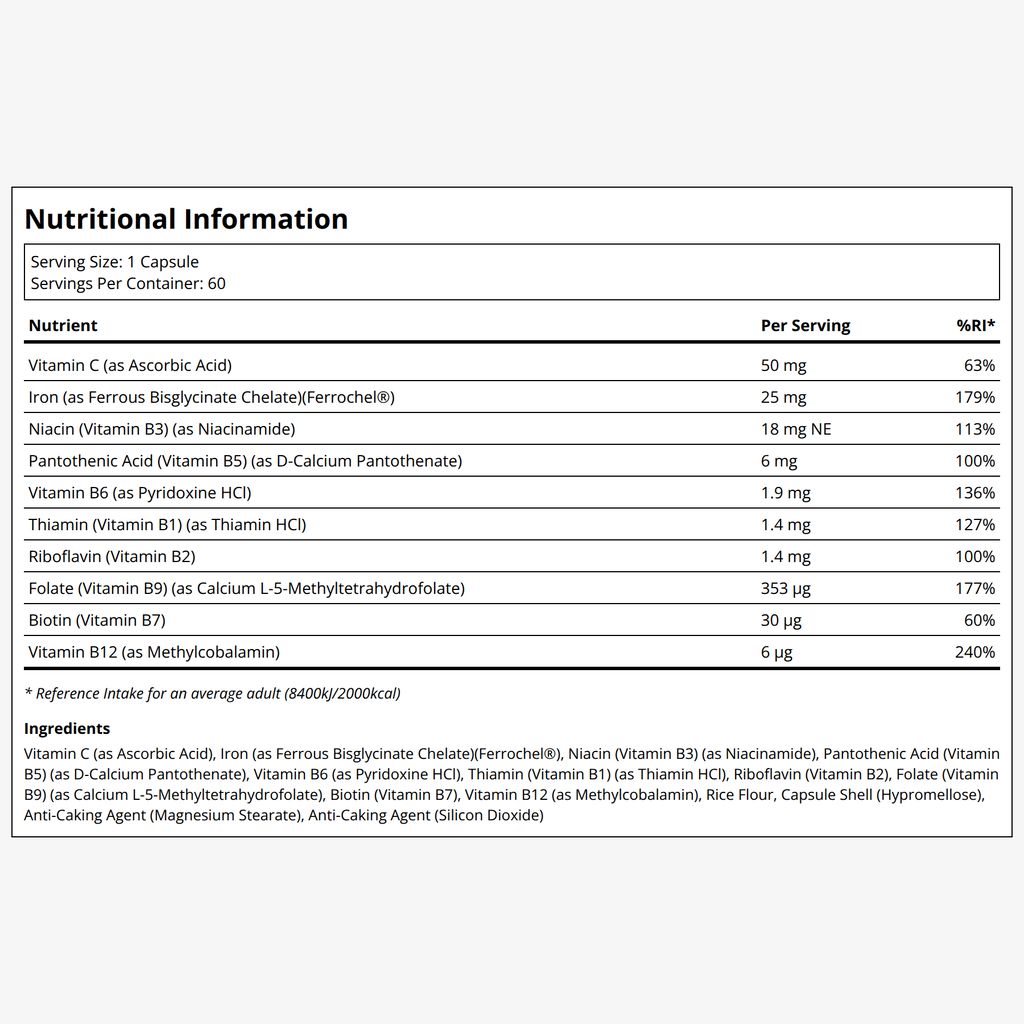
Craving red meat has long been a sign of iron deficiency or anaemia, as your body seeks to replenish low iron stores, which are essential for carrying oxygen in your blood. These cravings often manifest as a sudden desire for steak, burgers, or other meats, especially during menstruation. It would also logically have grounds, as red meat, in particular, is high in iron.
Iron deficiency can cause fatigue and, in severe cases, pica, a condition where a person experiences cravings for non-food items such as paper, soap, charcoal, or chalk, etc.
Sarah Bocquillon, dipCNM, a nutritional therapist and member experience lead at Healf Zone, explains: “If you crave red meat, and you’re also experiencing symptoms such as fatigue, low energy, pale skin, feeling cold or have heavy periods, then this could potentially point to low iron. It’s then worth checking ferritin, haemoglobin, transferrin saturation, and ideally a full iron panel.”
According to NHS advice, other signs and symptoms of iron deficiency anaemia can include:
Tiredness and lack of energy
Shortness of breath
Heart palpitations
Paler (than usual) skin
Headaches
It’s estimated that around 3% of men and 8% of women have iron deficiency anaemia in the UK.
Sodium and electrolytes
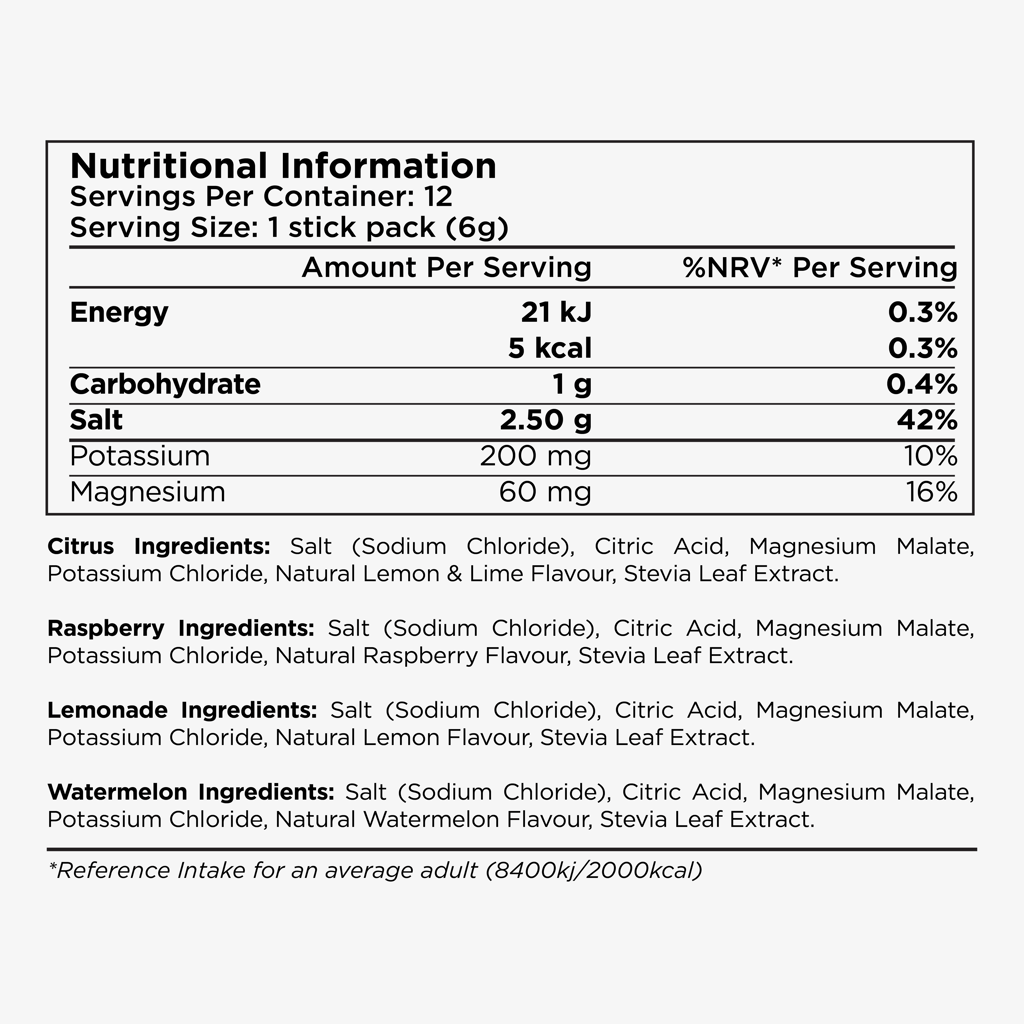
One of the stronger physiological links to cravings and physiological needs involves sodium. Under conditions where you’re heavily sweating (whether in the sauna or during a workout), and your sodium intake is low, your appetite for salt naturally increases. This may be because when water intake is too low, it may raise blood sugar because the body produces more concentrated blood, making glucose levels seem higher. “Mild dehydration is often mistaken for hunger and can trigger cravings, especially for salty or sugary foods, when your body actually needs fluids.”
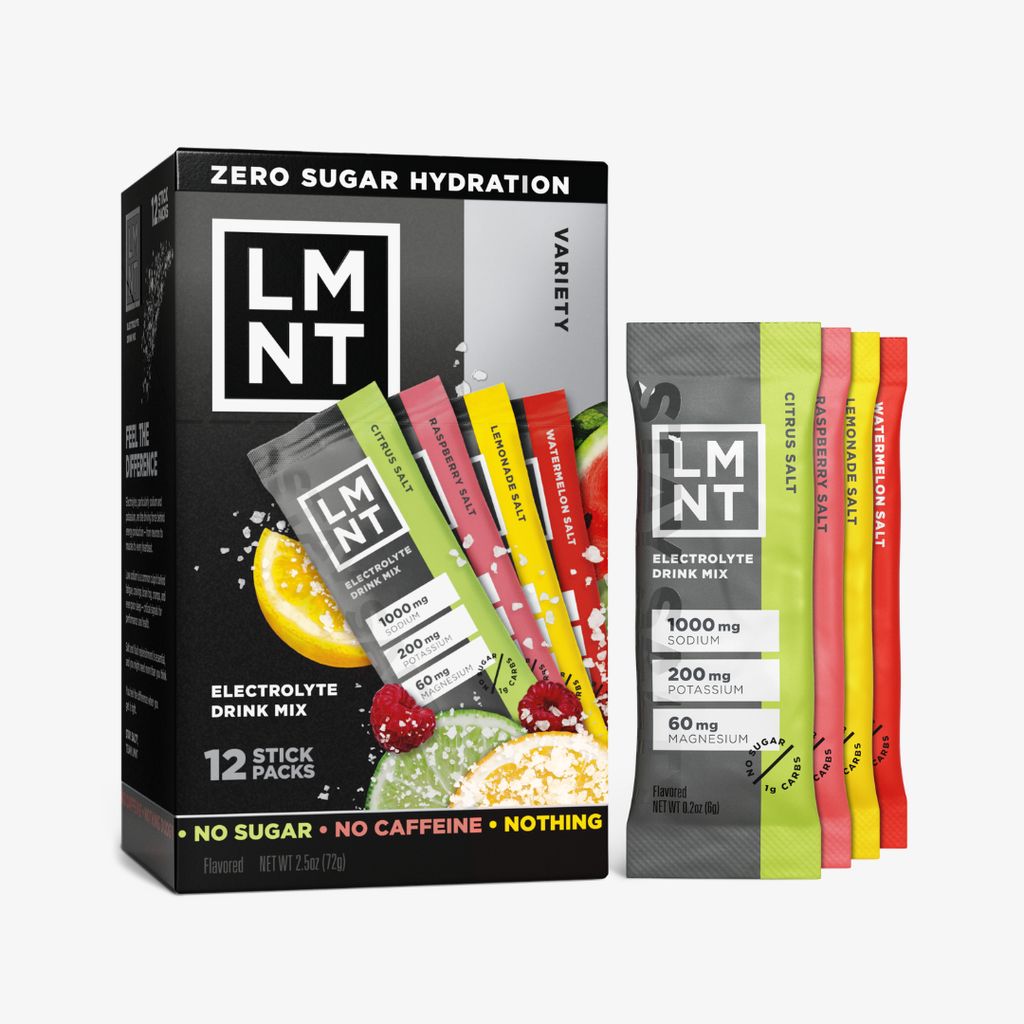
Other important minerals that you might miss out on if you’re dehydrated include potassium, magnesium, calcium, chloride, phosphate and bicarbonate. That’s where electrolytes come in. These supplements can carry other minerals that your body might need, and can help keep you hydrated.
If you’re feeling dehydrated, it’s a good idea to pause, hydrate, and reassess in 10 to 15 minutes, once your body begins to absorb the fluids. That said — hydration won’t fix all cravings, because there are many nutritional and other lifestyle aspects at play.
Do artificial sweeteners sustain sweet cravings?
In a 2017 review in the British Journal of Sports Medicine, the authors compared sugar to being as addictive as cocaine. One study from The University of Cologne concluded that foods high in sugar can “rewire the brain to demand more in the future.”
So, what about artificial sweeteners? These additives often provide a sweet taste without calories, but the evidence is mixed regarding their ability to keep cravings at bay.
Some argue that certain sweeteners can be enjoyed in moderate amounts to limit intake of refined sugar. But there are definite drawbacks. While these alternatives might not cause the blood sugar spikes you get from regular sugar, that doesn’t mean they are totally harmless. And their potential negative health impacts are still a big topic of conversation.
You may end up preferring the high-intensity sweetness these sweeteners can bring over regular sugar, especially if you consider that some artificial and non-nutritive sweeteners are significantly stronger than sugar (roughly 300 to 13000 times sweeter) requiring only tiny amounts to match the taste of sucrose.

Watch how much energy you’re expending
It’s true that cravings often respond not only to nutrition, but to energy expenditure. Movement can alter the demand for fuel while also impacting hormonal signals and your brain’s sensitivity to reward.
Intense exercise and carb cravings
During endurance or high intensity exercise, glycogen stores are depleted as your muscles draw heavily on carbohydrates for fuel. After training, the body prioritises restoring these carbohydrate reserves before anything else. As a result, post-workout carb cravings often reflect a genuine physical need.
That said, it is important to separate strategic refuelling from reward eating. Meftah Dagali, London-based personal trainer, has backed this advice, stating that food should not need to be earnt. Online, plenty more PTs agree that a shift in mindset is needed in people who believe working out is simply the only way to grant yourself a ‘treat food’.
“The louder the deficit, the louder the cravings.”
A sustained energy deficit does not go unnoticed by the body. When calories remain too low for too long, ghrelin rises, intensifying hunger signals, which can also spark specific cravings.
When you’re in this state, the brain becomes more responsive to food reward. Foods that your brain reads as “delicious,” which generally means they’re rich in sugar and fat, feel more compelling and harder to resist.
It’s a pattern that is particularly common for people doing a restrictive diet or during a heavy training block.
When sleep goes down, cravings turn up
If you’ve ever had a really tough week at work where you didn’t get much sleep, you’ll know that you tend to reach for sweeter, saltier, fattier foods on those days. Even people getting shorter sleep blocks (4 to 5 hours) have been shown to increase their calorie intake the next day, with a stronger pull towards energy dense, highly-palatable foods.
Some research indicates that leptin falls when sleep is restricted, weakening the signal that tells your brain you are full and satisfied.
Bocquillon explains that poor sleep “increases ghrelin, your hunger hormone, and reduces leptin, your satiety hormone. It also raises cravings for high-sugar, high-carb foods the next day, so it is essential to have a proper sleep routine.”
Your brain on sleep loss
Sleep deprivation increases activity in the brain’s reward centres, making tempting foods appear more appealing than usual. At the same time, regions responsible for impulse control show reduced activity, weakening your restraint around food choices.
Matthew Walker, a global sleep expert and author of Why We Sleep, has previously pointed out that sleep deprivation triggers increased activity in the amygdala (a deep emotional centre in the brain), making the brain more susceptible to cravings for unhealthy foods.
That’s compounded by the fact that longer waking hours create more opportunities to eat, and circadian misalignment alters hunger hormone timing.
Craving sugar? Look to stress.
Turns out, there is some truth behind the phrase “stress eating.” Chronic stress often leads to an increased desire for “comfort foods,” that tend to be high in fat or sugar. The reasons for this can be broken down based on a number of research categories:
Hormonal shifts (cortisol): When you are under chronic stress, your body releases higher levels of cortisol. This hormone increases the likelihood of cravings for sugary and fatty foods.
Responding to emotion: Some people experience an urge to eat certain foods in response to strong emotional needs, such as anxiety, loneliness, or boredom, rather than physical hunger.
The “reward” mechanism: High-fat and high-sugar foods activate the reward pathways in your brain. As a result, your brain may crave these foods to feel ‘calm’ again.
Disrupted satiety: Research suggests that stress can override the brain's natural “I’m full” signals, meaning you might continue to feel hungry and eat even after consuming enough for your actual physiological needs. This is primarily due to a decrease in leptin (the hormone that signals fullness) and an increase in ghrelin (the “hunger hormone”), making it harder to feel satisfied.
Decode your own cravings: A checklist
Experiencing a craving? Here are a few quick things you can check:
Did I eat enough protein today?
Have I eaten regularly?
Am I well hydrated?
How am I doing for electrolytes?
Did I get good quality sleep?
Have I been particularly stressed?
Did I train without refuelling properly?
What cravings don’t always signal
What you’re craving isn’t just about the pleasure of eating it. Experts believe it’s more so about our physiology and the conditions we find ourselves in.
Regular meals with adequate protein, fibre and carbohydrate intake (matched to training), consistent sleep, and stress control are likely to steady these craving signals. And, when those wellbeing foundations are in place, your cravings become clearer indicators of your body’s fueling or recovery needs, not something to wage war on.
Shop EAT at Healf and build steadier energy and appetite with smarter nutrition at Healf.



This article is for informational purposes only, even if and regardless of whether it features the advice of physicians and medical practitioners. This article is not, nor is it intended to be, a substitute for professional medical advice, diagnosis, or treatment and should never be relied upon for specific medical advice. The views expressed in this article are the views of the expert and do not necessarily represent the views of Healf
Pippa is a content writer and qualified Nutritional Therapist (DipNT) creating research-based content with a passion for many areas of wellbeing, including hormonal health, mental health and digestive health.
As a contributor to The Healf Source, she regularly attends seminars and programmes on a plethora of contemporary health issues and modern research insights with a drive to never stop learning. In addition, interviewing experts and specialists across The Four Pillars: EAT, MOVE, MIND, SLEEP.
In her spare time, she is an avid swimmer, mindfulness and yoga lover, occasionally bringing a raw, honest approach to the topics she faces. You may also discover some personal accounts of eye-opening wellbeing experiences amidst the reality of a disorientating, and often conflicting, modern wellbeing space.
_2026-10-13_14-11-48.png)