














































_2026-10-13_14-11-48.png)


The Ultimate Guide To Fasting To Safely Reap The Metabolic Benefits
If you’re embarking on a fast—for any reason—there are a few ground rules you should follow to reap the most benefits and properly support your body.

Written by: The Healthy Living Team
Written on: 17 February 2026
Taking a look at the headlines, it appears there are both positive and negative cases put forward for fasting in terms of our wellbeing. So, where lies the truth? And what should you do to stay safe?
During a fast, research shows that your body starts burning fat and recycling amino acids through a process called “autophagy,” which is when the body starts clearing and renewing cellular components. In shorter bursts, with the right conditions and nutritional support, fasts have been shown to help muscle strength and support weight loss. They can even help lower blood sugar and improve insulin sensitivity.
But be aware that many common fasting errors, including fasting for longer than necessary, can cause issues such as nutrient deficiencies, spikes in cortisol, or even lead to injury and fatigue.
In any case, it is recommended that you listen to your body and work with a licensed professional to ensure maximum safety when undertaking a fast or making any drastic changes to your diet.
What is ‘Intermittent Fasting’?
Intermittent fasting is distinguished from other types of fasting and traditional dieting by its focus on when you eat rather than what you eat. While traditional dieting often involves daily calorie restriction, and other fasting methods may involve long, multi-day, or water-only protocols, intermittent fasting has increased in popularity among wellbeing practitioners due to its ability to fit into a more sustainable lifestyle pattern.
It’s also worth understanding that intermittent fasting itself comes in many formats, with a propensity for variation within the topic.
Some approaches involve going without food for a fixed window each day, while others stretch the fast to a full 24 hours, repeated a few times weekly. Many popular intermittent fasting plans may not require you to miss a meal, and instead preach healthy habits, such as simply not eating late at night.
What happens in the body when we fast?
Sarah Bocquillon, dipCNM, a nutritional therapist and member experience lead at Healf Zone, explains: “When you stop eating, insulin levels fall. Insulin is the hormone that signals the body to store energy. As insulin drops, the body shifts from using incoming glucose from food to using stored energy.”
How can I fast in a way that supports my health?
Fasting can be safe and beneficial for your overall heath and wellbeing if done properly. Here are some expert tips for making sure your fast goes smoothly, and that you’re supporting your body throughout.
It’s incredibly important to make sure you’re drinking enough during your fast. Remember that we often obtain up to 30 percent of our daily fluids through the foods we eat, so you’ll need to drink more than you usually do to supplement that loss.
“Hydration is super important because insulin drops during fasting, which reduces sodium retention, meaning you lose more water and electrolytes, plus dehydration increases fatigue, headaches, dizziness and stress hormones,” says Bocquillon. As such, staying well hydrated helps you maintain blood pressure stability, energy levels, cognitive clarity and kidney function.
Be aware that beverages that have caffeine, such as coffee and black tea, are mild diuretics (making you urinate more). They can also trigger acidity or heartburn if consumed on an empty stomach. Therefore, it’s important that you don’t rely on them as your only source of fluid – consume water, juices or bone broth.
After fasting, the body is more sensitive to insulin. So, post-fast overeating, or loading up on processed, sugary foods can cause a rapid blood sugar spike (and crash) or trigger digestive discomfort. This is because your body has just fasted, and overeating can be a shock to the body, increasing overall inflammation. It also counteracts metabolic benefits thanks to that big spike in insulin.
For women who get their periods, blood sugar swings can really disrupt hormonal balance, says Bocquillon, so it’s important to gradually “re-feed” to support a smoother metabolic regulation.
Lots of experts in fasting, like Rose Glover, CHNC, a nutritional therapist, recommend filling up on foods found in the Mediterranean diet, such as leafy greens, healthy fats, whole grains and good sources of protein.
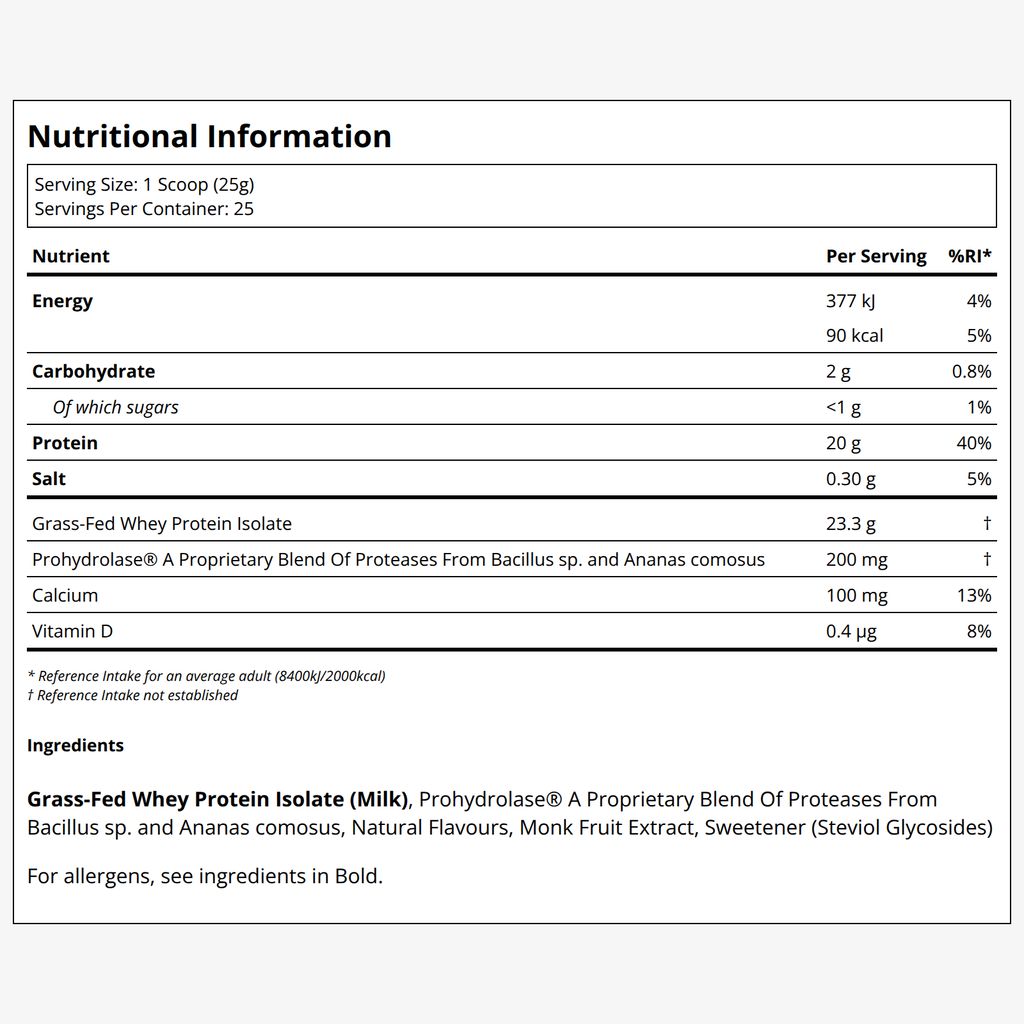
When you do finally break your fast, it’s important to avoid muscle loss and support your energy by getting enough protein. This will also help keep you satiated for longer, making your fast all that much easier.
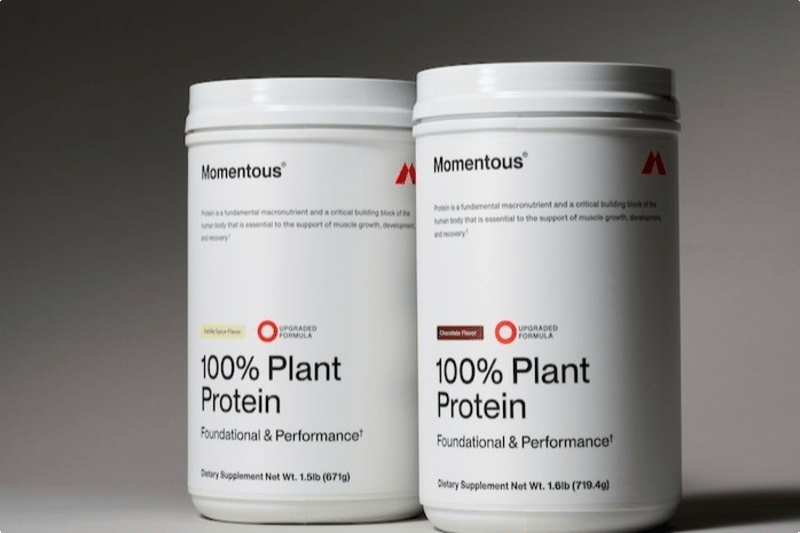
Bocquillon recommends using protein powder, either a plant-based one like Truvani or Momentous’ Grass-Fed Whey Protein Isolate, to bump your intake. You can also sip on Ossa or Freja Foods bone broth to slowly break the fast and rehydrate, as it's high in protein.

This is especially important if you’re not a fasting pro. Instead of hitting it hard on the treadmill, opt for a walk or gentle yoga. Your body isn’t getting the same energy it usually does from food, so you should make sure that you listen to what it’s telling you.
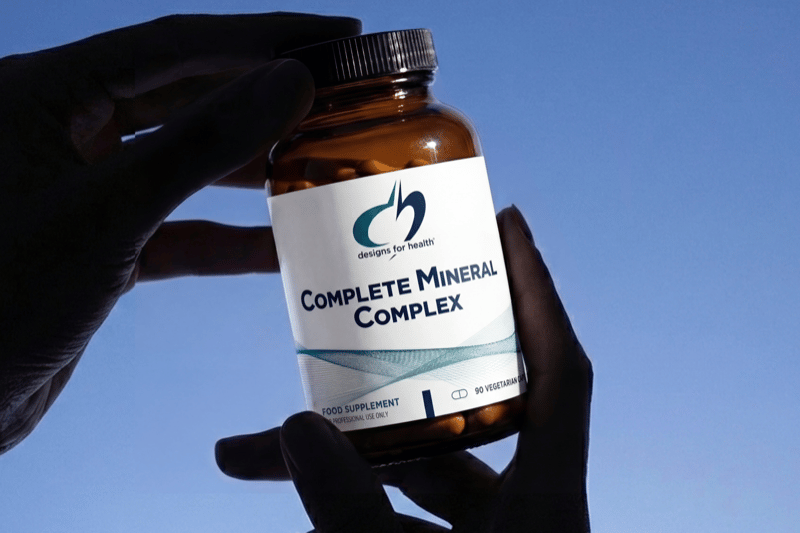
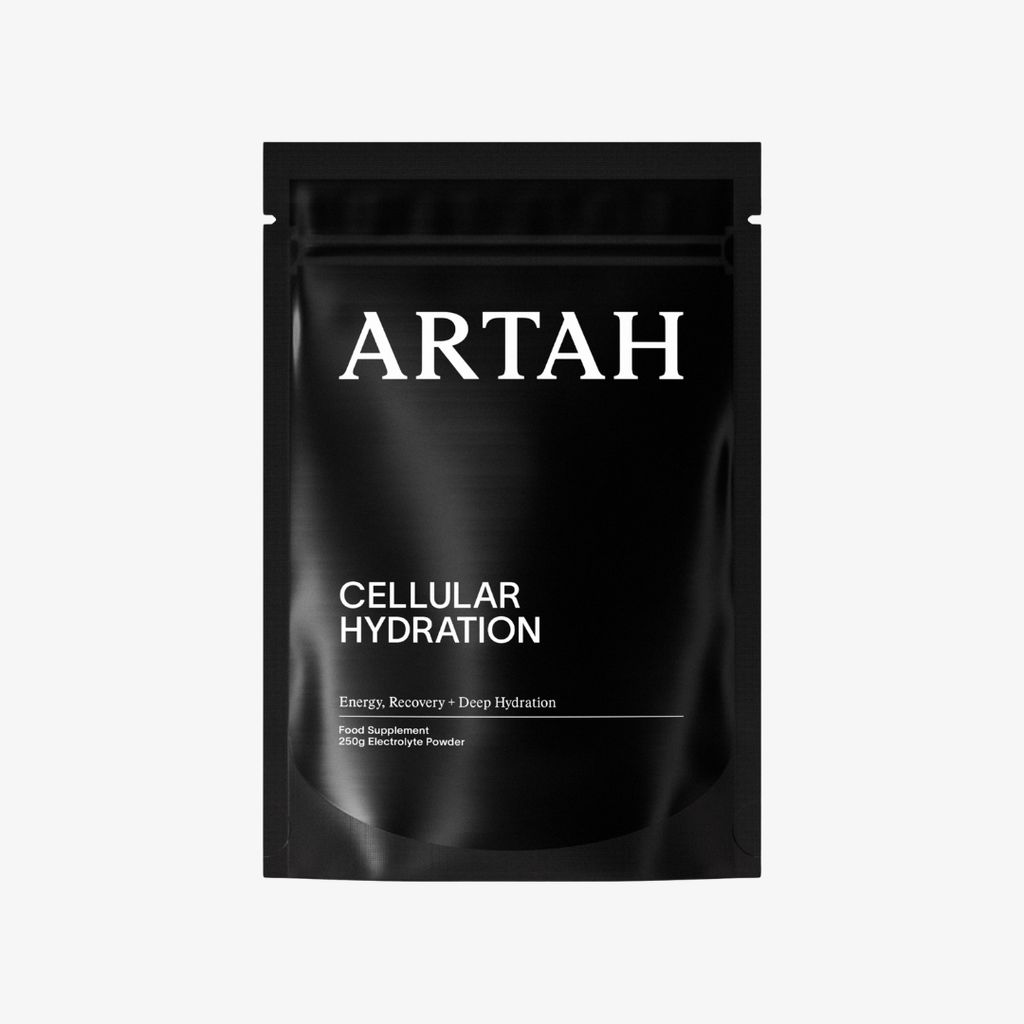
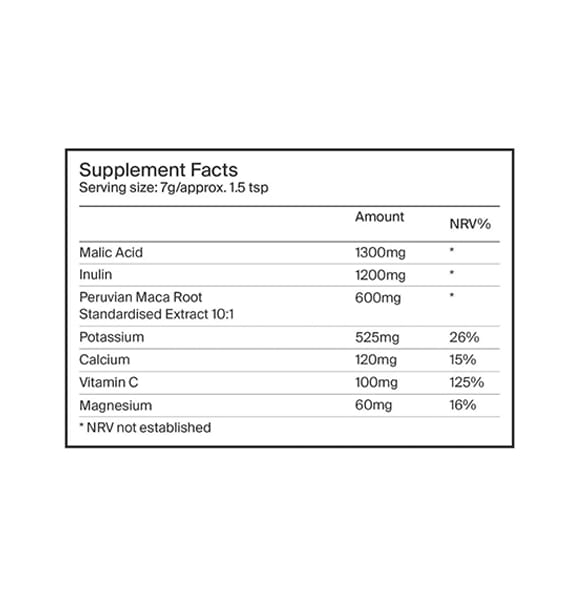
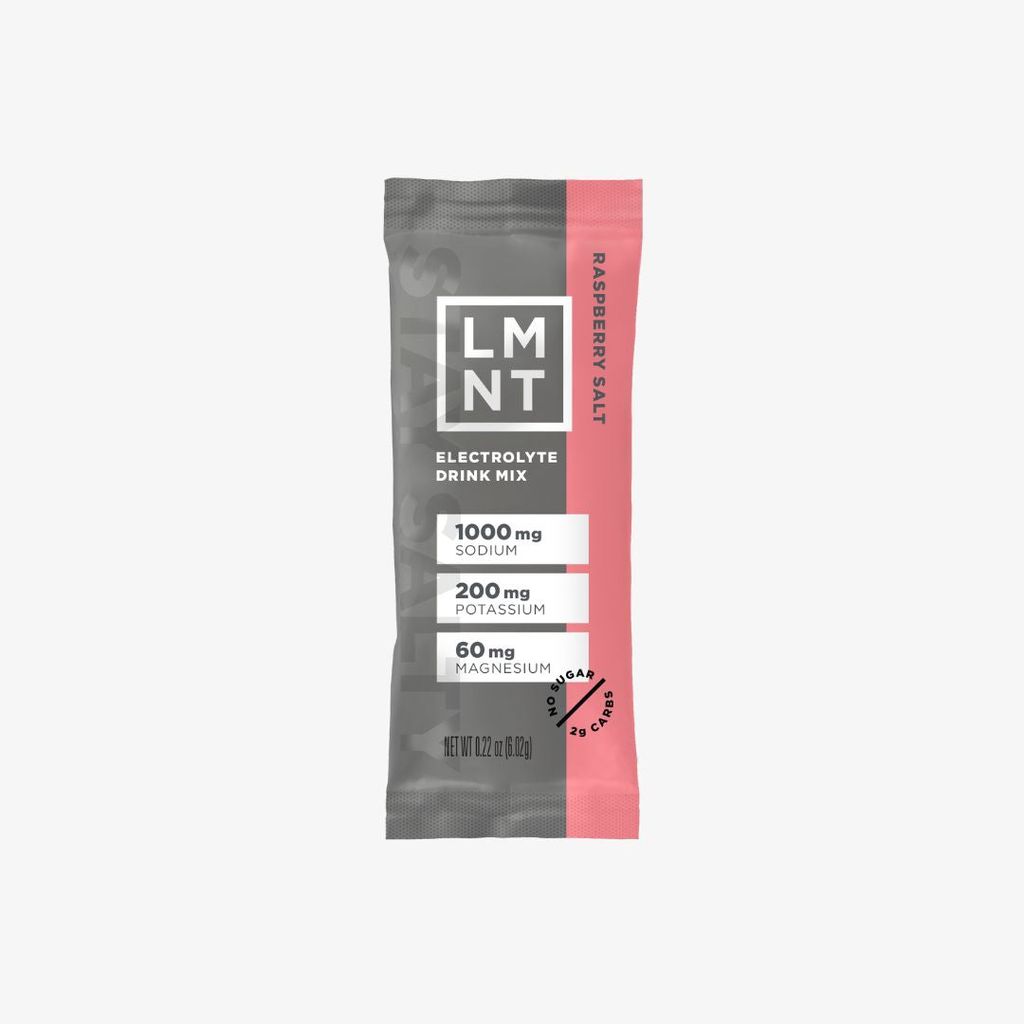
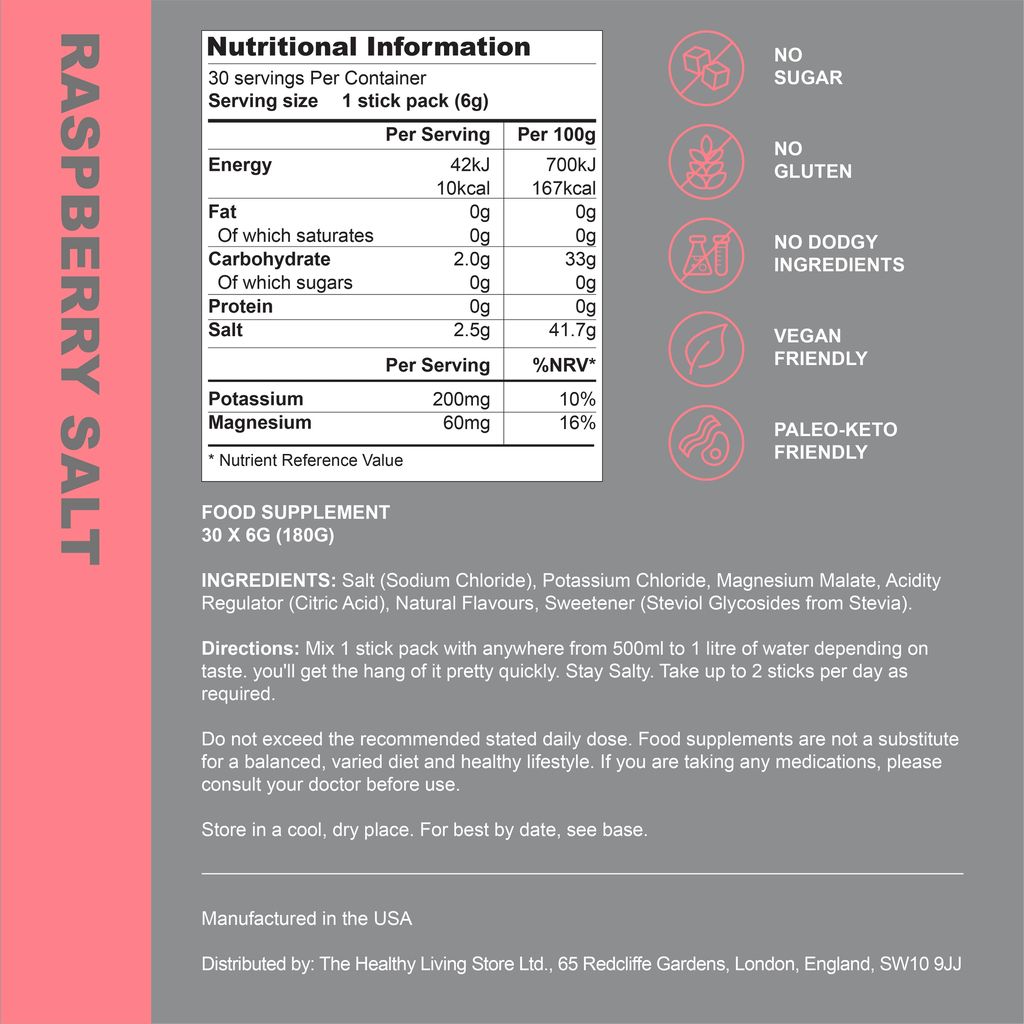
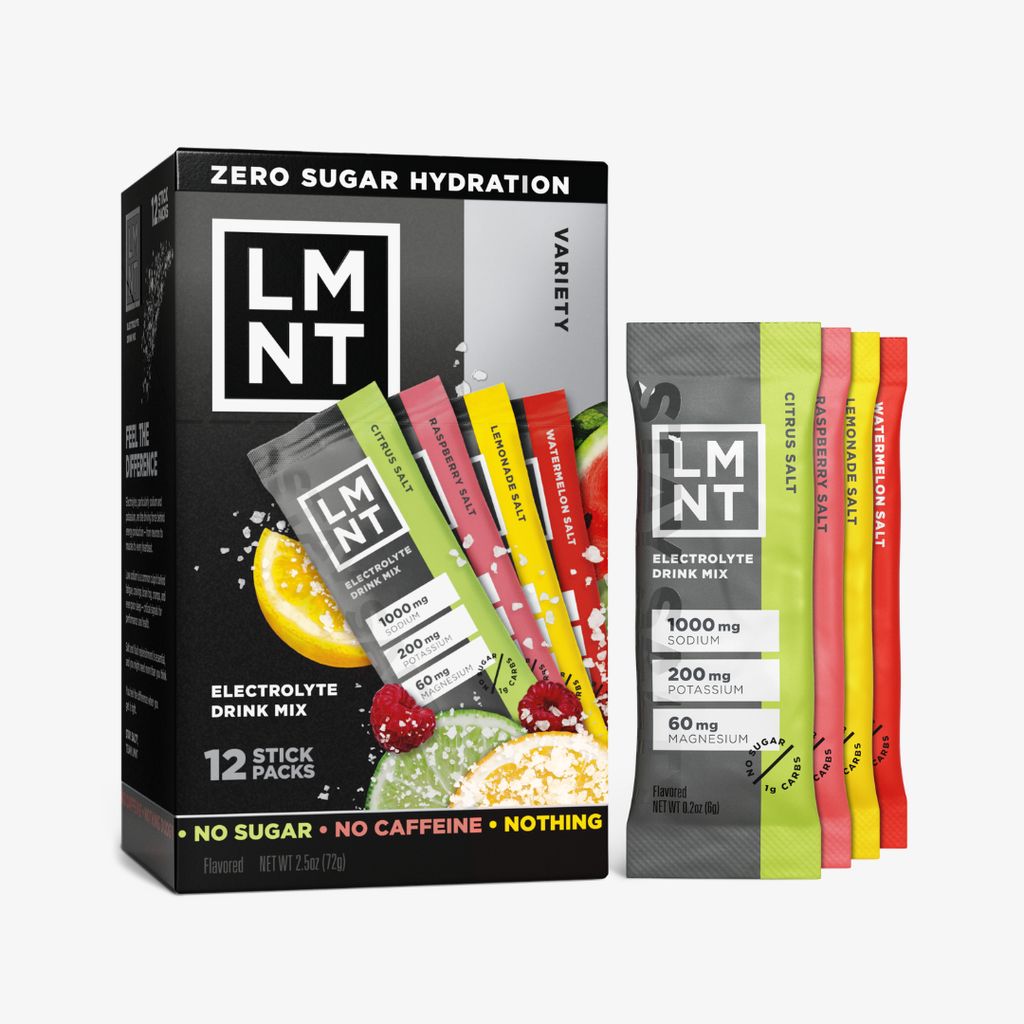
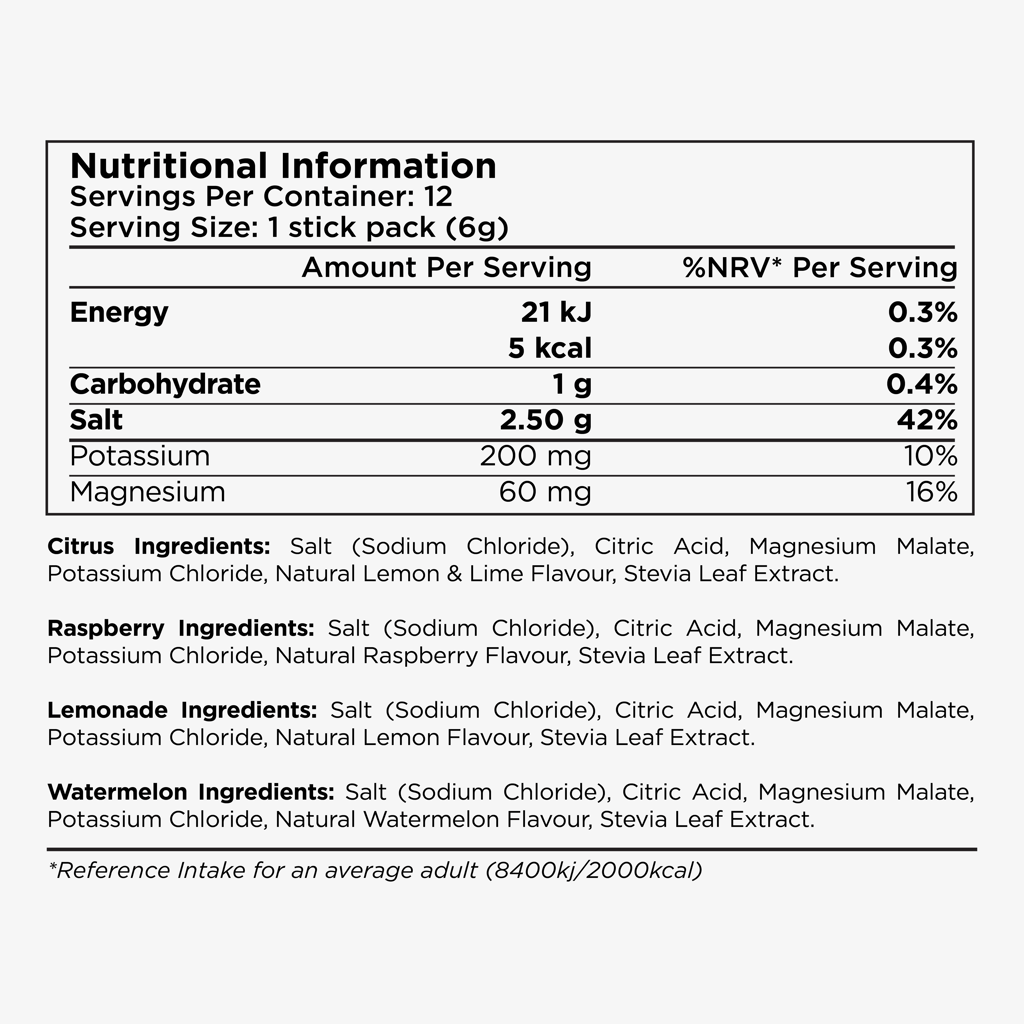
Taking electrolytes is considered “breaking the fast” in certain, very strict types of fasting, though it is generally allowed, and often necessary, in most common fasting types.
Bocquillon says that electrolytes during a fast (and post-fast) can help prevent symptoms like lightheadedness, fatigue, and headaches. They also help restore sodium and fluid balance. Her personal recommendation is e-lyte Balanced Electrolyte Concentrate.
Plus, for people taking part in fasting traditions like those during Ramadan or Lent, pure electrolytes without added sugar can be a great way to make sure you stay hydrated, such as during Iftar or in other cases when a fast is broken.
Who should fast?
Most importantly, fasting isn’t for everyone. That’s especially true for people who are pregnant, breastfeeding, or have a chronic disease or condition like diabetes or low blood pressure, which requires management and medications.
Men and postmenopausal women often tolerate longer fasts more easily, and the body is more responsive to the metabolic changes, per Bocquillon. Menstruating women, however, may experience more stress hormone activation with prolonged fasting, particularly in the luteal phase, as the body typically requires ample carbs to produce hormones.
It’s also worth noting that women can be more sensitive to the potential negative health impacts of fasts.
Extended fasting periods can increase cortisol levels due to the body's perception of stress from calorie restriction, which can lead to hormonal imbalances, disrupted menstrual cycles, and increased anxiety. Instead, it may be helpful to focus on eating balanced meals at regular intervals to help stabilise blood sugar and reduce unnecessary cortisol spikes.
Which type of fast should I do?
Fasting has been a part of our lives for hundreds of years, and almost every major religious group includes some sort of fasting ritual, from Ramadan, to Lent, Yom Kippur, and Ekadashi.
Other secular fasting routines have been popular in recent years and include the following methods:
- 24-hour fast: Fasting for a full 24-hour period.
- Alternate day fasting: Fasting for 24 hours on alternate days.
- The 16/8 method: Fasting for 16 hours per day and eating within an 8-hour window.
- The 5:2 method: Eating a normal diet for five days, followed by two days of only 500 to 600 calories.
- The 6:1 method: The same as above, but only reducing calorie intake on 1 day per week.
Some people also choose to do a 36 or 72-hour fast, but it’s best to only attempt these under medical supervision, as these fasts can be dangerous if inappropriately managed.
The 16/8 method is widely considered the most popular and commonly adopted form of intermittent fasting.
Glover expands on the method, describing it as “the most practical and sustainable option” for most people. It aligns naturally with overnight fasting and is generally easier to maintain, she said.
“This involves fasting for 16 hours each day and eating within an 8-hour window,” she explains, for example between 11am and 7pm, fasting overnight and through the morning.
Abstaining from food in the 8-hour time window may help improve insulin sensitivity by extending the period when insulin levels remain low. It can also support appetite regulation for some people.
However, she stressed that quality may outweigh timing. “The quality of food during the eating window matters often more than the fasting window itself.”
What is fasting insulin and why does it matter?
Fasting insulin refers to the level of the hormone insulin in your blood after you've fasted. Insulin, Glover notes, is the hormone that moves glucose from the bloodstream into cells for energy or storage. Persistently elevated fasting insulin can signal insulin resistance and is strongly associated with increased risk of type 2 diabetes, metabolic syndrome and cardiovascular disease. Lower, stable levels generally suggest better metabolic health.
You can measure fasting insulin using a blood test, and it’s often best done first thing in the morning. This test can be an early screening marker for insulin resistance, particularly as levels often rise before fasting glucose becomes abnormal.
But Glover stresses that on its own, a blood test is not the most accurate measure, as it doesn't reflect how the body responds to glucose over time. In practice, it is more informative when interpreted alongside fasting glucose, for example through a HOMA-IR calculation.
Remember, in health, homeostasis is all about balance.
What to remember about intermittent fasting for better metabolic health
Fasting can support wellbeing, but only when it matches your unique physiology and your personal circumstances. “Intermittent fasting is not suitable for everyone. It is not recommended for pregnant or breastfeeding women, underweight individuals, those with eating disorders, or anyone with certain medical conditions, unless supervised,” says Glover.
She is equally direct about what actually improves metabolic health. “In practice, consistency, food quality and overall lifestyle habits tend to drive metabolic improvements more reliably than aggressive fasting protocols.”
So, if you are following a light fasting guide to improve insulin sensitivity or metabolic markers, focus on balanced, protein-rich meals, fibre, healthy fats, and complex carbohydrates within your eating window.
In short, thoughtful nutrition will always outperform a rigmarole of rigid restrictions.
Shop EAT at Healf. Build smarter fasting solutions through better nutrition.




This article is for informational purposes only, even if and regardless of whether it features the advice of physicians and medical practitioners. This article is not, nor is it intended to be, a substitute for professional medical advice, diagnosis, or treatment and should never be relied upon for specific medical advice. The views expressed in this article are the views of the expert and do not necessarily represent the views of Healf