































_2026-10-13_14-11-48.png)


Best Ways To Up Your Fibre Intake With Supplements
The start of 2026 saw a five-year high in people googling questions about the macro. Here's your Healf Guide to all things fibre.

Written by: Ed Cooper, Pippa Thackeray
Written on: 30 March 2026
First it was protein, then it was creatine... now, it’s fibre. The start of 2026 saw a five-year high in people searching not just for fibre, but asking what it is, how it works, and exploring its myriad benefits for our wellbeing. Often referred to as the "fourth macronutrient" alongside protein, carbs and fats, fibre plays an important role in our bodily functions, including weight management, heart health, digestive health, and blood sugar control. That said, getting enough of it in your diet is often easier said than done, which is where supplementation can come in.
To help lift the lid on the actual roles fibre supplements can play for your wellbeing, we've recruited the expertise of sports nutritionist Paul Garrod (IOPN Dip. SENr), nutritionist Jenna Hope (RNutr), and more to create a digestible guide on this important nutritional topic.
Welcome to high fibre supplements 101.
What is fibre?
First things first — let’s focus on the basics. Fibre is an indigestible type of carbohydrate that is found in plant-based foods such as fruits, vegetables, grains, and legumes, says Hope. There are four main types: soluble, insoluble, resistant starch and prebiotic fibres. In the world of supplements, soluble and insoluble are two of the most popular types people take to boost fibre intake.
Soluble fibre
Soluble fibre — as the name suggests — dissolves in water, forming a “gel-like substance” in the gut, says Hope. This type is a triple threat: "It supports digestion, cholesterol and blood glucose management."
Insoluble fibre
Insoluble fibre, on the other hand, doesn't dissolve; instead, it adds bulk to the stool and “reduces constipation,” says Hope. Most plant foods contain a mix and both earn their place.
Why is fibre good for gut health?
There’s plenty of science behind fibre's role in gut health. “Many fibres act as prebiotics,” says Garrod, “meaning they are fermented by beneficial gut microbes in the colon, producing short-chain fatty acids that help maintain the intestinal lining, support immune function and regulate inflammation.”
As for regularity, fibre increases stool bulk and water content, keeping bowel habits consistent — as well as a link to greater microbial diversity in the gut microbiome, which researchers broadly consider a hallmark of good gut health. At a time when more and more young people are being diagnosed with colon cancer, doctors recommend that people consider taking a fibre supplement because it can directly lower your risk.
Beyond digestion, fibre also supports healthy cholesterol levels, satiety, and the body's natural detoxification pathways — “which are vital for managing healthy hormones.”
Not getting enough fibre? There are health consequences for that, too. A low-fibre diet is linked to poor gut health and bowel function, an increased risk of bowel cancer, and potentially compromised heart health.
How much fibre do you actually need each day?
In the UK, the current advice for adults is to consume around 30 grams of fibre per day. Yet, data outlined by the University of Reading suggests that average fibre intake sits closer to 18 grams daily, far below the recommended amount. Moreover, 96% of UK adults are not reaching current fibre intake guidelines, according to the 2025 government report, and higher fibre intake has been linked with lower risk of type 2 diabetes and colorectal cancer.
A 2019 review published in The Lancet found that a dietary fibre intake of 25g to 29g or more daily was correlated with a 15 to 30% reduction in mortality from cardiovascular disease and other chronic conditions compared to people with low intake.
How do you know if you need a fibre supplement?
Both Garrod and Hope agree that adults should aim to consume whole foods that contain fibre, rather than focusing on supplementing. “Generally, it's important to get your fibre from dietary sources,” Hope says.
It helps to be more mindful about the dietary decisions you are making at each meal, says Lizzie Garside, CNHC Registered nutritional therapist. And this need not be stressful or complicated. Beans, lentils, and pulses can be added to one-pot dishes to bulk meals out while increasing fibre and protein. Simple swaps, like choosing wholegrain rice or pasta, or grains like barley, quinoa or spelt, can help too. Oats are a great source of beta-glucans fibre, which may help reduce cholesterol levels in the body.
However, Hope acknowledges that not everyone can get all their fibre from their diet, and this is shown out in UK health data. Allergies, dietary preferences, or low intake of fruits, vegetables, wholegrains, legumes and nuts — these are all flags that a supplement might be worth considering. So too are specific health goals: high cholesterol, blood sugar management, or persistent constipation can all make a targeted fibre supplement a sensible addition.
There’s one caveat Hope is keen to flag, however. For individuals with gut-related conditions or diseases, a fibre supplement may not be appropriate, she says. So check in with your health provider if you’re concerned about fibre supplementation.
Can fibre help you get rid of microplastics?
Fibre is by no means a magic remedy for microplastic detox, but recent studies seem to support the idea that dietary fibre can help your body flush some microplastics from your system. The average American consumes anywhere from 39,000 to 52,000 microplastic particles each year, and this number only grows when you factor in microplastics you may breathe in or those who drink solely out of plastic water bottles, per a 2019 study.
A 2024 paper suggests that dietary fibre, which has great absorption qualities, could potentially help absorb microplastics in the gut, which can then be excreted. Another recent study found that a type of fibre called chitosan helped rats get rid of microplastics through excretion. However, far more research, and specifically research in humans, is still needed before there's a definitive answer to this question of how fibre plays a role in microplastic detox and which type of fibre may be best.
For now, doctors say that it's still a good idea to hit the recommended daily fibre intake metrics.
How to know which fibre supplements are best for you
Fibre affects far more than just bowel movements. These days, there's a lot more research about the multifaceted health benefits of different kinds of fibres. Some influence cholesterol metabolism, while others feed specific bacteria in the gut or slow the absorption of glucose into the bloodstream. In short, it plays a big role in how your body processes nutrients, regulates appetite and supports metabolic health.
As Sara Morais, a nutritional therapist specialising in plant-based diets, points out, factors like gut health or even a person’s microbiome profile can impact which fibre supplements work best with the least amount of side effects. “Fibre supplementation isn’t one-size-fits-all. For example, a gel-forming fibre like psyllium may be helpful for constipation types of irritable bowel syndrome (IBS), or irregular bowel habits, whereas highly fermentable fibres may aggravate bloating in more sensitive individuals," she says.
Sometimes, it helps to tune in to what your body is telling you. “Whilst personalised advice is always the best first port of call,” Hope adds, “sometimes you can identify which supplement you might need depending on your symptoms.”
Here's how the main options stack up.
Psyllium Husk
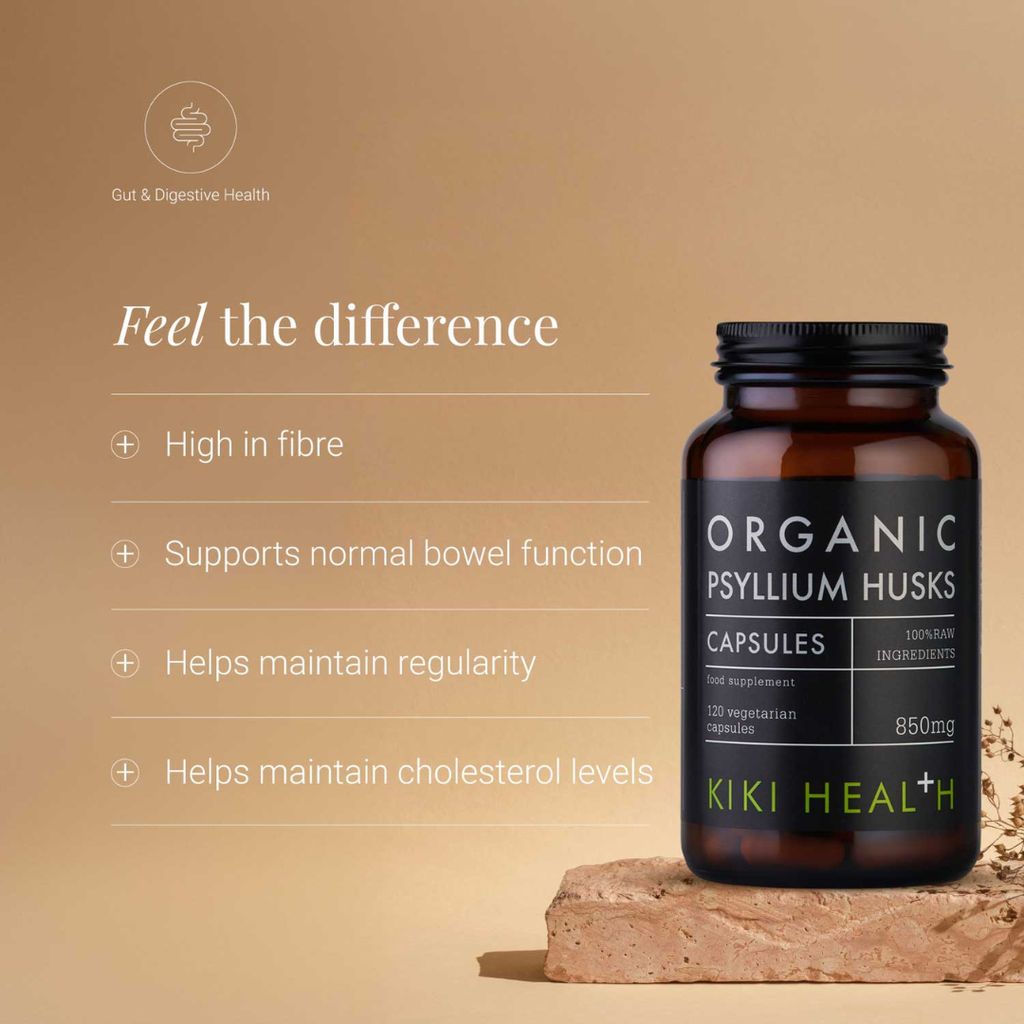
If there's a gold standard in fibre supplementation, this is probably it. Derived from the seeds of Plantago ovata, psyllium husk is a soluble, gel-forming fibre, and one of the most extensively researched options available. “It can help to reabsorb excess cholesterol to promote excretion rather than allowing it to continue circulating in the blood,” says Hope.
Garrod also explains that its gel-forming properties allow it to normalise bowel movements in both directions — “improving both constipation and mild diarrhoea by regulating stool consistency.” Our pick? Artah's Essential Fibre, which blends psyllium husk with additional prebiotic support, making it a considered choice for those after something more comprehensive.


Inulin and prebiotic fibres for the gut microbiome
For anyone with microbiome support at the top of their list, inulin is worth exploring, as it’s readily fermented by gut bacteria and can ramp up short-chain fatty acid (SCFA) production. Hope emphasises just how wide-reaching those SCFAs are. “They play a role in managing cognitive function, weight, energy, sleep, stress and more.”
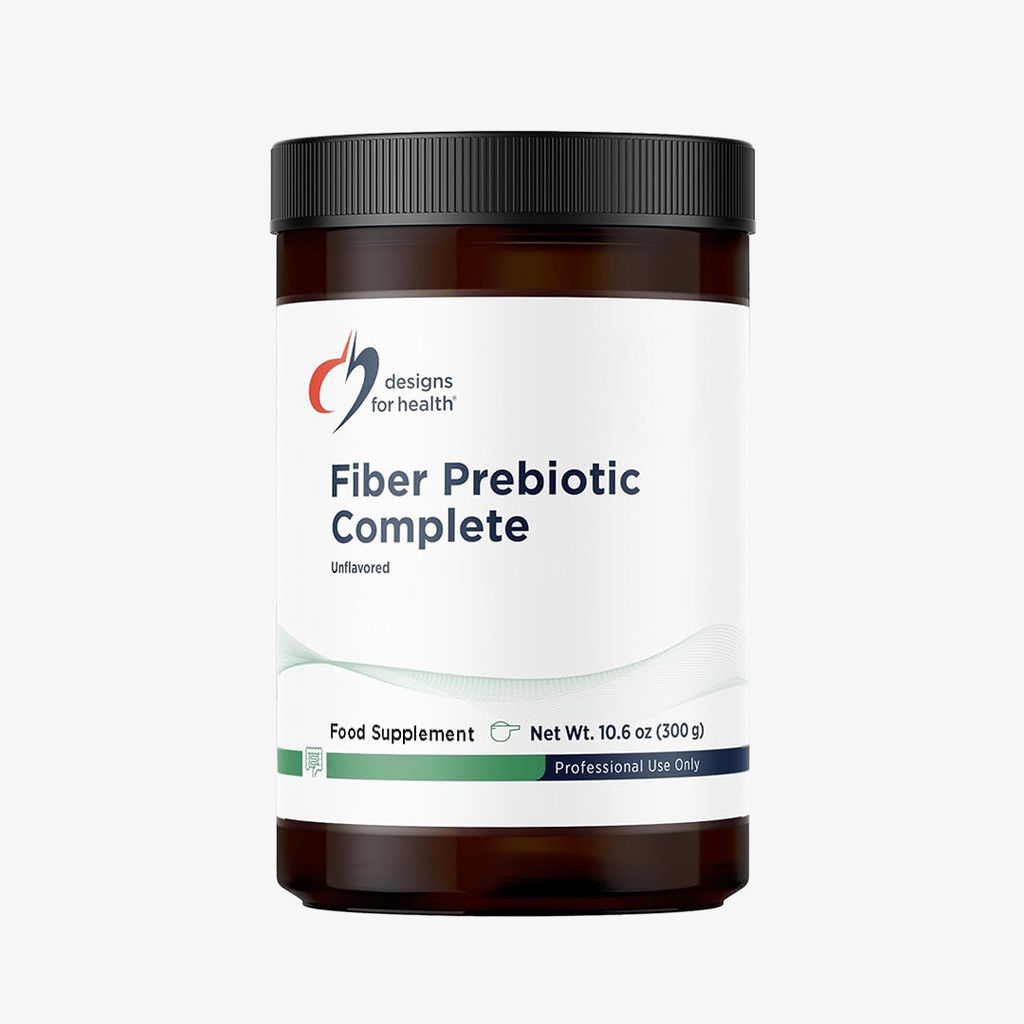
However, Hope says that this is one to avoid if you have irritable bowel syndrome (IBS), as it can aggravate symptoms rather than ease them. Aim to start low and build gradually. We’d recommend Designs for Health's Fiber Prebiotic Complete for a no-frills, no-fuss option. It easily stirs into water, which counts for a lot in daily-use supplements.

Partially hydrolysed Guar Gum and other gentle fibre options
For anyone who has historically found fibre supplements hard to stomach — literally — partially hydrolysed guar gum (PHGG) represents something of a breakthrough. Derived from guar beans and broken down to improve solubility, it provides much of the same microbiome and SCFA-boosting benefits as inulin, but with a fraction of the digestive drama. “PHGG tends to be well tolerated and low-gas-producing,” says Garrod, making it a natural fit for people with sensitive digestion or IBS.
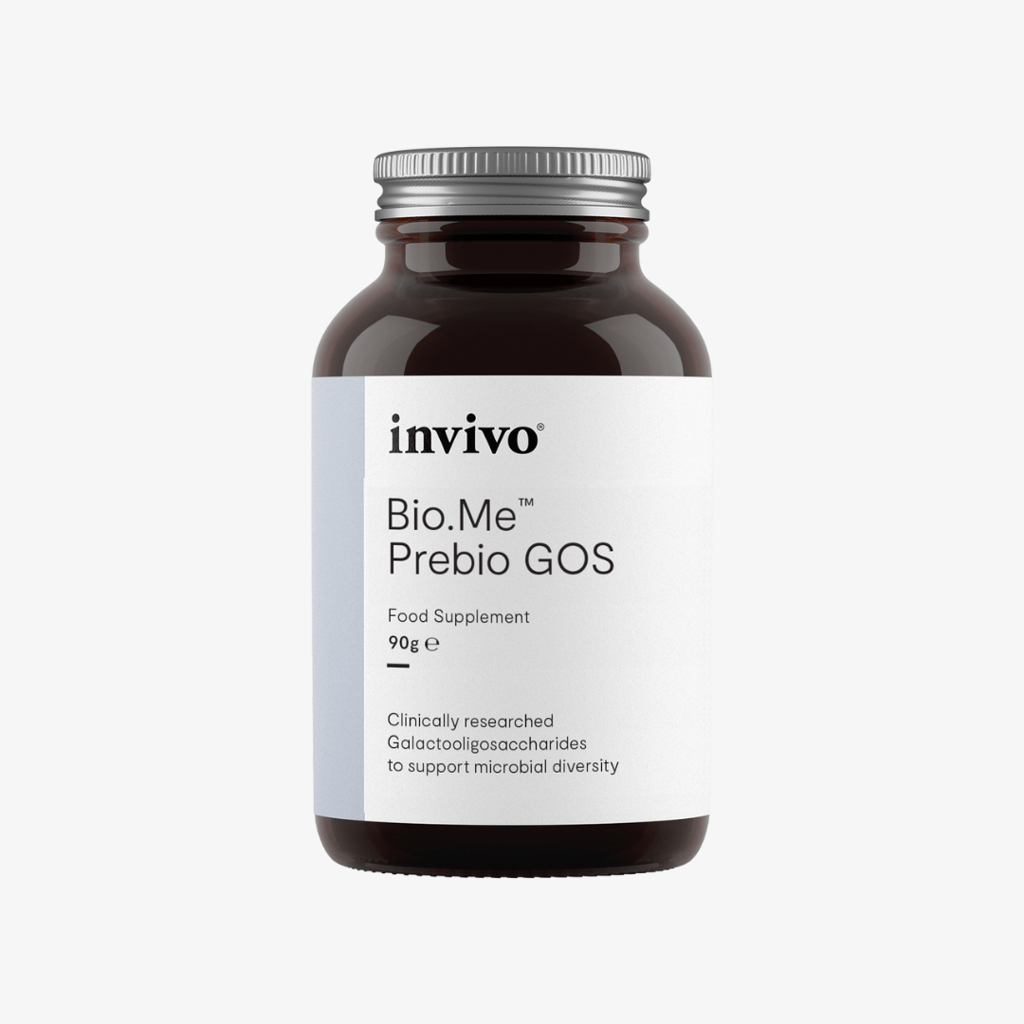
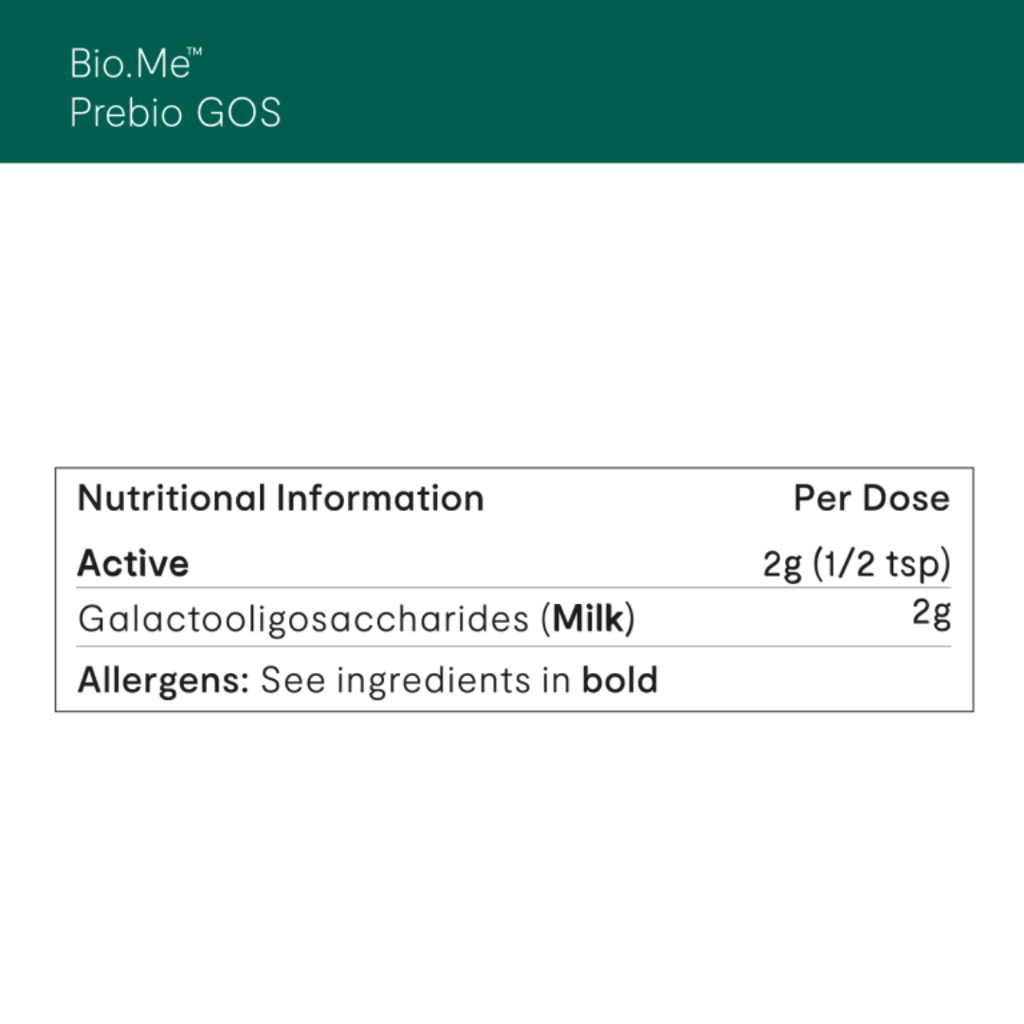
Hope agrees: “it's a much more gentle type of fermentable fibre, and so whilst it can still nourish the beneficial bacteria, it can often be used in those who struggle with gut-related symptoms.” Bio.Me's Invivo PHGG is specifically designed with gut sensitivity in mind.
How to safely start taking a fibre supplement
Sometimes, people go all-in and increase fibre intake too quickly, says Morais, which can lead to bloating and gas while the gut adapts. So, it's important to add in fibre slowly, at a more sustainable pace. Rather than making sudden dietary adjustments, sometimes simply adding in an extra spoonful of a fibre-rich ingredient is enough to start slowly building tolerance as the digestive system adapts.
Increasing fibre intake, whether with food or supplements, should always go hand-in-hand with upping your water intake, as some forms of fibre draw water into the digestive tract, making hydration extra important.
So, should you take a fibre supplement?
While protein supplements and performance nutrition seem to get all the love, many people are still falling short of the recommended fibre intake, which can impact digestion, appetite regulation, and metabolic health. Popular choices, like psyllium, can support cholesterol balance and stool consistency. Meanwhile, inulin feeds beneficial bacteria in the gut, and acacia fibre might offer a gentler option for sensitive digestion.
Fibre supplements can be a convenient way to up your fibre intake when you’re in a pinch. If you want to implement them into your stack, the most effective approach is a gradual one, alongside adequate hydration, to allow the digestive system and microbiome to adapt. But experts also want you to remember that whole foods still form the foundation of your daily fibre intake. For most healthy individuals, it’s not a question of ‘either, or’.
Garside reminds us that feeding the microbes that reside in our gut is crucial. When you do this, the gut is properly supported, and that underpins so many aspects of overall health, like our immune response, hormone balance, energy use, and more.


This article is for informational purposes only, even if and regardless of whether it features the advice of physicians and medical practitioners. This article is not, nor is it intended to be, a substitute for professional medical advice, diagnosis, or treatment and should never be relied upon for specific medical advice. The views expressed in this article are the views of the expert and do not necessarily represent the views of Healf
Ed is a freelance journalist and former Men’s Health digital editor, with bylines in Red Bull, BBC StoryWorks, Guardian Labs, Third Space, Natural Fitness Food and Form Nutrition, among others. Having run marathons, conducted sleep experiments on himself and worked with some of the world’s most in-demand experts — from sleep scientists and strength athletes to high-performance trainers and elite-level nutritionists — one thing remains clear for The Healf Source contributor: fitness trends come and go, but as long as you keep turning up for yourself, consistency will win every time.
Pippa is a content writer and qualified Nutritional Therapist (DipNT) creating research-based content with a passion for many areas of wellbeing, including hormonal health, mental health and digestive health.
As a contributor to The Healf Source, she regularly attends seminars and programmes on a plethora of contemporary health issues and modern research insights with a drive to never stop learning. In addition, interviewing experts and specialists across The Four Pillars: EAT, MOVE, MIND, SLEEP.
In her spare time, she is an avid swimmer, mindfulness and yoga lover, occasionally bringing a raw, honest approach to the topics she faces. You may also discover some personal accounts of eye-opening wellbeing experiences amidst the reality of a disorientating, and often conflicting, modern wellbeing space.