























_2026-10-13_14-11-48.png)


CoQ10 vs Ubiquinol: Which Supplement Should You Actually Take?
Two forms, very different price tags, and plenty of claims about which one your body absorbs better. Here's what a registered nutritionist looks for when choosing a CoQ10 supplement.

Written by: Samantha Nice
Written on: 4 September 2026
Browse CoQ10 supplements at your local chemist and you'll quickly run into the same choice: a cheaper option labelled ubiquinone and a pricier one labelled ubiquinol, usually positioned as the upgrade. That pricing hierarchy is easy to follow, but the research behind it is considerably messier.
Registered nutritionist Rob Hobson, RNutr SENR, explains what separates the two forms, and why choosing between them comes down to more than the name on the label.
CoQ10 or ubiquinol, what's the difference?
CoQ10 is a single molecule that exists in two forms in the body: ubiquinone, its oxidised form, and ubiquinol, its reduced form. Your body moves between the two constantly, converting one into the other depending on what it needs.
That back-and-forth is why Hobson pushes back on how the two get marketed. “Calling ubiquinol the active form is a little misleading,” he says. “The body continually converts between the two, and both have important biological roles.” Ubiquinol has direct antioxidant activity, which is probably where the “active form” tag came from in the first place. Ubiquinone has an important job of its own, sitting at the centre of mitochondrial energy production.
What does CoQ10 actually do in the body?
That mitochondrial process is where CoQ10's reputation as an “energy” ingredient comes from. Cells use it to help produce ATP, the energy cells use to function.
Supplement claims frequently turn CoQ10's involvement in cellular energy production into the promise of a noticeable energy boost, but the research hasn't established this effect just yet. Notably, the biology behind the nutrient and what you actually feel in your body are not the same thing. “That doesn't mean that taking extra CoQ10 is going to automatically give you more energy or improve your health,” Hobson says.
Why do people take CoQ10 supplements?
People reach for CoQ10 for a wide range of purposes, and it is often marketed as a general energy booster or anti-ageing supplement for otherwise healthy people. But that's where the science stops keeping pace with the claims, says Hobson. "CoQ10 levels do seem to decline with age, but that is not the same thing as showing that everyone should take a supplement as they get older.”
Trials in adults without any diagnosed condition haven't consistently shown meaningful improvements in mitochondrial function, fitness, cognition, blood pressure, or body composition, even in cases where supplementation successfully raised blood levels of CoQ10. There's some evidence that supplementation can help reduce fatigue and result in modest reductions in systolic blood pressure, but migraine research is still relatively limited, and exercise-performance claims are weak and inconsistent.
However, Hobson says the strongest evidence for supplementation is in people who already have certain medical conditions. “Chronic heart failure comes up a lot, where CoQ10 has been studied alongside standard medical treatment, not as a replacement for it,” he says. Trials and meta-analyses in this group suggest it may reduce hospitalisations and potentially mortality.
Statins, the cholesterol-lowering drugs prescribed to millions, present a trickier case because different trials point in different directions. Statins can lower circulating CoQ10, giving researchers a biological basis for investigating whether supplementation could ease statin-associated muscle symptoms. A 2025 meta-analysis found a reduction in muscle pain overall, though four of the seven included trials showed a significant benefit while three did not. The authors concluded that more research is needed before firm recommendations can be made.
Beyond those two areas, the case for CoQ10 gets weaker.
Is ubiquinol really better absorbed?
Ubiquinol's higher price is largely tied to the idea that your body absorbs it better than ubiquinone, but the research doesn't single out a clear winner. While some small head-to-head studies back this up, finding higher circulating CoQ10 in the body after ubiquinol supplementation, other research complicates the comparison. One crossover study testing seven different CoQ10 formulations found large differences in absorption linked to carrier lipids and solubilisation, showing how strongly the finished product can influence bioavailability.
“Ubiquinol does appear to be more bioavailable in some studies, but this isn't consistent, and how the CoQ10 supplement is formulated can make just as much difference to absorption,” Hobson says.
There’s also another layer to consider: higher blood levels only become clinically useful if they translate into better outcomes, and current evidence hasn't established that advantage for ubiquinol over a well-formulated ubiquinone supplement. The body also converts between the two forms as needed, with CoQ10 circulating predominantly as ubiquinol even when it was consumed as ubiquinone.
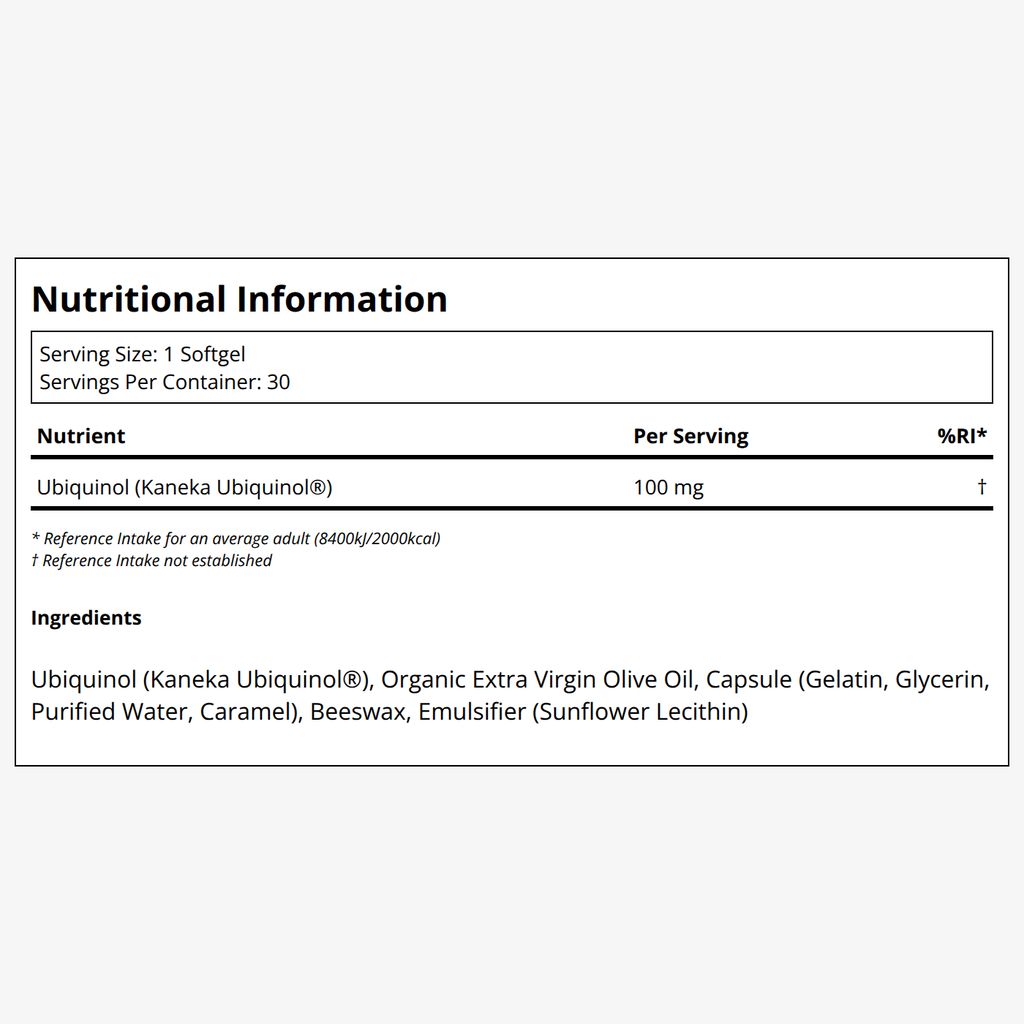
Why CoQ10 supplement formulation matters for absorption
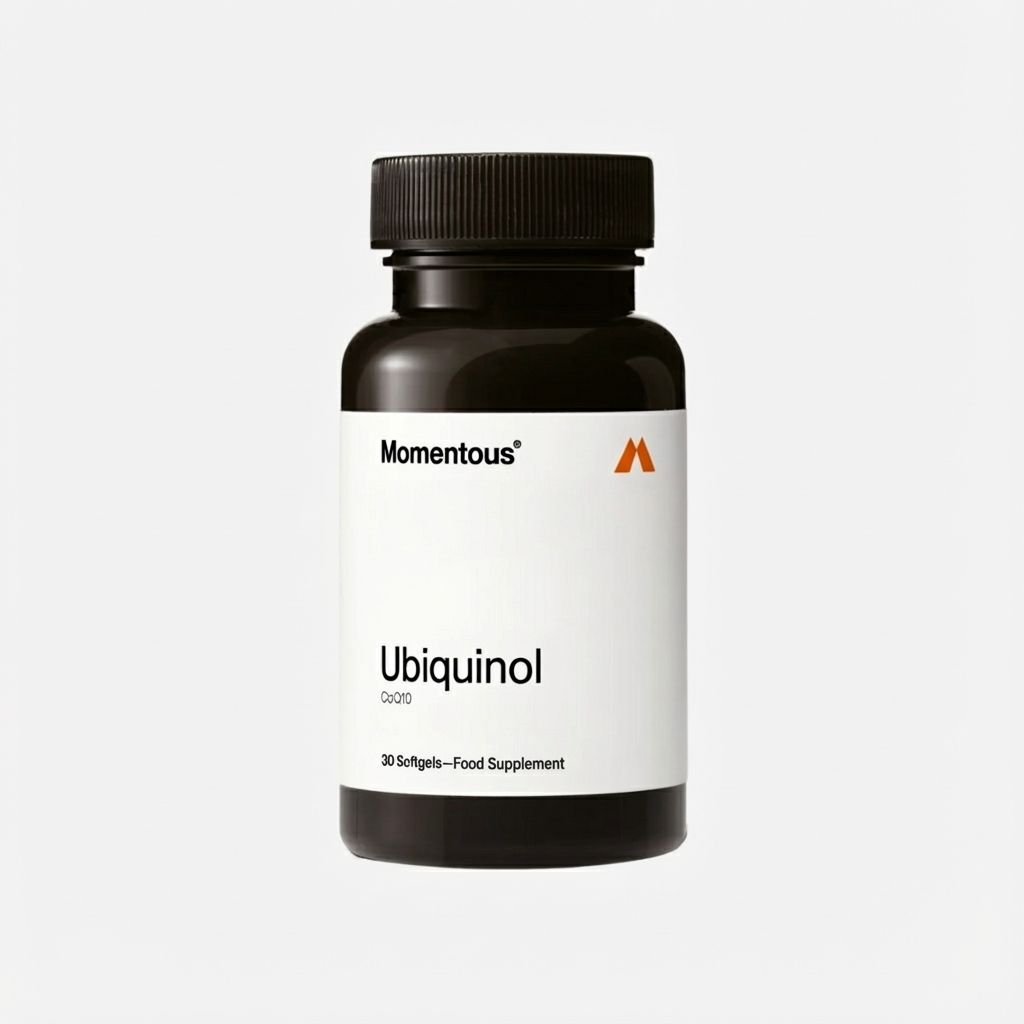
How much CoQ10 reaches your bloodstream depends heavily on the formulation, because the compound is naturally difficult for the body to absorb. So, two products with identical milligram amounts printed on the box can behave very differently once swallowed. "CoQ10 is naturally quite difficult to absorb because it is highly fat-soluble and has very poor solubility in water, so how the manufacturer formulates it can make quite a big difference,” Hobson says.
Things like how well the CoQ10 crystals are dispersed, the solubilisation method, the carrier oil, and the overall delivery system all influence how much of the stated dose reaches the bloodstream.
So, which form should you choose?
Ubiquinone has an extensive history of clinical research behind it, can achieve strong bioavailability when properly formulated, and typically costs less. Ubiquinol, on the other hand, produces greater increases in circulating CoQ10 in some studies, which may be useful when you’re trying to reach a higher plasma concentration, though you'll generally pay more for that potential advantage.
Hobson likes to focus on formulation quality. “If the cheaper CoQ10 product came from a reputable manufacturer, contained an appropriate dose, and used a good oil-based or otherwise well-absorbed formulation, I would be perfectly okay recommending that over a more expensive ubiquinol product,” he says. He'd pay the premium for ubiquinol where there's good evidence that the specific product offers a meaningful advantage.
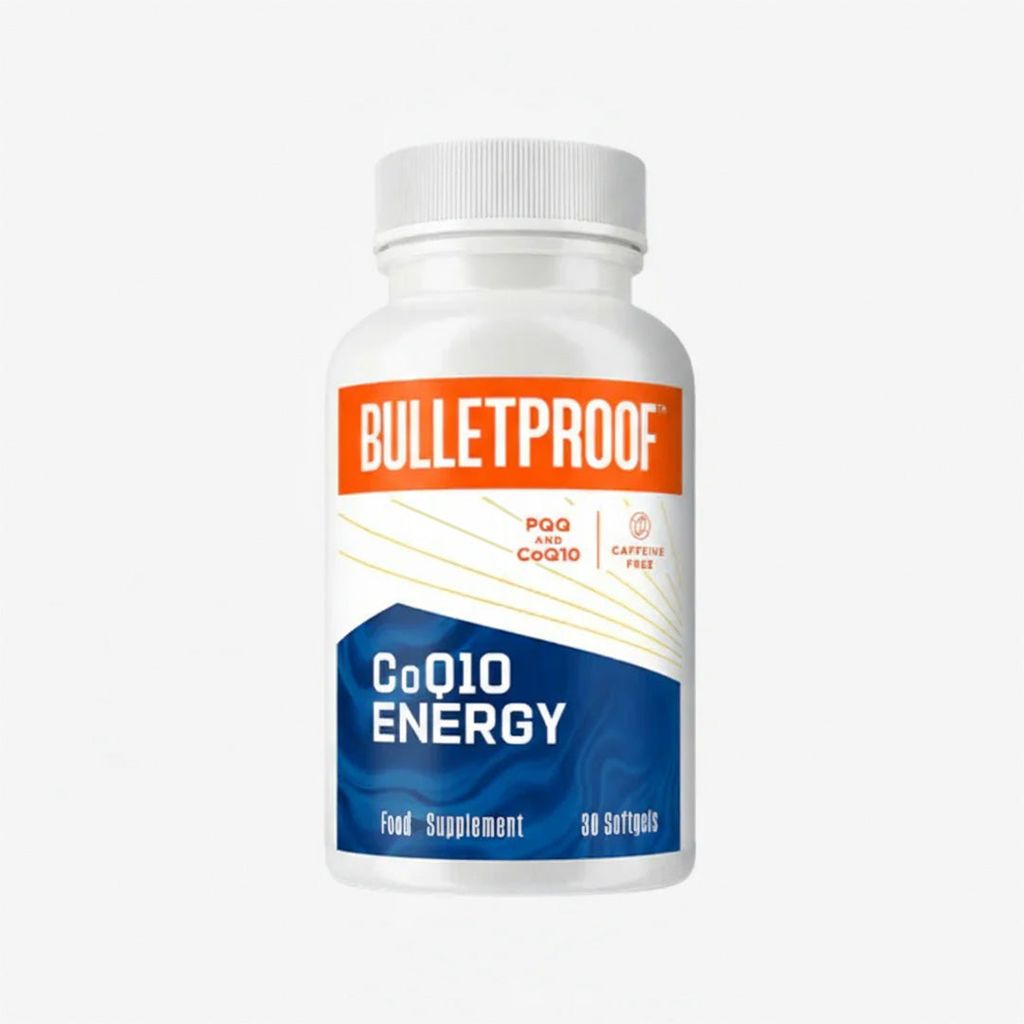
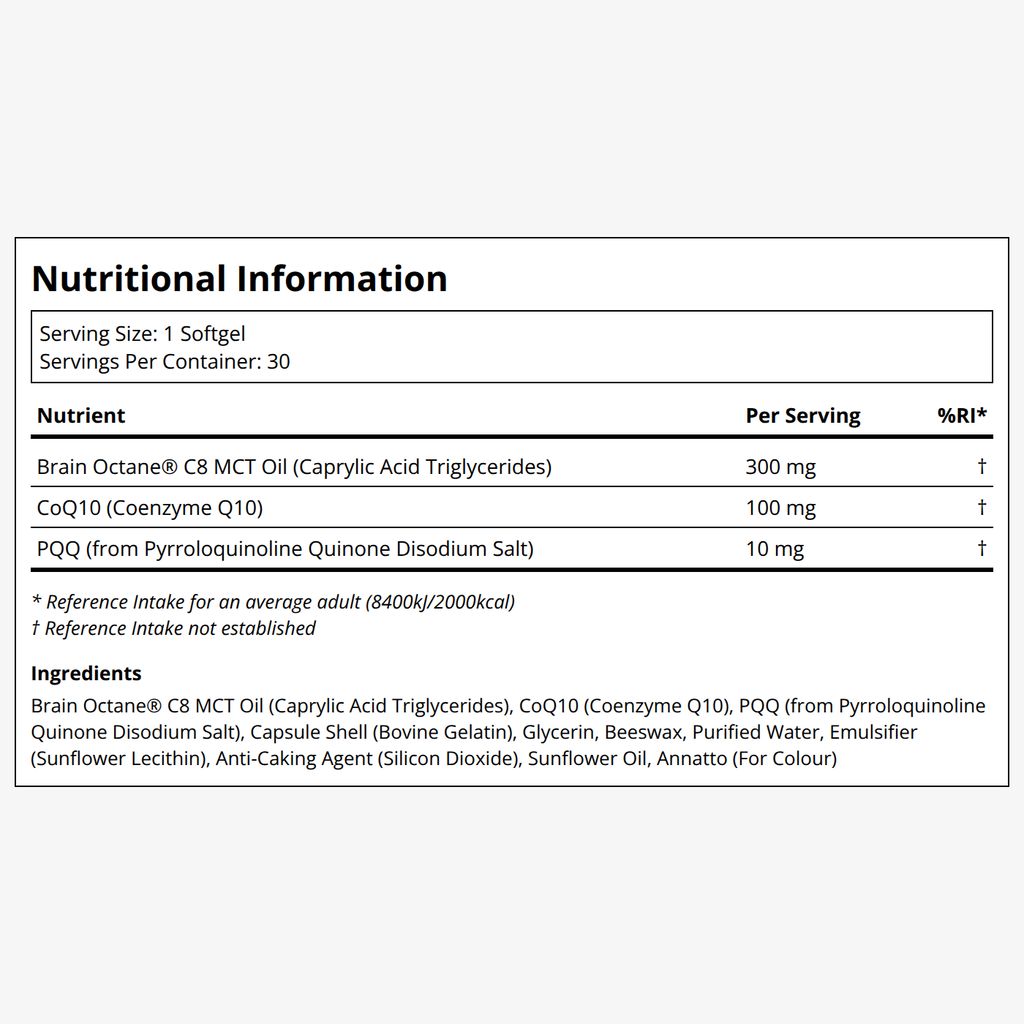
CoQ10 Energy
How much CoQ10 should you take?
Research commonly uses daily CoQ10 doses of around 100 to 300mg, but the amount varies considerably depending on why it's being taken. Both lower and higher doses have been studied for specific conditions.
Hobson recommends considering the dose alongside the formulation and your individual circumstances. Anyone taking medication or using CoQ10 alongside treatment for a diagnosed condition should discuss the dose with a doctor or pharmacist.
When and how should you take CoQ10?
Taking CoQ10 with a meal, and ideally with some fat, can improve absorption, since CoQ10 is fat-soluble. Hobson puts little weight on morning versus evening timing. “Take it consistently, with food, and choose a formulation that’s reasonably well absorbed,” he says.
Anyone on regular medication, and especially warfarin, should check with a doctor or pharmacist before starting CoQ10, since it may interfere with anticoagulation control.
What should you look for in a CoQ10 supplement?
Start with three things: dose, formulation, and evidence behind the delivery system. An oil-based softgel, or another format specifically designed to improve solubility and absorption, generally makes more sense than a basic dry powder capsule, given how poorly CoQ10 absorbs on its own.
Look for a manufacturer that's transparent about how its product is made and, ideally, can provide human bioavailability data for that particular product or delivery system. The ubiquinone or ubiquinol name is only one factor in how the finished supplement performs.
Who should speak to a doctor before taking CoQ10?
Anyone managing heart failure, experiencing muscle symptoms while taking statins, or taking medication such as warfarin should speak to a doctor or pharmacist before supplementing. Pregnancy and breastfeeding also warrant medical advice first, given the limited safety data in either group.
CoQ10 vs ubiquinol, your questions answered
Is ubiquinol the same as CoQ10?
Ubiquinol is the reduced form of CoQ10. The other main form is ubiquinone, its oxidised form.
Is ubiquinol better than ubiquinone?
Ubiquinol shows greater bioavailability in some studies, although the evidence is inconsistent and the way a supplement is formulated can influence absorption considerably.
Is ubiquinol worth the extra money?
Potentially, if the specific ubiquinol product has evidence of a meaningful bioavailability advantage. A well-formulated, appropriately dosed ubiquinone product from a reputable manufacturer can also be a strong choice.
Is 100mg of CoQ10 enough?
Many clinical studies use doses in the 100 to 300mg range, so 100mg sits within that range. The appropriate amount depends on why you're taking it, the formulation, and your individual circumstances.
Should I take CoQ10 in the morning or at night?
Research hasn't established a clear advantage to taking CoQ10 in the morning or evening. Hobson recommends taking it consistently, with food, at whatever time works for you.
Should CoQ10 be taken with food?
Yes, ideally with a meal containing some fat. CoQ10 is fat-soluble, and dietary fat can improve its absorption.
Can you take CoQ10 every day?
Most CoQ10 studies use daily supplementation, although whether daily use is appropriate for you depends on the dose, reason for taking it, medication use, and individual circumstances.
Should I take CoQ10 if I'm on statins?
Research into CoQ10 for statin-associated muscle symptoms is mixed. Some trials report improvements in muscle pain, while others find little difference, so discuss supplementation with your doctor or pharmacist if you're experiencing symptoms while taking a statin.


This article is for informational purposes only, even if and regardless of whether it features the advice of physicians and medical practitioners. This article is not, nor is it intended to be, a substitute for professional medical advice, diagnosis, or treatment and should never be relied upon for specific medical advice. The views expressed in this article are the views of the expert and do not necessarily represent the views of Healf
Samantha Nice is a seasoned wellness writer with over a decade of experience crafting content for a diverse range of global brands. A passionate advocate for holistic wellbeing, she brings a particular focus to supplements, women’s health, strength training, and running. Samantha is a proud member of the Healf editorial team, where she merges her love for storytelling with industry insights and science-backed evidence.
An avid WHOOP wearer, keen runner (with a sub 1:30 half marathon) hot yoga enthusiast and regular gym goer, Samantha lives and breathes the wellness lifestyle she writes about. With a solid black book of trusted contacts (including some of the industry’s leading experts) she’s committed to creating accessible, well-informed content that empowers and inspires Healf readers.