













_2026-10-13_14-11-48.png)


Is This The Death Of 'Diet' As We Know It?
From intuitive eating to biomarker testing, here's why the era of one-size-fits-all diets is ending — and what nutrition experts say to do instead.

Written by: Hannah Coates
Written on: 26 August 2026
This piece originally appeared in The Source: The Anti-Optimisation Issue, Healf's print magazine.
What have you eaten today? It sounds like a simple question, but the £25.12 billion diet industry suggests otherwise. Whether you're cutting carbohydrates, fasting until midday, or eating like a caveman, most of us have been taught that the solution to our health lies in following a rigid framework of rules — a "diet".
After all, it's never been more apparent that food is perhaps the most powerful lever we have over our wellbeing. Every meal, snack, and drink sends signals to the body, shaping your hormones, feeding gut bacteria, regulating energy and mood, and supporting natural detoxification processes, to name just a few.
Research suggests that life expectancy can increase by up to 10 years if we stick to a balanced diet most of the time. And as the pursuit of longevity has become an obsession, the way we think about what, how, and why we eat has cemented diet as a foundational and increasingly sophisticated tool to optimise long-term wellbeing.
This change has been marked in different ways. Just last year, Weight Watchers, a company that was practically the embodiment of diet culture, announced bankruptcy — a telling obituary for an era defined by calorie counting and the relentless pursuit of thinness. You may have even noticed people in your own life bidding farewell to prescriptive protocols, instead embracing a more considered relationship with food that recognises it as the essential, nourishing fuel we need. "There's been a shift away from crash diets towards a more balanced approach, which is good because we know there isn't a magic bullet, and that yo-yo-ing between binge-restrict patterns isn't healthy," says Rhian Stephenson, nutritional therapist and founder of ARTAH.
This emphasis on balance marks a return to the original meaning of the term "diet", says Dr. Federica Amati, PhD, MPH, RNutr, nutrition lead at Imperial College School of Medicine and head nutritionist at ZOE. "The word was intended to describe the pattern of a person's food intake and the things they eat regularly over the long term," she says. "But it has been hijacked by diet culture, which tries to sell quick fixes to achieve — usually — weight loss."
Fad diets rely on what Dr. William Hsu, longevity expert and chief medical officer at L-Nutra Health, calls "lifelong behavioural perfection" — an approach that simply isn't achievable for most.
So today, we're hitting protein goals, and fibre-maxxing, and opting for foods that support our bone density, muscle mass, and healthspan. We want to feel well, balance our hormones, and heal our guts — and we're looking to our plates to help us get there.
Intuitive eating
More people are shedding old dietary identities in favour of something more instinctive — eating in a way that is flexible enough to give their body what it needs. Some vegetarians have started incorporating nutrient-dense organs into their meals, while vegans embrace eggs in a bid to increase vitamins and minerals they might otherwise fall short of. Data reflects this: a HelloFresh survey found that 29% of people who previously followed a vegetarian diet no longer do so. The same survey found half of UK adults describe their diet as "flexitarian," with 56% taking a flexible approach to meat and fish consumption depending on their mood, routine, and health goals.
This push towards intuitive eating — listening to your body's natural hunger and fullness cues rather than following external 'diet' rules — was coined by dietitians Evelyn Tribole and Elyse Resch in 1995. The approach holds that there are no "good" or "bad" foods; you simply eat when you're hungry, and tune in to what your body needs. On paper, your body should guide you towards the macro and micronutrients it requires.
But intuitive eating is rarely as simple as it sounds. Emerging GLP-1 research suggests that biology plays a powerful role in how and when we eat: some people are genetically predisposed to experience far more "food noise", the constant internal and external pull towards eating, than others. "People who eat more intuitively tend to have genes that mean they're not completely overwhelmed by [food noise]," says Dr. Amati. "Not everyone is on the same playing field."
Ultra-processed foods, which are engineered to trigger cravings, make up roughly 60% of the average Briton's daily caloric intake, making it harder to listen to our biology. "[Intuitive eating] would work if the food environment supported healthy food choices and our brains weren't constantly bombarded with external cues for unhealthy processed foods," says Dr. Amati.
However, thanks to a growing body of research and bestselling books like Dr. Chris Van Tulleken's Ultra-Processed People, it's become harder to ignore the impact these foods have on our short and long-term health. And we're starting to develop a clearer understanding of what we're actually putting on our plates. "People are now much more aware that there's a world of difference between a high-quality wholegrain sourdough and shelf-stable, ultra-processed bread with added sugars and emulsifiers," says Stephenson.

Personalising your plate
As convenient as it would be for us all to follow one perfect formula for nourishment and wellbeing, a single, blanket dietary framework simply can't account for things like genetics, gut health, hormonal status, insulin sensitivity, life stage, and more — all of which play a role in the way we experience food and reap its nutritional benefits. "Two people can follow the same diet and experience very different outcomes," says Dr. Hsu.
That's partly why nutrigenomics, a field of study that looks at how diet interacts with our genetics and overall health, is a hot topic of conversation right now. If you could personalise someone's diet to give them the exact nutrients their body requires, in the right amounts, wouldn't you want to do that? Experts and consumer health brands certainly think so — another reason why there has been such a sizable explosion in biomarker testing in recent years. Even Healf offers its own at-home blood test through Healf Zone, measuring over 35 key biomarkers, which are then analysed during a one-to-one expert consultation.
Stephenson argues that women in particular should be making use of blood tests already available on the NHS, since vitamin D and iron deficiency remain widespread and supplementation rates remain low. Despite universal guidelines recommending vitamin D supplementation in autumn and winter, only one in five UK adults actually follows them.
For those who aren't ready to try clinical testing, simpler tools can still provide helpful insight. A food diary remains the most accessible starting point. Two to three weeks of detailed logging gives a far clearer picture of your dietary patterns, and AI tools can now help you with a rough breakdown of how much fibre, protein, and other micronutrients you've been eating.
Wearable technology adds another layer: continuous glucose monitors can help connect food choices to physiological response, while HRV and sleep tracking through devices like Oura or WHOOP can deepen our understanding of how certain foods impact the body. Combined with a food diary and a little analysis, these trackers can help unlock key insights about what works. After all, that's the most important piece of the puzzle.
Back to basics
However many tests and data points we accumulate, most protocols arrive at the same place: we should all be eating more whole, minimally processed foods. While entire macronutrient groups have been cast as the enemy — fat in the 80s and 90s, carbs during the Atkins era — the science has consistently shown that the 'problem' is really food quality.
Where once the public health message centred on what to remove, now it's about filling up on the good stuff. "We want to be hitting at least 30g of fibre — most adults are only reaching 18g — and around 1.2 to 1.8g per kilogram of body weight of protein per day," says Stephenson. "Eat a variety of fruit and vegetables, as little ultra-processed food as possible, with a focus on whole rather than refined foods." Think: eggs, legumes, oily fish and lean meats for protein; walnuts, flaxseed and extra virgin olive oil for anti-inflammatory omega-3s; berries, seeds, and whole grains for fibre and antioxidants.
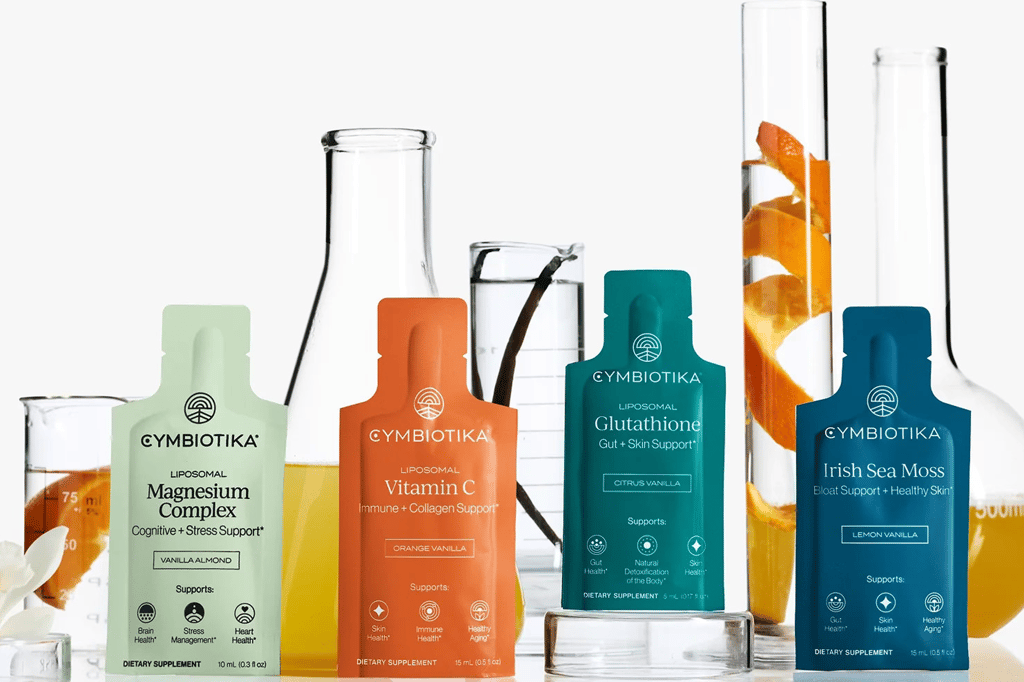
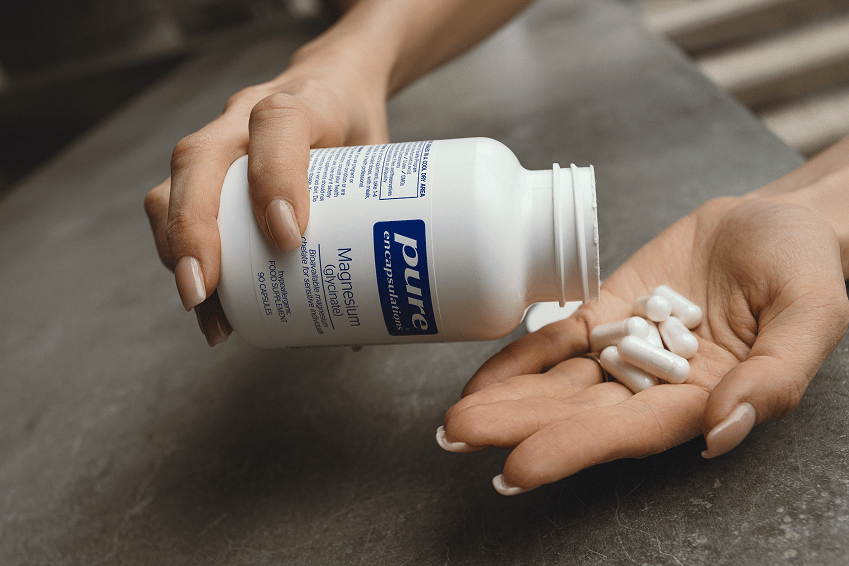
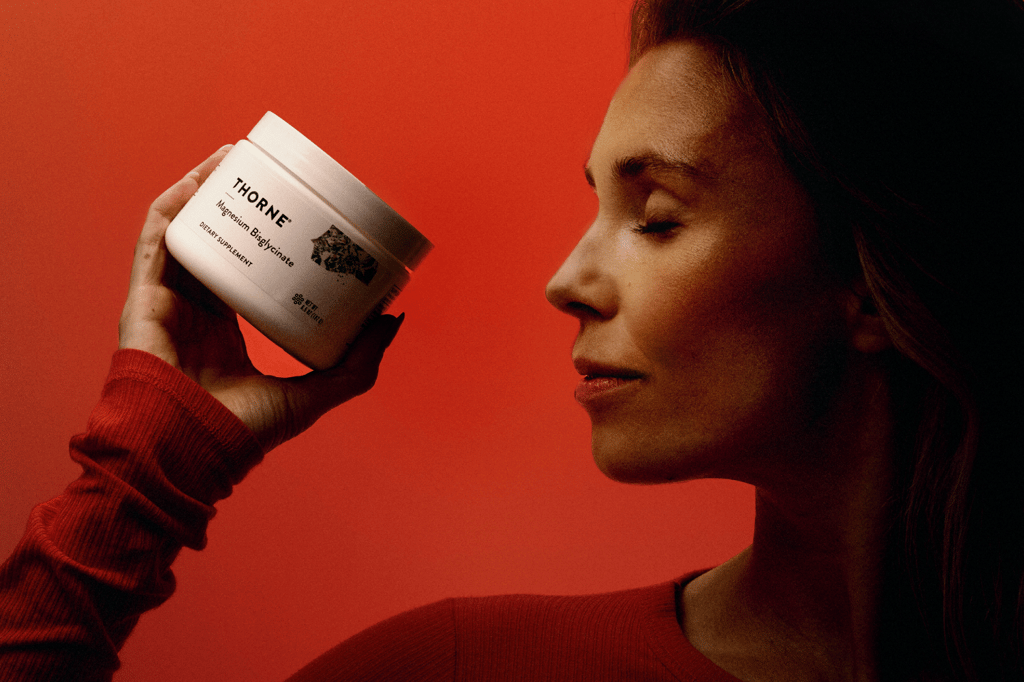
Supplementation can play a supporting role — correcting a deficiency, filling a dietary gap, supporting a particular life stage — but it should amplify good habits, not substitute them. The wellness industry has too often done the opposite, says Nadia Forde, co-founder of wellness brand NAERE, building itself on the premise that we are all somehow deficient or in need of fixing.
All we really need to do is identify the foods we love and the ones that support our unique systems, then build a plate around them. As Dr. Liza Osagie, private GP and founder of Solice Health, puts it: "The best way of eating is the one that nourishes you consistently, not perfectly." That, at least, is a diet everyone can follow.


This article is for informational purposes only, even if and regardless of whether it features the advice of physicians and medical practitioners. This article is not, nor is it intended to be, a substitute for professional medical advice, diagnosis, or treatment and should never be relied upon for specific medical advice. The views expressed in this article are the views of the expert and do not necessarily represent the views of Healf
Hannah is a freelance writer and a beauty, wellness, and interiors editor and consultant who has written for outlets like Vogue, The New York Times, the Financial Times, and more.