



























_2026-10-13_14-11-48.png)


An Orgasm For Your Brain
How an ancient nerve network is transforming the way we think about the mind-body connection.
Written by: Jess Bantleman
Written on: 26 August 2026
This piece originally appeared in The Source: The Anti-Optimisation Issue, Healf's print magazine.
In the late 19th century, a neurologist in New York named James L. Corning began experimenting with a radical idea: what if you could treat health conditions by directly influencing the nervous system? His early devices were designed to treat epilepsy, compressing the carotid artery and electrically stimulating a nerve the ancient Romans called pneumatikos. Today, we simply refer to it as the "vagus nerve".
While the device itself failed, Dr. Corning's thesis was decades ahead of its time. And over a century later, it's suddenly become one of the hottest topics in the wellbeing world.
For a generation that feels permanently switched on and plugged in, it's no wonder we're obsessed with regulating our bodies and finding rituals that can calm our stressed-out brains. Our ancestors didn't wake up to a blaring alarm, pound caffeine on an empty stomach, and then head off to work inside an artificially-lit office on a computer screen all day. But to many, the concept of "regulating your nervous system" feels as convoluted and opaque as saying you're trying to "decompress" or "stress less".
But it doesn't have to be that complex, especially when you understand how the vagus nerve actually works and, more importantly, how it impacts our bodies. Until recently, most people had never even heard of this biological fibre bundle, its role largely confined to the work of neuroscientists and naturopathic practitioners. But now, it's being credited with everything from reducing stress to improving sleep and boosting our overall resilience. And stimulating it is not just reserved for high-tech labs or science experiments. In fact, Healf itself stocks a variety of Vagus Nerve Stimulation (VNS) devices, which deliver mild electrical impulses straight to the vagus nerve, in an effort to help us enter that elusive "rest-and-digest" parasympathetic mode.
But how far can Dr. Corning's archaic discovery go in actually curing our modern, stressed out systems? We asked the experts for their insights on all things vagus nerve.
Anatomy of the vagus nerve
To understand how the vagus nerve works, it helps to start out with a little biological breakdown. For starters, it is the longest cranial nerve in the body, accounting for roughly three quarters of your parasympathetic nervous system's nerve fibres. The word 'vagus' actually comes from the Latin for 'wandering', which feels fitting, as it begins at the brainstem and travels down through the neck into the chest and abdomen, branching out to the heart, lungs, and digestive organs along the way. The left and right vagus nerves join to form what's known as the vagal trunk as they pass through the diaphragm, before splitting again into networks that reach deep into the gut.
This explains how, at any given moment, your vagus nerve is doing so many different jobs in your body: helping to regulate your heart rate and breathing, supporting digestion, and constantly relaying information about how your body feels back up to your brain, to name a few. Being aware of how it works, and perhaps most importantly, how to care for it, could be the difference between calm and chaos. And for many of us, we need much more of the former.
Around 80% of your vagal nerve fibres are afferent, meaning the information flows upwards, from your body to your brain, putting a whole new spin on the idea of "mind-body connection". Think of it this way: if your body parts had a group chat, the vagus nerve would be the one sending voice notes at all hours, checking in on your heart, nudging your digestion along, and insistently asking, Hey, are we good right now?
If you're feeling stressed out, frazzled, or overwhelmed, that's your body sending signals to your brain via your vagus nerve and other pathways. "Things like breathing, movement, posture, even temperature — all of these are sending information back up to the brain constantly," says Victoria Purdon, CNM, BANT, a holistic nervous system practitioner and nutritionist. "What's going on inside our body may matter more than we think."


Set the tone
When the vagus nerve is functioning well — which is called having "good vagal tone" — its ability to signal safety is much sharper, making it easier for your body to return to a state of calm after mental or physical stressors. It's not elusive either. You can actually feel the vagus nerve in action every day. After a tough workout, for example, your heart is pounding, you're breathing fast, and your body is activated. But within a few minutes, things begin to settle down: your breathing steadies, your heart rate drops. That ability to shift out of a stress state is, in part, because the vagus nerve is doing its job.
More often than not, though, our days are filled with constant stressors — notifications from our devices, packed schedules, and background noise from music, TV, or podcasts, creating a steady stream of stimulation that keeps the body alert. Biologically, this dysregulates our vagus nerve. And when we have continually elevated stress hormones like cortisol and adrenaline, a slightly faster heart rate, and shallower breathing patterns, these are all cues to the body to stay switched on. Over time, this chronic stress and inflammation, along with physical trauma and medical conditions, can wear on the vagus nerve, keeping it in an activated state, less able to signal to your brain that it's safe to slow down.
"Typically, we are seeing prolonged sympathetic nervous system activation combined with reduced flexibility in shifting back toward recovery-oriented parasympathetic," explains Nahid de Belgeonne, nervous system strategist, somatic movement educator, and founder of The Human Method. "When activation becomes chronic, the body can begin behaving as though it needs to remain prepared even after the immediate pressure has passed. That can show up as racing thoughts, jaw or shoulder tension, shallow or rapid breathing, digestive disruption, difficulty sleeping deeply, heightened startle response, or difficulty switching off mentally or physically."
Regulation rituals
This "always-on" vagus nerve dysregulation has sparked a wave of interest in nervous system care rituals, some backed by emerging science, others not so much. They span manual, at-home habits and high-tech, high-cost therapies alike. These regulation techniques are part of a broader movement that seeks to make invisible body systems more noticeable, and our understanding of them more accessible. But one of the biggest misconceptions is that you can "fix" your nervous system with a single trick. Experts agree that it's less about quick hacks and more about consistent inputs you can incorporate into your daily routine to send calming signals to your body and brain.
Some of the most basic vagus nerve regulation techniques include things like breathwork, yoga, and other forms of somatic movement, which de Belgeonne says play an important role in our overall awareness of our bodies. This, in turn, helps us regulate our emotions and supports stress recovery. "These practices are not simply relaxing, they are altering physiological information that the brain uses to assess the body's condition," de Belgeonne continues.
While it is possible to increase 'vagal tone', or how responsive the vagus nerve is in moving between stress and calm, Purdon says it's important to think about the whole picture. The vagus nerve is just one part of a broader image. "It's a bit like going to the gym: you wouldn't only train one muscle and neglect the rest of the body, everything works together," she says. "What we really want to do is teach the body how to feel safe again by resetting those autonomic set points."
A daily dose of calm
The best part is, you don't actually need expensive tools, elite therapies, or even a full lifestyle overhaul to start stimulating your vagus nerve. In fact, there are a few simple ways to start right now — and they don't cost a thing.
First, try to practice some slow, controlled breathing — specifically the physiological sigh, which can help activate a parasympathetic response throughout your body. "Breath is arguably our most accessible tool, you can use it anywhere, without anyone knowing you're doing it," says Purdon. "There's good research behind the physiological sigh — which is a double inhale through the nose followed by a long, slow exhale — but honestly, even gently lengthening the exhale is a really good starting point."
You can also try Diaphragmatic Belly Breathing, placing one hand on your chest and one on your belly, inhaling deeply through your nose, ensuring only your stomach rises, then exhaling slowly through your mouth.
Humming, singing, or even chanting can also help stimulate your vagus nerve. These practices help boost nasal nitric oxide production, which can increase your circulation and widen your blood vessels. Something about the vibrations these sounds create in your body also helps foster an environment of biological calm. "Vocal vibration in the throat stimulates the vagus nerve, and there's a natural lengthening of the exhale during these practices which slows the heart rate," Purdon says.
You might try starting with a technique known as "bee humming breath", or Bhramari Pranayama, which involves making a humming sound as you exhale. If you do this for about two to three minutes at a time, it can help lower heart rate, reduce anxiety, and calm the body. And yes, singing in the shower counts too.
Cold exposure is also said to stimulate the vagus nerve by triggering something called the mammalian dive reflex, which lowers heart rate, boosts parasympathetic activity, and in turn, increases vagal tone. This could look like splashing your face with cold water or ending a shower with a brief burst of cold.
Just keep in mind that cold exposure is highly individual. "For some people it feels regulating and energising," says de Belgeonne. "For others, especially those already highly stressed or physiologically overloaded, intense cold exposure can simply act as another stressor. Context and individual nervous system state matter enormously."
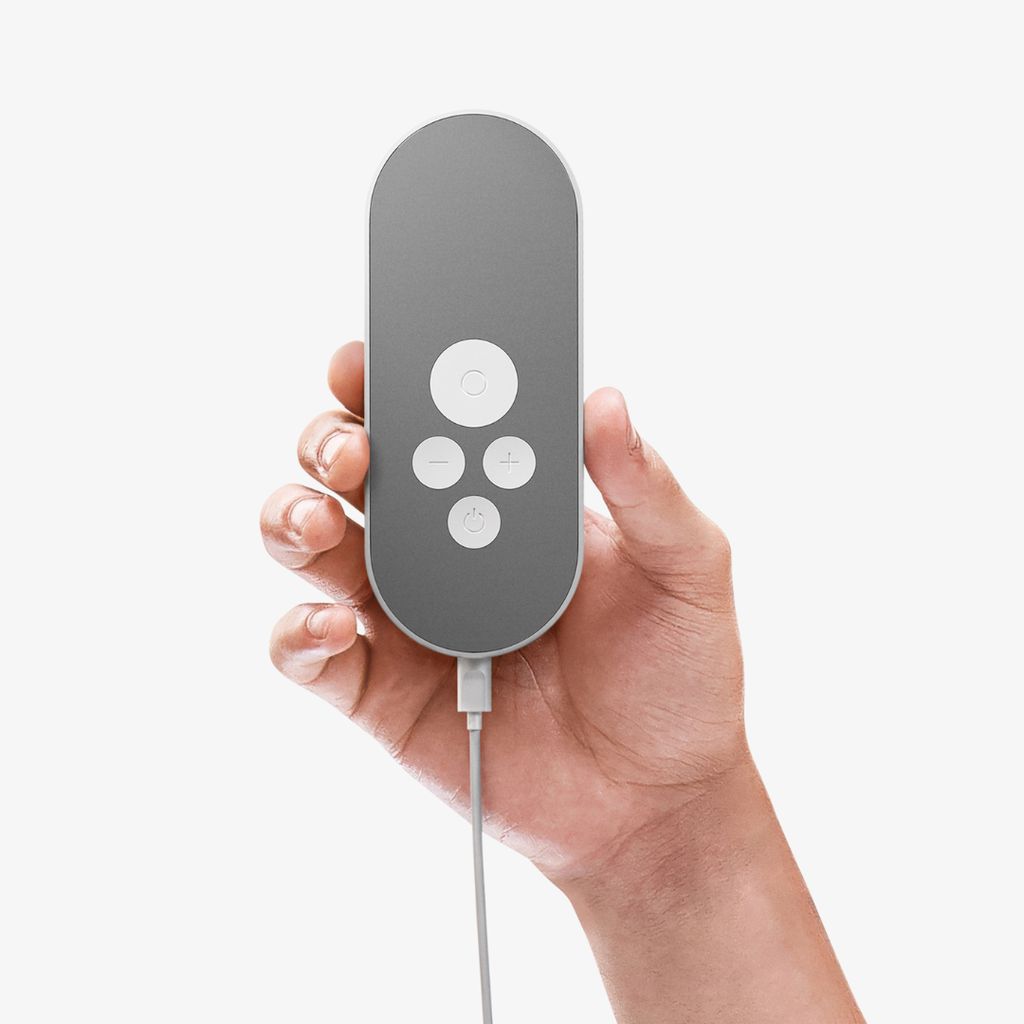
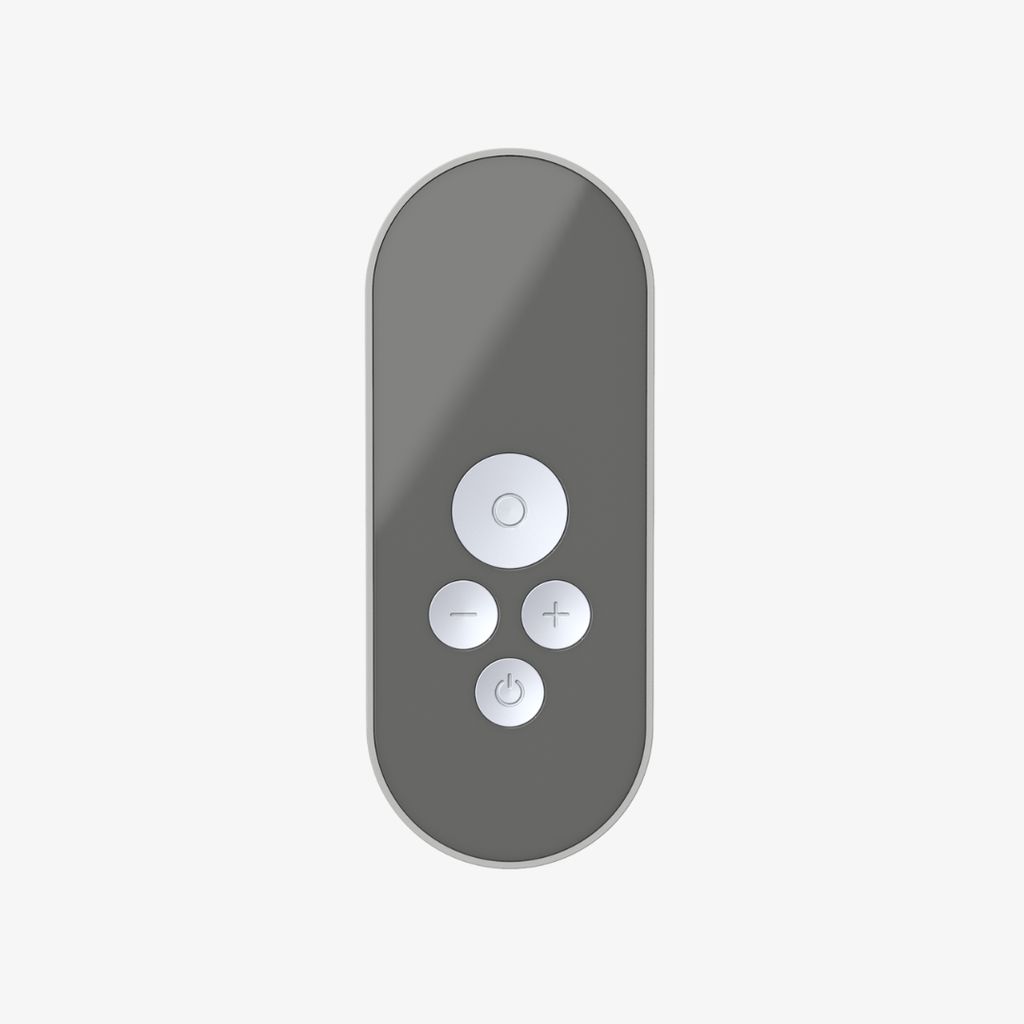
Finally, more recent therapies like Vagus Nerve Stimulation (VNS), which involves delivering mild electrical impulses directly to the nerve to reduce inflammation and alter electrical patterns in the brain, have also started hitting the market.
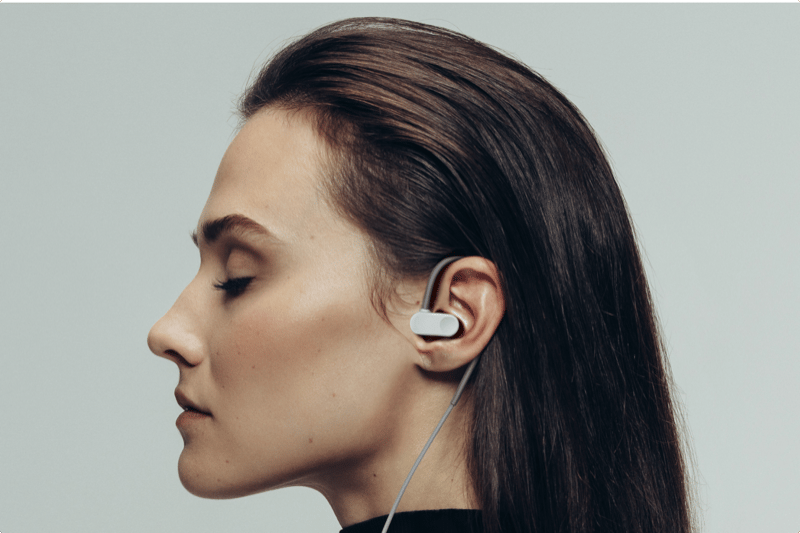
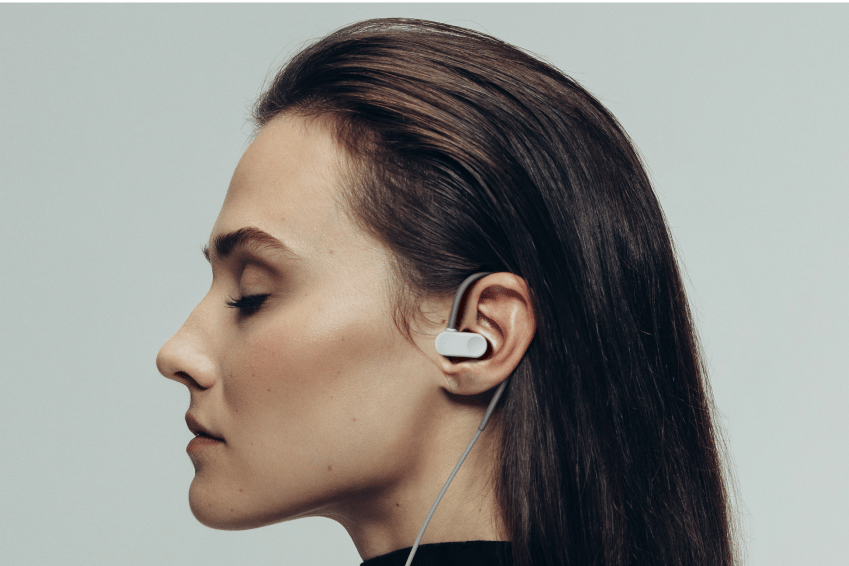
These types of devices have traditionally been used in medical settings for treatment-resistant depression and epilepsy. But products like Nurosym, a leader in VNS innovation, have made the technology much more accessible, allowing more people to use VNS wherever and whenever they need it. The discreet, wearable device clips to the ear and delivers mild electrical impulses directly to the vagus nerve, making it one of the most convenient and non-invasive options on the market. Backed by more than 50 peer-reviewed clinical studies, the company has built a compelling body of evidence supporting its ability to promote nervous system regulation.
But whether you're using high-tech tools or your own breath, remember that the vagus nerve responds best to consistent patterns over time. So, while a cold shower or a somatic movement session might create a short-term shift, the bigger transformation comes from repetition. "For someone feeling acutely dysregulated, the most important thing is doing what feels most accessible in that moment," says Purdon. "The more you try out and practise a variety of tools in your day-to-day, the more available they become when you really need them."
After all, your vagus nerve is a bellwether for system stress. And while 'stimulation' is the trend du jour, humans have spent millennia finding ways to restore balance and calm when things feel out of whack — singing, dancing, chanting, moving, breathing. They're tools we've always been drawn to: ancient, instinctive, and ours to harness whenever we need them.



This article is for informational purposes only, even if and regardless of whether it features the advice of physicians and medical practitioners. This article is not, nor is it intended to be, a substitute for professional medical advice, diagnosis, or treatment and should never be relied upon for specific medical advice. The views expressed in this article are the views of the expert and do not necessarily represent the views of Healf
Jess is a freelance social media manager, content creator, and writer.