Loading...
The Healf Source
How To Wind Down After A Night Out
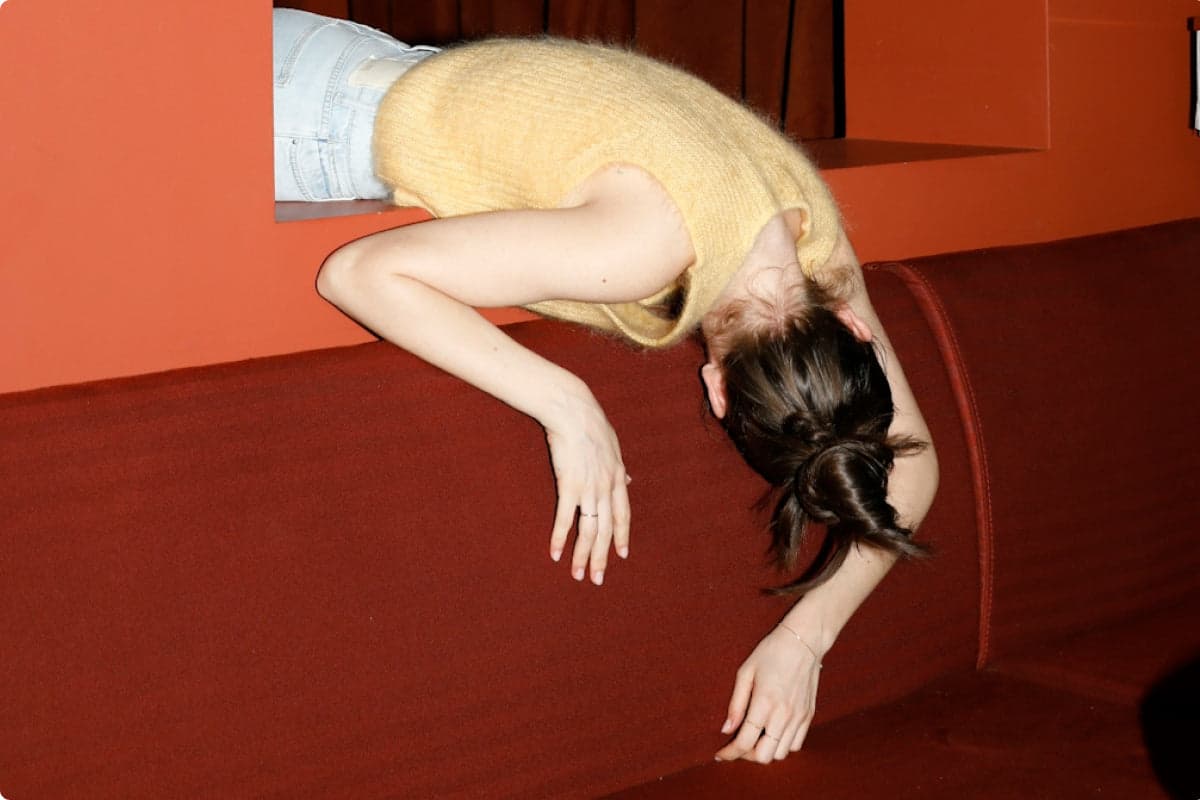
You stayed out longer than planned, maybe had one more drink than you meant to. And now you’re home…
Written by: Pippa Thackeray
Written on: December 10, 2025
It was fun, and now it’s time to get some rest. But winding down after all that noise, alcohol and stimulation can sometimes feel impossible.
Your body wants to relax, yet your brain is racing and your nervous system hasn’t been informed that the party is over. What do you do now?
When to let go of the rules
As much as the wellbeing experts out there love to tell us to prioritise sleep over everything else, sometimes you just can't (or don't want to).
Why miss a milestone birthday celebration, being best man at a wedding, or maybe just a particularly fun evening that arises spontaneously? Wellbeing is as much about balance as everything else.
Dr Rangan Chatterjee, a general practitioner and author of books like The 4 Pillar Plan, consistently emphasises how “good sleep is the foundation of health – without it, nothing else works properly". But Chatterjee also refers to a quote by Dr. Gabor Maté, which reflects the precious moments in life we must capture authentically: “If I were to choose to live my life over again, I wouldn't live it in this way.”
So, you had the big night, and now face the consequences for your body. But this isn’t a hangover how-to, more so what to do when your system is on overdrive, your sleep is being wrecked and you’re trying to avoid feeling like a mess.
Your body’s not broken, it is just receiving mixed signals
Most people put the rubbish-day-after feeling down to alcohol consumption or substance use, forgetting the simplicity of sleep debt and the havoc this factor alone can play on your body.
The aftermath of disturbing your body clock
Derailing your sleep schedule and feeling groggy is one thing, but it affects your digestion and your mood too. It’s all connected to our circadian rhythm. Activities like stimulating conversation late at night or nighttime eating (when you're not used to it) can confuse things. Not to mention the exposure to artificial light well into the evening leaving your body thinking it's the daytime when it’s definitely not.
So what happens as a result? A ‘tired but wired’, exhausted feeling, maybe even a slightly jet-laggy, out of body experience.
In people with conditions like PTSD and trauma, studies have shown a robust relationship between disruptions in sleep patterns, which are tied to the circadian rhythm, and an increase in dissociative symptoms.
Perhaps you don’t have these conditions, but it is still a powerful reminder of the delicate nature of our inbuilt body clocks.
The social element
Another factor that is overlooked is the emotional toll of socialising.
Yes, humans are inherently social beings, but we also need time to come inwards too. Not having enough balance in this regard can lead to social burnout, which is more than simply being tired.
Parties and nights out are full-body experiences. They’re social, sensory, emotional and physical, that means post-party recovery needs to be holistic too.
When calm doesn’t come naturally at 3am
You might think coming home will instantly bring peace. But for some, that’s when the adrenaline crash starts and what remains can be a peculiar blend of euphoria and regret. Commonly referred to colloquially as ‘hangxiety’, it’s not in your head.
It’s true, a "dopamine crash" is a real phenomenon where intense pleasure or stimulation leads to a subsequent low, causing fatigue, irritability, anxiety, or lack of motivation as dopamine levels drop and the brain seeks to rebalance, often seen after binge-watching, sugar highs, or stimulant use.
So this crushing sensation might not just be your body processing the alcohol, often it can also be related to your overstimulated brain struggling to regulate after being flooded with dopamine and social noise.
Before you even think about sleep
Deep down you’re exhausted, your ears are still buzzing with an uncomfortable static and it's been many hours since you were last asleep. So it would be forgivable to crash on top of the covers in your clothes (or full face of makeup) and call it a night, right?
Not quite. Science tells us that spending just 10-15 minutes on a proper wind-down routine will make all the difference to how you sleep and how you feel the next day.
The wind-down routine
Hydrate with more than just water.
Start with hydration that goes beyond that obligatory pint of water you were told to drink as a teenager. Your body has been sweating, moving, possibly consuming copious amounts of alcohol, and likely hasn’t had much hydrating fluid for many hours. So it’s electrolytes that are on the cards.
A rehydration sachet, like LMNT, containing vital minerals, or (in a pinch) a glass of water with a dash of sea salt and a squeeze of lemon, will help you to rebalance.
Next, eat something light.
Maybe swerve the takeaway on the way home if you can. Instead look for something steadying, but it needn’t be a fancy rainbow-coloured Buddha bowl or anything too elaborate.
A banana, some wholegrain toast with nut butter, or even plain crackers will do. That way you’re avoiding the trans-fat-loaded kebab and fries that can further inflame your liver. And, although these effects from one trans fat–containing meal are transient, this type of harmful fat, consumed habitually, over time can lead to conditions such as non-alcoholic fatty liver disease.
A simple meal is what you need, so keep it as pared-back as possible and try to get some protein in there. Do this for the sake of your blood sugar, which is probably pretty up and down and you don’t need anything that’ll spike it again.
Shop healthy, balanced snacks.
Then comes the reset cue.
That’s a cue to your nervous system to slow down.
Tim Ferriss is a big fan of a pre-bed soak in dim lighting as an excellent way to wind down.
For example, try a warm shower or bath. A warm one (not hot) to help your muscles settle and let your brain know the night is over. The change in temperature afterwards helps trigger the sleep cycle too.
You can incorporate your nightly skincare regimen here also, because your skin will thank you in the morning.
Please note: If you’re going to have a bath, make it a shallow one so you’re less likely to fall asleep in it. This can be particularly dangerous if you’ve been drinking.
Set the scene.
Entering the bedroom itself: you want it dark, cool, quiet. You might need earplugs. You probably need a sleep mask to block out the morning light. And, as tempting as it is to check on your Instagram stories, absolutely no screens.
Blue light will mess up your melatonin and may ruin any chance of actual rest. Huberman is pretty strict on this, so you should be too.
And, regarding ambient temperature, sleep expert Danielle Pacheco believes the optimal range is between 18.3°C and 20°C (65-68°F). If you find temperature is difficult to regulate, try Eight Sleep, with technology that adapts to you.
Finally, just breathe.
According to Breath author James Nestor, slowing your breath helps to calm the intensity of an overstimulated state by activating your body’s natural relaxation response. Breathe in for 5 seconds, out for 7, for at least 5-10 minutes, and it will help you feel more present in your body.
The power of routine for your mind and body
Overall, having a routine is an important part of soothing your nervous system. The NHS advises for people struggling to sleep, that they focus on consistency in their nightly wind-down.
Suggested wind-down supplement stack
From sleep-friendly minerals to calming herbs and amino acids that take the edge off, these are the kind of supplements that can help your body ease out of that overdrive state. Have them handy on your bedside cabinet.
Momentous Sleep: This blend brings together magnesium L-threonate, L-theanine, and apigenin, each chosen to support your journey to a more tranquil night.
Transparent Labs Sleep & Recover: Melatonin-boosting blend including tart cherry for gentle recovery, better sleep and nervous system calm.
Hilma Sleep Support: Magnesium, reishi mushroom, L-theanine and calming herbs to support wind-down without next-day grogginess.
Anatome Reset, Relax + Sleep: Botanical blend with amino acids like L-Glycine and L-Tryptophan to ease stress and support natural sleep cycles.
Qualia Night: Comprehensive formula containing magnesium, vitamin B6, adaptogenic herbs and botanicals aimed at the nervous system, hormonal balance and deeper recovery.
The next day isn’t just about sleep
The moment you wake, you might begin to feel the physiological ramifications of everything your body processed the night before.
Minus the guilt, sleep in if you can. If you can’t, be sure to schedule in a nap, or NSDR session later. Sleep is the only thing that will actually restore the debt you’ve taken on by partying into the early hours.
Nutrition
Coming back to an earlier point, food needs to be on your side, especially the day after. Comfort food may be more of a necessity than a wish under these circumstances, but it is possible to do comfort food in a constructive manner.
Avoid fried leftovers or whatever’s lurking in the back of your cupboards. You need something that’s nutritionally dense.
Movement
And movement can be helpful too, even if you really don’t feel like it. It need not be super-intensive. Sometimes a refreshing dip and a few laps of the local pool does wonders.
You want to move your lymph, get your blood flowing and get into your body and out of your head.
Your brain on alcohol: There’s a reason your brain feels weird
Alcohol is a bit of a liar, because it tricks you into thinking you’re relaxed and ready for bed. But, even in small doses, it actually disrupts REM sleep, that’s the stage where you process emotion, stabilise memories and regulate mood. So even if you sleep ‘the standard 8 hours’, you likely won’t feel that well rested.
Then there’s the blood sugar spike. Most alcoholic drinks contain sugar, but the alcohol content itself also disrupts blood sugar well into the next day.
Your body responds by a reduction in the liver's ability to release glucose, which messes with your energy levels and your ability to fall asleep later.
Where to draw the line
We opened this piece with a comment on living a balanced life, which sometimes means disregarding the rules for the sake of pleasure. But the key word here is ‘balance’, so how do you know when you are taking it too far?
A life without balance can sometimes lead to a path of inauthenticity. In other words, get the fundamentals in place and you cannot stray too far from your true sense of presence.
“When a person can’t find a deep sense of meaning, they distract themselves with pleasure.” – Viktor Frankl
What you should know
Your system isn’t failing when you get home, the room won’t stop spinning, and your mind won’t stop racing.
Your body and mind are simply responding exactly how it should to overstimulation, sugar, alcohol and lack of rest.
There is something to be said about allowing yourself the space to come down. Not just after a night out, but in a broader sense, too.
This is not about avoiding the party, but when you’ve danced until dawn, it’s about owning the recovery process and dodging those nasty repercussions.
Shop SLEEP at Healf
Build a wind-down routine that builds holistically and combines practicality. Recover with intention and wake up refreshed.

This article is for informational purposes only, even if and regardless of whether it features the advice of physicians and medical practitioners. This article is not, nor is it intended to be, a substitute for professional medical advice, diagnosis, or treatment and should never be relied upon for specific medical advice. The views expressed in this article are the views of the expert and do not necessarily represent the views of Healf
Pippa is a content writer and qualified Nutritional Therapist (DipNT) creating research-based content with a passion for many areas of wellbeing, including hormonal health, mental health and digestive health.
As a contributor to The Healf Source, she regularly attends seminars and programmes on a plethora of contemporary health issues and modern research insights with a drive to never stop learning. In addition, interviewing experts and specialists across The Four Pillars: EAT, MOVE, MIND, SLEEP.
In her spare time, she is an avid swimmer, mindfulness and yoga lover, occasionally bringing a raw, honest approach to the topics she faces. You may also discover some personal accounts of eye-opening wellbeing experiences amidst the reality of a disorientating, and often conflicting, modern wellbeing space.
- 1. When to let go of the rules
- 2. Your body’s not broken, it is just receiving mixed signals
- 3. When calm doesn’t come naturally at 3am
- 4. Before you even think about sleep
- 5. The next day isn’t just about sleep
- 6. Your brain on alcohol: There’s a reason your brain feels weird
- 7. Where to draw the line
- 8. What you should know