


_2026-10-13_14-11-48.png)

Four Ways To Use Wearables For Good
We've been handed high-tech trackers without being taught what to do with all that data. The key is using numbers as a guide rather than the destination — here's how to make yours work harder.

Written by: the Healf Editors
Written on: 26 August 2026
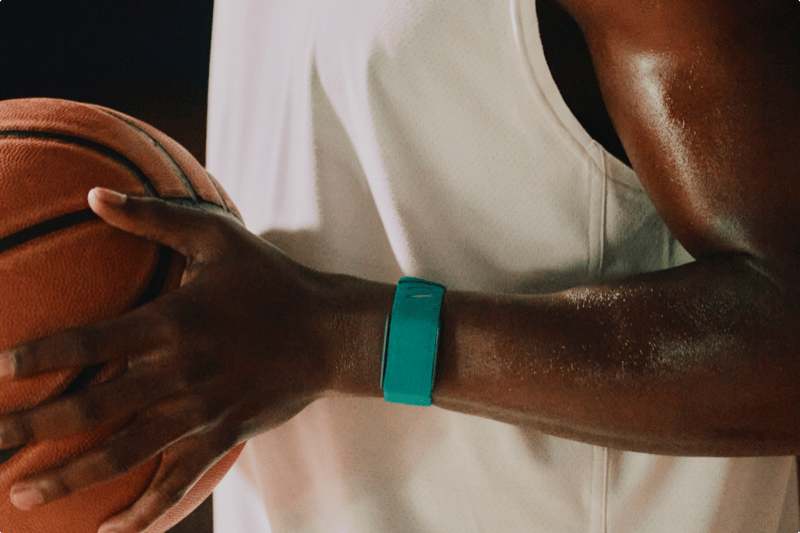
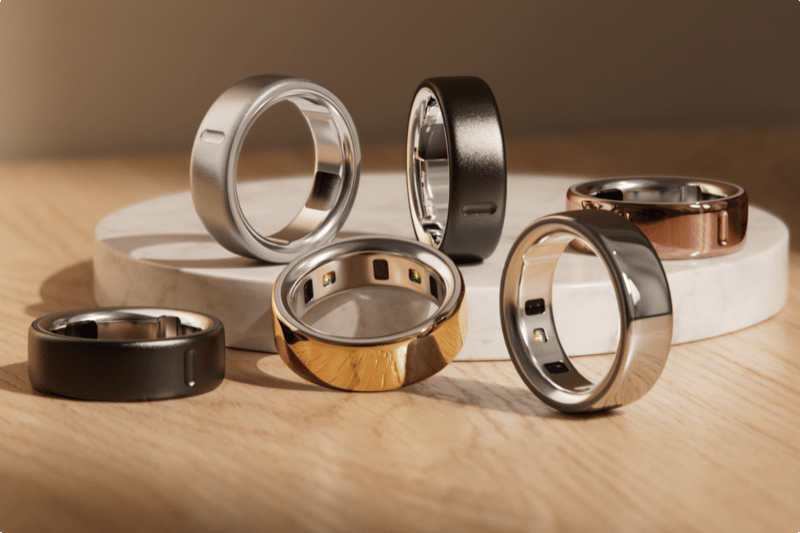
Take a quick look around you on the tube or during a work meeting, and chances are you'll spot at least two or three different wearables. In fact, from January 2025 to March 2026, Healf customers doubled their spending on personal health technology devices, with biometric tracker sales going up 249% year on year.
The market for wearables continues to explode, and even as we start to think more critically about whether optimisation is what we should be striving for, it doesn't look like our trackers are going anywhere any time soon.
Most of us thoughtlessly slide on our data-tracking tech each day — it's thoroughly integrated into our rituals at this point. But we tend to lack a solid understanding of how to actually use these tools to live better. It makes sense: we've been given the gift of high-tech wearables without being taught what to do with this wealth of data. So, how can we harness the power in all those numbers to help us truly sleep a little better, recover more efficiently, and fill gaps you didn't know existed? The answer is actually pretty simple. As so many of our experts have pointed out: data is our guide, not the destination. Taking things at face value misses the whole point. So, here are four ways to harness the incredible power of wearable technology to personalise your wellbeing.
I. Establish your baseline
It'll help you spot when something is off — and whether any fluctuation is normal or something you might want to dig deeper into. At one end of the spectrum, there are countless stories of people discovering atrial fibrillation (a major risk factor for strokes) using their wearable. On the other, it can help you see how training blocks improve your strength and cardiovascular fitness over time.
II. Understand your cycle
This is especially helpful when it comes to things like hormone cycles and fertility. In the 24 to 48 hours of ovulation, your basal body temperature rises by 0.2–0.5°C, and remains elevated throughout your luteal phase, until conception occurs or your period starts. During this phase, your heart rate increases by a few beats, and your HRV drops. New research also suggests early signs of perimenopause can show up in wearable data months or years before it's diagnosed, based on cycle changes, sleep disruption, HRV decline, and even temperature pattern changes.
III. Predict when you're getting sick
Subtle increases in respiratory rate overnight, a gradual rise in resting heart rate, or a higher temperature over a few days are all signs your body may be starting to fight something off. When you get these signals from your wearables, you don't need to put everything on pause, but it might be worth taking a gentler approach to your workouts, topping up your vitamin C, and supporting your immune system with good sleep.
IV. Curate healthy sleep rituals
By now, we all know that a poor sleep score shouldn't be considered a death sentence. Everyone has a night of tossing and turning from time-to-time, and sometimes the best way forward is to push through. But if you see consistent patterns around daily habits that impact sleep — whether that's alcohol, regular late nights, or not enough movement during the day — data can help create a fuller picture of the routines and rituals that actually make a difference. While some might not find it helpful to check nightly sleep scores and recovery, looking back over time can help you evaluate which patterns might be affecting your sleep, and importantly, give you a starting point for finding the solutions to improve it.


This article is for informational purposes only, even if and regardless of whether it features the advice of physicians and medical practitioners. This article is not, nor is it intended to be, a substitute for professional medical advice, diagnosis, or treatment and should never be relied upon for specific medical advice. The views expressed in this article are the views of the expert and do not necessarily represent the views of Healf
Healf's editorial team works hard to produce science-backed, expert-vetted stories to break down trends and cut through the noise in the wellbeing ecosystem. Our team of writers and editors specialise in everything from nutrition, to exercise science, women's health, skincare, sleep, and more.