




Sunbeds Are Making A Comeback. But Are They Safe?
Whether it’s trending content on TikTok or unlicensed tan-boosting products circulating online, the popularity of sunbeds is ticking upward at an alarming rate — here’s what happens when you go under the lights.
Written by: Ed Cooper
Written on: 20 October 2026
Despite being a group 1 carcinogen classified by the IARC alongside tobacco and asbestos, the popularity of sunbeds has never really gone away; and more than a decade after under-18s were banned from using them, a new generation of tanners is climbing back in and under the lights.
A 2024 Melanoma Focus survey found that 43% of 18- to 25-year-olds use sunbeds, with half of them using one weekly. That comes as UK melanoma diagnoses pass 20,000 a year for the first time, according to Cancer Research UK, with nearly nine in 10 cases caused by too much UV from the sun or sunbeds.
So, what’s causing this resurgence and fascination with sunbeds, and what is the UVA and UVB exposure truly doing at a cellular level? We tapped some experts to get their scientific breakdown.
Why sunbeds are making a comeback
Unsurprisingly, social media is contributing to the spike in interest. This year, a BBC investigation found that there are hundreds of adverts out there claiming sunbeds could boost energy or mental health. “The more concerning cause for a rise in sunbed use is the spread of false information about supposed health benefits,” says Dr. Nihull Jakharia-Shah, consultant dermatologist at The Medical Chambers Kensington. “No perceived benefit outweighs the significant damage and skin cancer risk they cause.”
Much of the pull, however, comes down to what a tan says about you. “The appearance of having been on holiday or ‘sun-kissed’ is affiliated with perceptions of health and wealth, having the time and means to travel,” explains Dr Jakharia-Shah. “There is a wider appeal and acceptance of darker skin tones and tan-olive skin is very desirable in current Western society.”
But the irony is that many people booking sessions for a healthier, more youthful look are getting the opposite result. “UV damage is the leading cause of skin ageing and they are in fact accelerating their skin ageing by using sunbeds,” he says.
What sunbeds actually do to your skin
At its simplest, a sunbed session is essentially unprotected sun exposure on demand. “Sunbeds expose the skin to ultraviolet radiation and induce a reaction similar to sitting out in the sun unprotected,” says Dr. Jakharia-Shah. “This results in significant damage to skin cells and the DNA within them.”
The tan itself is your skin’s attempt at damage control, with the body producing more melanin to shield itself from further harm. The main effect, however, is DNA damage, "which is irreversible and causes skin cancer,” Dr. Jakharia-Shah adds. Newer machines don’t change that risk, either. “The risk is the same, as a tan is induced only by damaging DNA in cells.”
Sunbeds and skin cancer risk: what the evidence says
On this point, there’s no debate. The International Agency for Research on Cancer classifies sunbeds as a Group 1 carcinogen, alongside tobacco and asbestos. The risk is steepest for those who start young, too. A 2012 meta-analysis in The BMJ found that using sunbeds before the age of 35 raises the risk of melanoma by 59%, while Melanoma Focus estimates sunbeds cause around 440 melanomas and 100 deaths in the UK every year.
“All the good scientific evidence proves that sunbeds increase the risk of skin cancer,” says Dr. Jakharia-Shah. “This is not a contentious point amongst specialists and researchers in the field…there is no safe way to regularly use sunbeds.”
Do sunbeds give you vitamin D?
This claim that sunbeds can provide vital vitamin D is the one salons lean on hardest to get customers through the door, particularly through the darker months of the year.
Dr. Jakharia-Shah accepts that UV plays a role in vitamin D levels. “Vitamin D is produced in the body with the help of ultraviolet light,” he says. “Sunbeds may support this process, but the risk of skin cancer means it is not a recommended or sensible means of increasing vitamin D.”
Sunbeds mainly emit UVA, while the skin needs UVB to make vitamin D. The two types of ultraviolet (UV) radiation use longer and shorter wavelengths, respectively, and can have different effects on the skin. Using longer wavelengths, UVA is often referred to as the ‘aging ray,’ while UVB, with shorter wavelengths, is considered to be the ‘burning ray’. Each affects human skin in different ways, from premature skin aging, wrinkles, and fine lines to long-term DNA and cellular damage, sunburn, and redness.
The NHS already advises everyone in the UK to consider a daily Vitamin D supplement between October and March, and Dr Jakharia-Shah agrees that’s a more viable option. “Fortified foods and over-the-counter supplements are a much safer and more effective way of increasing vitamin D without posing other health risks,” he confirms. Oily fish, egg yolks and mushrooms all contain Vitamin D.
Sunbeds vs red light therapy: what’s the difference?
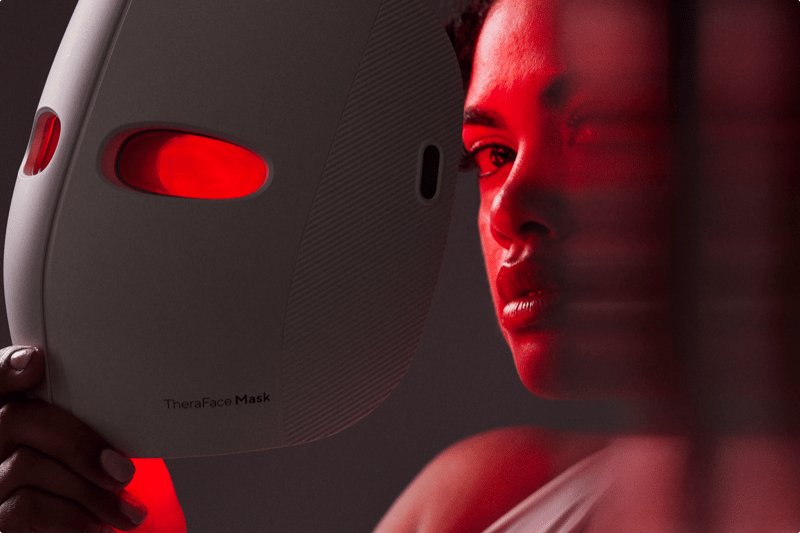
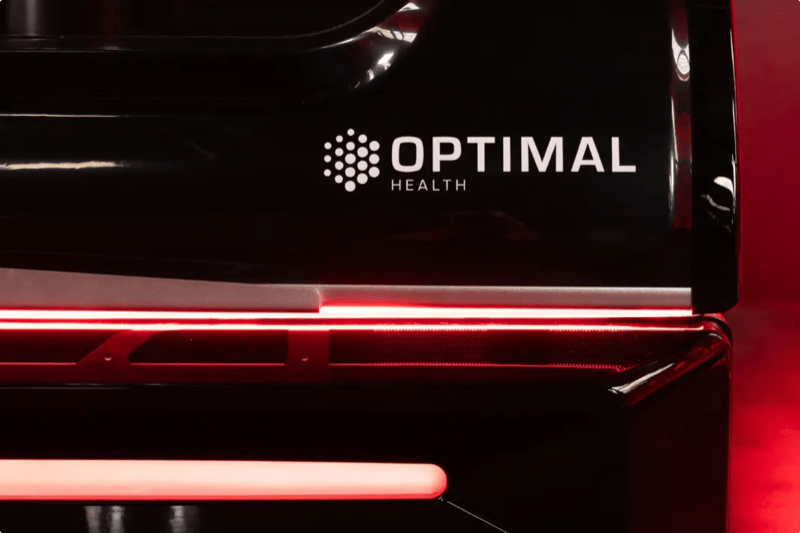
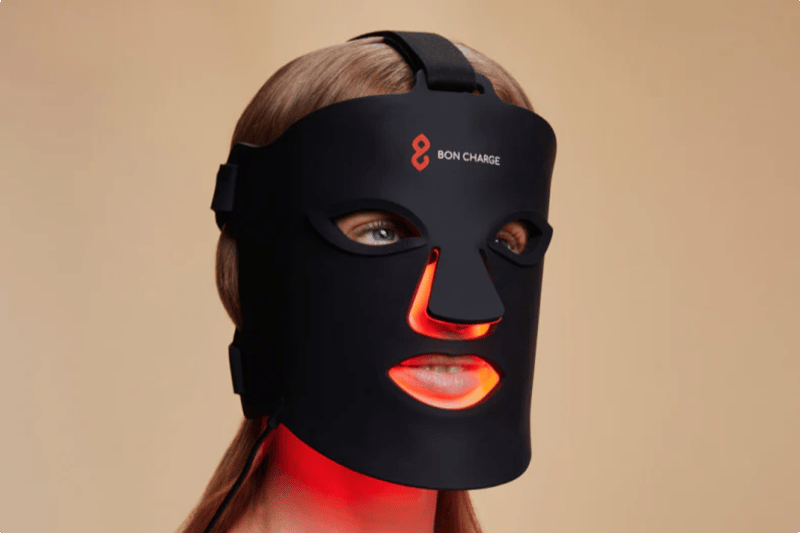
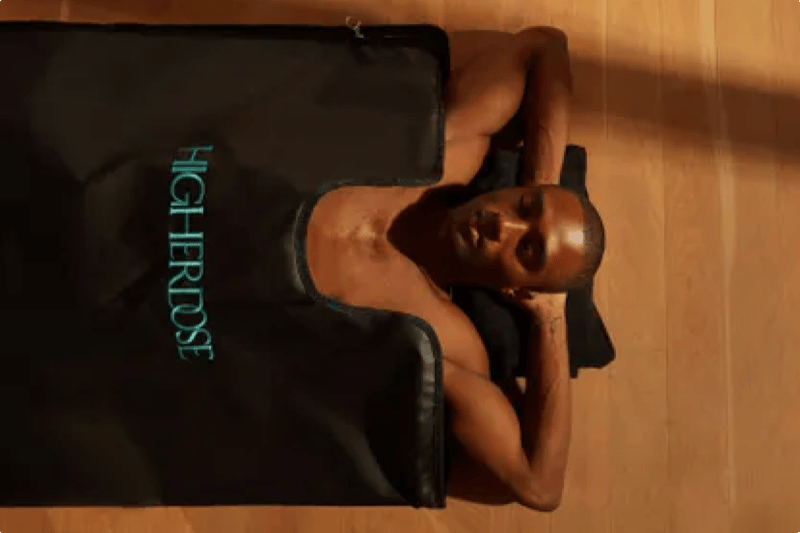
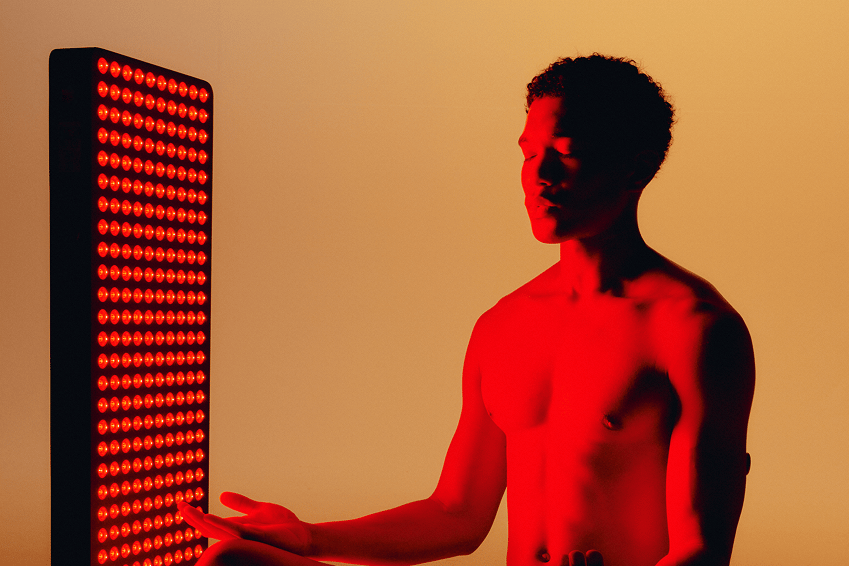
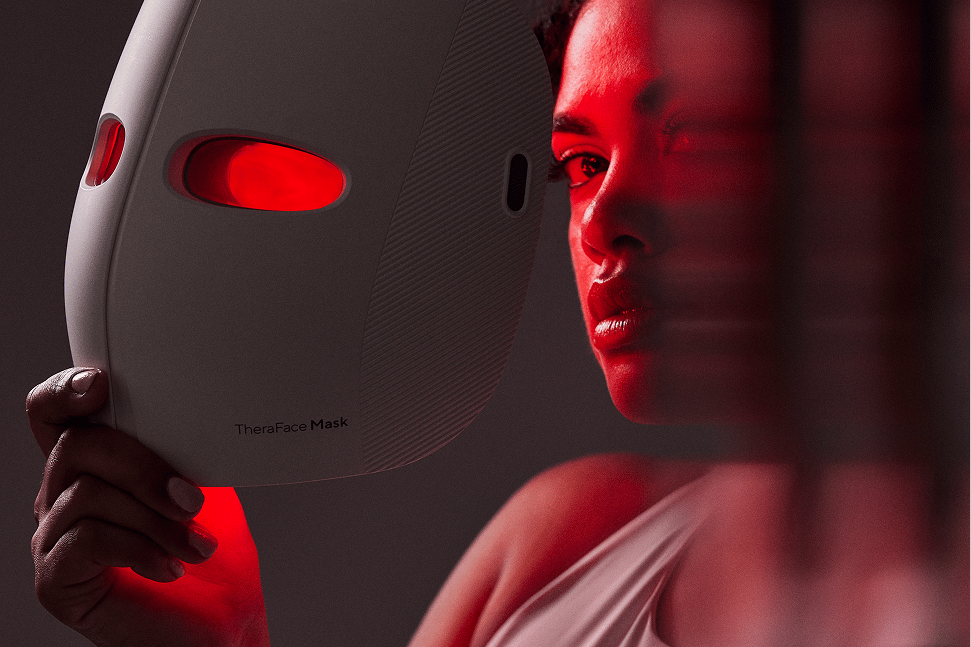
Red light therapy — a non-invasive treatment that uses low-wavelength red and near-infrared (NIR) light to stimulate cell function and repair — often gets lumped in with sunbeds, mostly because both involve lying under a glowing panel. However, the similarities end there.
“The difference is the wavelength of light,” explains Dr. Jakharia-Shah. Sunbeds rely on UV, which damages DNA, whereas red light sits at the longer-wavelength end of the spectrum. “We are increasingly understanding the biological effects of red light therapy. There are some modest regenerative effects for skin and hair, but it is not a widely utilised therapy in medical settings as the evidence is not strong.”
And it doesn't appear to harm your DNA the same way that a sunbed can.
“Red light has not been proven to cause the same level of DNA damage as sunbeds or UV radiation, so it should be safer,” he says. “Red light will not cause a tan, so will be used for different purposes.”
Getting a healthy glow
Most people who use a sunbed are chasing a bronzed tan that helps them look like they have a healthy glow. Dr. Jakharia-Shah, however, believes the latter can be achieved without going near a sunbed.
“Keeping in good health is the best way to develop a ‘glow’,” he says, with diet and sleep doing more for your complexion than any tanning session. “Regular moisturiser and gentle daily cleanser maintain the skin’s smooth surface,” he explains, while a daily SPF helps prevent the wrinkling and pigment changes UV leaves behind.
If it’s colour you’re after, a good self-tan or spray tan gets you there without the aforementioned long-term damage. “If a tanned look is desired then I recommend using fake tan or spray tan instead,” he says. And if the draw was always that restorative feeling of lying under the lights, red light therapy offers something similar without the deep cellular damage. A better deal, you’ll agree.



This article is for informational purposes only, even if and regardless of whether it features the advice of physicians and medical practitioners. This article is not, nor is it intended to be, a substitute for professional medical advice, diagnosis, or treatment and should never be relied upon for specific medical advice. The views expressed in this article are the views of the expert and do not necessarily represent the views of Healf
Ed is a freelance journalist and former Men’s Health digital editor, with bylines in Red Bull, BBC StoryWorks, Guardian Labs, Third Space, Natural Fitness Food and Form Nutrition, among others. Having run marathons, conducted sleep experiments on himself and worked with some of the world’s most in-demand experts — from sleep scientists and strength athletes to high-performance trainers and elite-level nutritionists — one thing remains clear for The Healf Source contributor: fitness trends come and go, but as long as you keep turning up for yourself, consistency will win every time.