





















Could NMN Change How We Age?
The trending molecule is thought to support ageing and boost energy. Even with more studies required, experts agree it has a promising future.
Written by: Tom Ward
Written on: 20 October 2026
NMN has gone from a niche longevity-lab compound to a staple of biohacker supplement stacks, mostly thanks to its link to NAD+ and the promise of slowing cellular ageing. But can an NMN supplement really help our bodies slow our biological clock?
TikTok would have you think the answer is an unequivocal ‘Yes’. Everyone from Kim Kardashian to your favourite wellness influencer has been touting the benefits. But social media endorsement does not equal legitimate, science-backed benefits. So, we reached out to the experts to get a better handle on this longevity-focussed product. “Both NAD+ and NMN are presented as cheat codes that solve the problem of longevity,” says Dr. Hugh Coyne, private GP and co-founder of Coyne Medical. For Dr. Coyne, the online discussion around these molecules can prove a little too distracting.
Another wrinkle is that, while there are some promising early human trials, most of our data comes from mice, and the results cannot be simply copied and pasted onto human biology. So, does NMN really deserve a place in your longevity stack? Or is it one to skip? Our experts weigh the evidence.
What is NMN and what does it do?
Nicotinamide mononucleotide (NMN) is a naturally occurring molecule found in small amounts in foods like broccoli, avocados, and tomatoes. It’s essentially the building block for NAD+, a vital coenzyme used in energy production, DNA repair, and the activation of health-span-regulating proteins called ‘sirtuins’. In other words: it’s good stuff.
While NMN and NAD+ are vital to us, we do need to regularly top them up, either through our diet, or through supplements. Our levels of each do not stay consistent throughout our lives, with NAD+ levels potentially falling by between 10% and 80% as we age, meaning supplements might come in handy.
“As we get older, NAD+ levels can decline in certain tissues, which is one of the reasons NMN has attracted so much attention in the longevity and wellness industry,” says Dr. Dhvani Patel, who has over 14 years of experience working in the NHS and now runs KP GP health services.
NMN vs NAD+: what’s the difference?
The easiest way to explain the difference is that NMN helps the body produce NAD+, whereas NAD+ is the molecule that our cells actually use. “When someone takes an NMN supplement, the aim is to increase the body's NAD+ availability,” says Dr. Patel.
He adds that it's important to distinguish between oral NMN supplementation and intravenous NAD+ therapy as they are not the same treatment, and “we don't currently have sufficient clinical evidence to suggest that intravenous NAD+ is superior to oral NMN for healthy ageing.”
There’s also a difference in molecular size and oral bioavailability. “NMN is a smaller molecule that utilises dedicated cellular transporters to easily cross cell membranes and convert directly into NAD+ inside human tissue,” says Dr. Farhan Abdullah, an adjunct clinical assistant professor at UT Southwestern, and medical director of Magnolia Functional Wellness.
NAD+, meanwhile, is a much larger molecule that degrades in the digestive tract when swallowed. “Supplementing NMN is therefore a good way to raise NAD+ levels, because the NAD+ is quite large and is not very well absorbed by the gut,” says Dr. Coyne.
What are the benefits of an NMN supplement, and does it really work?
NMN benefits are tricky to pin down at present. Although, Dr. Coyne is clear that “We have good evidence that NMN reliably increases levels of NAD+, and that it is safe to use.”
Beyond that, the problem with NMN is that most of the data comes from mice. It’s difficult (and unethical) to transpose this evidence to humans for the simple fact that our biology is a bit different. That said, these early findings are quite promising.
A 2020 study in Integrative Medicine: A Clinician's Journal found that oral NMN supplements have been able to help mice “suppress age-associated weight gain, enhance energy metabolism and physical activity, improve insulin sensitivity, improve eye function, improve mitochondrial metabolism and prevent age-linked changes in gene expression.”
Thankfully, there is some promising data for humans, too. Dr. Abdullah is a fan of NMN supplements, pointing to a 2021 study in the journal Science, which found NMN supplements reliably elevate NAD+ levels in human blood and tissues within just a few weeks. A caveat: this study only looked at pre-diabetic women, so its sample size is rather specific.
Dr. Abdullah adds another caveay, saying that “beyond this biomarker increase, the physical benefits remain mixed, especially when it comes to physical markers of fitness, with modest improvements in aerobic capacity for some adults but no significant impact on overall muscle mass.”
Another 2026 study, this one coming from the Journal of Applied Natural Medicine, also sounded promising. The paper followed 14 test subjects, each taking 1,000mg of liposomal NAD+ daily for two weeks. At the end of the trial, they had increased their NAD+ levels inside cells by more than 64%.
Experts seemed cautiously optimistic about the results, while acknowledging that more research needs to be carried out. “It’s important to distinguish between promising research and proven health benefits,” says Dr. Patel. “Just because we can increase NAD+ levels, it doesn't necessarily mean someone will have more energy, feel younger or live longer.”



How much NMN should you take per day?
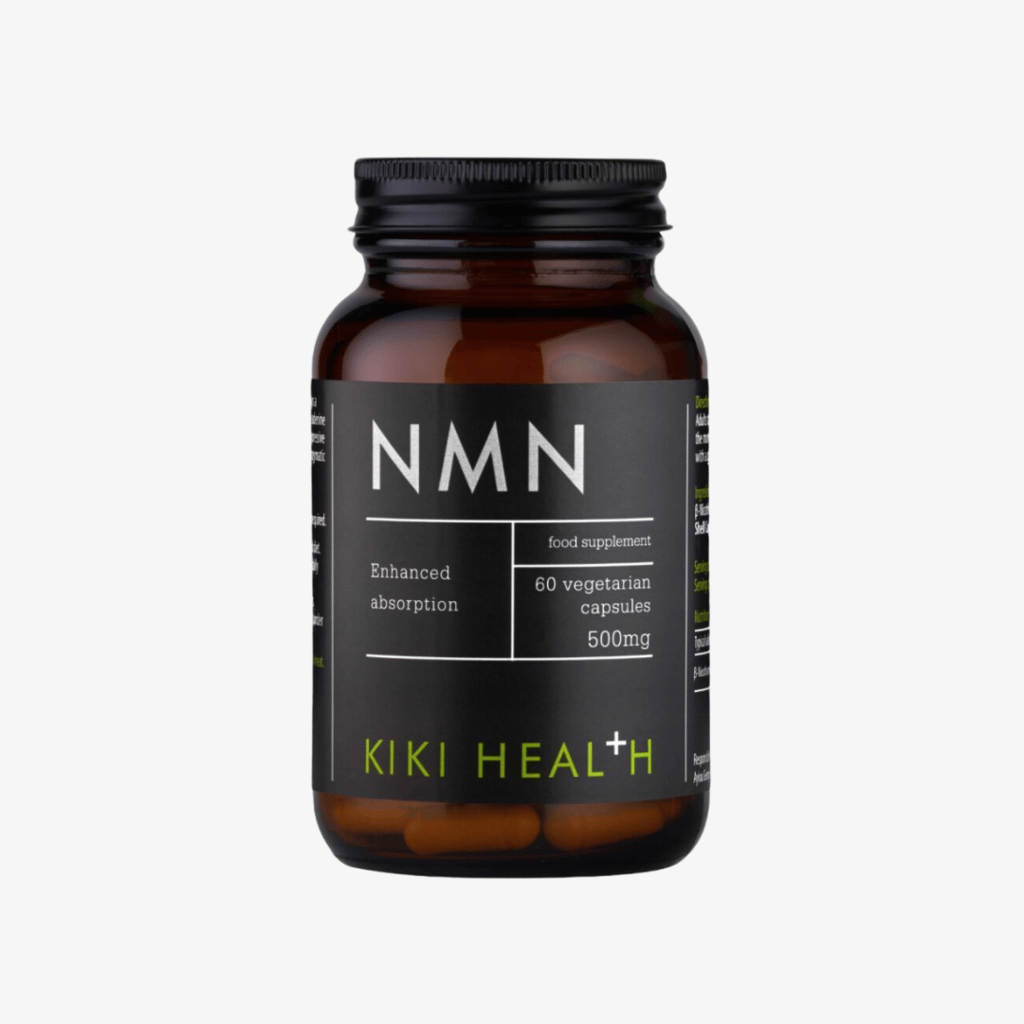
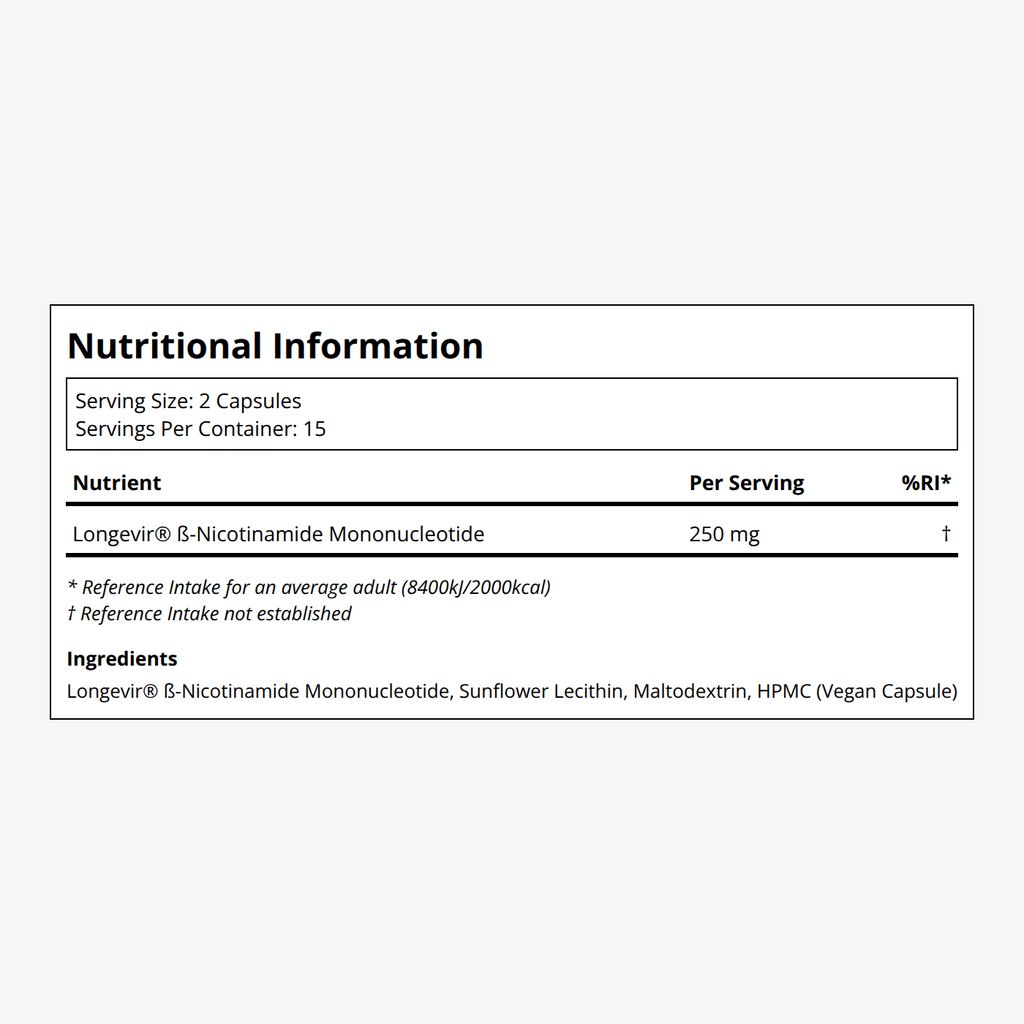
There isn't currently an established recommended daily figure for NMN dosage. Most human clinical trials have successfully evaluated daily NMN doses ranging anywhere from 250 mg to 2,000 mg per day.
“For healthy aging and general athletic support, researchers most commonly use a standard target dose of 250 mg to 500 mg daily,” says Dr. Abdullah, pointing to a 2026 review in the journal Nutrients.
It’s generally recommend to take this dose in the morning on an empty stomach to align with the body's natural circadian rhythms of energy metabolism. And if an NMN supplement doesn’t sound right for you, there’s some evidence that vitamin B3 supplements can also have a beneficial effect on your NAD+ levels, especially when it comes to muscle performance during exercise.
NMN side effects, and how to choose the best NMN supplement in the UK
According to a 2023 study in the journal Advances in Nutrition, NMN has a “highly favourable” short-term safety profile, with no serious adverse events reported. Which is reassuring. However, some users did experience mild nausea or digestive discomfort, and its energy-boosting properties may cause insomnia in some.
Plus, Dr. Patel cautions that we need more long-term safety data to be certain that general supplementation is appropriate for all. “I'd also be cautious of any products making dramatic claims about reversing ageing or preventing disease,” he says. Dr. Coyne agrees, suggesting that while NMN is considered safe, more randomised controlled trials and meta- analyses are required.
It’s something to keep in mind when discussing your own medical history with your GP. “Preventative healthcare should involve understanding someone's medical history, lifestyle, nutritional needs and any underlying health concerns,” says Dr. Patel.
With those bases covered, NMN is an interesting area to explore. If you do decide to investigate further, Dr. Abdullah recommends choosing a stabilised crystalline powder or a liposomal formulation to prevent the fragile NMN molecule from degrading when exposed to heat and air.
As with any supplement, unless an underlying health issue prevents you from experimenting, it’s worth finding out for yourself if NMN feels right for you.



This article is for informational purposes only, even if and regardless of whether it features the advice of physicians and medical practitioners. This article is not, nor is it intended to be, a substitute for professional medical advice, diagnosis, or treatment and should never be relied upon for specific medical advice. The views expressed in this article are the views of the expert and do not necessarily represent the views of Healf
Tom Ward is a former Men's Health features editor, and writes regularly on sports, fitness and adventure for the Red Bulletin, Outside, and the Sunday Times. He is the author of the novels The Lion and The Unicorn, and TIN CAT.