



















































Could The Secret To Crushing Inflammation Be In Your Fibre Stack?
Our fibre obsession could have long-lasting benefits for our chronic inflammation.

Written by: Pippa Thackeray
Written on: 6 April 2026
Not all fibre is created equal, especially when you're fibremaxxing. There appear to be some fibres that help lessen chronic, low-grade inflammation — or “inflammageing” as longevity experts like Andrew Huberman call it — which is a key driver behind some of today's most common metabolic conditions. In fact, certain anti-inflammatory fibres have been linked to lower rates of illness, including type 2 diabetes, cardiovascular disease, and some cancers.
It is worth noting that ‘anti-inflammatory fibre’ is not a formal scientific classification. It’s more of a term popularised by experts like Dr. Andrew Weil (and his famous ‘anti-inflammatory diet’).
But whether you're looking to tweak your stack to find a fibre supp that helps inflammation, or just find a more targeted one that doesn't leave you bloated and uncomfortable, here's your ultimate guide to anti-inflammatory fibre to help find the best one for you.
What are anti-inflammatory fibres?
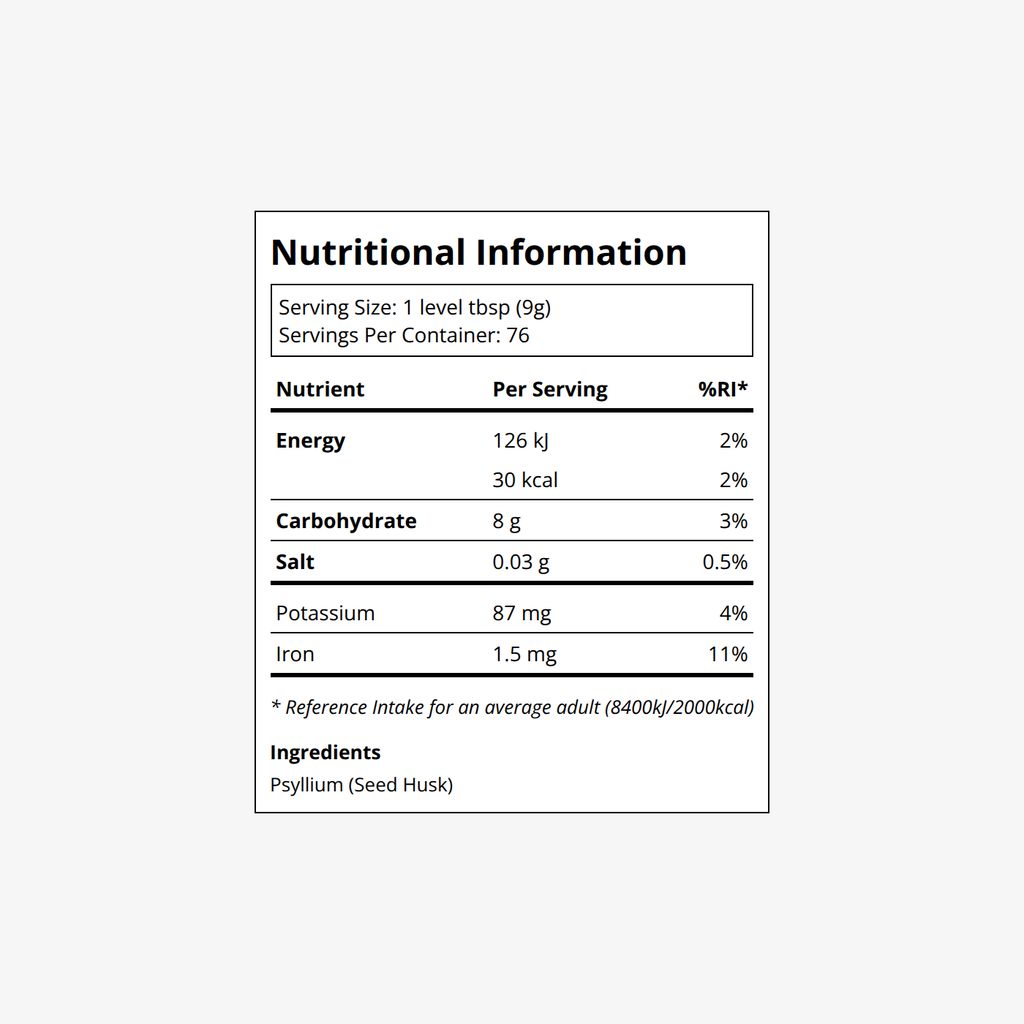
Anti-inflammatory fibres include inulin, fructans, resistant starch, beta-glucan, psyllium, pectin, and arabinoxylans. They can be found in supplement form, and also in foods like whole grains, legumes, fruits, vegetables, nuts, and seeds. These types of fibres ferment in the gut to produce short-chain fatty acids (like butyrate), which support beneficial bacteria, strengthen the gut barrier, and lower markers of inflammation in the body (such as CRP and IL-6).
Think of reducing your chronic systemic inflammation like putting out a fire that is secretly burning inside your body and damaging healthy tissues over time. Chronic systemic inflammation is thought to be closely tied to the progression of metabolic syndrome and its related disorders. By moderating these underlying processes, so-called ‘anti-inflammatory fibres’ may contribute not only to disease prevention but also to mitigating some of the biological drivers around ageing.
Is more fibre always better?
Most experts recommend aiming to get around 30 grams of fibre each day. In reality, most people fall short, with the average intake estimated at around 18 grams. In that around 96% of adults in the UK fail to meet current fibre recommendations.
But higher fibre intake may not be for everyone. Some studies indicate that very high amounts of soluble fibre (like inulin or FOS) might actually increase inflammation in select individuals, rather than reducing it, but this tends to occur in people with pre-existing health conditions.
Whenever you increase fibre, the relative balance of bacteria in your gut will shift towards those which thrive on the fibre types you are consuming, says Benjamin Richardson, a performance nutritionist. But as your gut adjusts, you may experience some symptoms as those poorly digested fibres try to move through the digestive tract.
A sudden, high intake of fibre that a person is not used to can lead to gastrointestinal side effects, including cramping, gas, and constipation. To manage sudden, high fibre intake side effects, it’s recommended to immediately increase water intake to aid digestion and temporarily reduce fibre intake by including more low-fibre foods (like white rice and well cooked vegetables) until symptoms subside.
You should also try to get most of your fibre from your diet, says Richardson, who explains that supplements can lack the beneficial nutritional complexity and phytochemicals found in natural foods.
Sarah Bocquillon, a nutritional therapist and member experience lead at Healf Zone, also opts for a food-first approach where possible, but says fibre supplements might be great while traveling, or if you have a restrictive diet that may not deliver all the fibre you need.
"More examples include fibres from the soluble and fermentable fibre groups, like oats, chia, flax, and partially hydrolysed guar gum, as they tend to be more anti-inflammatory and better tolerated. This is mainly due to the fact that they support beneficial gut bacteria and produce short-chain fatty acids," she says.
How fibre acts in your gut
Different fibres have very different effects within the digestive system. Some are more anti-inflammatory and soothing, while others are highly fermentable and more likely to produce gas, especially in sensitive individuals.
The gut needs a varied input to support a diverse, healthy microbiome, which has to be balanced with what your digestive system can handle. “Most of the time, for general wellbeing, going for a diverse intake of fibre is going to be the best approach," says Richardson. If you struggle with bloating, start slow.
Here are a few options to begin with:
- Psyllium
- Oats
- Chia
On the other hand, try to avoid (at least initially) taking in too much of the following:
- Inulin
- Legumes
Remember that fibres can have different physical properties that dictate how it acts in the body.
Soluble (e.g., oats, pectin): Forms a gel, slows digestion, helps manage blood sugar, and lowers LDL cholesterol. Psyllium also fits into this category, as well as inulin and dextrin in supplemental form.
Viscous (e.g., legumes, flaxseed): Forms a thick, dense gel. Its viscosity usually drives metabolic benefits, like trapping bile acids and cholesterol so that they can be cleared from the body more efficiently. They can also slow the absorption of sugar into the bloodstream, supporting blood sugar regulation. Some common viscous supplements include psyllium and glucomannan.
Insoluble bulking fibre (e.g., wheat bran, vegetables): Adds bulk and speeds up the bowel movement. This might include cellulose and lignin.
Fermentable (e.g., garlic, onion, beans): Most fibres are fermentable to some extent, but those that are deemed more "fermentable" typically are used to support good gut bacteria, producing beneficial short-chain fatty acids (SCFAs) that improve immunity and gut health. Be careful, though, as they can also cause excessive gas if you are not accustomed to taking them.





What are the best anti-inflammatory fibre foods?
Foods, like cruciferous veggies, legumes and nuts, can be a rich source of fibre, per Richardson. These foods also provide a diverse array of vitamins, minerals, amino acids, essential fatty acids, phytonutrients, all of which contribute to essential or health-supporting metabolism, he adds. So, it's always a good idea to lean into "food-first" fibre options.
Gentler gel-forming fibre sources: Oats, chia seeds, flaxseeds, cooked root vegetables, squash, slightly green bananas and avocado. These are generally gel-forming and slower to ferment, making them better tolerated.
Polyphenol and fibre combinations: Berries, apples, pears, and where tolerated, legumes. These provide both fibre and polyphenols, supporting gut and wider inflammatory balance.
Resistant starch sources: Cooked and cooled potatoes or rice, green bananas and lentils. These feed beneficial bacteria and are often more gradually fermented.
Don't forget mushrooms: “They offer some unique fibre types, are an entire food group on their own, and often get left out," says Richardson. Mushrooms contain a mix of soluble and insoluble fibre, primarily composed of chitin and beta-glucans.
Is there a way to eat fibre without bloating?
Increase fibre gradually and focus on variety rather than a single source, and make sure to drink lots of water to stay hydrated. Some fibres, particularly the soluble, viscous fibres like psyllium husk, will absorb liquid as they pass through your digestive tract, says Richardson. Plus, he adds, without adequate liquid, the gel will have a hard time forming and your digestive tract may need to pull in water from other parts of the body. "This can result in the double-negative of the food bolus travelling through your digestive tract slowing down, increasing fermentation, and associated gas and bloating, and also dehydration throughout the rest of your body," he says.
Richardson provides some guidance on how you can incrementally adjust your fibre intake: Try adding in just 2 to 5 grams extra per day. Maintain the initial dose for a week and if you are tolerating it without problem, go up by another 2 to 5 grams. "Going slowly enables your digestion and bacteria to adjust.”
Who might require a more tailored approach to fibre intake?
In cases of chronic inflammation, prioritising fibre diversity alongside polyphenol-rich foods can be beneficial. But, those with IBS or a sensitive gut may benefit from starting with gentler types that are lower-FODMAP, meaning fibres that are generally considered less fermentable.
Especially for common digestive symptoms such as constipation or loose stools, the type of fibre is particularly important. Richardson often utilises his knowledge of FODMAPs to assist these clients: “FODMAPs (fermentable oligosaccharides, disaccharides, monosaccharides and polyols) are found in a wide range of very healthy foods, such as garlic, onions, oats, legumes, mushrooms, fruits and vegetables.”
If you are working through any specific conditions, including disease states (like diabetes or cardiovascular disease), or you struggle with gut-related symptoms for an extended period, it may be useful to assess your fibre intake under the guidance of a licensed practitioner, as they can pinpoint a more direct course of action and may also incorporate gut testing for accuracy. As Richardson tells us: “One should always choose a supplement based on personal goals and the human evidence that the supplement can assist with those goals.”
What to remember?
Beyond a simple digestive aid, fibre can be central to anti-inflammatory protocols, feeding beneficial gut bacteria and helping to produce compounds that calm inflammation.
But, to harness their benefits most comfortably, start low and increase your intake gradually, always prioritise hydration, and pay close attention to how your body (including your gut) responds over time.



This article is for informational purposes only, even if and regardless of whether it features the advice of physicians and medical practitioners. This article is not, nor is it intended to be, a substitute for professional medical advice, diagnosis, or treatment and should never be relied upon for specific medical advice. The views expressed in this article are the views of the expert and do not necessarily represent the views of Healf
Pippa is a content writer and qualified Nutritional Therapist (DipNT) creating research-based content with a passion for many areas of wellbeing, including hormonal health, mental health and digestive health.
As a contributor to The Healf Source, she regularly attends seminars and programmes on a plethora of contemporary health issues and modern research insights with a drive to never stop learning. In addition, interviewing experts and specialists across The Four Pillars: EAT, MOVE, MIND, SLEEP.
In her spare time, she is an avid swimmer, mindfulness and yoga lover, occasionally bringing a raw, honest approach to the topics she faces. You may also discover some personal accounts of eye-opening wellbeing experiences amidst the reality of a disorientating, and often conflicting, modern wellbeing space.