


















































_2026-10-13_14-11-48.png)


Can You Take Too Much Magnesium?
From bone strength to sleep and stress resilience to muscle cramps, magnesium is one of the most popular supplements on the market. Here’s what happens if you take too much of the supp.

Written by: Ed Cooper
Written on: 4 August 2026
Did you know that your magnesium levels are directly linked to not only your energy production, bone strength and muscle function, but also more than 300 other chemical reactions in the body?
Despite being such an important mineral for our health, sleep and overall well-being, it’s estimated that around 10% of people in the UK aren’t getting enough of it. However, for the approximate 90% of us that are getting our magnesium either through our diet — from dark chocolate to spinach and pumpkin seeds to cashew nuts — or daily supplementation, it’s a real possibility that we can go too far in the opposite direction and, effectively, take too much of it.
Speaking to Dr. Oliver Rabie, BSc (SEM), MRCGP, Dip IBLM/BSLM, a London-based GP, Healf explores why magnesium is having a moment, the difference between dietary and supplemental magnesium, and what the symptoms of taking too much could look like.
Why magnesium is one of the most popular supplements right now
Magnesium is often recommended to treat a spectrum of health concerns, including poor sleep, anxiety, migraines and muscle cramps, Dr. Rabie explains. “It’s involved in everything from muscle contraction and nerve function to energy production, blood glucose regulation and maintaining healthy bones,” he says. But there's a small caveat: “whilst there is promising evidence for magnesium supplementation in some of these areas, the strength of the evidence varies depending on the condition being treated.”
After all, not every health concern is equivalent, and it’s important to take a closer look at why, not just how, magnesium might be used in your routine.
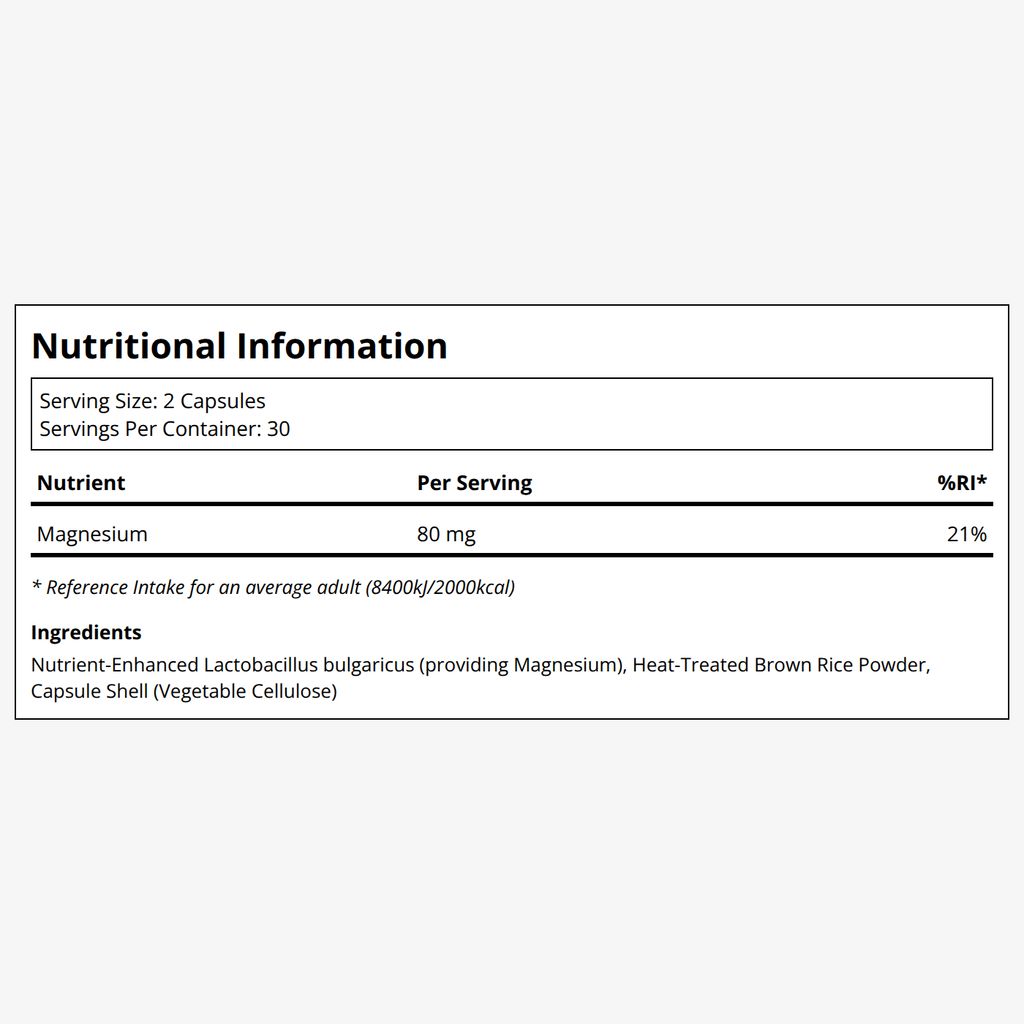
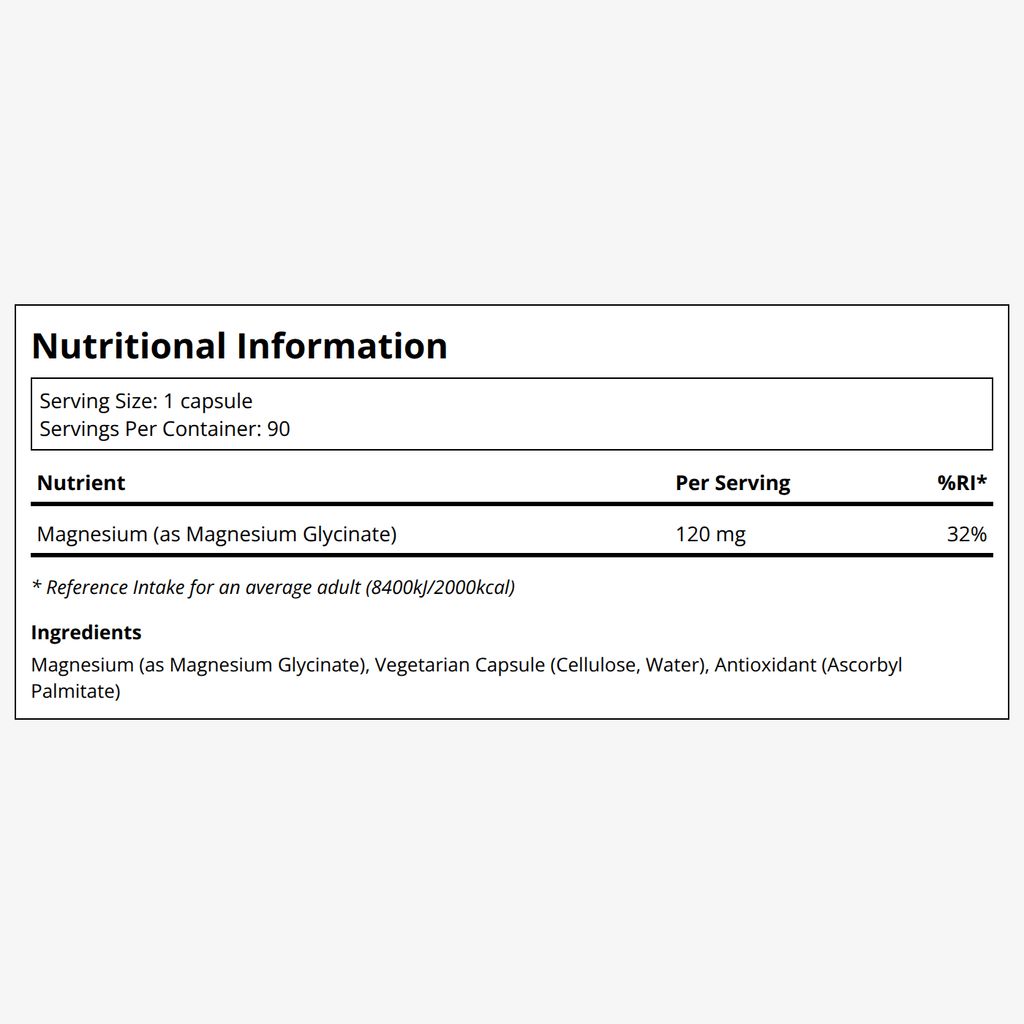
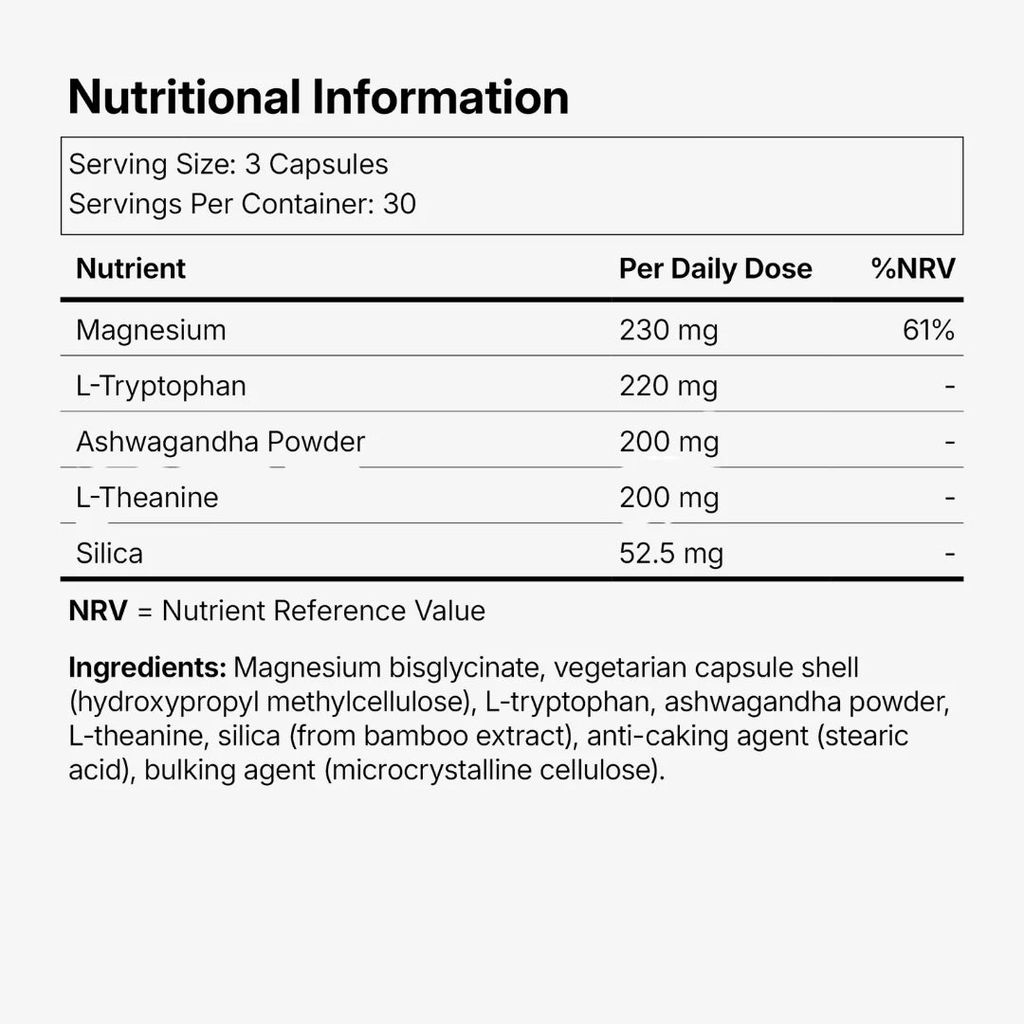
In supplement form, there are three types of magnesium most commonly seen: magnesium citrate, often used as a laxative for gut health issues; magnesium glycinate, for improved sleep and overall reduction in anxiety and magnesium oxide, often associated for easing constipation or indigestion.



What happens in your body when you take too much
Whether taken as a supplement, through magnesium citrate, glycinate or oxide, or through your diet, it’s understandable if you’re concerned about taking too much magnesium. Thankfully, your body has an inbuilt firewall to ward off most risks. “For most healthy people, magnesium levels are very tightly regulated by the body,” says Dr Rabie. “If you consume more magnesium than you need, your kidneys simply filter the excess and excrete it in your urine.” This means that true magnesium toxicity, Dr Rabie explains, “is uncommon in people with normal kidney function.”
However, those with kidney disease or taking large amounts of magnesium-containing medications or supplements can see magnesium accumulating in the bloodstream. “At very high levels, magnesium begins to affect nerve and muscle signalling, which can lead to muscle weakness, low blood pressure, a slow heart rate and, in severe cases, disturbances in heart rhythm or breathing,” says Dr Rabie. Daily magnesium supplements of 350mg or under are generally considered to be safe.
The key symptoms of magnesium overload
Though magnesium has such varied functions across your body, there’s one key symptom that overrides anything else: digestive issues. “For most people, taking slightly more magnesium than their body needs is far more likely to cause digestive symptoms than serious toxicity,” says Dr Rabie, who explains that common symptoms include diarrhoea, bloating, abdominal cramping, nausea and occasional vomiting. “These symptoms usually improve by reducing the dose or stopping the supplement.”
Magnesium toxicity, however, can present differently. “True magnesium toxicity is rare but can present with muscle weakness, drowsiness, low blood pressure, slow heart rate, confusion and, in severe cases, difficulty breathing.”
Another key sign to look for, Dr Rabie says, is when magnesium that isn’t absorbed into the blood stream remains in the intestine, which, in turn, draws water into the bowel. “This is why the earliest signs of taking too much magnesium are usually digestive symptoms such as diarrhoea, bloating, abdominal cramping or nausea.”
Does the form of magnesium change the risk?
“The form of magnesium you choose is more relevant to how well it is absorbed and tolerated than to the risk of magnesium overload,” says Dr Rabie. Slow-release and microencapsulated supplements, for example, are designed to release magnesium more gradually through the digestive tract, which may help reduce gastrointestinal side effects for some people. “Magnesium glycinate is generally better tolerated than magnesium oxide or citrate, both of which are more likely to cause loose stools at higher doses,” he adds.
Nevertheless, Dr Rabie says, “I’m a firm believer that, for most people, the best way to obtain magnesium is through a balanced diet, with foods such as nuts, seeds, legumes, whole grains and leafy green vegetables.” For people with a confirmed deficiency, or, medical conditions that increase magnesium losses, he says, “there are circumstances where supplementation may be appropriate.”
That said, there is no strong evidence that one form meaningfully lowers the risk of magnesium overload. For otherwise healthy people, Dr Rabie says this is influenced far more by kidney function and the total amount of magnesium consumed than by the specific formulation.
How to find your optimal dose without overdoing it
“When it comes to magnesium, more isn’t necessarily better,” says Dr Rabie. For most healthy adults, there is no need for routine magnesium testing before trying a supplement—particularly as serum magnesium does not offer a reliable picture of the body’s total magnesium stores. Instead, he recommends starting with a food-first approach, then choosing a supplement that suits your particular health goal.
“If you do decide to supplement, begin with the lowest effective dose,” he advises. “It gives you the chance to see how your body responds, while reducing the likelihood of gastrointestinal side effects.” Follow the manufacturer’s guidance and remember that supplements are there to complement a balanced diet, not stand in for one.
For those with kidney disease, taking medicines that can affect magnesium levels, or considering high-dose supplementation, it is worth speaking to a healthcare professional first. Ultimately, magnesium is widely used and generally safe for healthy people—but its natural origins are not a reason to assume that a larger dose will deliver greater benefits.



This article is for informational purposes only, even if and regardless of whether it features the advice of physicians and medical practitioners. This article is not, nor is it intended to be, a substitute for professional medical advice, diagnosis, or treatment and should never be relied upon for specific medical advice. The views expressed in this article are the views of the expert and do not necessarily represent the views of Healf
Ed is a freelance journalist and former Men’s Health digital editor, with bylines in Red Bull, BBC StoryWorks, Guardian Labs, Third Space, Natural Fitness Food and Form Nutrition, among others. Having run marathons, conducted sleep experiments on himself and worked with some of the world’s most in-demand experts — from sleep scientists and strength athletes to high-performance trainers and elite-level nutritionists — one thing remains clear for The Healf Source contributor: fitness trends come and go, but as long as you keep turning up for yourself, consistency will win every time.