




































_2026-10-13_14-11-48.png)


How To Do NSDR: A Beginner's Guide to Non-Sleep Deep Rest
A practical guide to non-sleep deep rest, from how to do it, when to use it, how long it should last and whether it can really replace a nap.

Written by: Samantha Nice
Written on: 27 July 2026
Feeling tired doesn't always mean you need more caffeine or more sleep. Sometimes, your brain simply needs a chance to switch gears. That's the idea behind non-sleep deep rest (NSDR), a guided practice that takes your brain and body towards the edge of sleep without requiring you to actually drift off.
Popularised by Stanford neuroscientist Andrew Huberman, NSDR involves lying down and following a guided recording through slower breathing and a body scan. Sessions can last as little as 10 minutes and can be used after a poor night's sleep, during the afternoon slump or whenever your mind feels too switched on to properly rest.
To explain what actually happens during an NSDR session, we spoke to Kelly Boys, a mindfulness trainer, coach and NSDR specialist, whose protocols are recommended by Huberman.
"You're self-directing relaxation, bringing your body and mind into the transition point between wake and sleep," says Boys. "You're training your nervous system to enter a downstate, as Dr. Sara Mednick calls it, which can boost creativity and reset your energy. You can fall asleep or remain awake, it works either way."
How to do NSDR
You don't need any previous experience or specialist equipment. Just a guided recording, somewhere comfortable and 10 uninterrupted minutes.
Choose a short guided session
Start with a 10-minute NSDR or Yoga Nidra recording led by an experienced teacher. Their voice will guide your breathing and move your attention around the body, so there's nothing to remember or get right.
The right voice makes more difference than you might think. Find one you enjoy listening to, with a pace that helps you slow down rather than rush through the session. Huberman recommends Boys' recordings and even includes them in his own daily NSDR practice. You can listen to her guided sessions here.
Get comfortable
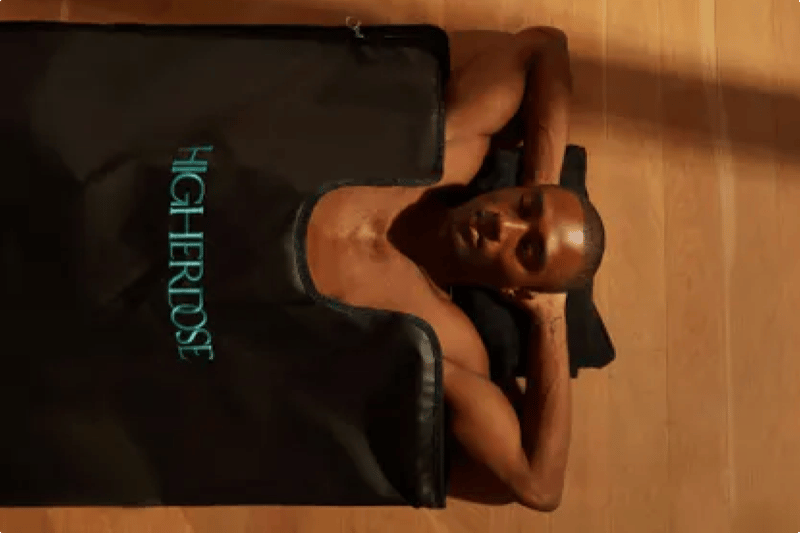
Lie on your back somewhere you can fully relax. A bed, sofa, yoga mat, or carpeted floor all work well. If your lower back feels uncomfortable, place a pillow beneath your knees. If lying down isn't practical, a reclining chair works too. The aim is to stop holding yourself up so your body can fully relax.





Create a quieter environment
Think of this as giving your brain fewer things to process. Dim the lights, silence notifications, and close your eyes before you begin.
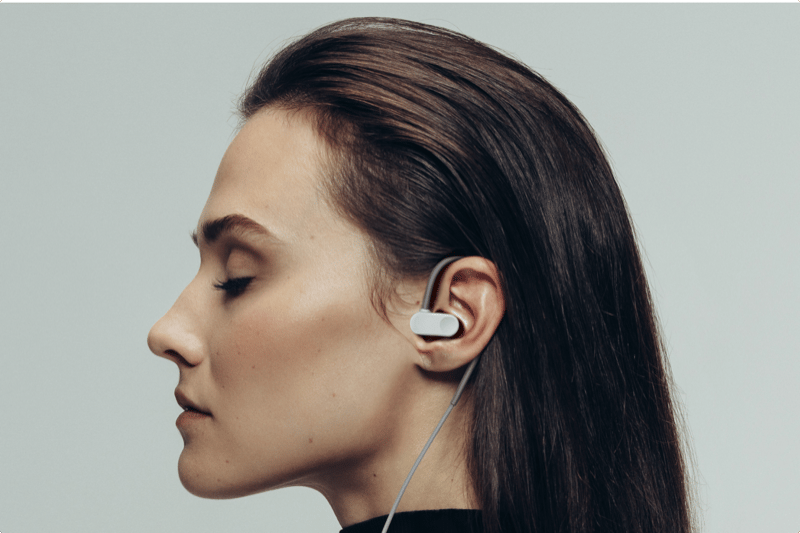
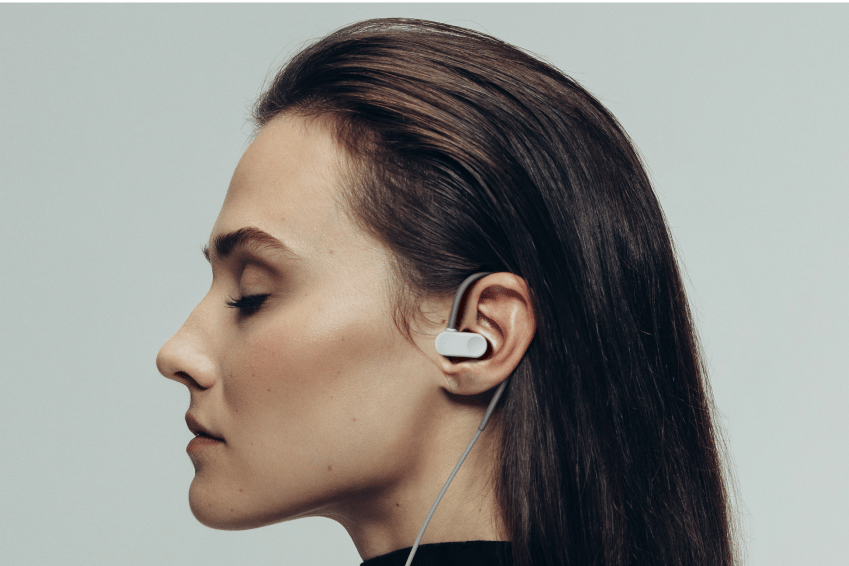
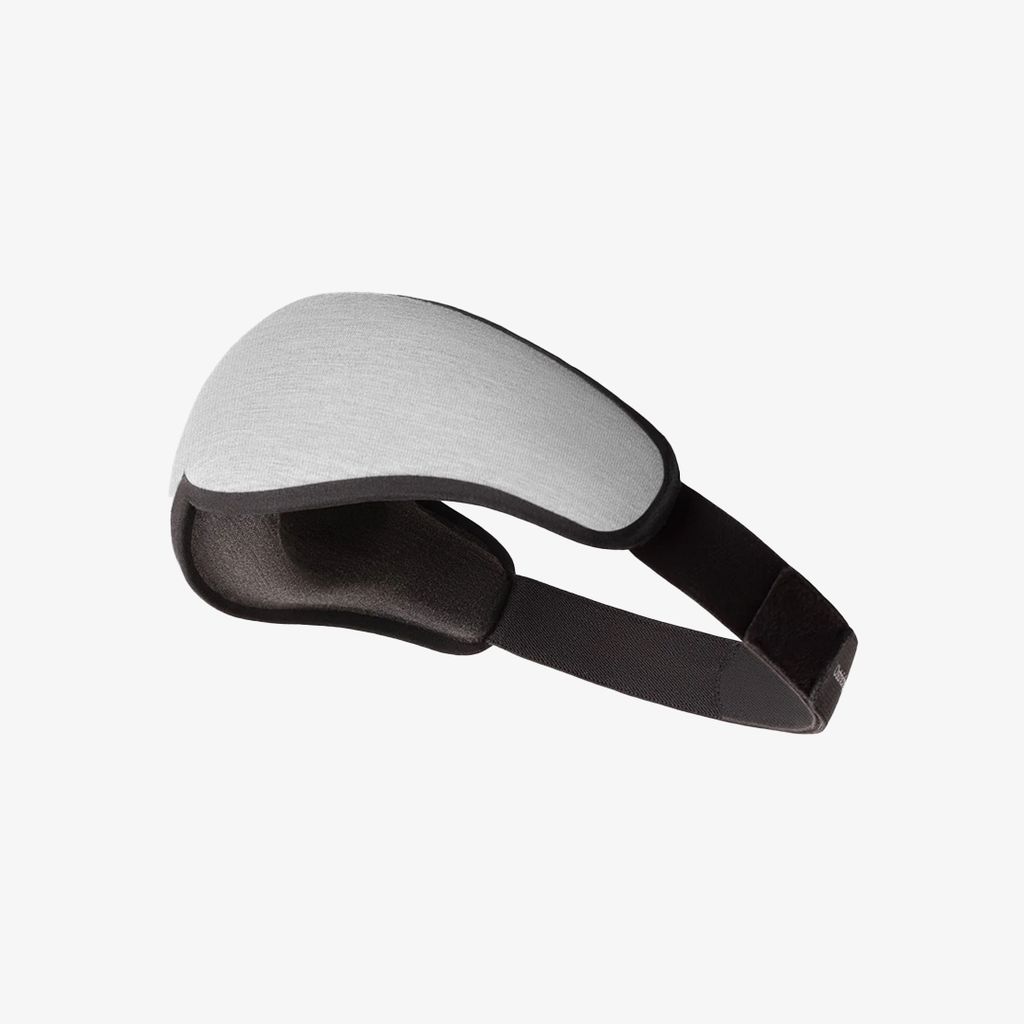
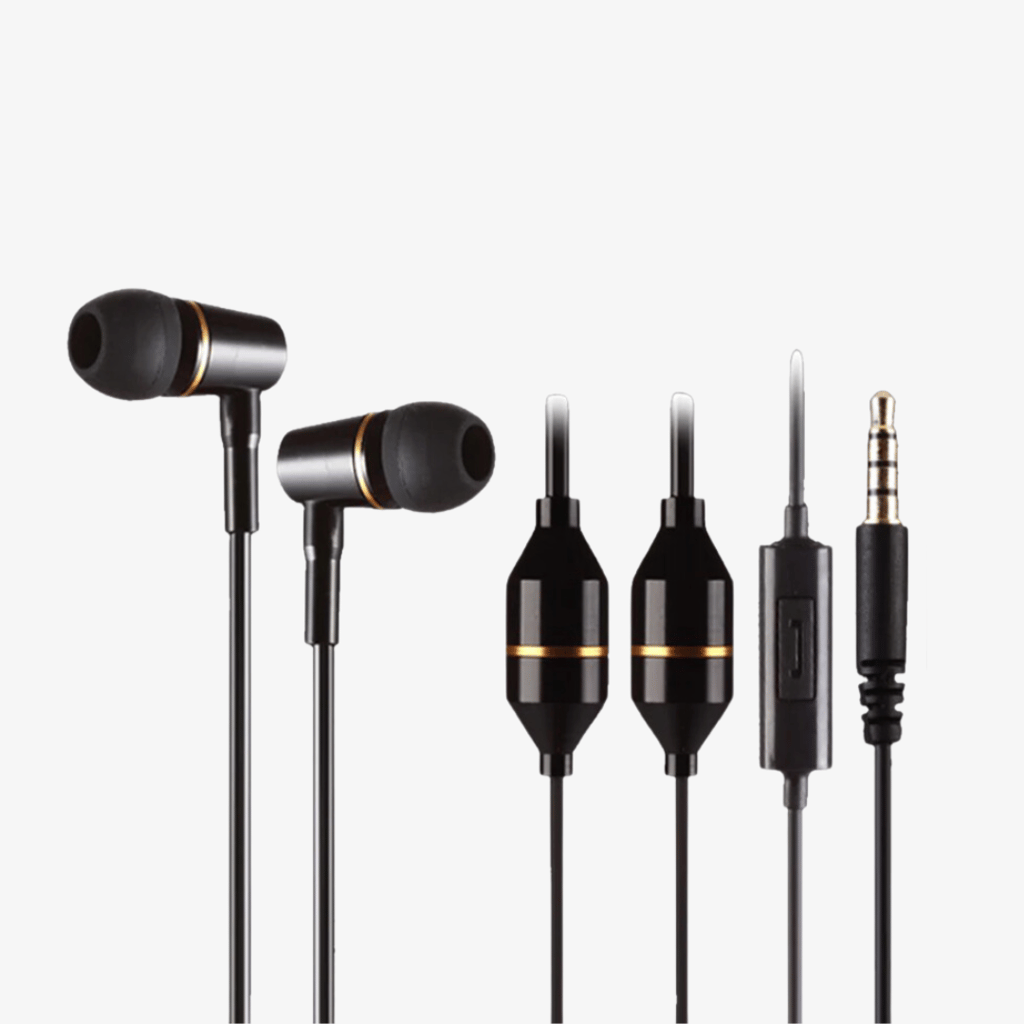
An eye mask can make daytime sessions feel more immersive, while headphones can help you stay with the recording. You may also want a blanket nearby, as it's common to feel cooler once your body settles.




Let the recording do the work
Most recordings begin with your breathing before gradually moving your attention through different parts of the body. Your mind will wander, which is completely normal. Each time you notice it has drifted, bring your attention back to the next instruction without worrying about what you missed.
Boys describes the experience as "taking your mind on a walk through your body". "Focusing your cognition onto your physiology gives your mind a job," she explains. "Combining that with deep breathing helps you relax."
Forget about doing it perfectly
The biggest mistake, says Boys, is expecting a particular outcome. "There's no correct way to do it," she says. "It's about letting go and seeing what happens, not about managing or controlling your experience."
Some sessions will leave you feeling deeply relaxed. Others may feel restless or dreamlike. You might lose track of the recording or stay aware from beginning to end. It’s all part of the experience.
If you fall asleep, that's okay
You don't have to stay awake for NSDR to be worthwhile. If you drift off, let it happen. If you're fitting a session into your working day, set a gentle alarm before you begin. If you're using NSDR before bed, let the recording carry on as you fall asleep.
Once the session ends, give yourself a minute before jumping back into emails, Slack messages, or social media. A slower return helps you hold onto that feeling of calm a little longer.
How long should an NSDR session last?
Ten minutes is enough for a beginner. Boys recommends trying it between activities, and allowing the stillness itself to do some of the work.
Here’s a simple guide:
- 10 minutes for a quick afternoon break
- 20 to 30 minutes when you feel mentally drained
- 30 minutes or longer when using it to fall asleep
There’s no established optimal duration. Direct NSDR research remains limited, although researchers have begun studying sessions as short as 10 minutes. Choose a length you can repeat. A short recording you use regularly is likely to be more useful than a longer one you keep putting off.
When is the best time to practise NSDR?
There's no single best time to practise NSDR. It works whenever you need to step away from mental noise, reset your focus, or give your nervous system a chance to slow down.
During the afternoon slump
Energy naturally dips during the early afternoon. Ten to 20 minutes of NSDR can give your brain a break without reaching for another coffee or risking the grogginess that sometimes follows a nap.
"Afternoons are great for NSDR," says Boys. "You can use it when you need it." Rather than waiting until you're completely running on empty, try it as soon as you notice your focus or energy beginning to fade.
After a disrupted night's sleep
NSDR can't replace sleep, but it may help you feel calmer and more refreshed when a nap isn't an option. "After a poor night's sleep, you may be able to rest quietly and recover some of that sleep loss," says Boys.
If poor sleep has become your normal, it's worth speaking to your GP or a sleep specialist to understand what's behind it.
After work
Working from home has blurred the line between work and everything else. A 10-minute NSDR session can create a clear pause between your final meeting and the rest of your evening. Boys recommends starting with 10 minutes after work. It's a simple habit that's much easier to stick to than waiting until you have a completely free evening.
When stress feels physical
Stress doesn't disappear the moment the stressful thing is over. It often lingers in your body, showing up as a tight jaw, shallow breathing or a mind that won't stop racing.
Closing your eyes, slowing your breathing and following a body scan can help shift you out of that state. "When you're stressed, it's the perfect reset of your emotions and your physiology," says Boys.
Before bed
If your brain becomes busiest the moment your head hits the pillow, NSDR gives it something else to focus on. Following a guided recording can be easier than trying to force yourself to switch off while replaying conversations, planning tomorrow or watching the clock.
Choose a longer recording without adverts or an abrupt ending and let yourself drift off if sleep comes naturally.
What happens during NSDR?
Closing your eyes gives your brain less information to process. Lying still removes much of the physical effort involved in moving or sitting upright. The recording then narrows your attention to your breath and physical sensations.
Together, these conditions can move the body away from high alert and towards what sleep researcher Dr. Sara Mednick calls a ‘downstate’. Your brain remains active, and you may hear every word, experience dreamlike images, or move between awareness and drowsiness.
Research into Yoga Nidra has reported changes in sleep and cognitive performance, although studies are generally small and use different protocols. A 2023 study found improvements in objective sleep measures and cognitive processing after two weeks of daytime Yoga Nidra.
An earlier brain-imaging study recorded increased dopamine release during Yoga Nidra. This finding is sometimes used to claim that NSDR replenishes dopamine, but the research involved a small group of experienced practitioners. It cannot tell us that every brief session produces the same response.
What are the potential benefits of NSDR?
Research into NSDR itself is still developing, but evidence from Yoga Nidra and related practices points towards a few possible uses:
A clearer head
A guided body scan replaces decision-making with a steady set of instructions. For a short period, there is nothing to plan, answer, or solve. This may make it easier to return to work without carrying the previous task around in your head.
Less physical tension
Moving your awareness through the body can reveal how much tension you are holding in your forehead, jaw, shoulders, or hands. You don’t need to force those muscles to relax. Noticing the effort can be enough for some of it to ease.
Better sleep
One study involving people with chronic insomnia reported improvements when Yoga Nidra was added to their usual care. Boys says people who practise consistently may sleep better, feel more refreshed, and become less reactive.
NSDR may help when racing thoughts make it difficult to settle, but it’s not a treatment for every sleep problem. Conditions such as sleep apnoea, restless leg, and chronic pain need specific care.
A break without more caffeine
NSDR doesn’t create energy or replace sleep. It removes noise, screens, and decisions for a few minutes. Afterwards, you may find it easier to begin the next task or realise that you didn’t need another coffee after all.
Space for ideas
Good ideas have a habit of appearing in the shower, on a walk or just before sleep, when the brain is no longer pushing through the same line of thought. NSDR creates a similar pause. As the mind becomes less tightly focused, unexpected connections may surface.
Research into deep rest, memory, and creativity is still emerging, so we’re not saying this is a guaranteed productivity hack.
Is NSDR the same as Yoga Nidra?
NSDR borrows heavily from Yoga Nidra, but the terms have different origins. NSDR is a modern umbrella term for guided practices designed to create deep rest. Yoga Nidra is a traditional Indian practice with a broader focus that can include intention, visualisation and self-inquiry.
“Yoga Nidra is the traditional practice that emerged from India and covers a wider range of practices intended for healing your psyche and helping you connect with your deeper intentions,” says Boys.
An NSDR recording is more likely to use secular language centred on breath and body awareness. To a beginner, the two may feel very similar.
Is NSDR the same as meditation?
NSDR uses techniques found in meditation, including awareness of breath, sensation and wandering thoughts. The experience is usually easier to follow because you’re lying down and listening to continuous instructions. There’s no expectation to sit upright, remain fully alert or clear your mind. That makes it a useful entry point for anyone who finds silent meditation frustrating.
Can NSDR replace a nap?
A nap involves entering sleep. During NSDR, you may remain awake, become drowsy, or briefly drift off. A nap may make more sense when you’re sleep-deprived and can fall asleep easily. NSDR may suit you better when:
- naps leave you groggy
- you cannot fall asleep during the day
- late naps disrupt bedtime
- you only have 10 minutes
- trying to nap makes you feel pressured to sleep
There’s not enough research directly comparing the two to claim that NSDR offers the same recovery as sleep. It’s better viewed as another way to rest when napping isn’t possible or doesn’t work for you.
Some of the most common NSDR mistakes
Starting with a long session
A 45-minute recording can make rest feel like another task. Begin with 10 minutes.
Checking whether it’s working
Monitoring your breathing, relaxation, or mental state keeps you in performance mode. Follow the voice and let the session unfold.
Fighting sleep
Drifting off isn’t a failure. Use an alarm when you have limited time.
Treating it as a cure for poor sleep
NSDR may make a tired day easier, but it can’t erase ongoing sleep deprivation or an untreated sleep disorder.
Reaching for your phone straight away
Give yourself a minute before returning to bright light, messages and notifications.
A 10-minute NSDR routine for beginners
If you're not sure where to start, give this a go:
- Minutes 0 to 1: Lie down, close your eyes and let your body settle.
- Minutes 1 to 3: Notice your breathing. Gradually allow each exhale to become longer and softer.
- Minutes 3 to 7: Move your attention from your face and shoulders through your arms, torso, legs, and feet.
- Minutes 7 to 9: Notice your body as a whole. Let thoughts and sounds pass without following them.
- Minutes 9 to 10: Deepen your breathing, move your hands and feet and open your eyes when ready.
A guided recording is easier for your first sessions because you don’t need to watch the clock or remember the sequence.
NSDR: Health or hype?
The research behind NSDR is still evolving, but the practice itself is remarkably simple. Set aside 10 minutes, follow a guided recording and give yourself permission to do a little less. You don't have to stay awake. You don't have to clear your mind. You don't even have to feel relaxed every time.
Perhaps that's why NSDR has struck a chord. In a culture that turns almost everything into something to optimise, it asks you to stop trying quite so hard. Sometimes, that may be exactly what your brain has been asking for.
Your most asked NSDR questions
What does NSDR stand for?
NSDR stands for non-sleep deep rest. Neuroscientist Andrew Huberman coined the term to describe guided practices that create deep relaxation without requiring sleep.
How frequently should you practise NSDR?
There’s no set schedule. Start with 10 minutes, two or three times a week, using the same recording until the process feels familiar.
Is it okay to fall asleep during NSDR?
Yes. You can remain awake, drift in and out, or fall asleep completely.
Does NSDR make up for lost sleep?
It may help you feel more rested after a poor night, but it cannot reproduce every function of sleep. Use it alongside an earlier night or another chance to recover.
Does NSDR work?
Early NSDR research and a wider body of Yoga Nidra research suggest possible benefits for relaxation, sleep, and cognitive performance. Larger studies are needed before stronger claims can be made.
This article is for informational purposes only, even if and regardless of whether it features the advice of physicians and medical practitioners. This article is not, nor is it intended to be, a substitute for professional medical advice, diagnosis, or treatment and should never be relied upon for specific medical advice. The views expressed in this article are the views of the expert and do not necessarily represent the views of Healf
Samantha Nice is a seasoned wellness writer with over a decade of experience crafting content for a diverse range of global brands. A passionate advocate for holistic wellbeing, she brings a particular focus to supplements, women’s health, strength training, and running. Samantha is a proud member of the Healf editorial team, where she merges her love for storytelling with industry insights and science-backed evidence.
An avid WHOOP wearer, keen runner (with a sub 1:30 half marathon) hot yoga enthusiast and regular gym goer, Samantha lives and breathes the wellness lifestyle she writes about. With a solid black book of trusted contacts (including some of the industry’s leading experts) she’s committed to creating accessible, well-informed content that empowers and inspires Healf readers.