
















_2026-10-13_14-11-48.png)

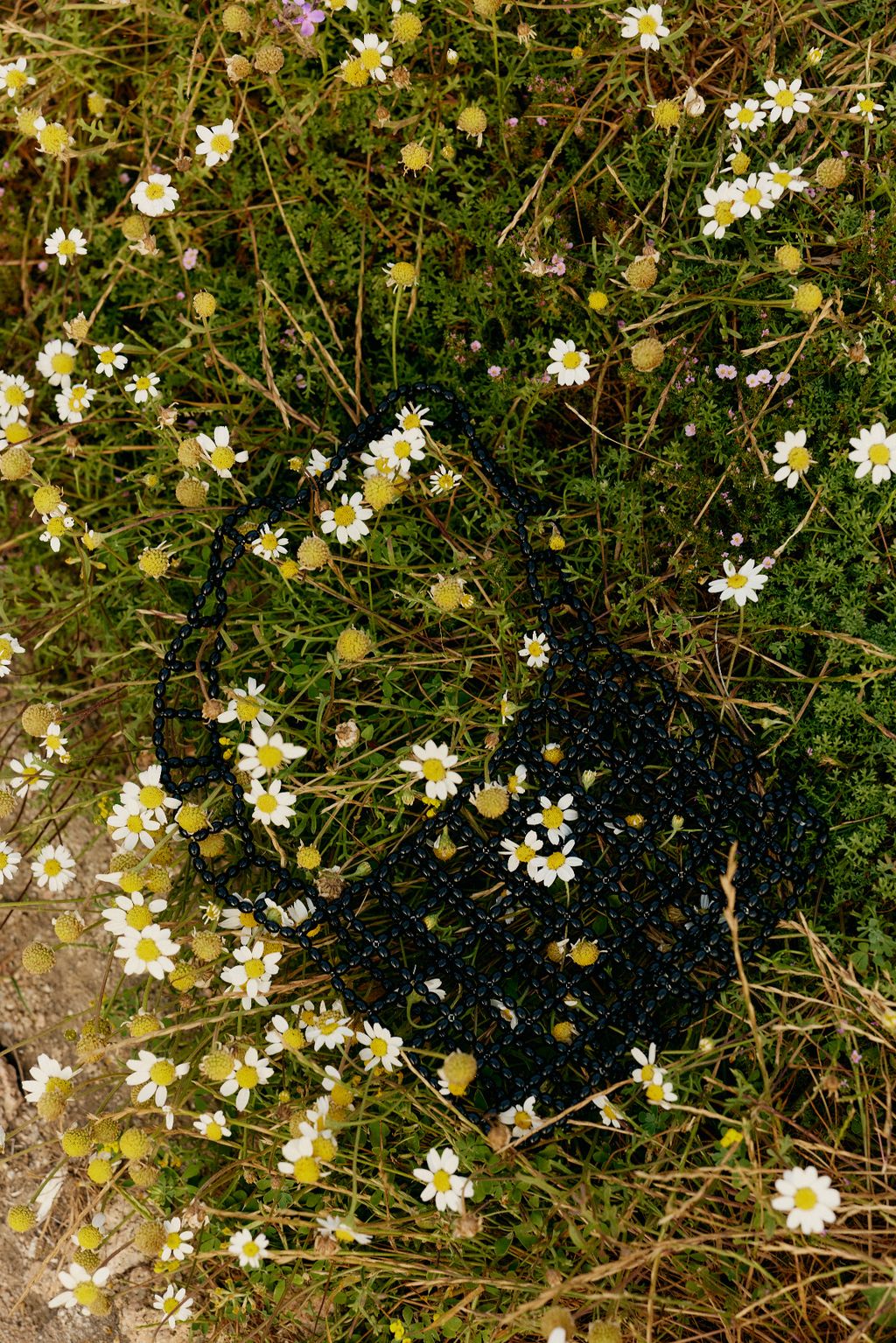
Is Silk The Next Big Thing In Regenerative Skincare?
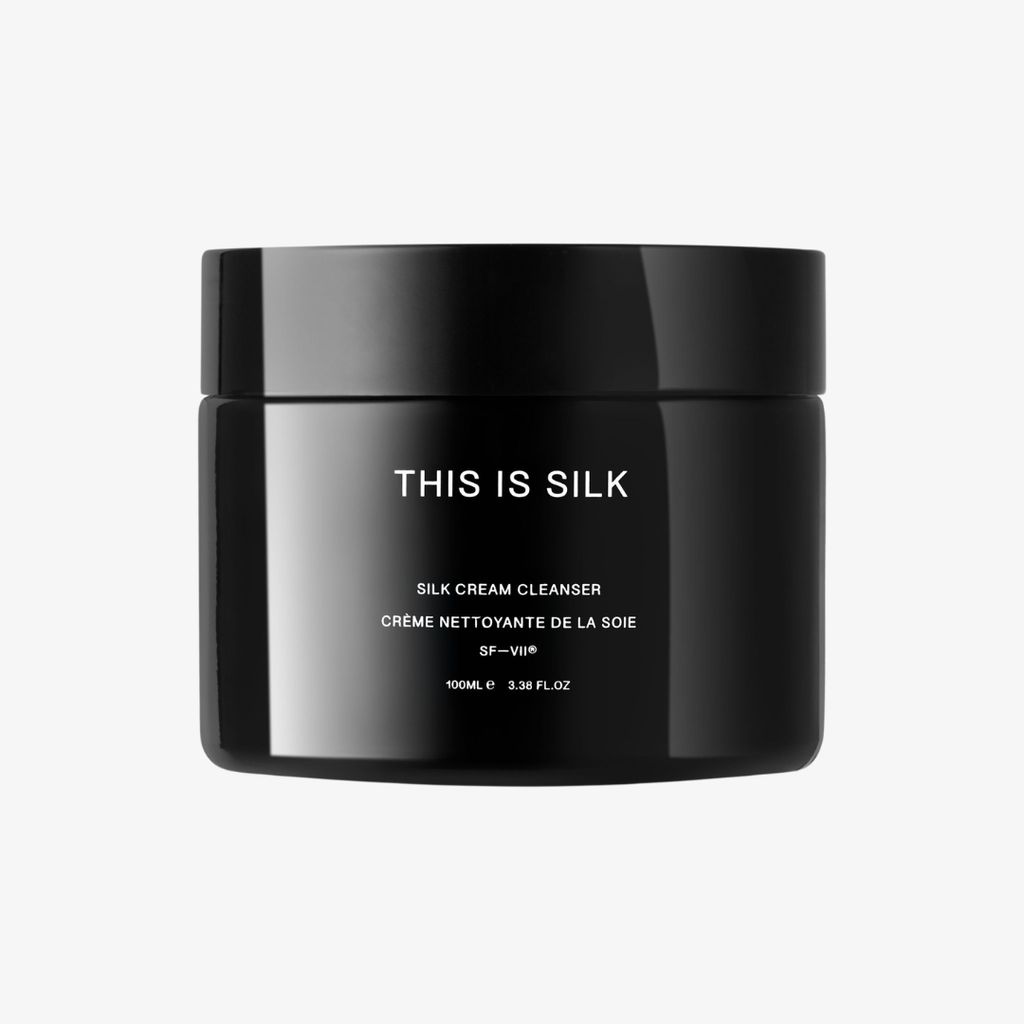
Silk has been used to heal wounds since Ancient Greece. Now it's an active ingredient in regenerative skincare like Sonal Keay's This Is Silk.
Written by: the Healf Editors
Written on: 14 September 2026
By the time most women hit their late 20s, they're bombarded with products, tech, and injectables that promise to "erase", "smooth", and "diminish" fine lines and wrinkles, each with varying degrees of efficacy. It's overwhelming, to say the least. And most come with price tags that make you wonder if its worth the investment, unsure if the claims actually lead to results.
"The challenge, as ever, will be to discern between those brands which adapt the term as a marketing device and those who can actually back up that claim with hard science and studies," says Sonal Keay, founder of skincare line, This Is Silk, which is built on the premise that a simple silk protein can help regenerate skin – and perhaps do more for those fine lines than hundreds of other products combined. It's a revolutionary product, and one that is finally getting its day in the sun.
These days, silk fibroin, the structural protein in silk, is one of the most studied biomaterials in wound care. So, it makes sense that if something works for healing skin, it might also help ageing skin stay supple, smooth, and soft. Keay's idea was a simple but revolutionary one: "Aged skin is, from a biological perspective, damaged skin," she says. "Regeneration is actually a specific process, and it is a positive one." Why not use it for skincare products that could work at the cellular level?
To learn more, Healf spoke to Keay and Matteo Santin, Professor of Tissue Regeneration and Director of the Centre for Regenerative Medicine and Devices at the University of Brighton, who engineered the silk peptide that Keay uses across the brand's various formulas to help stimulate collagen synthesis.
Why silk keeps appearing in wound healing research
Keay noticed the effect silk had on her own skin long before she started actually learning about its regenerative properties. As a teen, she developed chronic actinic dermatitis, a rare skin condition which causes severe rashes when skin is exposed to the sun's UV light. "My skin was completely broken, my skin barrier was protesting," says Keay, who started wearing and sleeping on silk scarves to help her skin. And it helped. "I experienced, without the language to understand it at the time, the elemental regenerative process of silk."
A barrister for 15 years before founding the brand, she eventually began her foray into the archives at the British Library, seeking more information about silk's unique properties, and finding volumes of research on silk in wound care. Her trail led back to physicians in Ancient Greece, who used balled-up spider webs and their silk fibres as field dressings to stop bleeding and protect battle wounds.
"My favourite documented fact about silk is that when silk is applied to a wound, not only does the silk significantly speed up the wound healing process, but skin knits back together much more neatly with the silk than without it," Keay says. "We live in an age of huge scientific exploration and innovation and this is the lens we all see the world through now, but before then there were inherited practices and community physicians and healers. People who were observant and analytical about the natural world around them."


What silk peptides actually do to skin
When Keay and Matteo Santin teamed up a few years ago to create their new formulations, it was pure magic. Santin has been publishing on silk fibroin since the 1990s – his 1999 study with Motta, Freddi and Cannas found that fibroin triggered less inflammatory cell activation than the synthetic polymers it was tested against, one of the findings that brought silk into regenerative medicine.
But turning silk into skincare meant breaking the protein down further. "SF-VII technology harnesses the properties of silk fibroin by reducing it into controlled fragments designed to more efficiently interact with skin cells," Santin explains.
He describes the skin as doing a milder version of wound healing every day. "Skin is in a constant process of renewal called remodelling, that has in common with wound healing the phases of digestion of old collagen by resident inflammatory cells and the production of new ones by the tissue cells," he says. "Unlike wound healing, this process is milder and more gradual, but it is impaired with ageing."
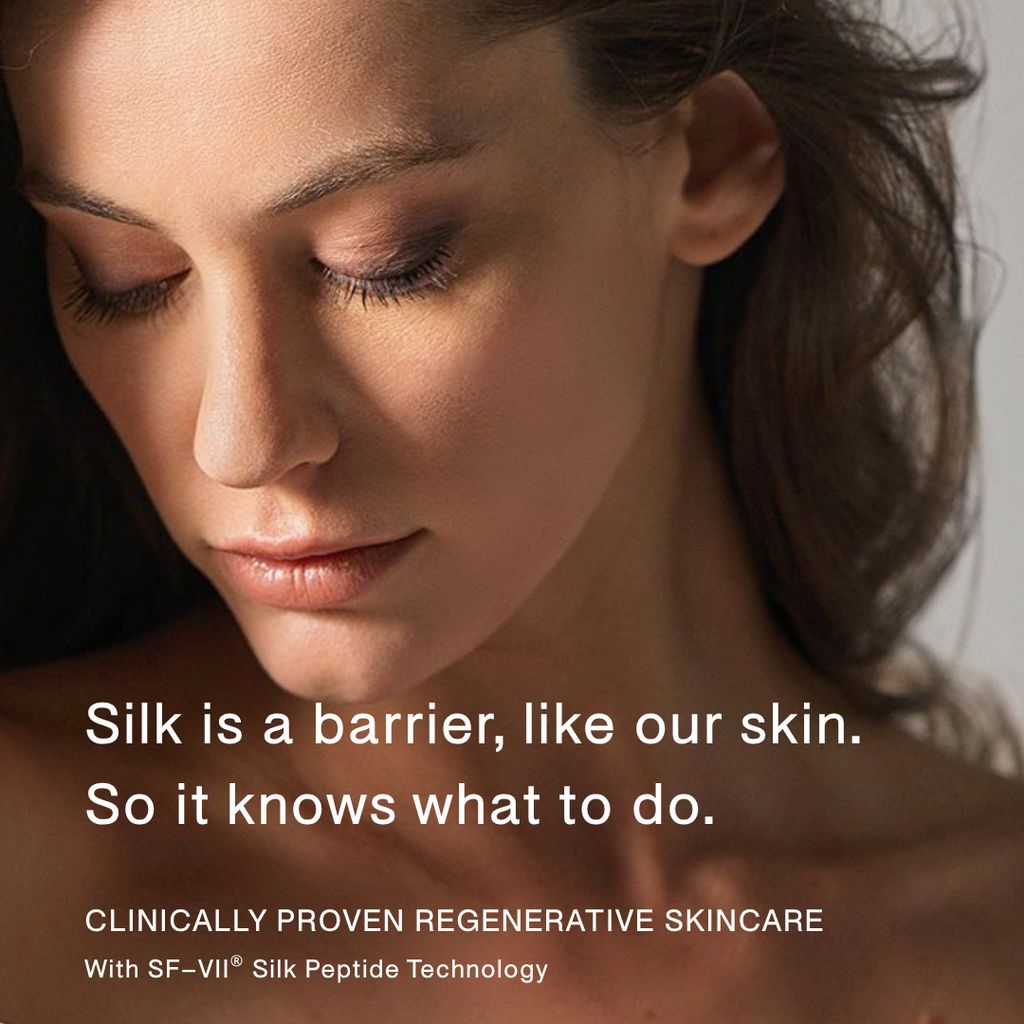
Said another way, silk's regenerative process comes down to the way the body synthesizes collagen, which forms the foundation of a healthy skin barrier. When skin is damaged or aged, collagen production slows down. Silk speeds this process up "significantly", Keay says, and "healthy collagen levels lead to an intact and functioning skin barrier which is naturally able to do its job of protection better."
In the brand's laboratory work on skin cells, Santin says, "even low doses of the SF-VII led to higher collagen production than other molecules and competitors' products".
With the Power Up, skin hydration was boosted 22.1%, elasticity by 17.6%, and fine line reduction by 20%. The cream similarly saw a 32.8% increase in hydration alongside a 22.7% boost in elasticity, and 31.7% in fine line reduction.
Santin is direct about silk proteins' and the products' limits: "Customers should not expect it to eliminate scars or skin discolouration," he says. His advice is to apply it regularly, so the skin's renewal process has something consistent to work with. And while the peptide research is younger than the material's medical record, the biology is real, and it is finally being taken seriously within the realms of beauty and skincare.
And our skin is reaping the benefits.
This article is for informational purposes only, even if and regardless of whether it features the advice of physicians and medical practitioners. This article is not, nor is it intended to be, a substitute for professional medical advice, diagnosis, or treatment and should never be relied upon for specific medical advice. The views expressed in this article are the views of the expert and do not necessarily represent the views of Healf
Healf's editorial team works hard to produce science-backed, expert-vetted stories to break down trends and cut through the noise in the wellbeing ecosystem. Our team of writers and editors specialise in everything from nutrition, to exercise science, women's health, skincare, sleep, and more.