
















_Madeline_Spanier_Photos_ID7424.jpg)
7 Signs You’re Getting Too Much Artificial Light (and Not Enough Real)
Wondering why it's harder and harder to switch off at night? These tell-tale signs could help explain.
%20[bon%20charge]-3.jpg)
Written by: the Healf Editors
Written on: 21 July 2026
Recently, we’ve entered the sleep optimisation era, where we try to decode sleep with endless wearable devices and data, and invest in expensive supplements that promise to help you get more, better, deeper sleep. But most people overlook just how profoundly the light they are exposed to during the day determines the quality of our sleep and as such, their overall wellbeing.
The human body runs on a roughly 24-hour internal clock, called your circadian rhythm, which is calibrated almost entirely by light. Bright, blue-spectrum light signals daytime and wakefulness, while darkness, and the warm, low light at sunset, signals to our body that it is time to wind down. For most of human history, these signals arrived reliably and in the right sequence.
But modern life has disrupted that sequence almost entirely. We spend the majority of our days under flat, artificial overhead lighting in offices, and our evenings under bright LED screens and cool-white lighting that the body reads as midday sun. The result is a biological system receiving contradictory information, with consequences that extend well beyond tiredness.
“When light signals are inconsistent — bright at night, and dim during the day — the body loses clarity around what it should be doing and when,” says sleep and performance educator Shawn Stevenson, a member of the BON CHARGE Scientific Advisory Board.
The brand was built around this problem: managing the quality, timing, and spectrum of light exposure as a practical tool for better sleep, energy, and recovery. Here are seven signs that your light environment may be working against you — and tools that can help.
1. You struggle to fall asleep, especially after a screen-heavy evening
If you lie awake for an extended period of time after heading to bed, particularly on evenings when you’ve been on your phone, laptop, or in front of the television, this is one of the most direct signals that evening light exposure may be delaying your circadian clock.
The mechanism has been very well established. Exposure to blue-spectrum light in the evening suppresses melatonin, the hormone that signals to the body that it is time to sleep, and shifts sleep onset later. A landmark study published in the Journal of Clinical Endocrinology and Metabolism over 15 years ago found that exposure to room light in the hours before bed suppressed melatonin onset and shortened melatonin duration compared with dim light conditions. A subsequent study in PNAS a few years later found that reading on a light-emitting device in the evening delayed the circadian clock by approximately 1.5 hours and reduced next-morning alertness, even after a full night of sleep.
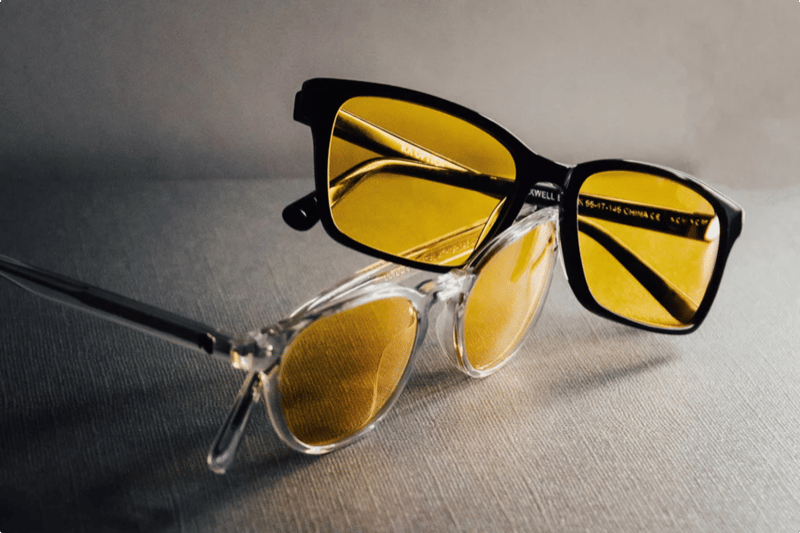
It’s not always realistic to simply cut off all blue-spectrum light in the evenings, especially if you work a busy job. So, the most direct intervention you can take is to filter the blue light that reaches your eyes during the evening hours. BON CHARGE’s blue-free warm lighting in the rooms you use in the evening removes the overhead contribution to melatonin suppression as well. “This isn’t about fear,” says Stevenson. “It’s about understanding that light is information. When the information becomes confusing, biological systems struggle to stay aligned.”
2. Your sleep is restless and you wake feeling unrefreshed
Difficulty falling asleep and poor sleep quality are related but distinct problems. Even if you manage to fall asleep within a reasonable window, light exposure can continue to affect sleep architecture through the night, particularly if your room isn’t completely dark.
Even low levels of ambient light during sleep, from street lighting through curtains, standby lights on electronics, or early morning sunrise, can fragment sleep and reduce the proportion of deep, restorative sleep stages. A 2023 study published in Sleep found that wearing an eye mask during overnight sleep improved episodic learning and next-day alertness compared with sleeping without one, demonstrating that even light levels that do not prevent sleep outright can still reduce its quality.
3. You feel wired at night but can’t get going in the morning
The “wired at night, tired in the morning” pattern is one of the most commonly reported experiences among people whose circadian rhythm has drifted out of alignment. It reflects a clock that has been shifted later than is biologically appropriate. The results? A body whose alerting systems stay active when they should be winding down, and are still not fully switched off by the time morning arrives.
Evening light exposure is one of the primary drivers that delays the essential wind-down phase. But the light you get in the morning matters just as much. Getting natural, bright light in the morning, particularly within the first hour of waking, is the most powerful signal you can use to anchor your circadian clock. Research published in Current Biology found that exposure to natural light-dark cycles, as opposed to artificial indoor lighting, boosted and stabilised circadian timing, shifting sleep onset earlier and reducing morning grogginess. Without that morning signal, the clock continues to drift.
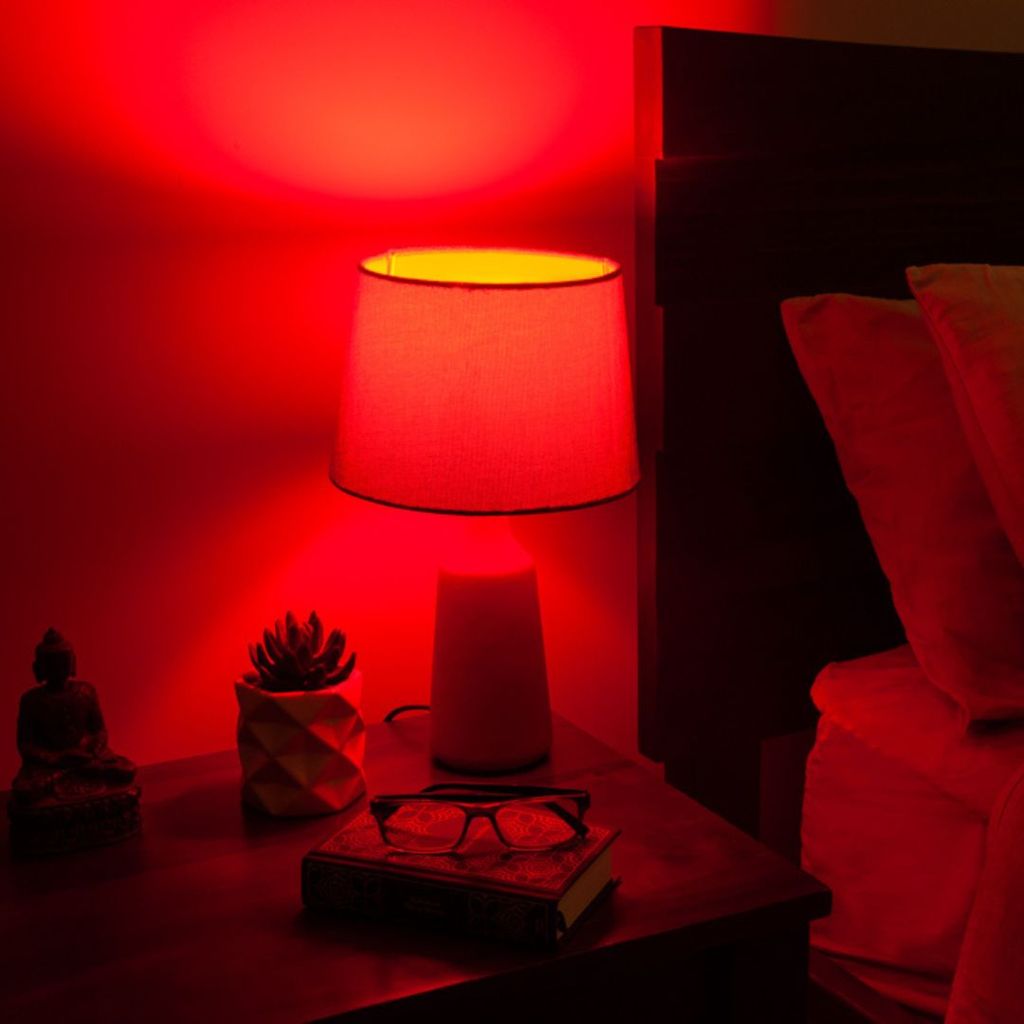
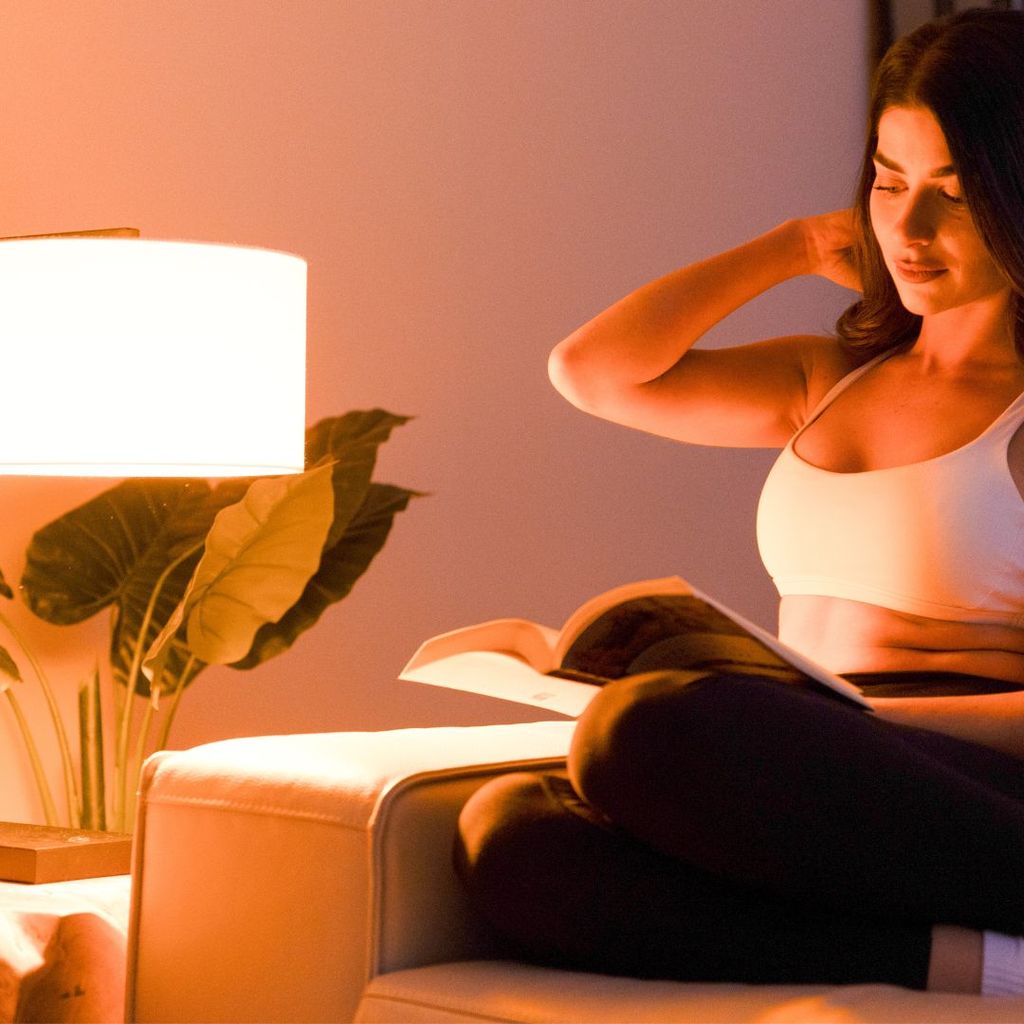
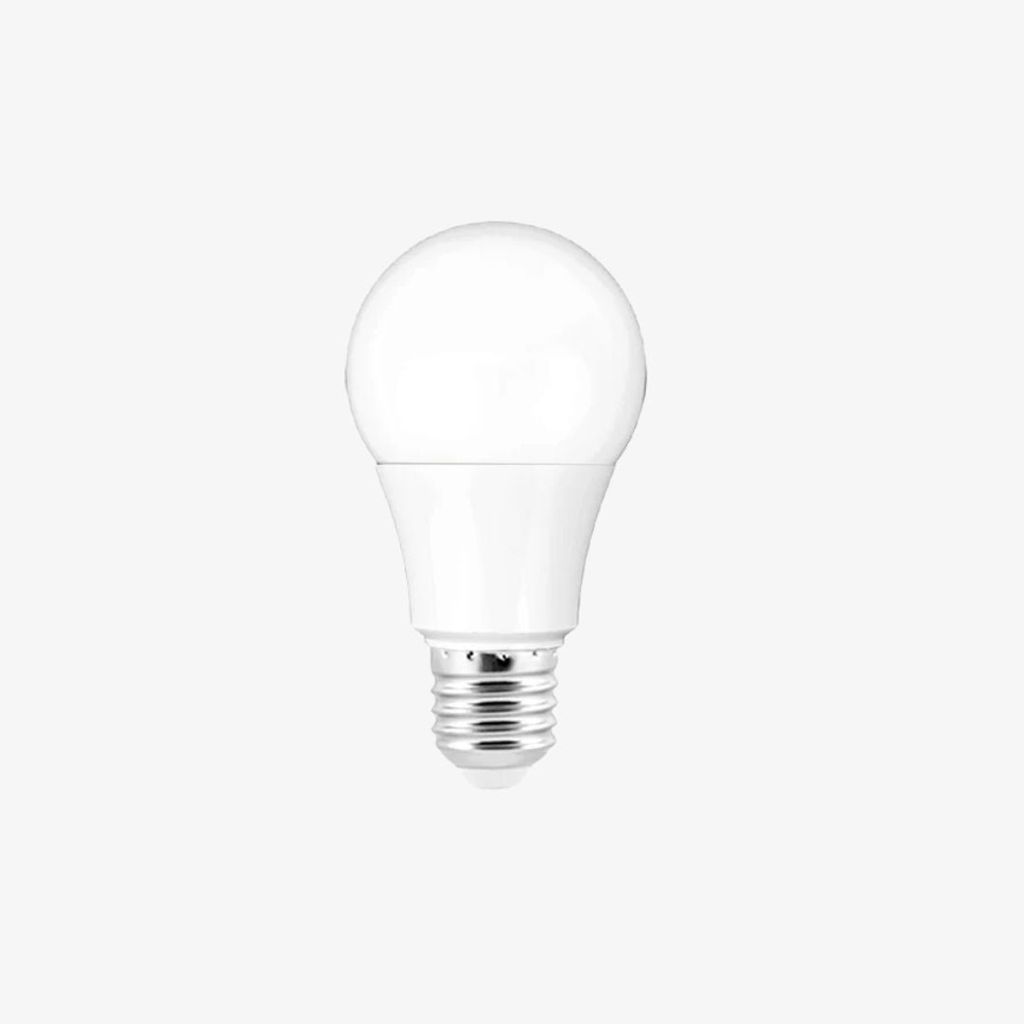
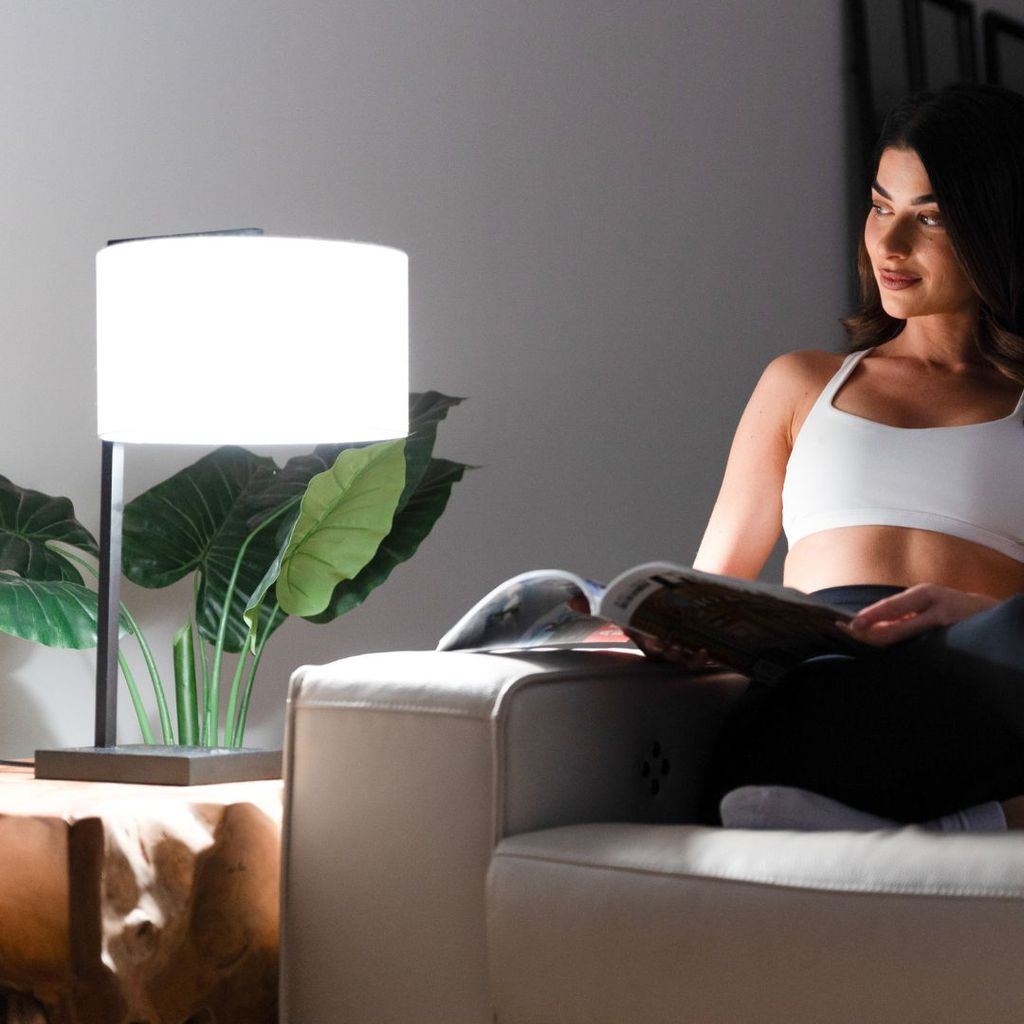
For those who spend most of the day indoors, or who live in climates or latitudes where morning light is limited for much of the year, BON CHARGE’s full spectrum light bulb mimics the broad spectrum of natural daylight to help anchor the “morning” light signal even when you can’t get outside.


4. Your eyes feel strained or tired after long periods at a screen
Prolonged screen use that results in tired, dry or sore eyes, blurred vision, and headaches can also partly be tied to the quality of screen light you stare at day in and day out. LED backlights, including those used in phones, laptops, and monitors, give off a disproportionate amount of short-wavelength blue light, which research has linked to increased visual fatigue compared with warmer light sources.
An older study published in the Journal of Applied Physiology found that evening exposure to LED-backlit screens affected not only circadian physiology but also cognitive performance, with measurable effects on sustained attention and working memory. The relationship between screen light and visual fatigue is not only important at the end of the day, but throughout it, particularly for people who spend six or more hours in front of a screen.
5. You hit a wall in the afternoon and find it hard to focus
The post-lunch energy dip is probably something we’ve all encountered at some point, and for good reason. It’s a natural, circadian-driven drop in alertness that typically occurs between roughly 1pm and 3pm. For most people it is manageable, but when it becomes a consistent hurdle that significantly hurts afternoon focus and productivity, two things are usually compounding it: insufficient natural light earlier in the day, and the lack of an environmental signal to help bridge your circadian rhythm from morning to evening. “Often, what’s missing isn’t effort — it’s recovery, rhythm and stress awareness,” says Stevenson.
Research has found that red-wavelength light exposure in the afternoon has a measurable effect on that post-lunch dip, improving performance on tasks that require close attention, compared with a control group exposed to dim light. Unlike blue light, red light does not meaningfully suppress melatonin, making it a useful alerting tool in the afternoon without the risk of cascading into evening circadian disruption.
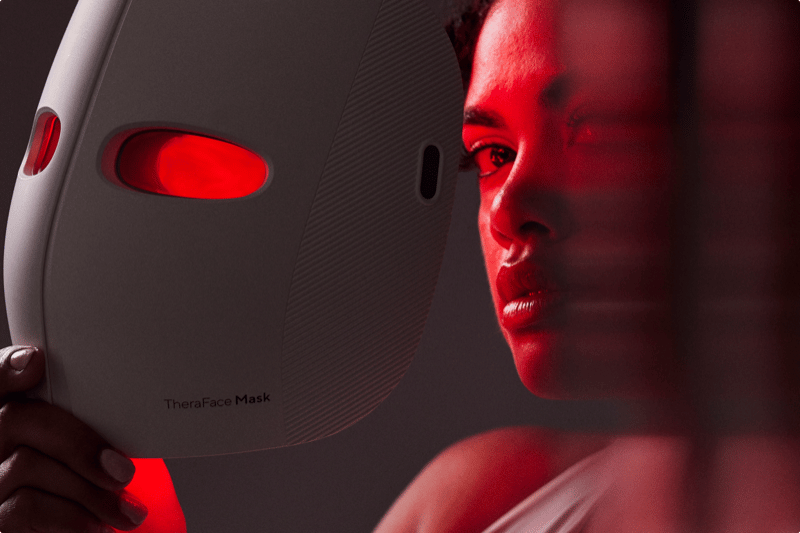
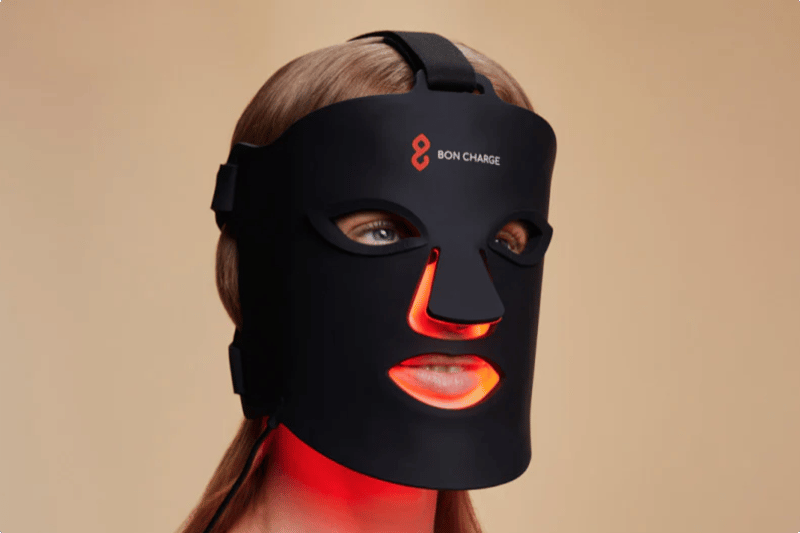
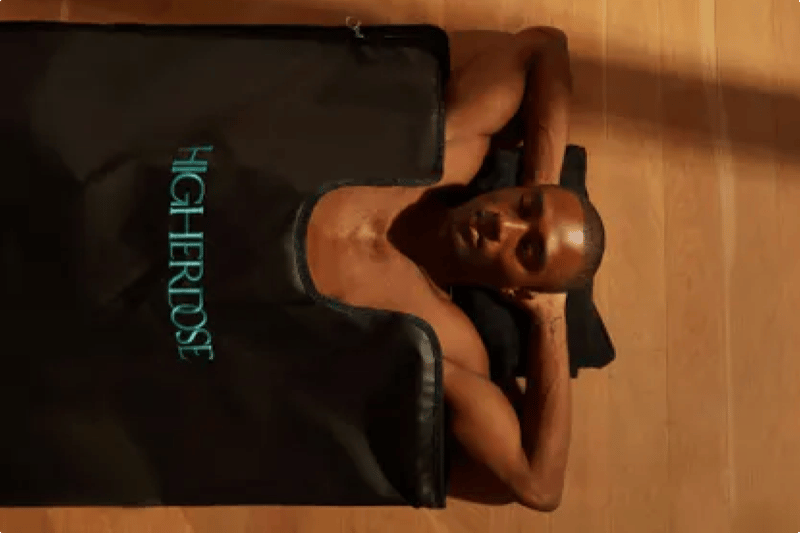
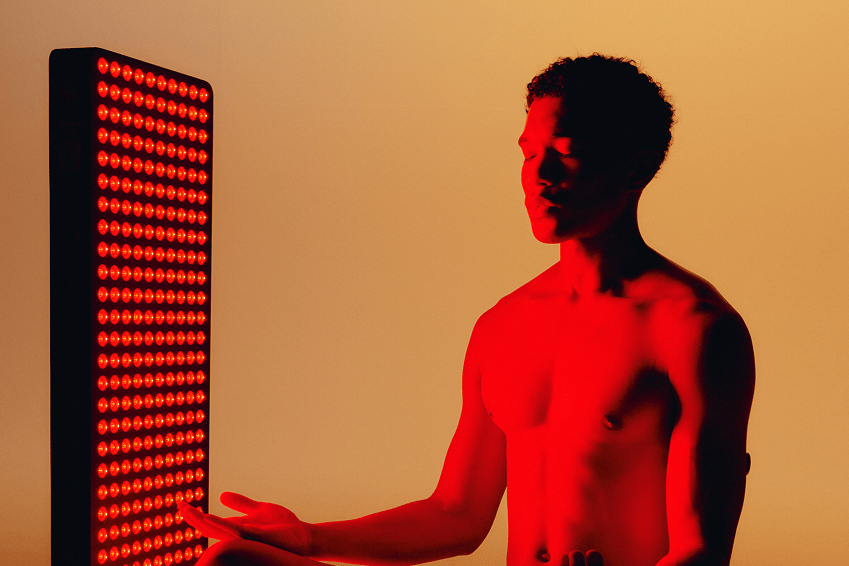
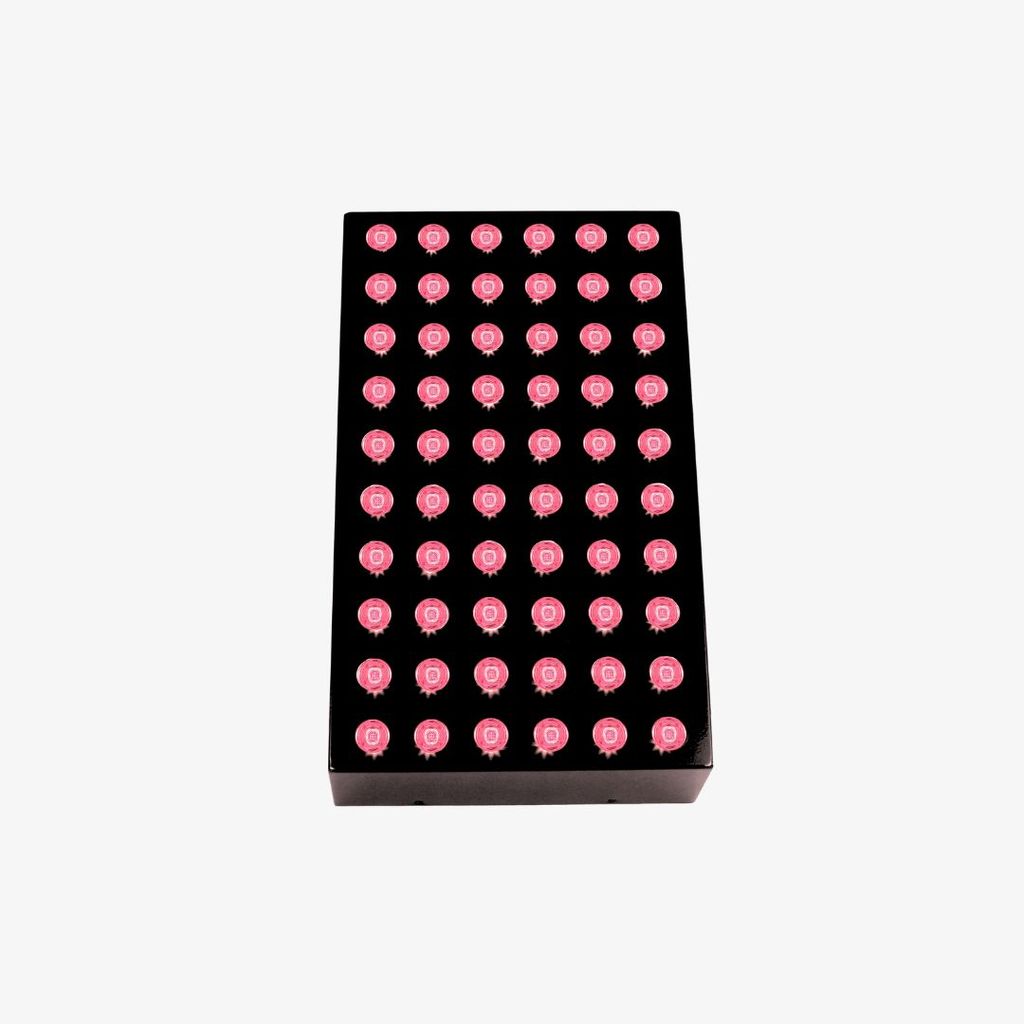
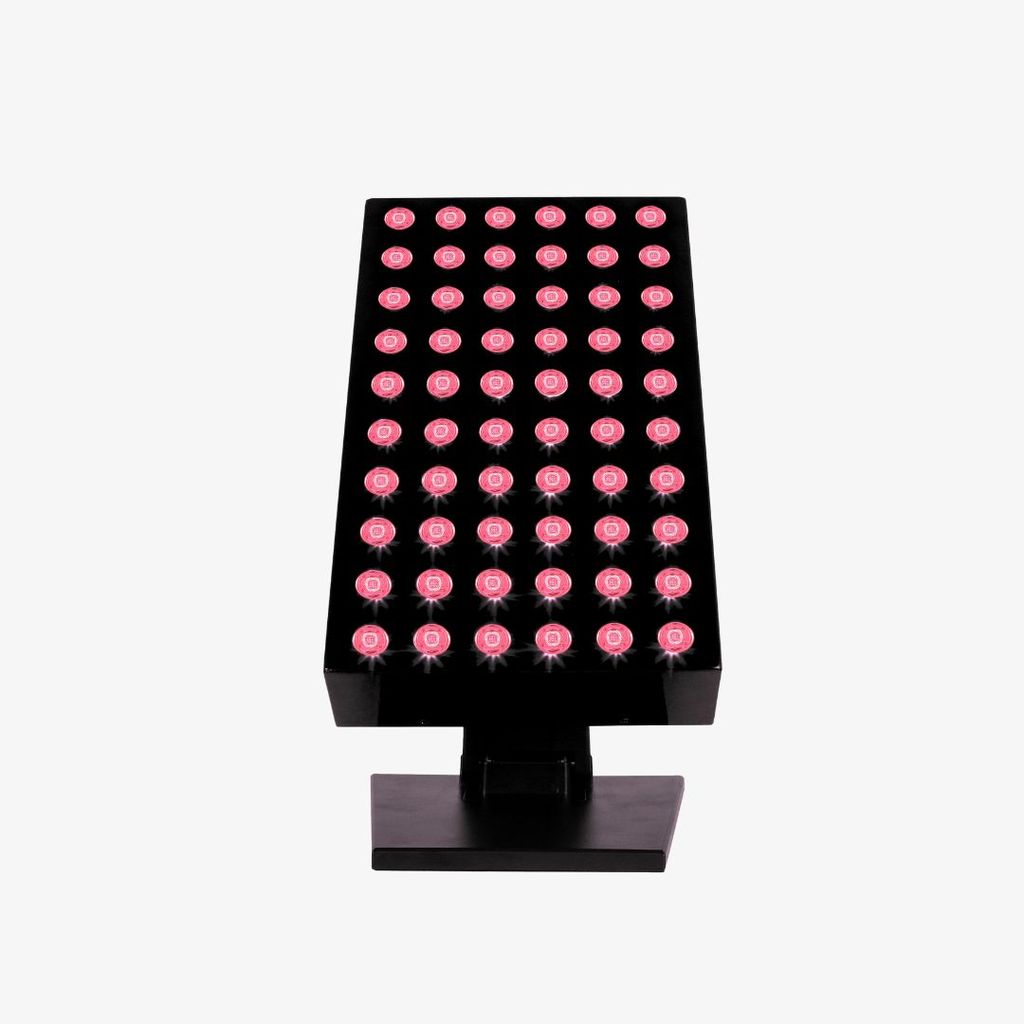
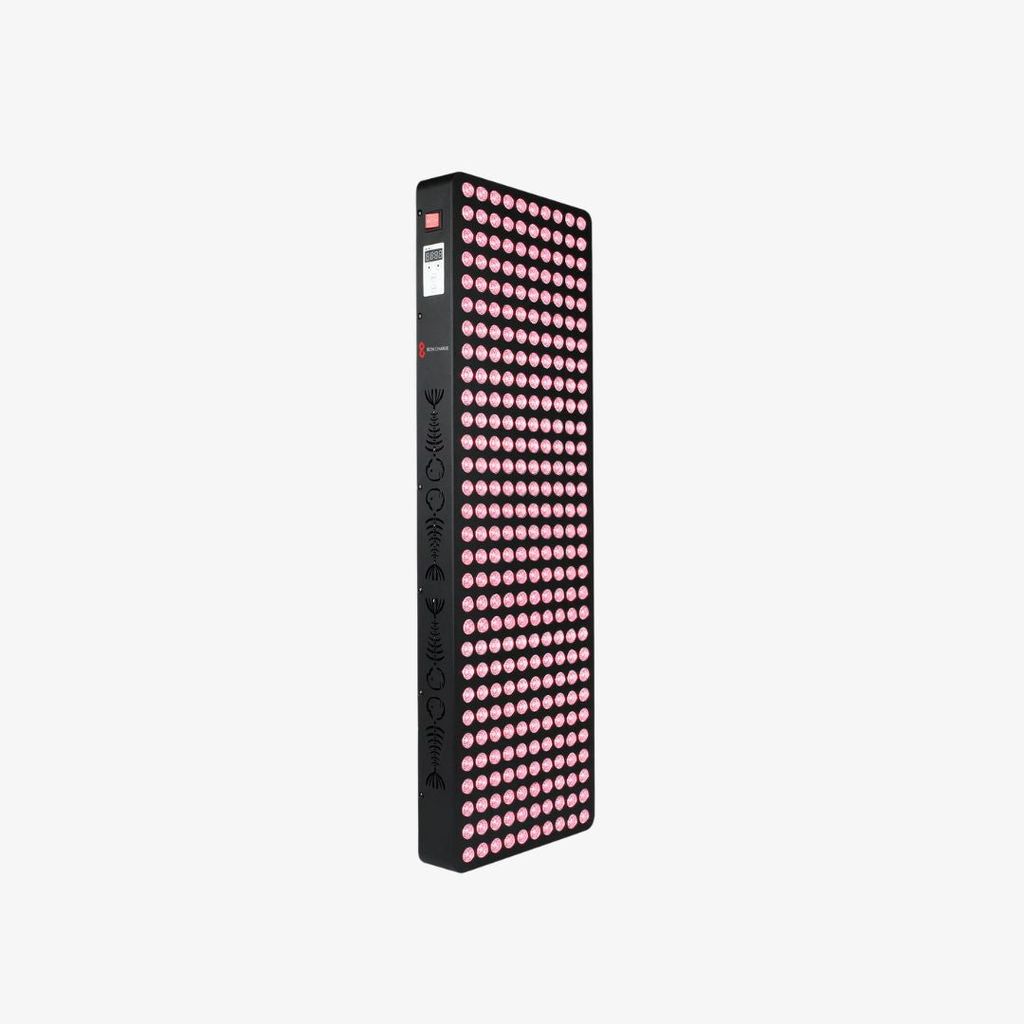
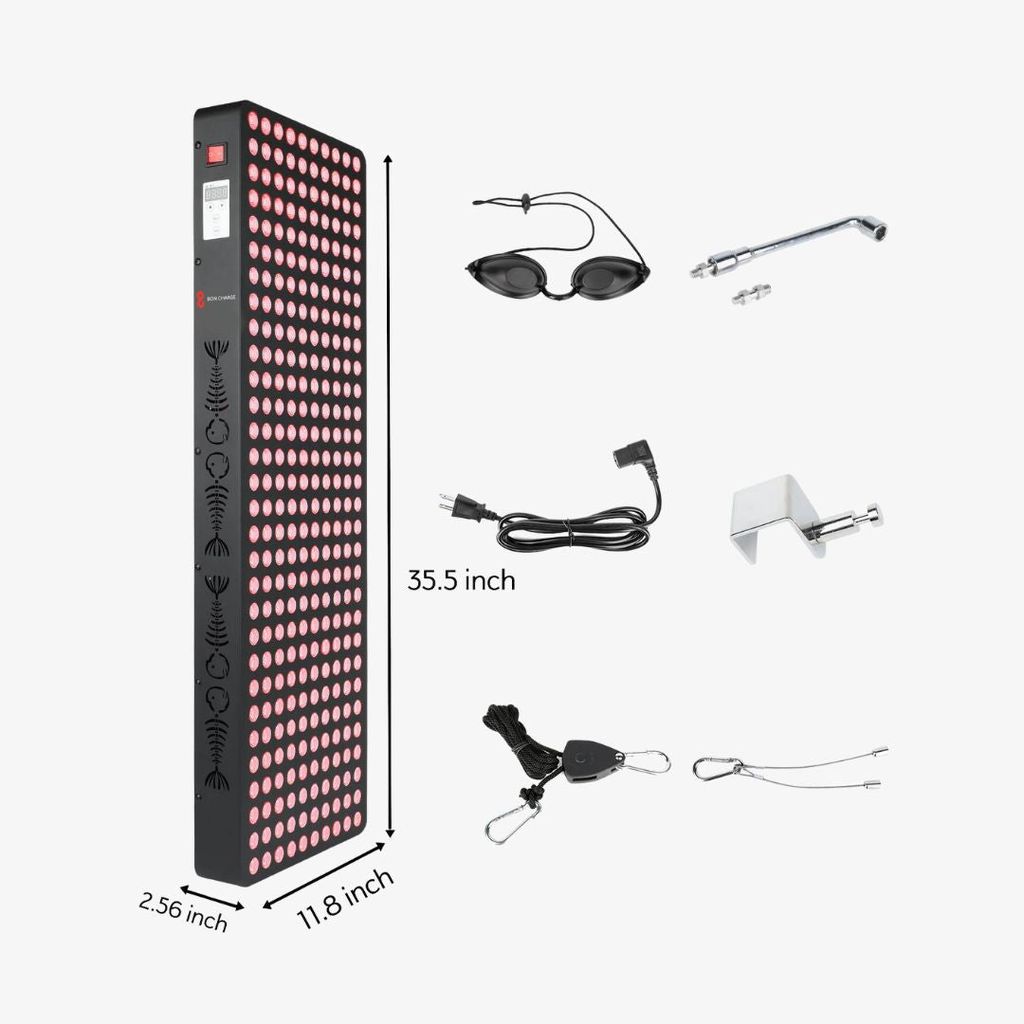
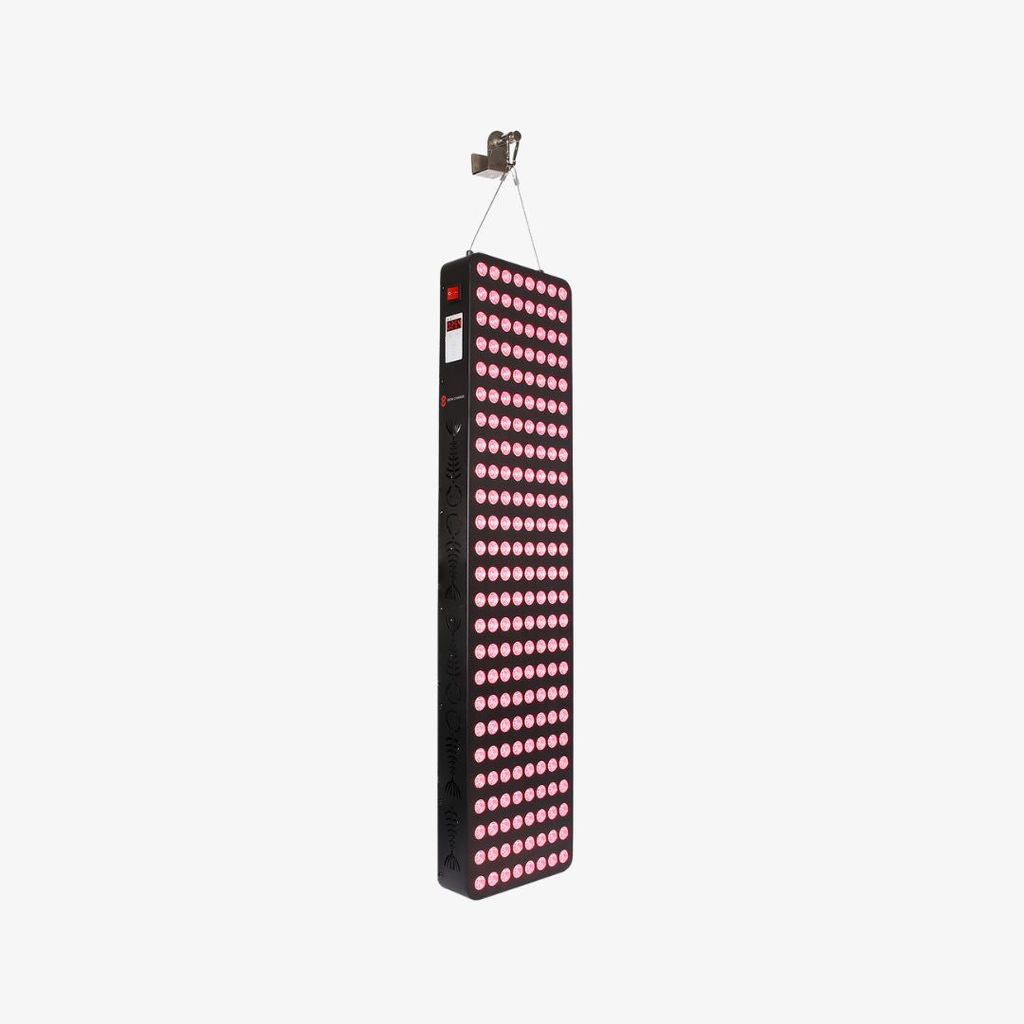
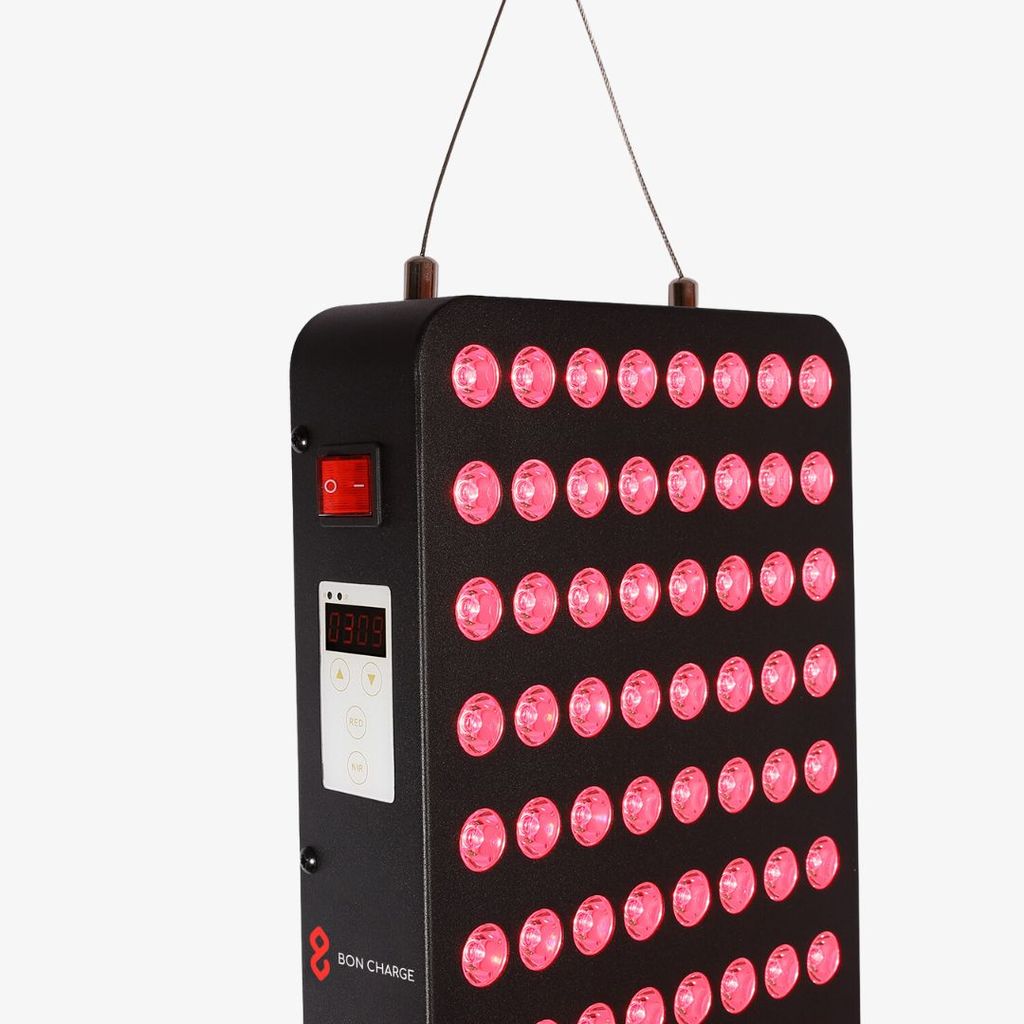
BON CHARGE’s red light panels can be used as a short afternoon reset during this key window — think of it as a screen-free break that can double as a targeted alertness intervention that doesn’t have the same cortisol spike as caffeine.
6. Your appetite, cravings, or late-night snacking feel “out of sync”
If you notice you’re not hungry in the morning, get strong cravings later in the day, or routinely feel snacky at night, your light cues may be pushing your internal clock later than your eating schedule.
Why this can be a light problem (not just willpower):
Circadian timing influences hunger signals and metabolic hormones. When you’re getting dim days and bright nights, the body can interpret “daytime” as extending later—making it easier to feel alert and hungry later, and less hungry earlier.
What helps (simple, actionable, and product-aligned):
- Bright outdoor light early (ideally within 60 minutes of waking) to anchor the day signal
- Keep evenings warm and dim: swap overheads for blue-free/amber lighting 2–3 hours pre-bed
- Cut “surprise light” at night: avoid bright kitchen/bathroom LEDs after dinner; use a low, warm lamp
- Optional: a short afternoon red-light session as a non-stimulating “reset” that won’t meaningfully suppress melatonin the way bright/blue light can
7. Your sleep difficulties get worse when you travel or shift your schedule
If your sleep is particularly bad when you travel, change time zones, or simply stay up later than usual on weekends, this might mean your circadian system is already struggling and becomes significantly disrupted when normal conditions shift.
Jet lag and social jet lag (the circadian misalignment produced by irregular sleep-wake timing across the week) share the same underlying mechanism: the body’s internal clock is out of step with the external light environment. The more robust and well-anchored your circadian rhythm is under normal conditions, the faster it re-entrains when conditions change. Conversely, a clock that is already drifting due to inconsistent light signals is slower to recover.
The common thread
Each of these seven signs points back to the same underlying dynamic: a mismatch between the light information the body is receiving and what it needs in order to maintain its natural circadian timing. As Stevenson notes, “light is information”, and when that information is consistently confusing, the downstream effects accumulate across sleep, energy, mood, and overall wellbeing.
The good news is that light is also one of the most accessible levers available. Consistent morning light exposure, filtered evening light, a darker sleep environment and the occasional afternoon red light reset do not require significant effort or disruption — just awareness and the right tools.
Check out BON CHARGE’s light-management range — including the blue-free lighting and red light panels — available on Healf.
References
Stevenson, S. How And Why Modern Environments Are Challenging Human Biology. BON CHARGE Blog, 3 March 2026. https://uk.boncharge.com/blogs/news/environment-biology-modern-health
Gooley, J. J. et al. Exposure to room light before bedtime suppresses melatonin onset and shortens melatonin duration in humans. J. Clin. Endocrinol. Metab. 96, E463–E472 (2011). https://pmc.ncbi.nlm.nih.gov/articles/PMC3047226/
Chang, A.-M. et al. Evening use of light-emitting eReaders negatively affects sleep, circadian timing, and next-morning alertness. Proc. Natl Acad. Sci. USA 112, 1232–1237 (2015). https://www.pnas.org/doi/10.1073/pnas.1418490112
Cajochen, C. et al. Evening exposure to a light-emitting diodes (LED)-backlit computer screen affects circadian physiology and cognitive performance. J. Appl. Physiol. 110, 1432–1438 (2011). https://pubmed.ncbi.nlm.nih.gov/21415172/
Greco, V. et al. Wearing an eye mask during overnight sleep improves episodic learning and alertness. Sleep 46, zsac305 (2023). https://pmc.ncbi.nlm.nih.gov/articles/PMC9995773/
Wright, K. P. Jr et al. Entrainment of the human circadian clock to the natural light-dark cycle. Curr. Biol. 23, 1554–1558 (2013). https://pmc.ncbi.nlm.nih.gov/articles/PMC4020279/
Sahin, L. & Figueiro, M. G. Alerting effects of short-wavelength (blue) and long-wavelength (red) lights in the afternoon. Physiol. Behav. 116–117, 1–7 (2013). https://doi.org/10.1016/j.physbeh.2013.03.014
This article is for informational purposes only, even if and regardless of whether it features the advice of physicians and medical practitioners. This article is not, nor is it intended to be, a substitute for professional medical advice, diagnosis, or treatment and should never be relied upon for specific medical advice. The views expressed in this article are the views of the expert and do not necessarily represent the views of Healf
Healf's editorial team works hard to produce science-backed, expert-vetted stories to break down trends and cut through the noise in the wellbeing ecosystem. Our team of writers and editors specialise in everything from nutrition, to exercise science, women's health, skincare, sleep, and more.