


_2026-10-13_14-11-48.png)

.jpg)
How To Treat Sunburn: An Expert Guide To Faster Recovery
Burnt skin needs more than aloe and wishful thinking. A dermatologist explains what actually helps, what to skip and how to recover over the next seven days.

Written by: Samantha Nice
Written on: 18 August 2026
By the time skin turns red, the damage has already happened. Even with the best intentions, an SPF that wore off after a swim or an afternoon that ran longer than planned can still end in a burn. Sunburn isn't a surface-level irritation, it's a sign that UV radiation has damaged the DNA inside skin cells. How well that heals depends on what you do next.
The instinct is to reach for whatever feels cold, thick or numbing: ice cubes, an aftersun straight from the fridge, a heavy moisturiser smoothed over hot skin. Most of that does very little, and some of it even slows recovery down. Aesthetic doctor, Dr. Sophie Shotter, MBChB MBA, treats sunburn cases every summer, and says recovery comes down to three windows: the first hour, the first 24 hours, and the week after as skin sheds and rebuilds. Here's what to do in each phase, and why it works.
What actually happens when you get sunburn?
Sunburn is an inflammatory response, not a burn in the same way a hot pan burns you. "UV exposure damages the DNA within skin cells, triggering the release of inflammatory mediators such as prostaglandins, cytokines and nitric oxide," says Dr. Shotter. Those chemicals widen blood vessels and pull immune cells towards the area, which is why skin turns red, feels hot, and starts to hurt within hours.
A tan can look like your skin has become more resistant to the sun, but it's actually evidence of the opposite. Melanin production increases as a protective response after UV damage has already occurred.
Peeling, when it arrives days later, is skin shedding cells it can't repair. "Repeated sunburn accelerates collagen and elastin breakdown, contributing to premature ageing, pigmentation changes and an increased lifetime risk of skin cancer," says Dr. Shotter.
The one thing worth remembering from all of this is that a tan is not a sign of protection, it's a record of injury.
What should you do in the first hour after sunburn?
What you do immediately after noticing sunburn can make the next 24 hours considerably more comfortable. Work through these in order.
- Get out of the sun straight away. Every extra minute of exposure adds to an injury the skin is already trying to manage, so this comes before anything else on the list.
- Take a cool shower, or hold a damp compress against the skin for 10 to 20 minutes. Keep the water cool rather than icy cold.
- Change into loose, breathable clothing. Tight fabric against inflamed skin adds friction on top of a barrier that's already compromised.
- Drink a full glass of water, then keep sipping through the next few hours. Sunburns pull fluid toward the skin's surface and increases water loss through it, so replacing that early helps rather than waiting until you feel thirsty.
- Leave any blisters alone. If they've already formed, resist the urge to pop them, since the fluid inside is acting as a natural barrier against infection while the skin underneath heals.
Should you put ice on sunburn?
No. Ice feels like the obvious move, but while it may feel like relief in the moment, very cold temperatures narrow blood vessels sharply and can add a second layer of injury on top of the first. Use a cool shower or a damp cloth instead, since it calms the skin without the shock. A simple way to check you've got the temperature right is if it makes you gasp, it's too cold.
Should you moisturise sunburnt skin, and when?
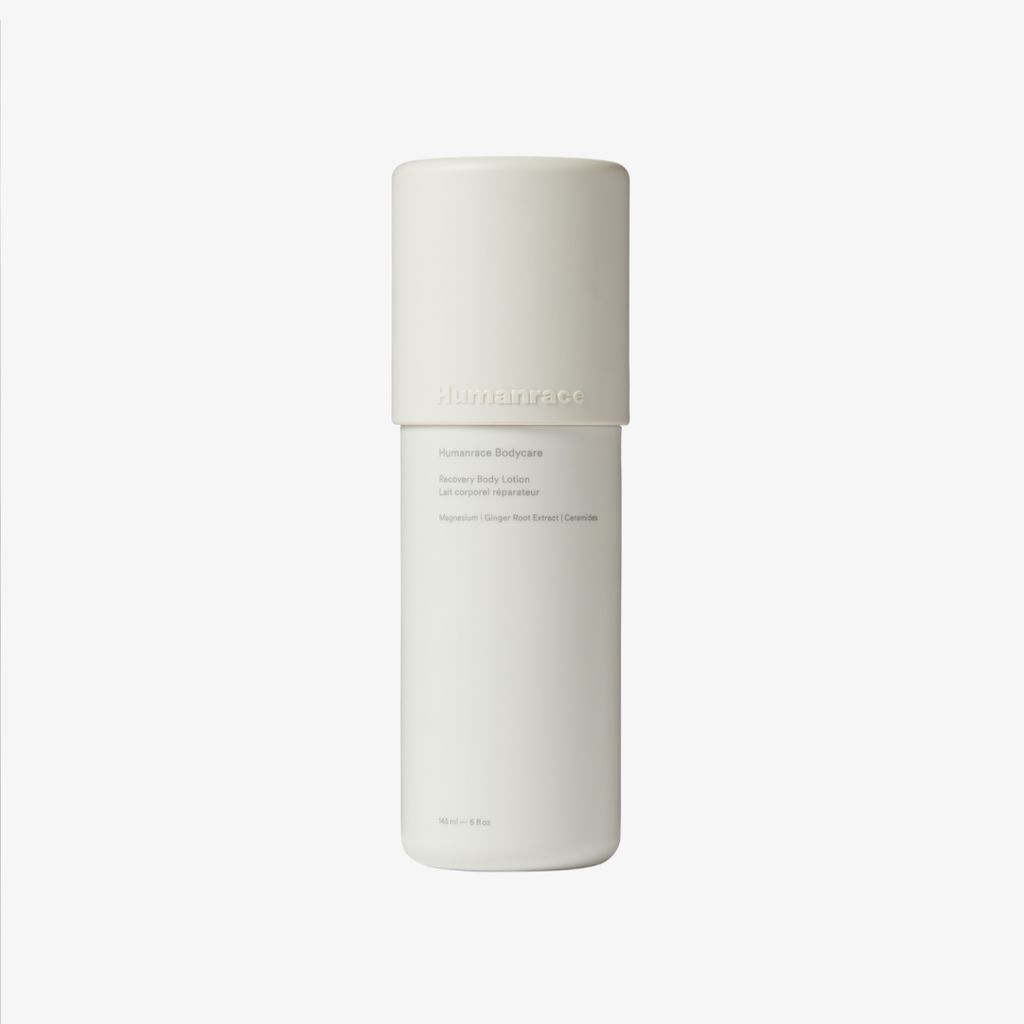
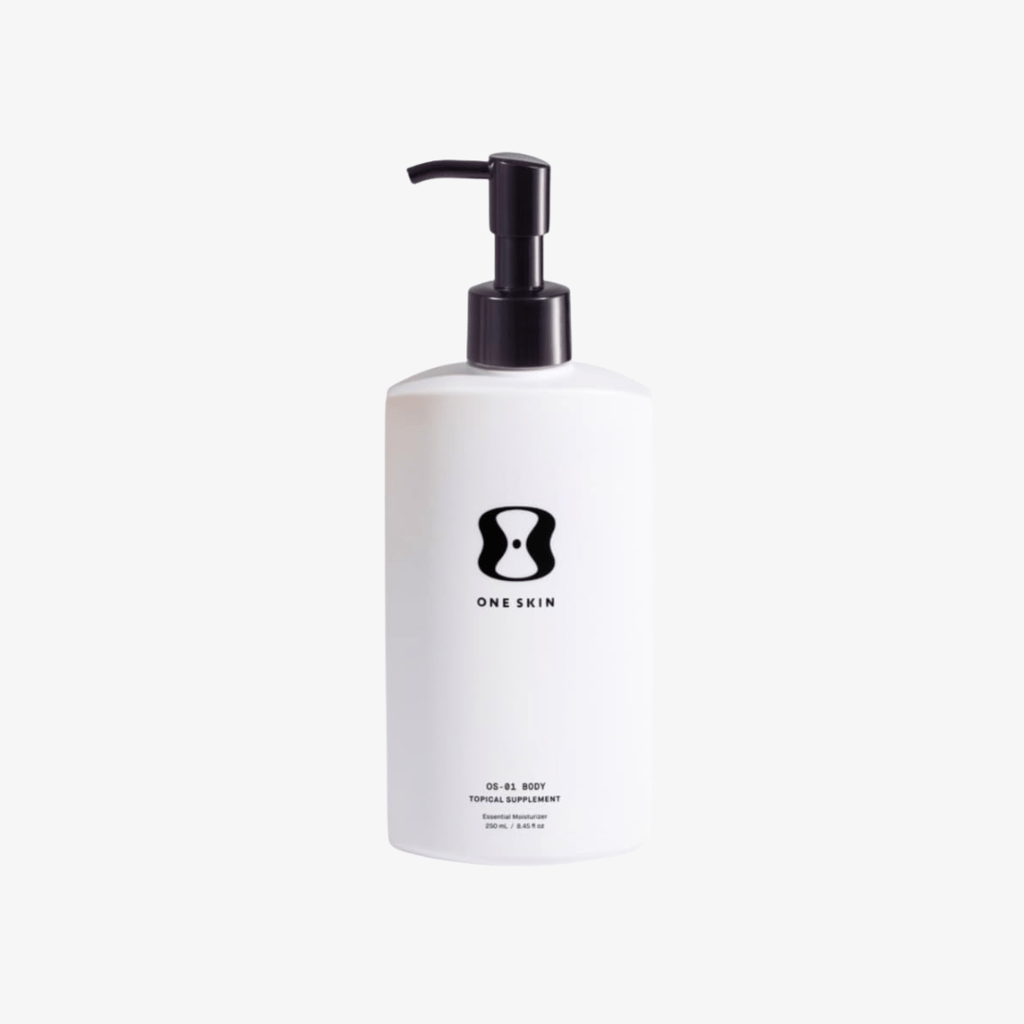
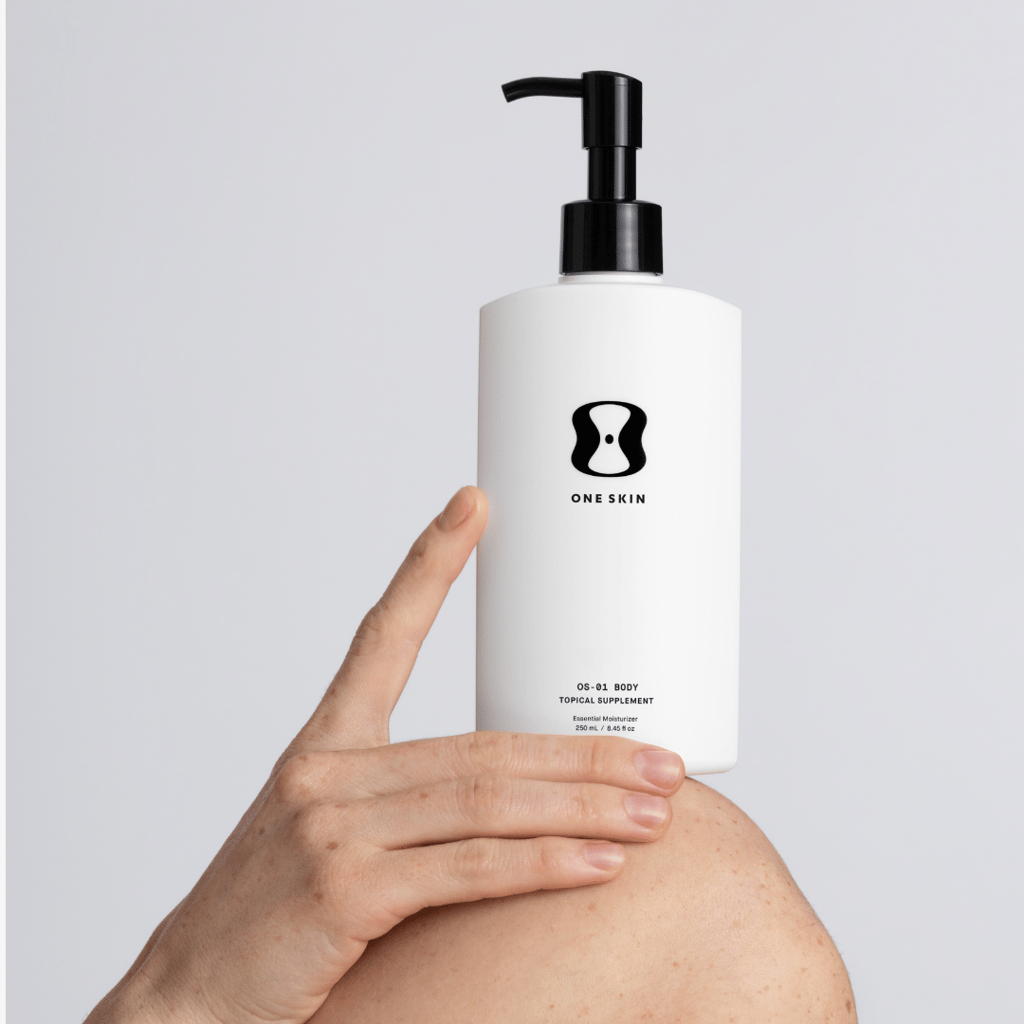
Yes, but only once the skin has cooled down, not before. "Sunburn disrupts the skin barrier, increasing water loss, so moisturising helps restore barrier function, reduce dryness and improve comfort," says Dr. Shotter.
What to look for: products containing ceramides, glycerin, or hyaluronic acid.
What to avoid: anything thick or greasy while the skin still feels hot, since it can feel uncomfortable against already inflamed skin.
Also make sure to check the label for fragrance and alcohol. "You'd be surprised how many aftersun products contain irritant ingredients which make a product feel cool on the skin," says Dr. Shotter, and that cooling sensation isn't the same thing as actual barrier repair.

Does aloe vera actually work on sunburn?
It helps with comfort more than it helps with healing, so use it for how it feels rather than expecting it to fix the burn underneath. "It may provide a cooling, soothing sensation, and some studies suggest it has mild anti-inflammatory and wound-healing properties," says Dr. Shotter, "but the evidence is mixed, and it shouldn't be viewed as a treatment that reverses UV damage."
If you're reaching for it, choose one with a high concentration of pure aloe and as little added fragrance or alcohol as possible. This same rule applies to any aftersun you’re using too.
How do you rehydrate after sunburn?
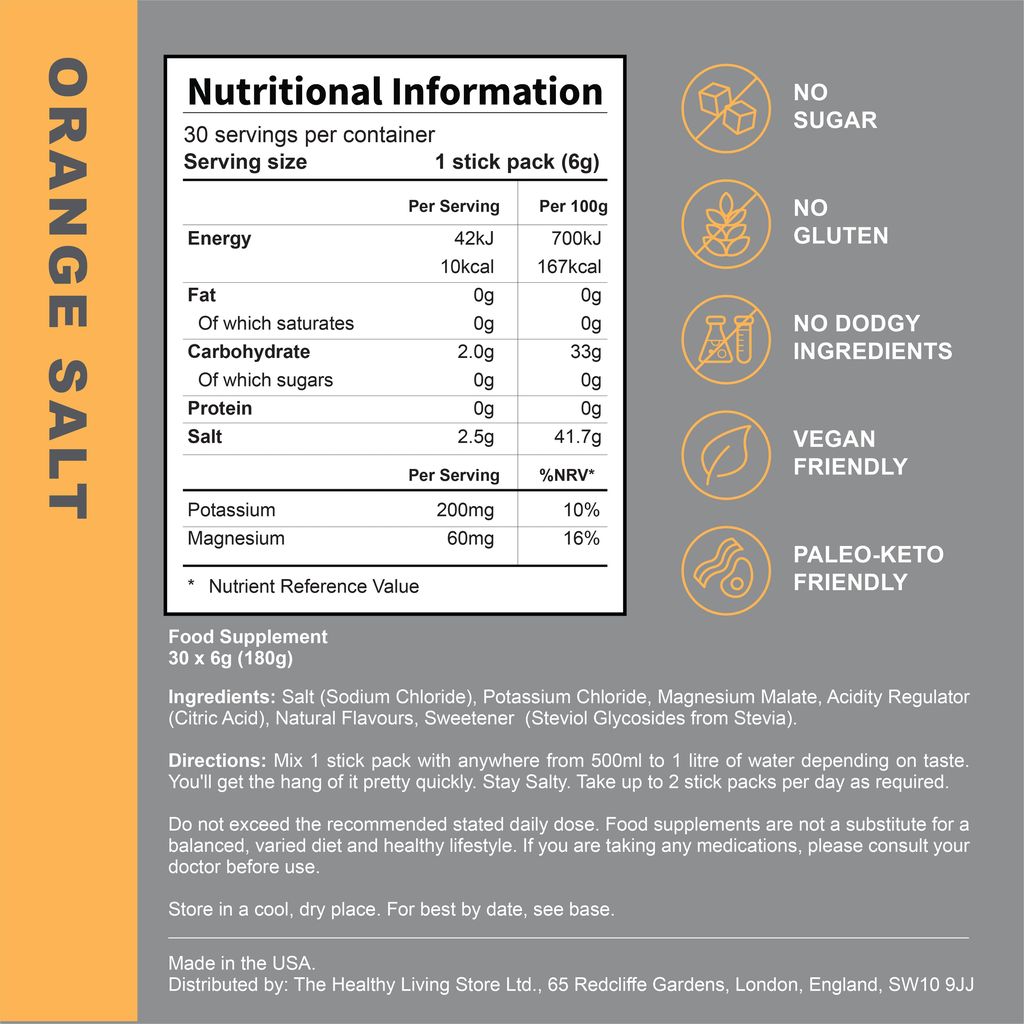
Sunburnt skin loses water faster than usual. That fluid loss often shows up before you connect it to the burn itself, as headaches, fatigue, or a general flatness the day after. Two things help with that:
- Drink water steadily through the day rather than one large amount in the evening. Small, frequent amounts replace what the skin is losing without overwhelming you all at once.
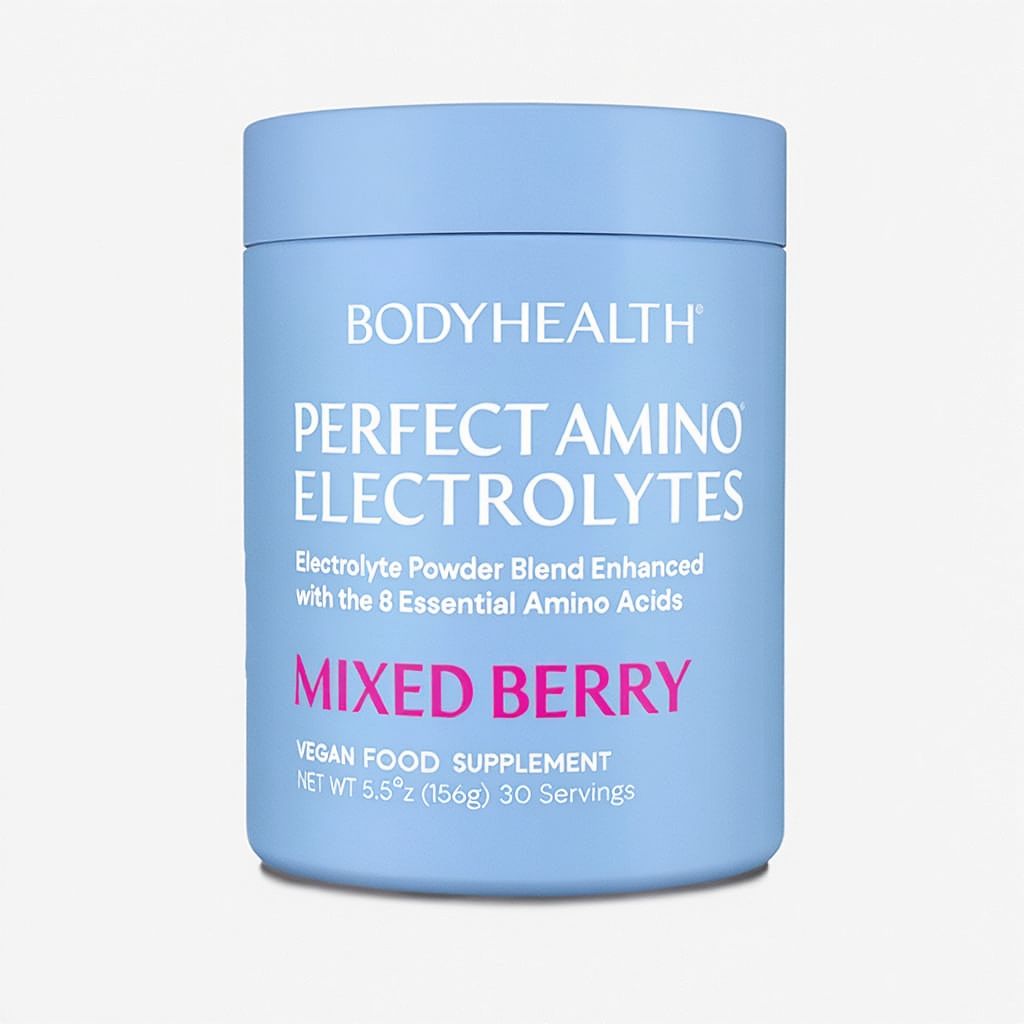
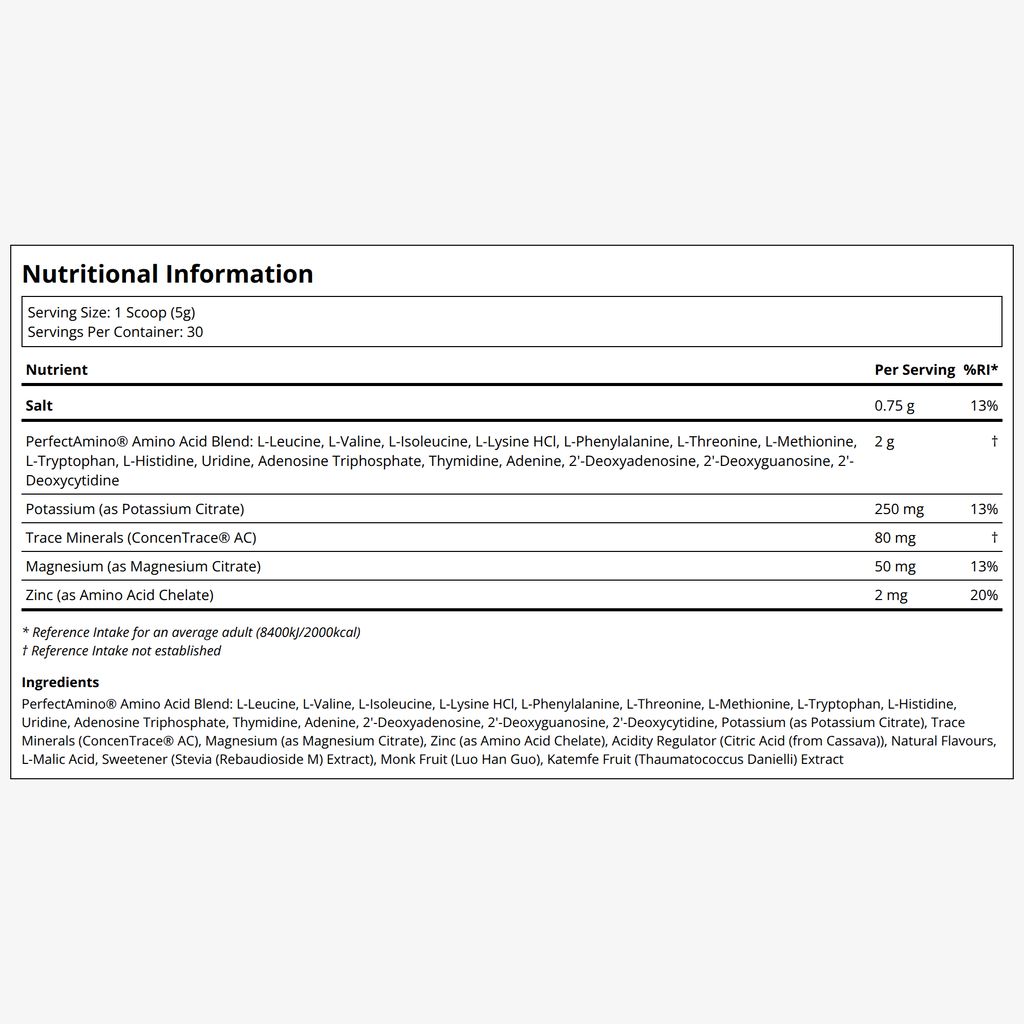
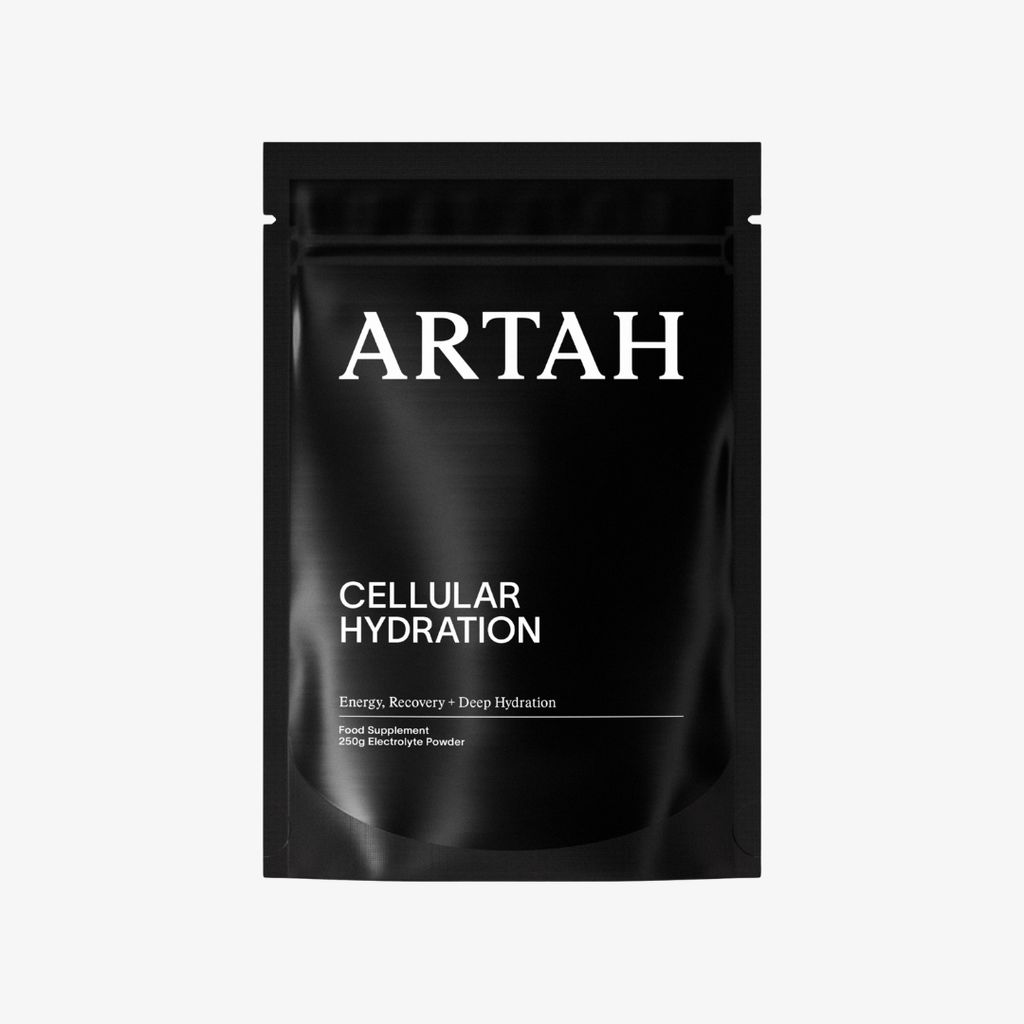
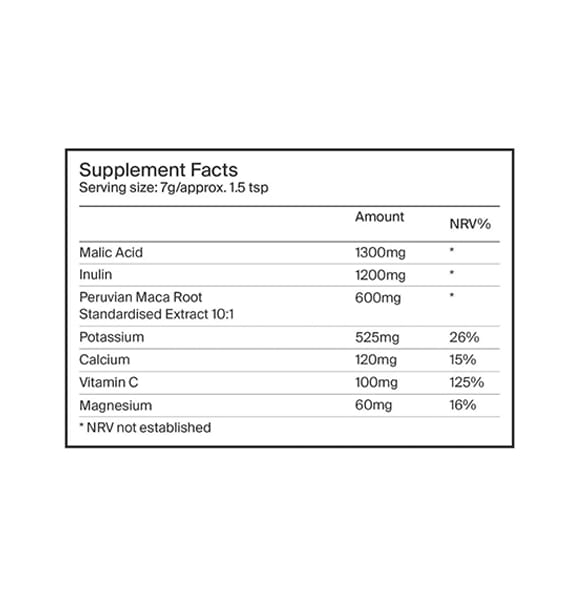
- Add electrolytes if the burn came with a long day of sweating outdoors, since sodium and potassium losses through sweat compound the fluid loss from the skin itself.

Can anti-inflammatory medication help sunburn?
Yes. Oral anti-inflammatory medication like ibuprofen can help reduce inflammation and discomfort when taken early, says Dr. Shotter. It won't undo the UV damage, but it can reduce some of the inflammation, swelling, and soreness that develops over the first 24 to 48 hours while the skin begins to repair itself.
Should you peel sunburnt skin?
No, leave it to come away on its own. Peeling is skin shedding cells that are too damaged to keep. Picking at it exposes newer, more delicate skin before it's ready, which raises the risk of scarring and infection. The same logic applies to blisters. If they've formed, they're acting as a natural barrier against infection, so leaving them intact gives you a better outcome.
What should you eat to help sunburnt skin repair?
Skin repair still needs the right raw materials, so what you eat is worth thinking about while a burn heals.
Protein provides the amino acids needed to repair damaged tissue, so make sure to pack some in at each meal. Vitamin C is needed for normal collagen production, making berries, citrus fruit, and peppers useful additions. Colourful fruit and vegetables provide antioxidants, while oily fish, nuts, and olive oil bring omega-3 fatty acids and polyphenols into the mix.
None of these foods can reverse UV damage or dramatically speed up recovery. Think of nutrition as giving skin what it needs to carry out its normal repair processes while you focus on the things that make the biggest immediate difference: cooling the skin, staying hydrated, moisturising once it has cooled, and avoiding further sun exposure.
Sleep is worth protecting too. During deep sleep, your body releases more growth hormone, a chemical messenger that helps repair and renew tissues, including skin, so an uncomfortable burn that keeps you awake can interfere with the recovery your skin is already working through.
What makes sunburn worse?
A handful of habits turn a burn that would fade in three or four days into one that drags on for a week or longer, so it's worth ruling these out while you're healing:
- Hot showers and baths
- Scrubbing or exfoliating the area
- Alcohol, which increases fluid loss on top of what the burn is already causing
- Going back into the sun before the skin has healed
- Popping blisters
- Toothpaste, butter, or other home remedies, none of which cool the skin or aid repair, and some of which trap heat against it
- Ice or anything extremely cold
How long does sunburn last?
Knowing the timeline in advance makes it easier to judge whether your recovery is on track or worth flagging to a doctor.
First 24 hours: redness, heat, and tenderness can continue developing for several hours after exposure.
24–48 hours: discomfort may be at its strongest.
Days 3–7: mild burns usually begin settling, while peeling may develop.
Around one week: mild sunburn will usually have substantially improved, although more severe burns can take longer.
When should you see a doctor about sunburn?
Most sunburn is uncomfortable rather than dangerous, but see a doctor or seek urgent care if you notice any of the following:
- Blistering that covers a large area of the body
- Pain that isn't controlled by simple measures
- Fever, chills, dizziness, confusion, nausea or vomiting, which can be signs of heat stroke or dehydration
- Increasing redness, pus, or worsening pain after several days, which can point to infection
- Sunburn in infants or very young children
- No improvement, or worsening symptoms, after 48 to 72 hours
"Any sunburn accompanied by heat exhaustion or heat stroke symptoms should be treated as a medical emergency," says Dr. Shotter.
What are the biggest sunburn myths?
The idea that a base tan offers protection is the one Dr. Shotter hears most. "A tan offers very limited protection, roughly equivalent to SPF 3 or 4, and is actually a visible sign that DNA damage has already occurred."
The second is that darker skin doesn't burn. "While melanin provides some natural protection, people of all skin tones can experience sun damage and develop skin cancer,” says Dr. Shotter.
Another is that sunscreen buys you unlimited time outdoors. "No sunscreen blocks 100% of UV radiation, and it must be applied generously, reapplied regularly, including after getting out of water, and combined with shade and protective clothing,” she adds.
How do you protect your skin after sunburn?
Once skin is burnt, the single most useful thing you can do is stay out of the sun until it heals fully. "Every additional dose of UV radiation increases cumulative DNA damage," says Dr. Shotter. Beyond that one burn, a few habits protect against the long term damage that adds up over a lifetime.
- Wear a daily broad spectrum SPF 30, stepping up to SPF 50 during periods of intense sun exposure.
- Add protective clothing, a hat, and sunglasses whenever you're outdoors for long stretches.
- Seek shade during peak UV hours rather than relying on sunscreen alone.
Skin can repair some UV-induced DNA damage on its own, but not all of it, which is why prevention outperforms every recovery method on this list.

Your most asked sunburn questions, answered
How do you get rid of sunburn fast?
There's no way to erase sunburn overnight, but cooling the skin within the first hour, moisturising once it's calmed down, staying hydrated, and taking an anti-inflammatory early can meaningfully reduce the discomfort.
Should you put ice on sunburn?
No, it can add a second injury on top of the burn. Use a cool shower or damp compress instead, since it does the same job more safely.
Does aloe vera work on sunburn?
It can soothe and cool the skin, and some evidence points to mild anti-inflammatory effects, but it doesn't reverse UV damage.
Can moisturiser make sunburn worse?
A heavy, occlusive product applied while skin still feels hot can trap heat underneath it. A light, fragrance-free moisturiser with ceramides or glycerin, applied after the skin has cooled, helps rather than hinders.

This article is for informational purposes only, even if and regardless of whether it features the advice of physicians and medical practitioners. This article is not, nor is it intended to be, a substitute for professional medical advice, diagnosis, or treatment and should never be relied upon for specific medical advice. The views expressed in this article are the views of the expert and do not necessarily represent the views of Healf
Samantha Nice is a seasoned wellness writer with over a decade of experience crafting content for a diverse range of global brands. A passionate advocate for holistic wellbeing, she brings a particular focus to supplements, women’s health, strength training, and running. Samantha is a proud member of the Healf editorial team, where she merges her love for storytelling with industry insights and science-backed evidence.
An avid WHOOP wearer, keen runner (with a sub 1:30 half marathon) hot yoga enthusiast and regular gym goer, Samantha lives and breathes the wellness lifestyle she writes about. With a solid black book of trusted contacts (including some of the industry’s leading experts) she’s committed to creating accessible, well-informed content that empowers and inspires Healf readers.