










































_2026-10-13_14-11-48.png)


The Mouth-Body Connection: 7 Ways Oral Care Affects Whole-Body Health
Your gums do more than frame a smile. Here's an honest look at where the evidence on oral health and whole-body health is strong, where it's still emerging, and what actually helps.

Written by: the Healf Editors
Written on: 31 August 2026
Most of us treat brushing as cosmetic. It’s something that gives us fresher breath, a whiter smile, and often it’s just something to tick off before bed. But your mouth isn't sealed off from the rest of you. Your gums are living tissue, threaded with blood vessels, and when they become inflamed, the bacteria behind that inflammation can cause downstream effects across your body systems.
Over the past two decades, researchers have built a whole field around this, the "oral–systemic" link, and it has shed new light on essential oral care and it’s ties to overall health. Gum disease affects up to half of adults worldwide, and continues to surface in studies of conditions that seem to have nothing to do with teeth: heart disease, diabetes, pregnancy, even memory. Some of these links are strong and well-replicated, while others still need further research. But below, we’ve set out an honest map of the seven places your mouth shows up in the rest of your body and what you can do to help.
How the mouth reaches the rest of the body
When talking about oral health, inflammation is one of the most important factors experts focus on. In gum disease, or periodontitis, plaque bacteria infect and irritate the tissue around your teeth. Gums bleed, pockets form, and that inflamed, broken surface becomes a doorway. Bacteria and inflammatory molecules slip into the bloodstream and travel around the body.
A low, constant inflammatory signal from your teeth and gums tends to have downstream effects that your body then has to manage as best it can.
7 ways oral health reaches the rest of you
Your heart: People with gum disease have a higher risk of heart disease and stroke. The American Heart Association found that periodontitis independently raises the risk that fat, cholesterol, and other substances will build up as plaque inside your arteries. When researchers gave people proper gum treatment in controlled trials, it improved how well their blood vessels functioned, which is a marker of heart health. Given that evidence, the World Heart Federation and the European Federation of Periodontology put out a joint recommendation in 2020 that heart patients should be routinely checked for gum disease as well.
Blood sugar: Diabetes and gum disease feed each other, and this link has the best treatment evidence. A Cochrane review found that treating periodontitis improves blood-sugar control by a clinically significant amount. A big 2026 study found that gum disease and type 2 diabetes seem to feed into each other. People with gum disease were about a fifth to a quarter more likely to go on to develop type 2 diabetes — and having diabetes also made people more likely to develop gum disease later on. Because the link runs both ways, Diabetes UK and the European Federation of Periodontology recommended back in 2018 that dentists and doctors should be checking for gum disease as a routine part of diabetes care.
Pregnancy: Periodontitis has been shown to be associated with preterm birth, preeclampsia, and low birth weight, with roughly a 1.6-fold higher risk of preterm delivery (and treating gums during pregnancy hasn't reliably changed those outcomes in trials). In fact, a study performed in Malawi, a country with the highest rate of pre term births at 17%, found that delivering sugar free chewing gum and oral hygiene advice to 10,000 women reduced preterm births by 24% compared to those without oral hygiene aids. Hormones produced while pregnant can also make your gums swollen, tender, and much more likely to bleed so it’s especially important to pay attention to your oral health.
Your joints: Gum disease and rheumatoid arthritis, both inflammatory conditions, share the same culprit here. The bacterium P. gingivalis can trigger the immune misfire behind rheumatoid arthritis, and long-standing gum disease is linked to higher rheumatoid arthritis risk. In fact, their relationship is bidirectional, as gum disease releases inflammatory markers that worsens rheumatoid arthritis.
Your lungs: Oral bacteria in saliva can be inhaled “down the wrong pipe” into the windpipe and lungs, and periodontitis is associated with COPD and chest infections. This is usually not a problem when you're younger, but can become a concern with older people or those in hospital.
Your brain: This one is hotly debated, but the same gum bacterium has been found in the brains of Alzheimer's patients. Of course, association is not the same as causation, and it's a stretch to call brushing a dementia strategy, but there is growing research to suggest there may be a link.
Whole-body inflammation: Underneath all of these health issues sits chronic, low-grade inflammation. Your gums are one of the few sources of it you can do something about every day.
What actually helps
The fixes here are actually pretty simple, and they don’t involve lengthy routines and expensive equipment. Just focus on brushing twice a day for two minutes, clean between your teeth with floss or interdental brushes (the bit most people skip), and see a dentist or hygienist regularly.
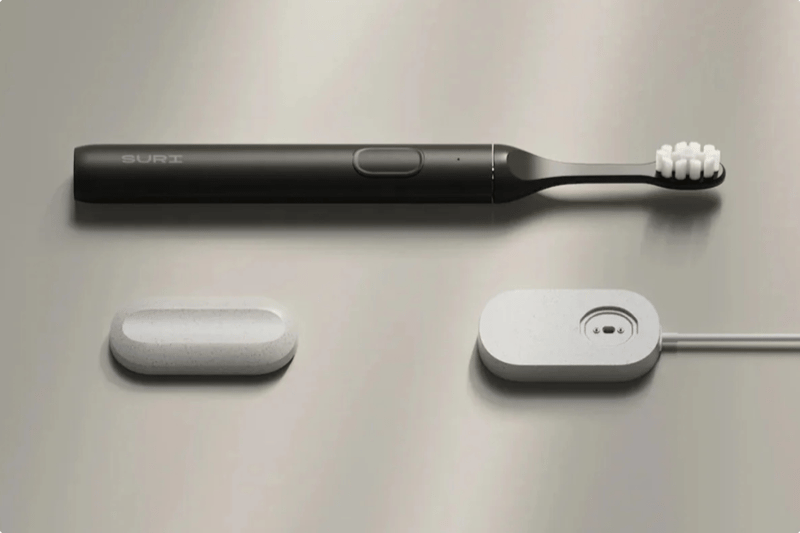
Technique and consistency matter the most. But having the right tool certainly helps. A good powered brush lifts more plaque than most people manage by hand, and sonic brushes, like the SURI Pro 2.0, use fluid dynamics rather than pure scrubbing to clean along and below the gumline.


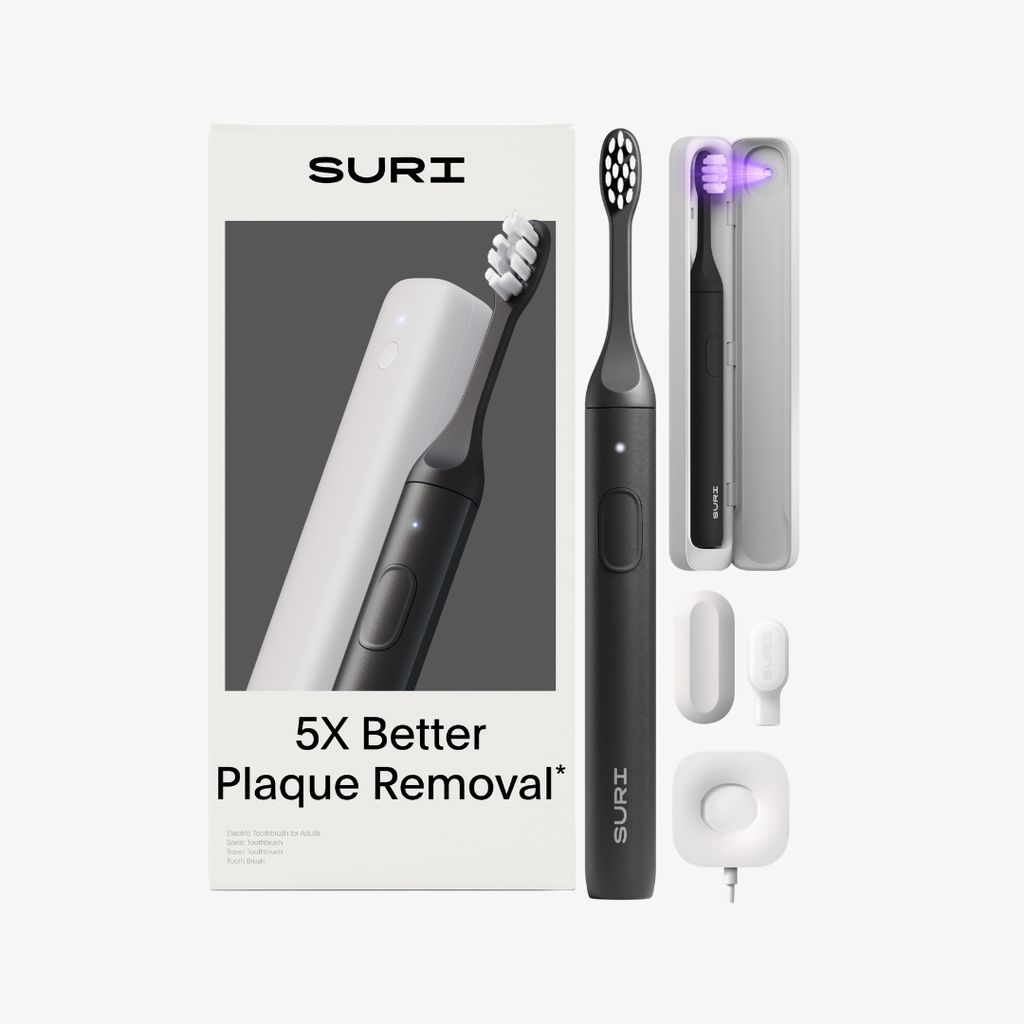

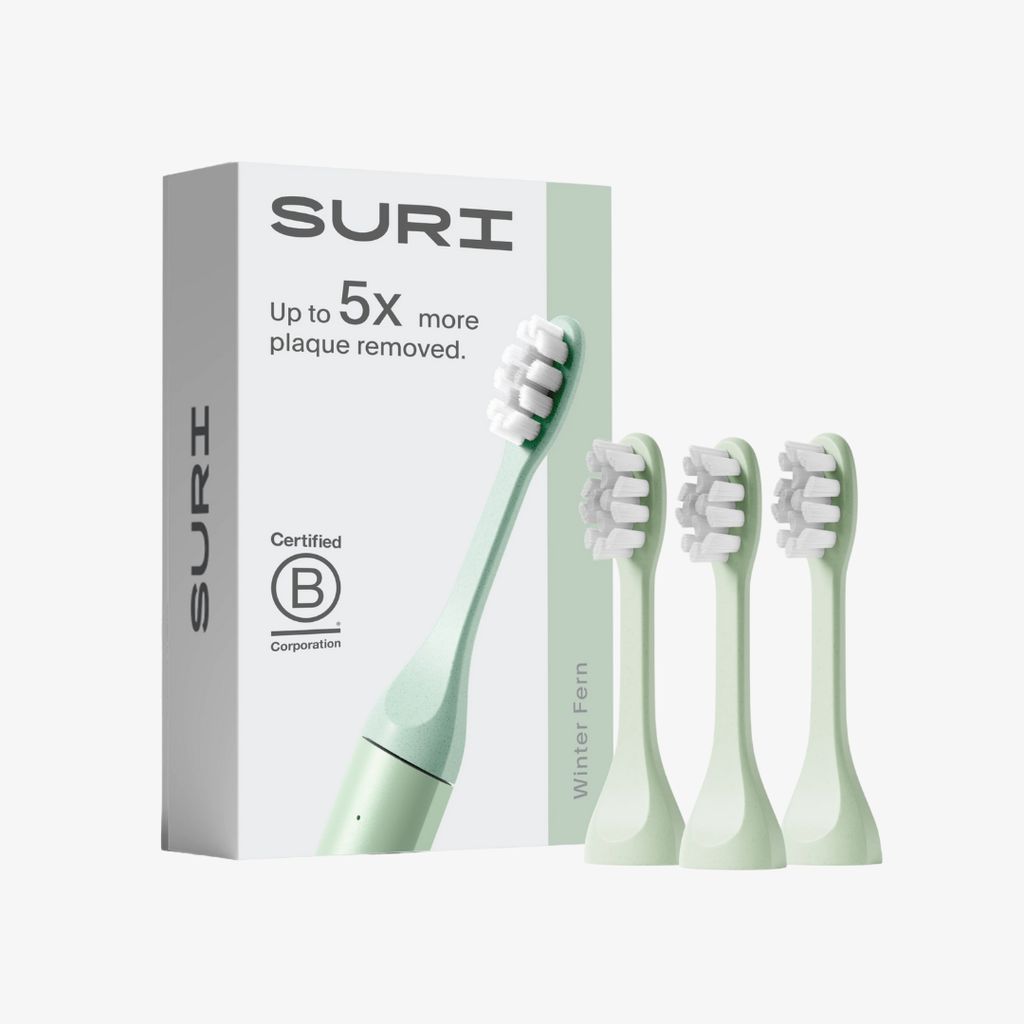

SURI also builds for the long game; with a durable aluminium body, plant-based heads made from cornstarch and castor oil instead of petroleum-based plastic, and a UV-C cleaning case that kills 99.9% of bacteria on the bristles. Its own third-party in vivo testing reports four times healthier gums within two weeks and up to five times as much plaque removed in a single use, versus a manual brush.
And the payoff is real. A simple, consistent two-minute routine does much more for you than just freshen breath.

This article is for informational purposes only, even if and regardless of whether it features the advice of physicians and medical practitioners. This article is not, nor is it intended to be, a substitute for professional medical advice, diagnosis, or treatment and should never be relied upon for specific medical advice. The views expressed in this article are the views of the expert and do not necessarily represent the views of Healf
Healf's editorial team works hard to produce science-backed, expert-vetted stories to break down trends and cut through the noise in the wellbeing ecosystem. Our team of writers and editors specialise in everything from nutrition, to exercise science, women's health, skincare, sleep, and more.