



























Could Low Stomach Acid Be Behind Your Bloat?
Your practical guide to Betaine HCl, according to experts.

Written by: Ed Cooper
Written on: 14 September 2026
Open any mainstream health magazine and the gut health advice will, almost certainly, address the issue of excess stomach acid. Heartburn or acid reflux, for example, or indigestion; yet it’s hypochlorhydria, or low stomach acid, that could be the exact reason you’re feeling bloated, gassy or sluggish — perhaps all three — after eating a perfectly balanced meal.
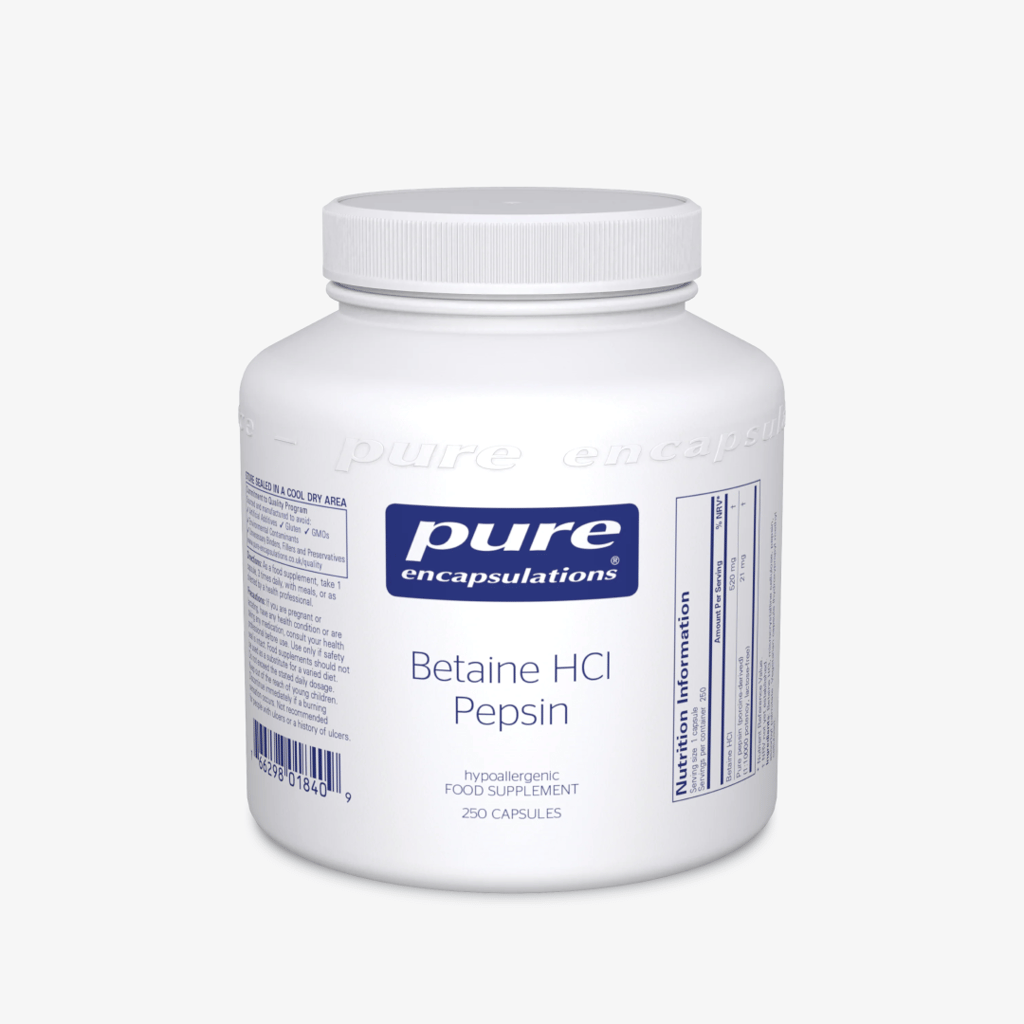
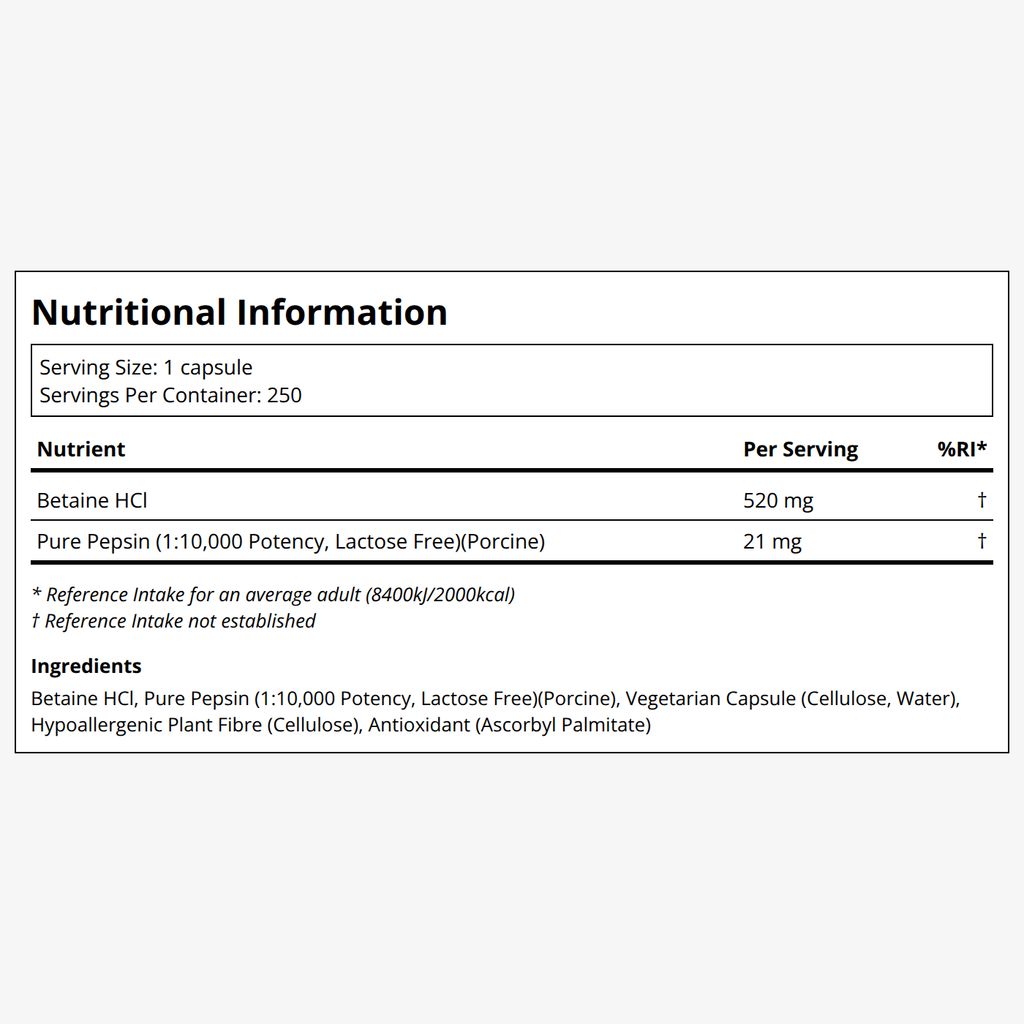
It’s these particular feelings that have led to a growing interest in betaine hydrochloride (HCl), a dietary supplement used to increase the acidity of the stomach. It combines betaine — a compound found naturally in foods like beets and spinach — with hydrochloric acid, to temporarily lower the pH of the stomach. The extra acid found in Betaine HCI activates digestive enzymes such as pepsin, which helps break down proteins and absorb vital nutrients including vitamin B12, iron, and zinc.
If you’ve felt bloated or sluggish after eating, you may have considered the supplement. So here’s everything you need to know about the supplement, according to experts, before you click ‘add to basket’.
What is stomach acid and why does it matter for digestion?
The role of gastric acid — often referred to as stomach acid, an acidic fluid composed of hydrochloric acid, potassium chloride and sodium chloride that is secreted by parietal cells in the stomach lining — is often chalked up to the simple of role of breaking down the food you eat all day.
“Stomach acid does three main jobs: it kills many of the bacteria we swallow, it activates pepsin (the enzyme that starts protein digestion), and it helps us absorb iron, calcium, zinc, and vitamin B12,” explains Dr. Sumana Moole, a board-certified gastroenterologist. “When acid is genuinely low over time, the real consequences are things like iron or B12 deficiency and a higher risk of gut infections or bacterial overgrowth.”
It also acts as a physiological gatekeeper. “Stomach acid helps initiate protein digestion, supports normal nutrient absorption, activates digestive processes downstream and serves as one of the body’s first antimicrobial barriers," says Justin Kempf, a Functional Medicine Practitioner and founder of Executive Functional Healing.
When that barrier is weakened, Kempf explains, bacteria survive passage through the stomach and reach the upper intestinal tract. Reduced gastric acid is recognised as a primary factor that increases susceptibility to small intestinal bacterial overgrowth (SIBO). On the flipside, normal acid levels are a vital part of your microbial defence system and an absolute prerequisite for extracting nutrients from your diet.
The signs you might have low stomach acid
Because a weakened acid barrier leaves you open to issues like SIBO, figuring out exactly what is happening inside your gut can get complicated. One of the biggest misconceptions in digestive health is that reflux automatically means you are producing too much acid. That is not always the case and symptoms alone do not dictate whether your acid levels are running high or low.
The warning signs of hypochlorhydria closely mimic other digestive issues, says Dr. Moole, such as bloating, gas, belching, abdominal fullness, and feeling unusually heavy after eating. “They overlap almost completely with functional dyspepsia and IBS, which have nothing to do with low acid,” says Dr. Moole.
Kempf agrees. “Those symptoms are not specific enough to diagnose hypochlorhydria on their own,” he notes. Relying on an online symptom checklist is a risky basis for starting supplementation such as Betaine HCI. “This is one reason I’m cautious when people use symptom checklists online and immediately begin taking Betaine HCl.
What causes low stomach acid in the first place?
Let’s go back to the start and look at a few potential culprits for low stomach acid. When symptoms alone can be unreliable, taking a closer look at the underlying drivers is a more sensible place to start. Acid production declines for several reasons, including, inevitably, the process of ageing. But underlying conditions and medications are often the primary causes for hypochlorhydria. Frequently occurring alongside H. pylori infections (a common stomach bacteria that damages stomach lining), autoimmune atrophic gastritis and the long term use of acid-suppressing medications such as proton pump inhibitors (PPIs) and H2-receptor antagonists, known as H2 blockers.
Kempf advises against looking at low acid as an isolated deficiency that simply needs replacing. “Depending on the pattern and duration of gastritis, H. pylori can contribute to impaired acid production," he says. The better question, then, to ask is why normal stomach function became impaired in the first place and whether downstream consequences are already developing.
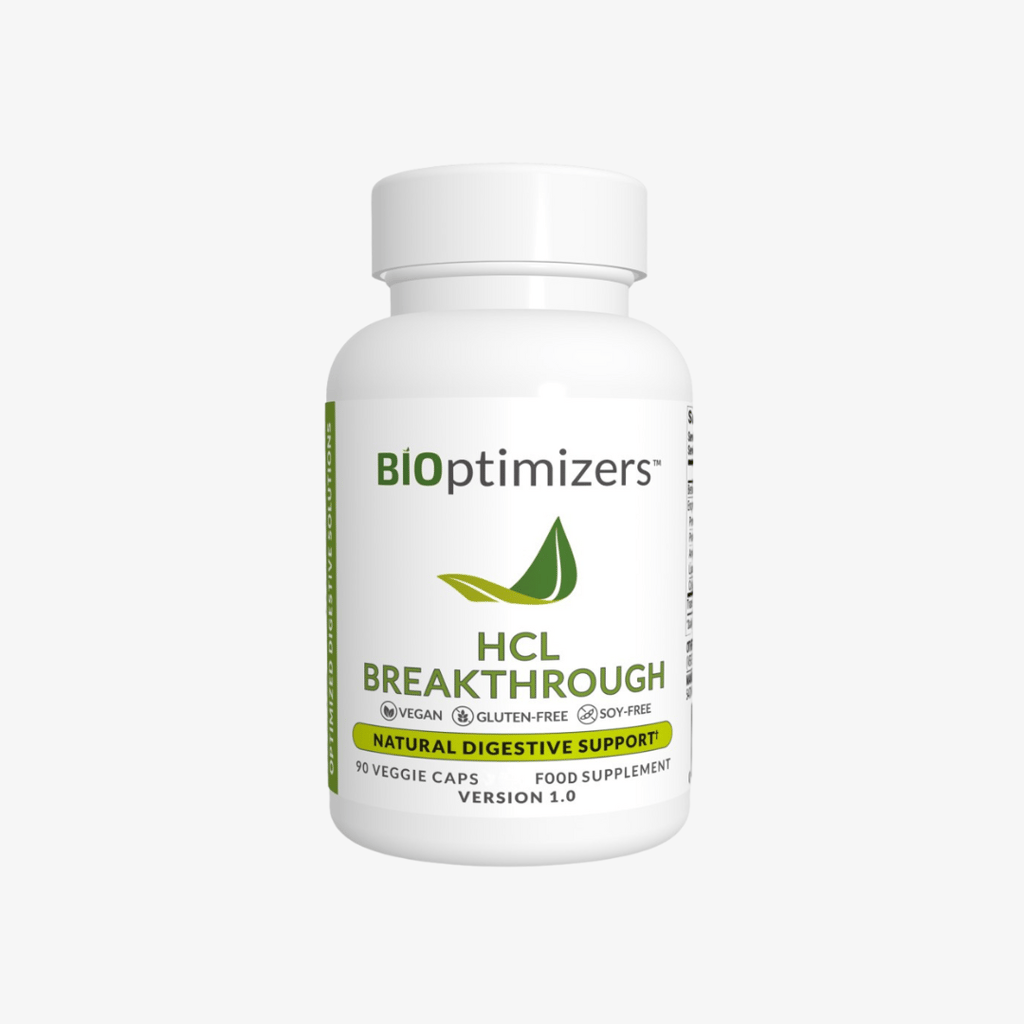

Does Betaine HCl actually work and how do you take it safely?
This is the key question. Once a root cause is identified and genuine low acid (hypochlorhydria) is confirmed, only then can targeted support can be introduced. It’s here Betaine HCl is designed to temporarily increase stomach acid — and the science backs up this specific mechanism. A clinical pilot study showed it rapidly re-acidified the stomachs of participants with drug-induced hypochlorhydria. Those taking 1,500 mg saw their gastric pH drop significantly within minutes.
Naturally, there is a caveat here. “That demonstrates that Betaine HCl can acidify the stomach; it does not establish that 1,500 mg is an appropriate general treatment dose or prove that everyone with bloating or reflux will benefit from taking it,” Kempf explains. “There is not a universally established, evidence-based betaine HCl dosing protocol for treating everyday digestive symptoms.”
Kempf recognises that certain advice dotted across the internet — somewhere along the lines of “keep increasing [Betaine HCI] capsules until someone experiences burning and then back down,” says Kempf — often makes for a considerably more “aggressive approach” than necessary. “A person should first have a reasonable basis for believing low acid is actually part of the problem and consider their medical history, medications, and underlying gastrointestinal conditions.”
Who should avoid Betaine HCl supplements?
“Betaine HCl is also not something I would recommend people casually experiment with if they have a history of peptic ulcer disease, significant gastritis, or other known gastrointestinal disease,” says Kempf. Even with a high-quality formulation, the same applies to anyone taking medications where altered gastric acidity could impact drug absorption. "Anyone with persistent or concerning gastrointestinal symptoms should be evaluated rather than assuming that a supplement is the answer," Kempf advises.
“This subject gets underrepresented because mainstream conversations about stomach symptoms tend to center heavily on excess acid and acid suppression,” says Kempf, “while wellness conversations sometimes swing too far in the opposite direction and treat low stomach acid as the explanation for almost everything.”
Neither extreme is particularly helpful, he concludes. “Normal gastric acid is an important part of digestion and microbial defense, but hypochlorhydria needs context.”
Low stomach acid is worth taking seriously, Dr. Moole says, “but the smart move is diagnosis, not a supplement bought on a hunch.” By simply adding Betaine HCl without understanding your overall gastrointestinal picture, it completely misses the mark.


This article is for informational purposes only, even if and regardless of whether it features the advice of physicians and medical practitioners. This article is not, nor is it intended to be, a substitute for professional medical advice, diagnosis, or treatment and should never be relied upon for specific medical advice. The views expressed in this article are the views of the expert and do not necessarily represent the views of Healf
Ed is a freelance journalist and former Men’s Health digital editor, with bylines in Red Bull, BBC StoryWorks, Guardian Labs, Third Space, Natural Fitness Food and Form Nutrition, among others. Having run marathons, conducted sleep experiments on himself and worked with some of the world’s most in-demand experts — from sleep scientists and strength athletes to high-performance trainers and elite-level nutritionists — one thing remains clear for The Healf Source contributor: fitness trends come and go, but as long as you keep turning up for yourself, consistency will win every time.