










Best Supplements For Stress: What Actually Works?
Supplements promising to make stress easier to manage are everywhere. A psychologist and a nutritionist explain which have credible evidence and how to choose between them.

Written by: Samantha Nice
Written on: 15 September 2026
There isn't one best supplement for stress, because "stress" isn't one biological issue, and often doesn’t have one singular cause or effect. Someone who's wired and can't switch off will need something different from someone whose sleep has fallen apart, or whose energy is running on empty after a brutal few weeks.
From cortisol blends and adaptogen stacks to gummies promising calm within two weeks, the stress-supplement shelf has multiplied fast. However, the claims often seem a bit overblown. Some are backed by real human trials, while others coast almost entirely on reputation, and you'd never be able to guess which one is which from the label alone. Choosing between the right stress supplements starts with knowing what you're actually trying to change and which ingredients have evidence that matches it.
Can supplements actually help with stress?
Some can, although what helps depends on the kind of stress you're dealing with, and the specific ingredient you're taking. Dr. Sheena Kumar, DPsych, BSc, a chartered counselling psychologist, explains that chronic stress can keep the body's stress-response systems more active, involving hormones like cortisol and adrenaline.
Obviously, a supplement can’t remove the stressor itself, although certain nutrients and botanicals may influence pathways involved in the stress response. Hannah Alderson, DipCNM, mBANT, a BANT-registered nutritionist and author of Everything I Know About Cortisol, puts the limits clearly. "There’s no magic pill for stress. Supplements can be supportive, but they cannot out-supplement poor sleep, inadequate nutrition, too much caffeine, lack of recovery, or an overloaded lifestyle."
The best supplements for stress, at a glance
Here's how the main options stack up, sorted by what they're actually best evidenced for rather than a generic ranking.
Ashwagandha
Best evidenced for persistent perceived stress.
Evidence: promising, though currently under UK safety review.
Key thing to know: not appropriate for everyone, and dose and extract matter.
Magnesium
Best when intake or status is actually low, or stress overlaps with poor sleep or muscle tension.
Evidence: mixed, strongest in people who are actually low.
Key thing to know: form counts for less than marketing suggests.
L-theanine
Best for feeling calm and focused without drowsiness.
Evidence: emerging, and modest in the highest-quality studies.
Key thing to know: suits acute, situational stress more than chronic stress.
Omega-3
Best evidence sits with anxiety symptoms rather than stress specifically.
Evidence: emerging, low certainty.
Key thing to know: dose and EPA/DHA content matter more than "fish oil" on the label.
Rhodiola
Best considered when stress comes with fatigue.
Evidence: limited to emerging.
Key thing to know: study quality and extract standardisation vary widely.
Saffron
Best considered for mood and anxiety symptoms rather than stress itself.
Evidence: emerging.
Key thing to know: not specifically a stress supplement, despite how it's often marketed.
B vitamins
Best when intake or status is inadequate.
Evidence: mixed, most relevant to correcting a genuine shortfall.
Key thing to know: more isn't better once intake is already adequate.
None of that snapshot is meant to be the final word. Below, each ingredient gets the full evidence, the important safety caveats, what to look for on a label, and one product worth trying, starting with the ingredient that has the strongest trial base behind it.
Ashwagandha: the strongest evidence, with real caveats
Ashwagandha has more direct trial evidence for perceived stress than anything else on this list. However, it’s also under active safety review in the UK.
Alderson ranks it first fo stress. "Ashwagandha probably has some of the strongest human evidence, with research showing improvements in perceived stress and anxiety, although studies are still relatively small, so we need to be wary of hype," she says. A 2024 meta-analysis of nine randomised controlled trials, covering 558 participants, found significant reductions in perceived stress, anxiety, and cortisol compared with placebo. A larger 2026 dose-response meta-analysis of 22 trials reported similar improvements but with more variation between studies, and at least one 2025 analysis found cortisol dropping without perceived stress actually improving, a reminder that a shifting biomarker isn't the same as feeling calmer.
That reputation sits alongside an active regulatory question. The Food Standards Agency launched a public call for evidence on ashwagandha in July 2024 and asked the Committee on Toxicity to assess its safety following an increase in reported incidents involving ashwagandha supplements. At its most recent meeting, on 8 September 2026, the Committee was still working through a third draft safety statement. No safe upper level has been set in the UK, and no formal conclusion has been published yet. Anyone who is pregnant, or has an existing liver or thyroid condition, should speak to a healthcare professional before taking it.
What to look for: A standardised extract, a clearly stated withanolide percentage, and an evidence-based dose. Clinical trials for stress commonly use around 250–600mg daily, depending on the extract and concentration.
What to avoid: proprietary blends that hide the actual ashwagandha dose.
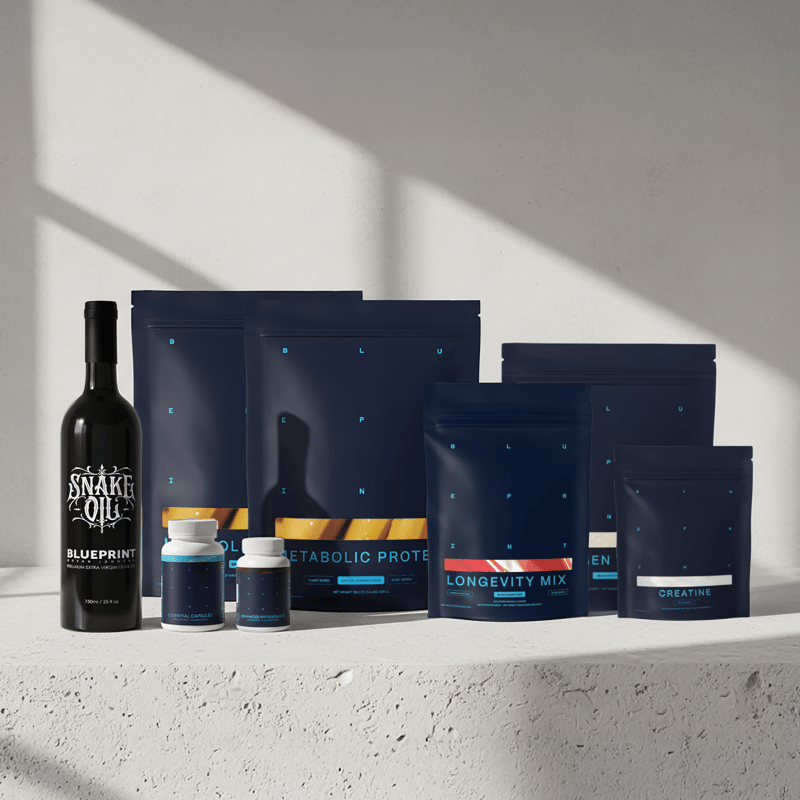
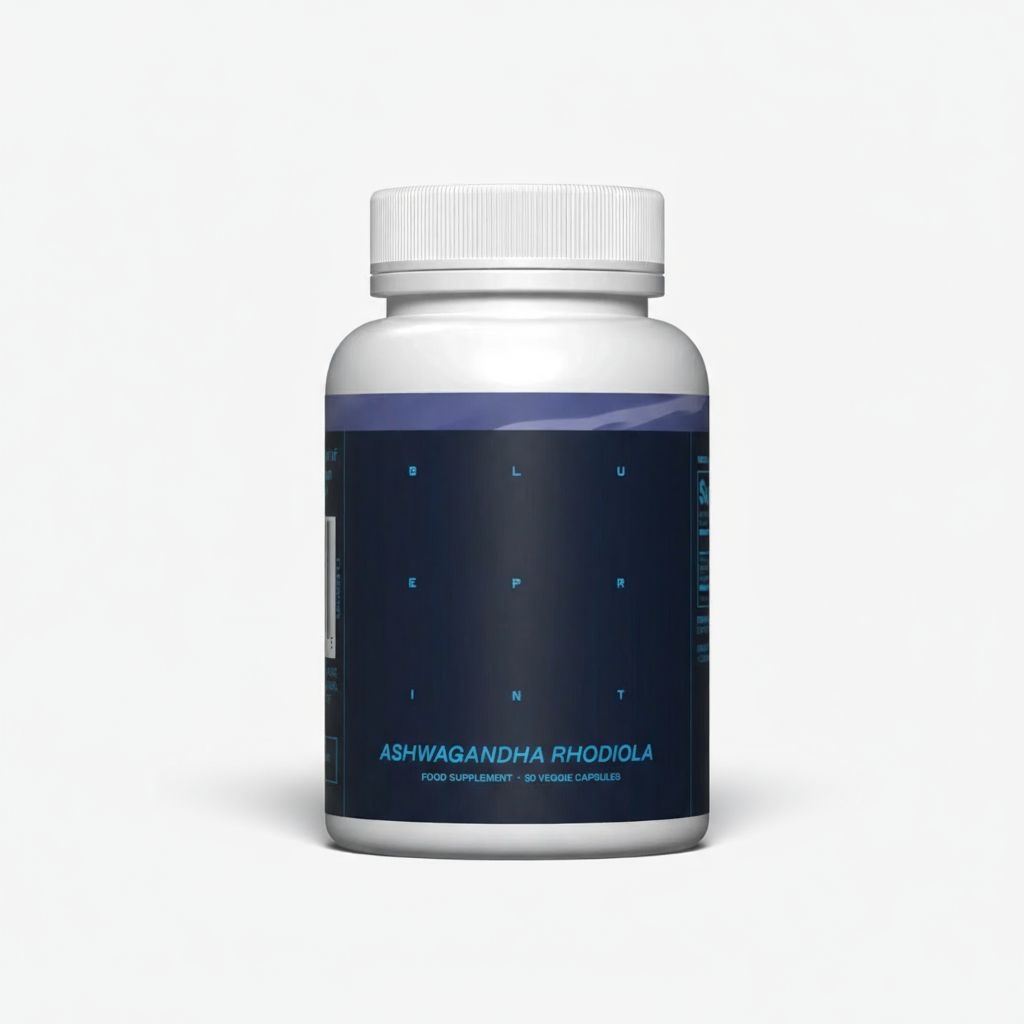
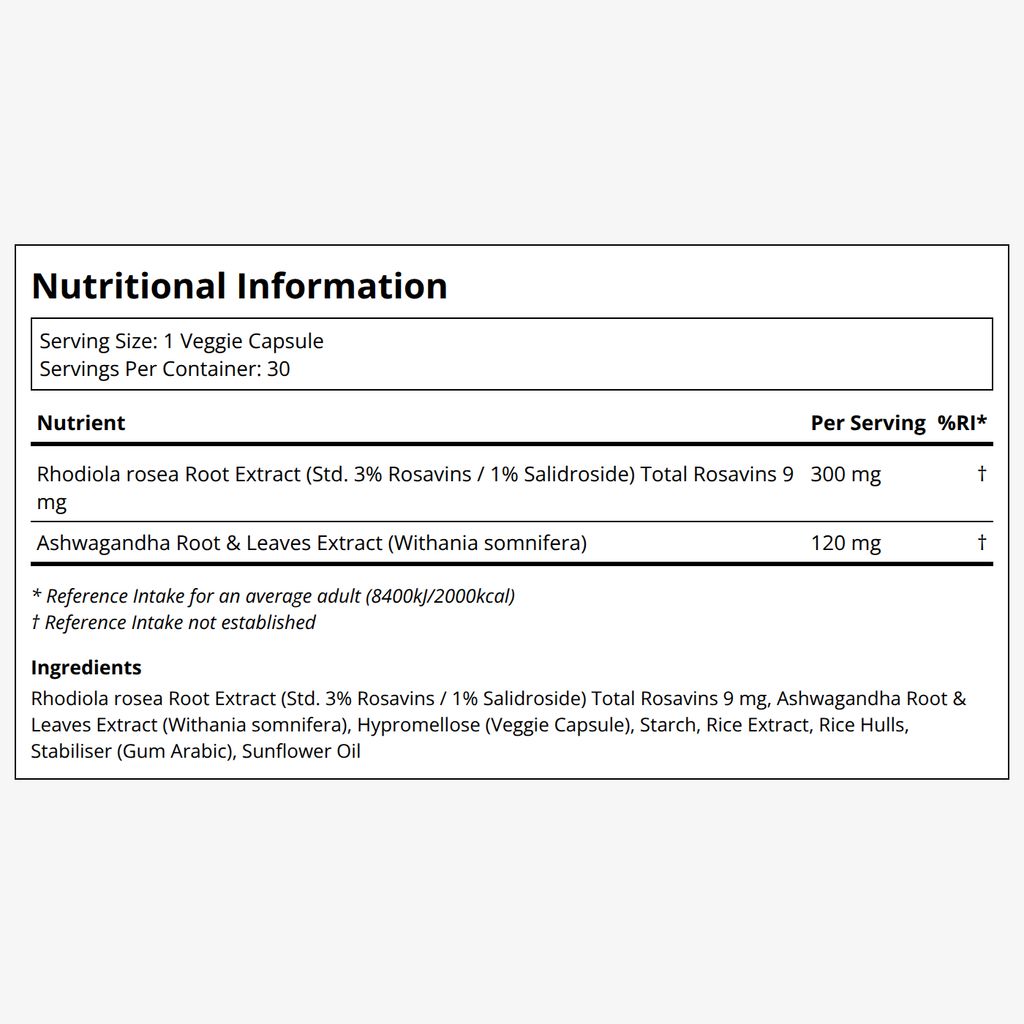
Our top pick: Blueprint Ashwagandha + Rhodiola, providing 120mg of full-spectrum ashwagandha root extract alongside 300mg of standardised rhodiola in one capsule.
Magnesium: best if you're actually not getting enough
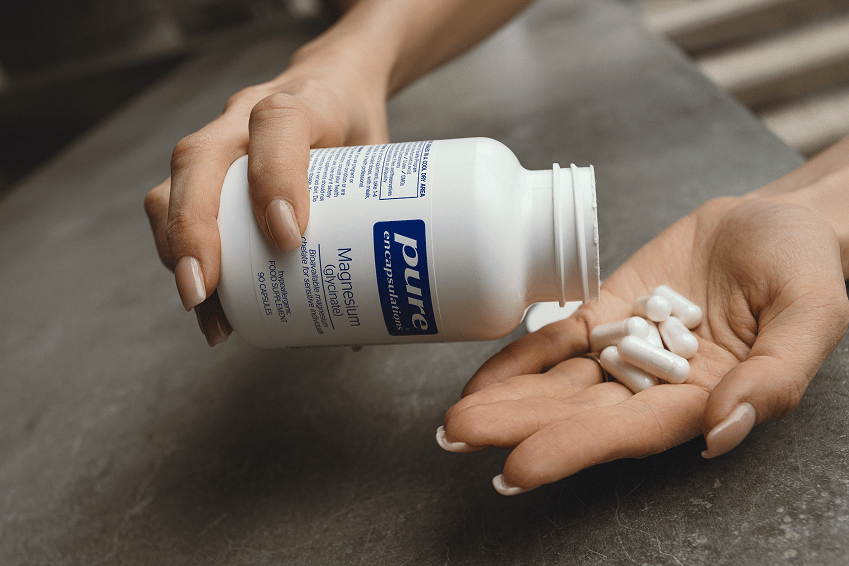
Magnesium is the ingredient most commonly recommended for stress, which is exactly why Alderson wants to slow the claim down before it goes any further. "This is where marketing has run slightly ahead of the science," she says. "Magnesium is essential for normal nervous system function, and supplementation may be particularly beneficial when magnesium intake or status is low. However, we have much less convincing evidence that taking additional magnesium significantly reduces stress in someone who already has adequate [magnesium] status."
The specific claim around magnesium glycinate being uniquely "calming" doesn't hold up under scrutiny either. "Magnesium glycinate is often marketed as the 'calming' form because glycine itself has roles within the nervous system, and it tends to be well tolerated," Alderson says. "However, we do not currently have strong clinical evidence showing that magnesium glycinate is uniquely calming compared with other well-absorbed forms, but it would be the one that I would recommend for sleep."
What to look for: a well-absorbed form such as glycinate (bisglycinate) or citrate, and a clearly stated elemental magnesium amount rather than just the total compound weight.
What to avoid: routinely exceeding the NHS guidance of 400mg a day from magnesium supplements, as higher doses can cause diarrhoea.
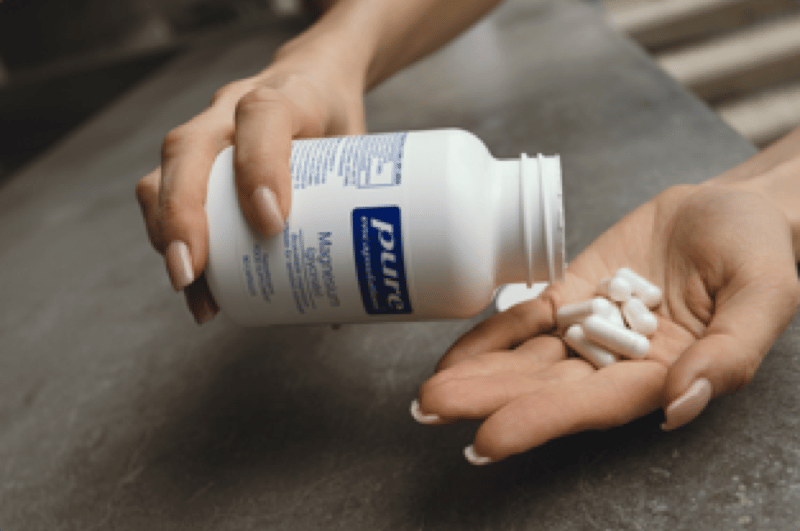
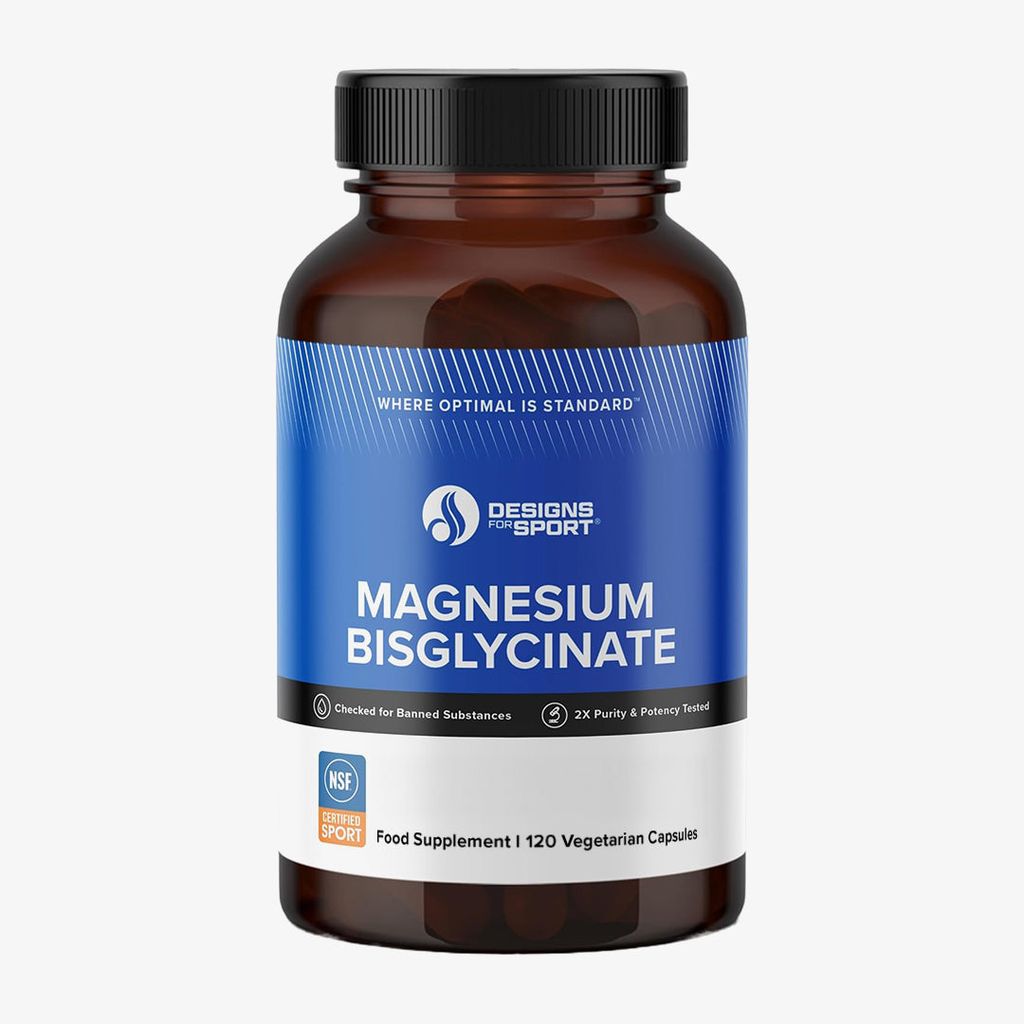
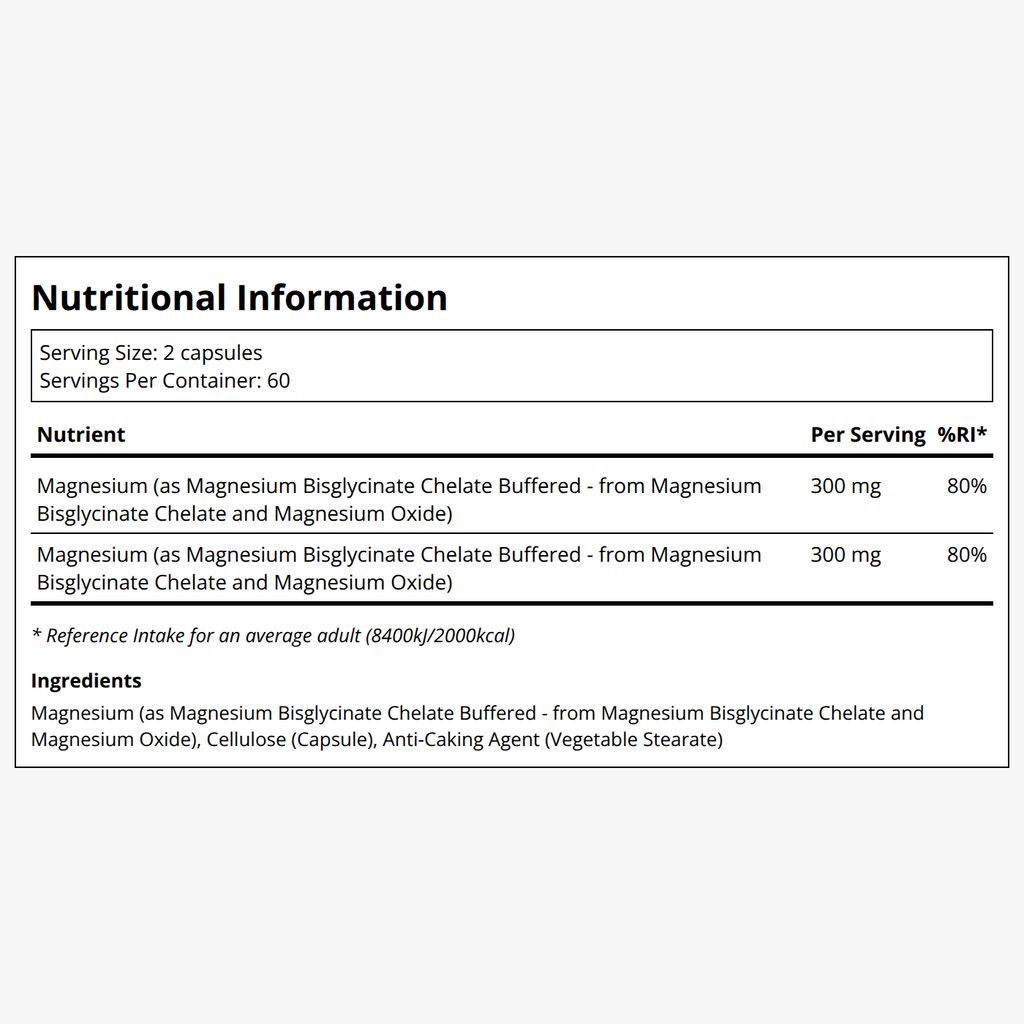
Our top pick: Designs for Health Magnesium Bisglycinate, providing 300mg of elemental magnesium in a chelated, digestively gentle form.
L-theanine: best for feeling wired, not for chronic stress
L-theanine is an amino acid found naturally in tea, and it's the ingredient both experts describe in similar terms, interesting, but evidenced more thinly than ashwagandha or magnesium. "L-theanine is interesting and may promote a feeling of calm, but the clinical evidence is more limited," Alderson says.
A recent meta-analysis of 31 randomised controlled trials found a modest acute reduction in stress, although the result was heavily influenced by studies at higher risk of bias. Where it seems best suited is short-term, situational stress, wanting to feel calmer and more focused during a specific task or day, rather than as a long-term intervention for chronic stress.
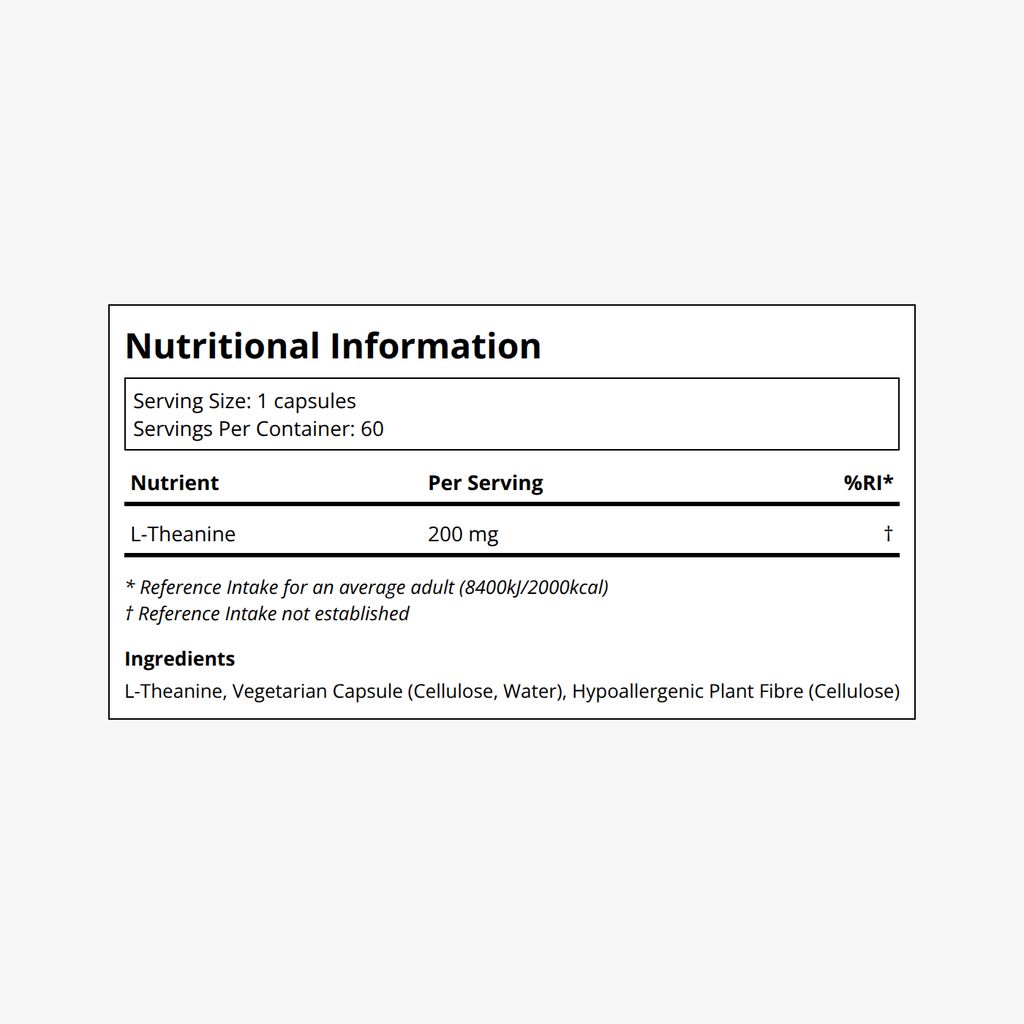
What to look for: a clearly stated dose. Human studies have commonly tested doses around 200–400mg.
What to avoid: vague "calm blend" products that don't state a standalone L-theanine dose.
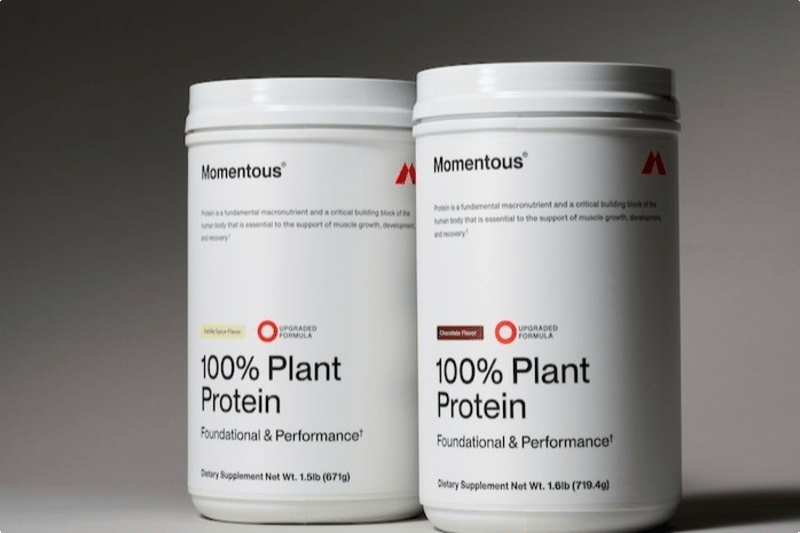
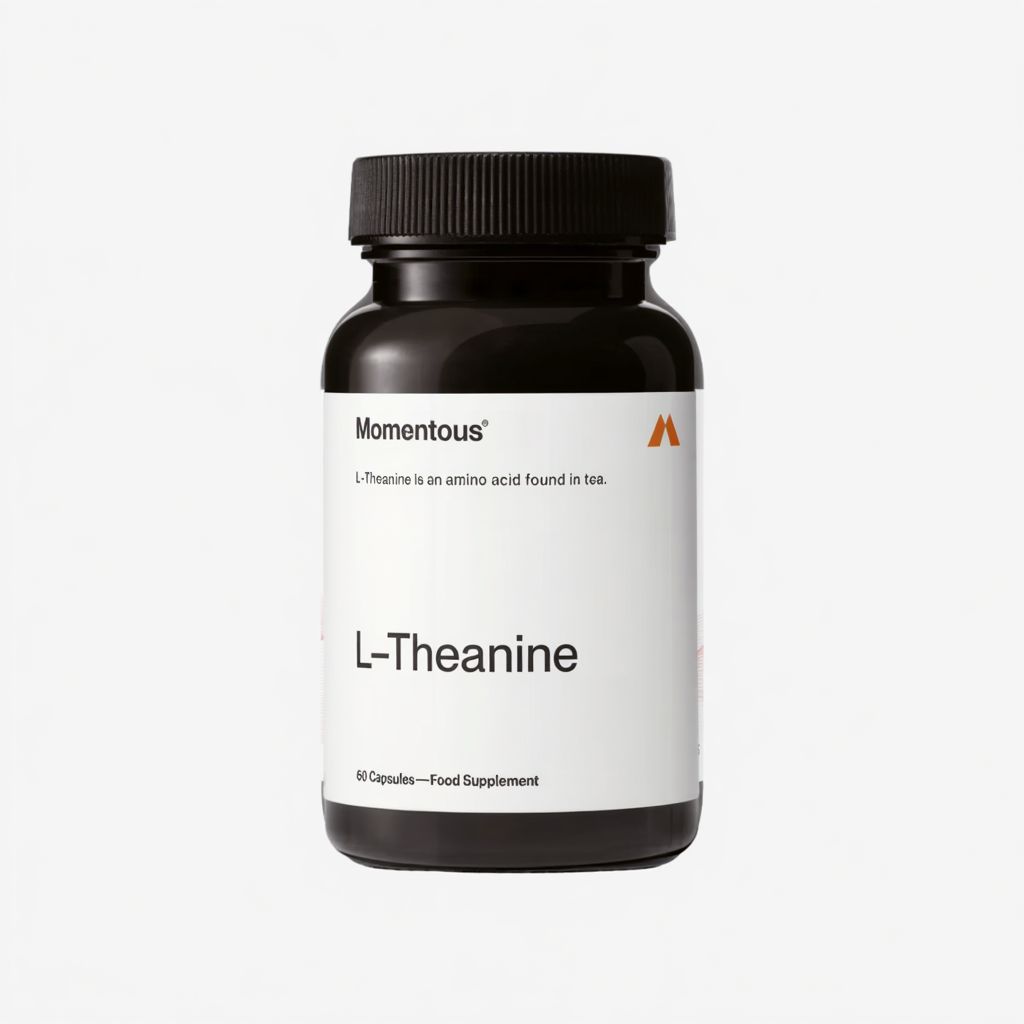
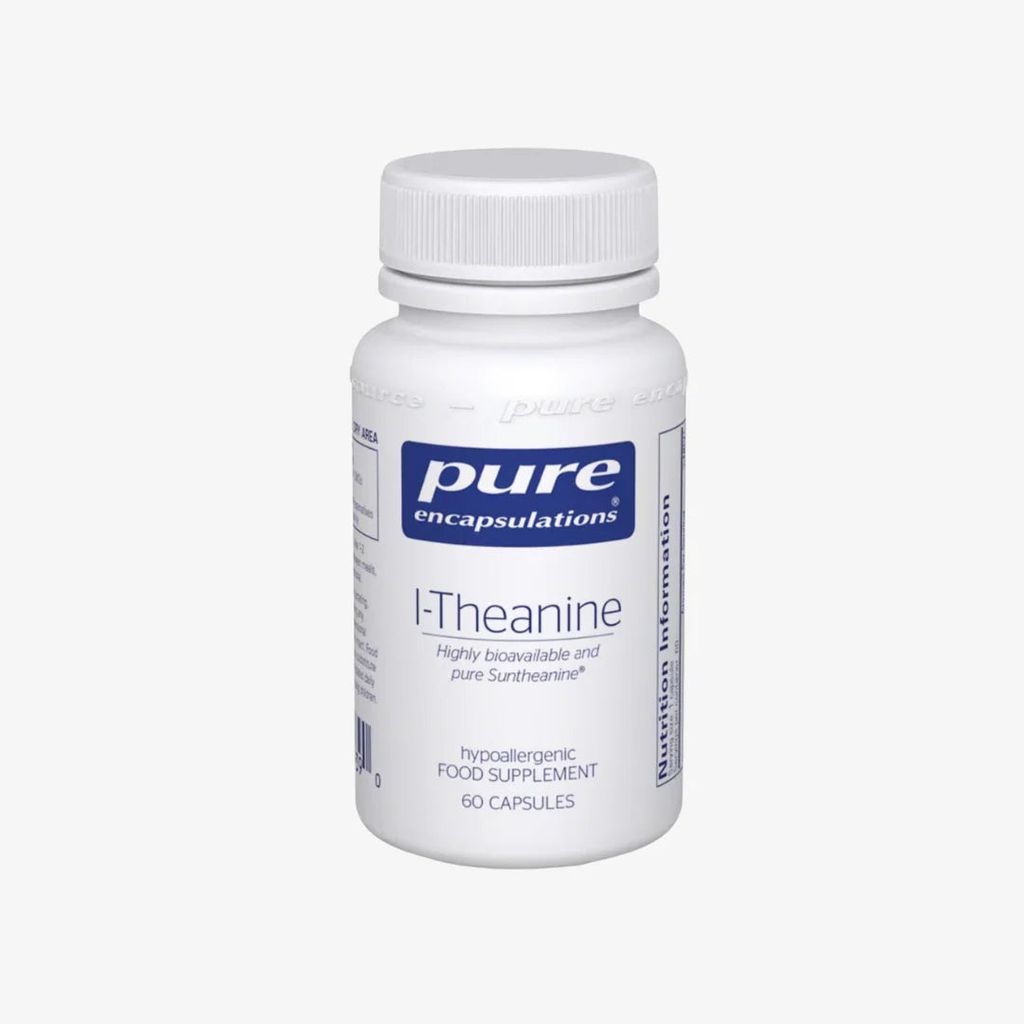
Our top pick: Momentous L-Theanine, delivering a consistent 200mg dose per capsule with no caffeine or artificial additives. Pure Encapsulations L-Theanine is a gentler, vegetarian-friendly alternative if you'd rather start with a simpler formulation.

Omega-3: stronger evidence for anxiety than for stress itself
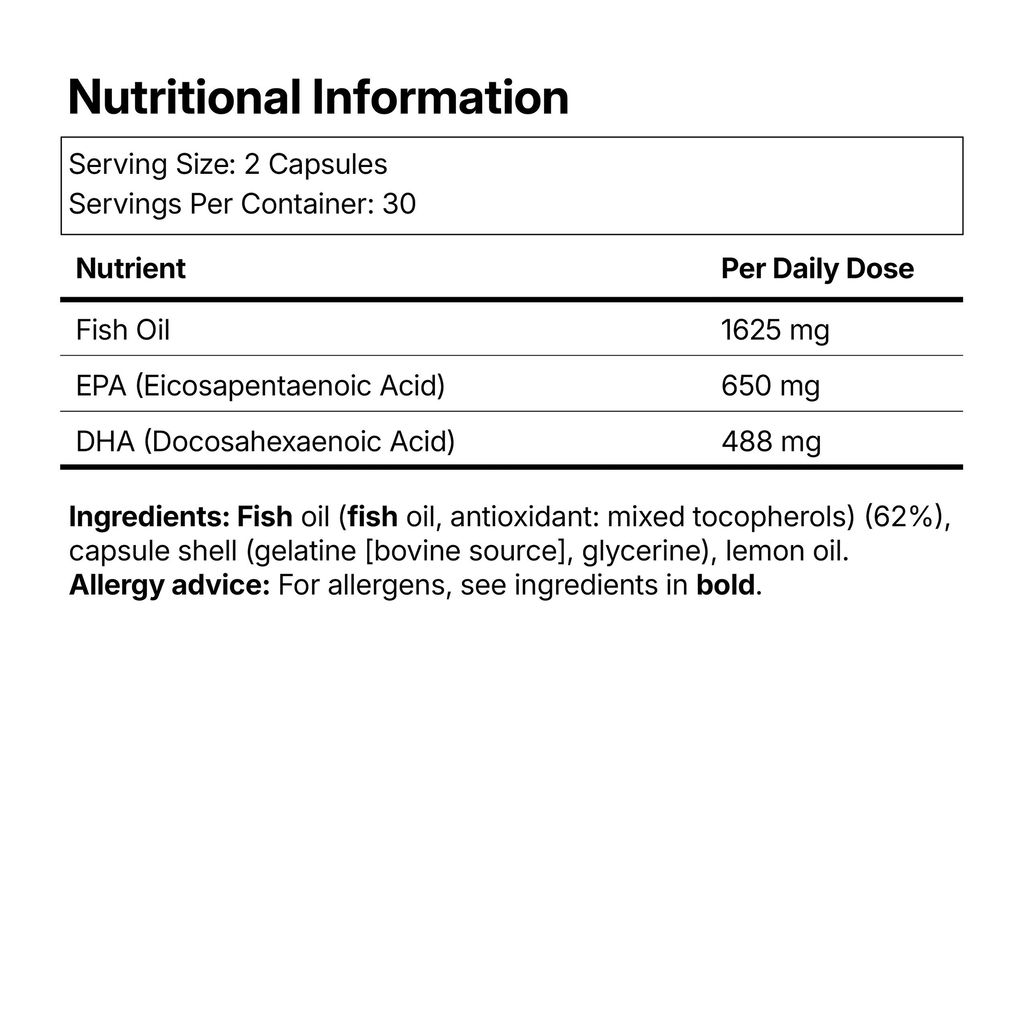
Omega-3's best evidence sits with anxiety symptoms specifically, not stress as a broader category. A 2024 dose-response meta-analysis of 23 trials found omega-3 may reduce anxiety symptoms, with the largest apparent effect around 2g a day, though certainty was very low. Eating oily fish and taking a concentrated EPA/DHA supplement aren't identical decisions, the dosage is what actually counts, not the general idea of "getting more omega-3."
What to look for: the actual combined EPA and DHA content in mg.
What to avoid: assuming a bigger fish oil dose automatically means more active omega-3.
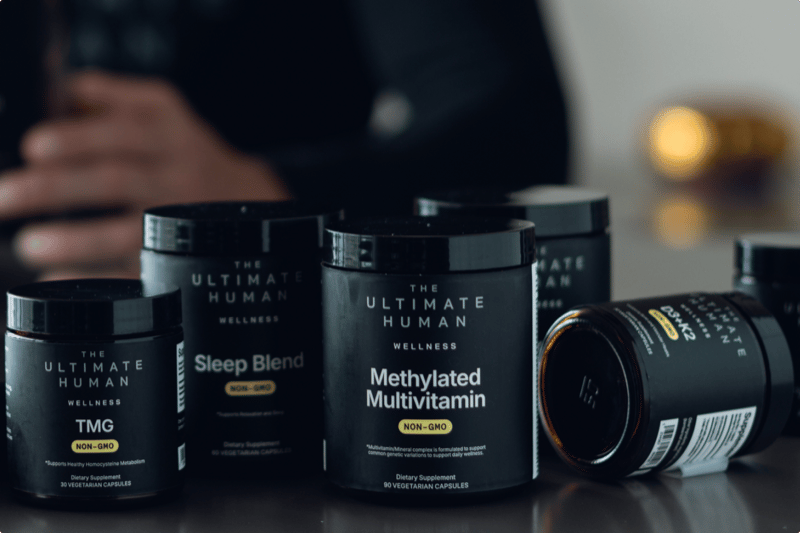
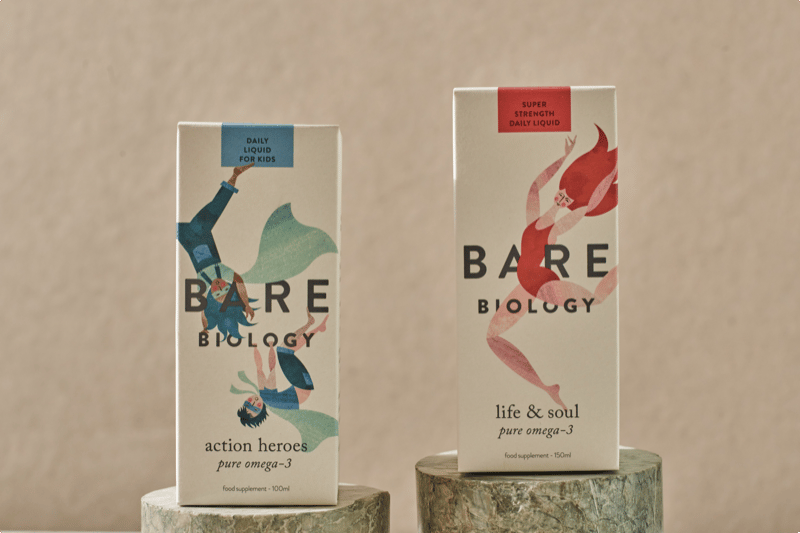
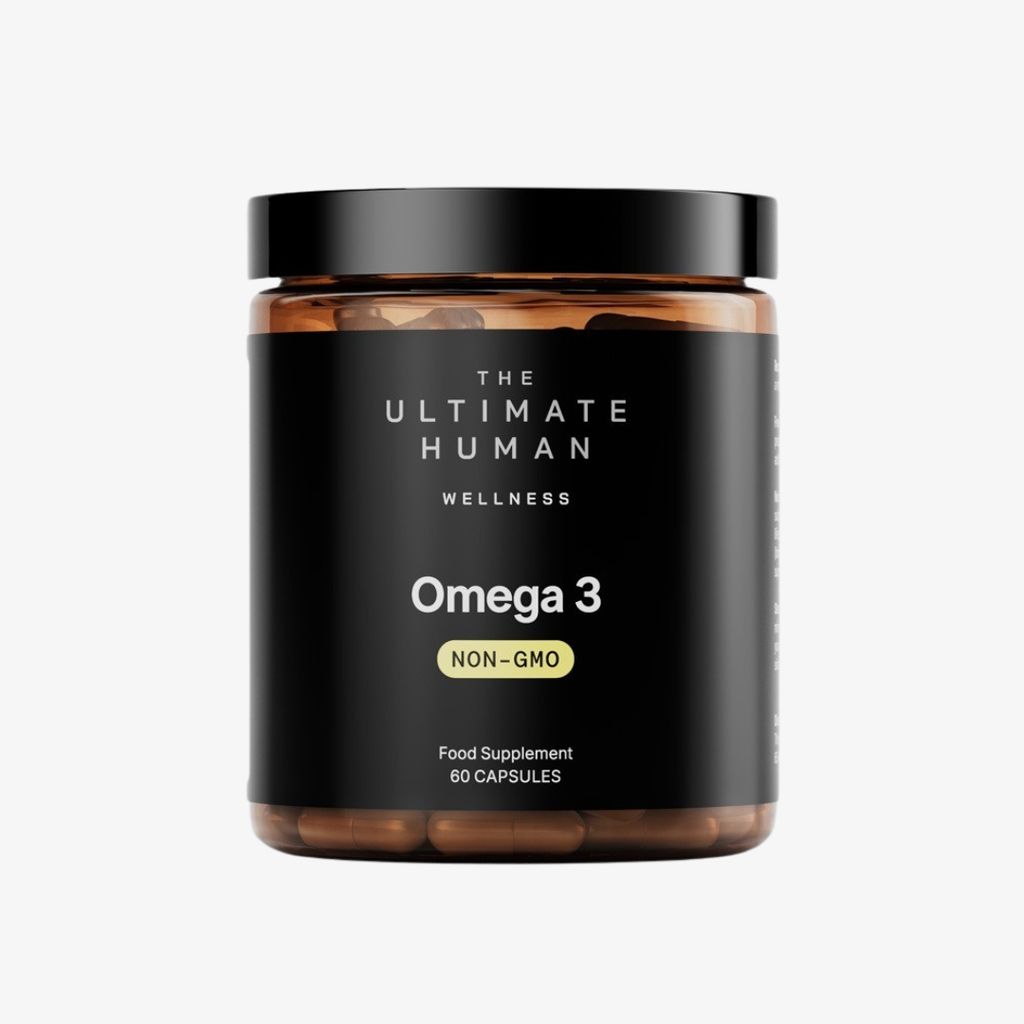
Our top pick: The Ultimate Human Omega-3, providing concentrated EPA and DHA in a daily softgel.
Rhodiola: emerging evidence for stress and fatigue
Rhodiola rosea has emerging evidence for stress accompanied by fatigue, although the trial base is considerably less established than ashwagandha's. Study quality and extract standardisation vary, making the results harder to generalise across products.
What to look for: an extract standardised to 3% rosavins and 1% salidroside, which is the ratio most trials are built around.
What to avoid: unstandardised rhodiola, since potency varies considerably between batches without that standardisation.
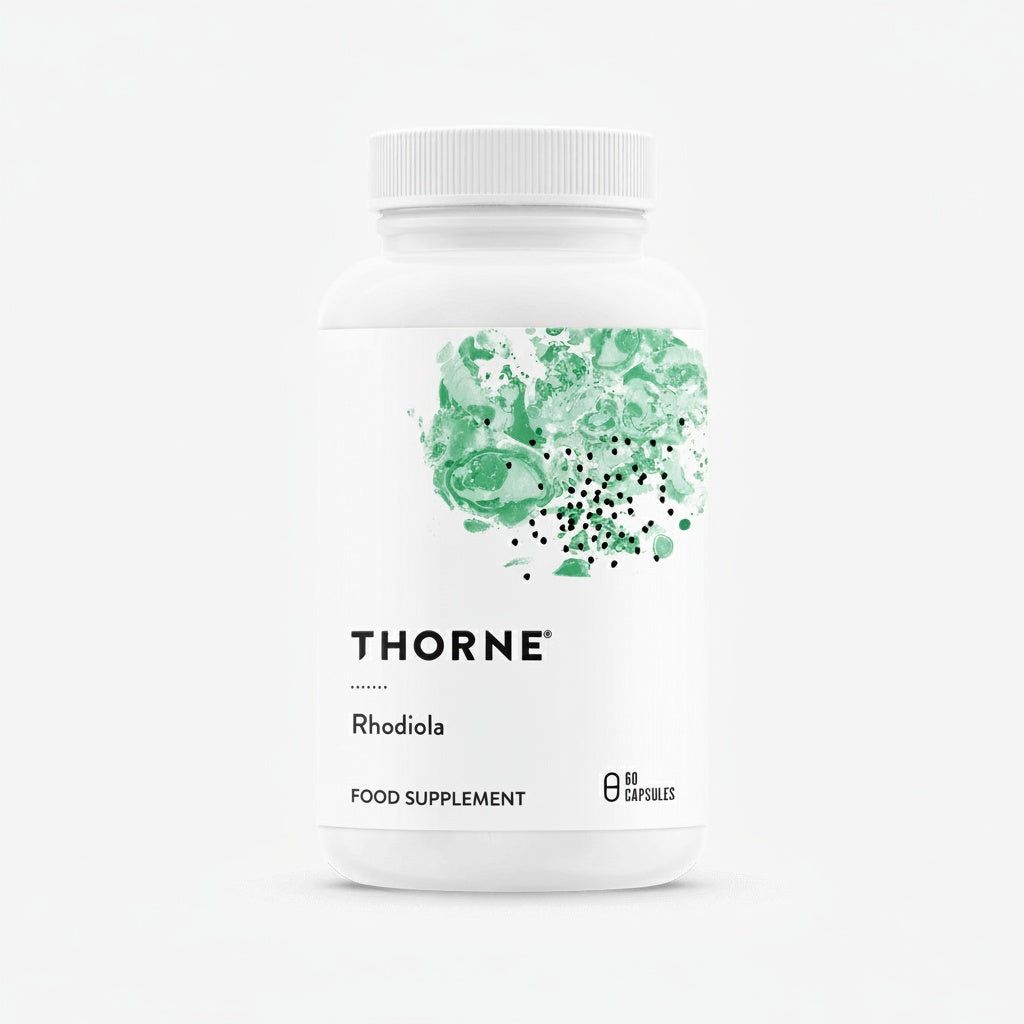
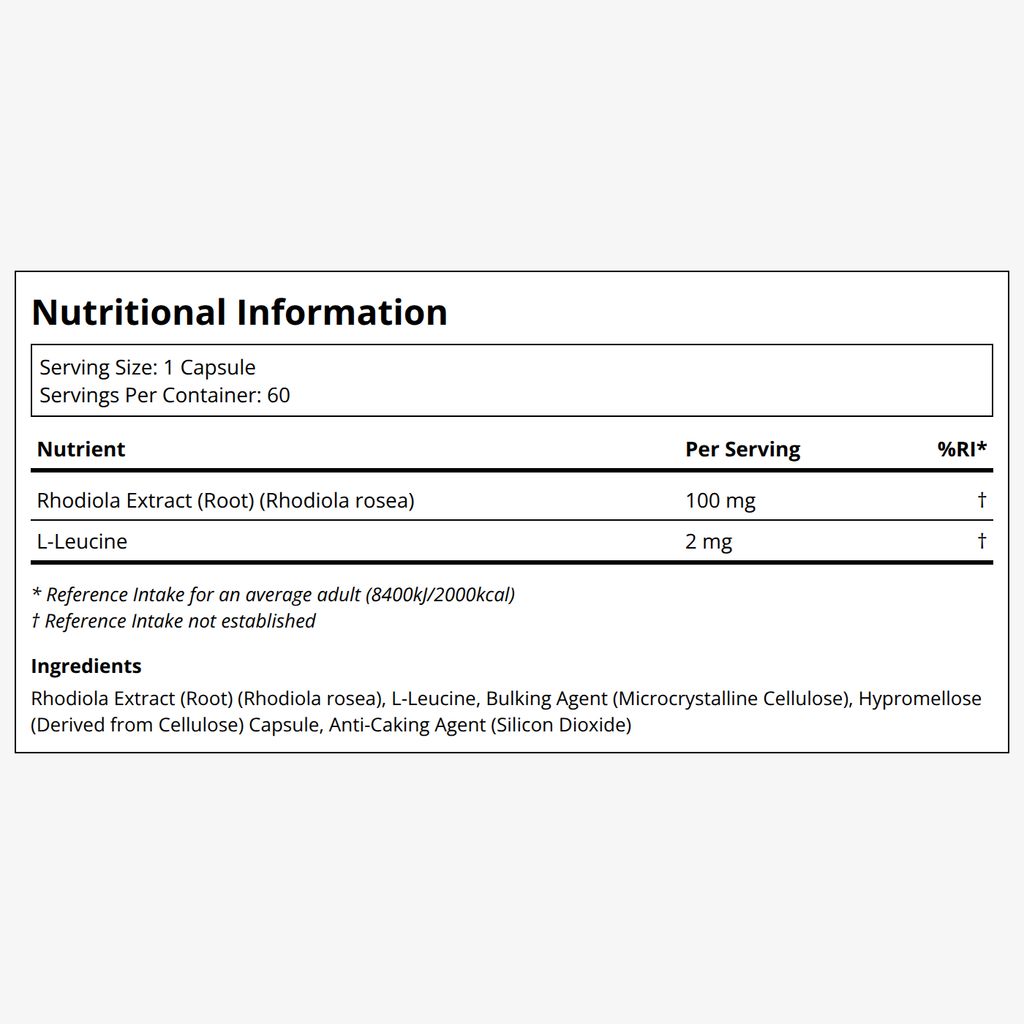
Our top pick: Thorne Rhodiola, a 100mg standardised extract, or the combined Blueprint Ashwagandha + Rhodiola if you want both ingredients in one capsule.
Saffron: an interesting option for mood, not strictly a stress supplement
Saffron's evidence base sits mostly around mood and anxiety symptoms, and treating it as a direct "stress supplement" oversells what the trials actually measured. That doesn't make it irrelevant, as mood and stress overlap considerably in daily life, but it's a different claim from the more stress-specific evidence behind ashwagandha.
What to look for: a standardised extract such as affron®, used in the majority of published saffron trials.
What to avoid: saffron listed only by weight with no standardisation, since its active compounds vary widely depending on sourcing.
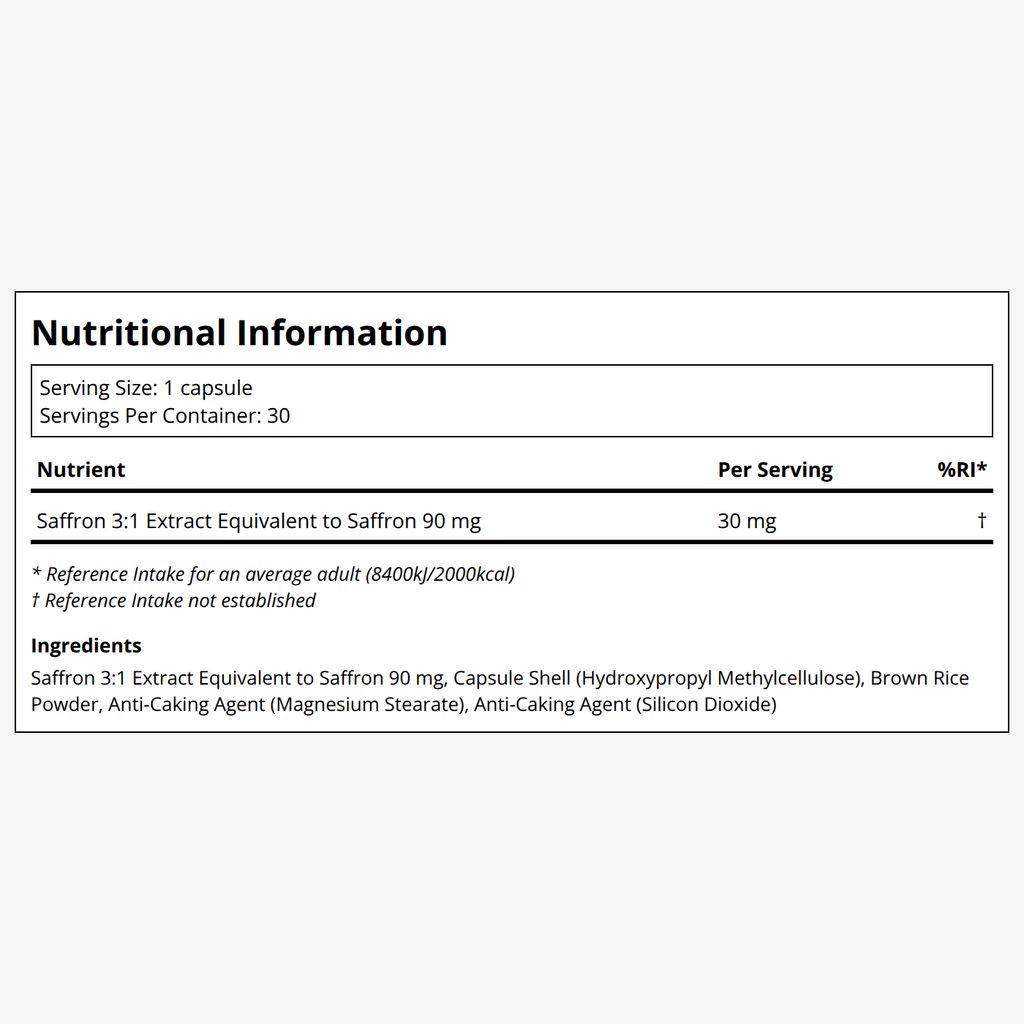
Our top pick: Natroceutics Saffron Bioactive, using the standardised affron® extract, non-sedating and suitable for everyday use.

B vitamins: most useful when intake is actually inadequate
B vitamins support energy metabolism and normal nervous system and psychological function, which helps explain their inclusion in many stress-focused formulas. Their relevance, however, depends heavily on baseline intake or status. Correcting a genuine shortfall in B6, B12, or folate can affect energy, mood, and neurological function, while evidence for additional benefits from high-dose supplementation when levels are already sufficient is much more limited.
What to look for: clearly stated amounts of individual B vitamins, without unnecessarily high doses.
What to avoid: assuming a higher-strength complex is automatically better. High supplemental doses aren't necessarily more beneficial and can carry their own risks.
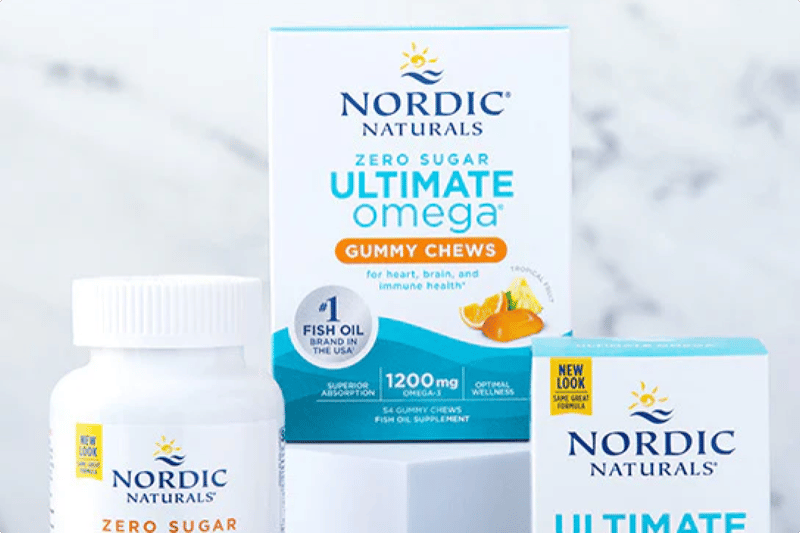
Our top pick: Metagenics High Strength Vitamin B Complex or Nordic Naturals Vitamin B Complex, both using active, bioavailable forms including methylfolate and methylcobalamin.
What about supplements to reduce cortisol?
This needs challenging directly because "cortisol lowering" has become one of the most common supplement claims, often without much explanation of what cortisol is actually meant to do.
"We need to think of cortisol as a vital hormone that follows a daily rhythm. For example, we have a cortisol spike to wake up in the morning," Dr. Kumar says. "Long-term chronic stress can eventually blunt your system, leaving your cortisol levels completely flatlined. Trying to 'lower' it across the board is a misunderstanding. The real aim for stressed people is creating a more balanced, regulated system, so you do not end up utterly exhausted and depleted."
Alderson treats the claim itself as a warning sign. "Any supplement that makes claims it lowers cortisol I would be wary of. You don't want to lower cortisol anyway, you want to regulate it and reinforce its natural pattern."
A drop in cortisol during a trial only tells you that one biomarker changed. Its significance depends on whether participants also reported lower stress or showed meaningful changes in outcomes such as anxiety or sleep.
How do you choose the right stress supplement?
Start with what you're actually experiencing.
- Persistent perceived stress: ashwagandha has the strongest direct evidence of the options here.
- Wired, situational stress: L-theanine has emerging evidence for acute calm and focus.
- Poor sleep or muscle tension: magnesium may be relevant, particularly when intake or status is low.
- Stress with fatigue: rhodiola is an option, although the evidence remains limited.
Once you've identified what you're targeting, check the dose of each active ingredient, whether botanical extracts are standardised, and how long the evidence suggests you need to take it before judging the effect.
Can you take stress supplements together?
Sometimes, although combining several ingredients isn't automatically more effective. "More ingredients don’t make a better supplement," Alderson says. "I generally prefer food and lifestyle first and then evidence-based doses of a few purposeful ingredients rather than a formula containing tiny amounts of everything." Starting with fewer ingredients also makes it easier to identify what’s helping or causing side effects.
How long should a stress supplement take to work?
It varies. L-theanine is studied for acute, same-day effects, while ashwagandha trials typically run for eight to 12 weeks. Magnesium and B vitamins depend more heavily on baseline intake or existing levels, with supplementation more likely to make a noticeable difference when correcting a shortfall.
When stress needs more than a supplement
When stress begins to interfere with sleep, work, relationships, or daily life, supplements can only go so far. "A supplement cannot fix a toxic environment, a lack of boundaries, or a deeply overloaded lifestyle," Dr. Kumar says. "If stress is consistently hijacking your daily life, causing persistent burnout, or manifesting as severe anxiety, I would recommend seeking professional psychological therapy."
Fatigue, brain fog, and irritability can also have causes beyond stress, including nutrient deficiencies. Persistent or unexplained symptoms are a reason to speak to a healthcare professional and investigate what else may be contributing.
Best supplements for stress: your questions answered
What is the best supplement for stress?
Ashwagandha currently has the strongest direct trial evidence for persistent perceived stress among the supplements covered here. L-theanine may be more relevant for acute, situational stress, while magnesium is most relevant when intake is low or stress overlaps with poor sleep.
Which magnesium is best for stress?
Magnesium glycinate (bisglycinate) is well-tolerated and commonly recommended when stress is making it harder to switch off at night, although there's no strong evidence that it's uniquely more calming than other well-absorbed forms.
Is magnesium or ashwagandha better for stress?
Ashwagandha has stronger direct trial evidence for perceived stress. Magnesium is most relevant when intake or status is low or stress overlaps with disrupted sleep.
Is L-theanine good for stress?
It may help with acute, situational stress and calm focus, although clinical evidence remains more limited than for ashwagandha.
What supplements lower cortisol?
Ashwagandha has reduced cortisol in some trials, although a lower cortisol level isn't inherently better. The more relevant question is whether supplementation improves perceived stress, anxiety, sleep, or other meaningful outcomes.
What is the best supplement for stress and sleep?
Magnesium glycinate is commonly recommended when stress is accompanied by difficulty winding down at night, particularly when magnesium intake or status is low. Persistent sleep problems may have other causes that need looking at.
Can you take ashwagandha and magnesium together?
They can be used together, although anyone taking medication, who is pregnant, or who has an existing liver or thyroid condition should speak to a healthcare professional before using ashwagandha, particularly while its UK safety review is ongoing.


This article is for informational purposes only, even if and regardless of whether it features the advice of physicians and medical practitioners. This article is not, nor is it intended to be, a substitute for professional medical advice, diagnosis, or treatment and should never be relied upon for specific medical advice. The views expressed in this article are the views of the expert and do not necessarily represent the views of Healf
Samantha Nice is a seasoned wellness writer with over a decade of experience crafting content for a diverse range of global brands. A passionate advocate for holistic wellbeing, she brings a particular focus to supplements, women’s health, strength training, and running. Samantha is a proud member of the Healf editorial team, where she merges her love for storytelling with industry insights and science-backed evidence.
An avid WHOOP wearer, keen runner (with a sub 1:30 half marathon) hot yoga enthusiast and regular gym goer, Samantha lives and breathes the wellness lifestyle she writes about. With a solid black book of trusted contacts (including some of the industry’s leading experts) she’s committed to creating accessible, well-informed content that empowers and inspires Healf readers.