





































How To Reverse Insulin Resistance Naturally: 4 Changes That Improve Insulin Sensitivity
From better breakfasts to walking after meals, here’s how to reduce insulin resistance naturally through our four pillars of EAT, MOVE, MIND and SLEEP.

Written by: Samantha Nice
Written on: 23 July 2026
The first clue that your body isn’t producing or responding to insulin efficiently isn't a diabetes diagnosis. It's the 4pm hunt for something sweet despite having eaten lunch. It's feeling hungry again not long after breakfast. It's noticing that the weight that used to come off quite easily now seems determined to stay put.
Insulin resistance develops gradually. Long before blood sugar levels rise outside the normal range, the body can keep up by producing larger amounts of insulin behind the scenes. Blood glucose may still look healthy on a standard test while insulin levels are already climbing.
"Type 2 diabetes doesn't appear overnight," says Natalie Louise Burrows, mBANT, rCNHC, FMCHC, registered nutrition practitioner. "Insulin levels can remain elevated for years before glucose levels begin to rise." This is what makes insulin resistance so easy to miss. Most people associate it with diabetes, yet practitioners regularly spot clues much earlier. Persistent cravings, abdominal weight gain, fatigue, PMOS, brain fog, and changes in blood lipids can all emerge while standard blood sugar markers still appear relatively normal.
Improving insulin sensitivity isn't just about what's on your plate. The quality of your sleep, how much muscle you carry, how much you move, and how stressed you are all impact the body's response to insulin.
What is insulin resistance?
Insulin is the hormone responsible for moving glucose from the bloodstream into cells, where it can be used for energy. Burrows says to think of it as a key messenger within your body. After you eat, glucose enters the bloodstream and insulin signals cells to absorb it. With insulin resistance, that message becomes harder for cells to hear. The pancreas responds by producing more insulin to achieve the same result.
For a period of time, blood sugar levels can remain completely normal while insulin levels continue rising in the background. "Insulin resistance is the metabolic state that typically precedes pre-diabetes and type 2 diabetes by many years," says Burrows. Elevated insulin doesn't just affect blood sugar, it also affects how the body stores energy, regulates appetite, and responds to carbohydrates.
That's why practitioners look beyond just diabetes risk. Higher insulin levels have been linked with abdominal weight gain, PMOS (formerly known as PCOS), fertility challenges, cardiovascular disease, and changes in appetite regulation. Someone can be experiencing several of these changes while their glucose levels still sit comfortably within the normal range.
What are the early signs of insulin resistance?
Insulin resistance doesn't usually make itself known through one glaringly obvious symptom. Instead, practitioners tend to notice a pattern of changes that may initially seem unrelated. Some common signs include:
- Energy crashes after eating
- Cravings for sugary foods or refined carbohydrates
- Weight gain around the middle
- Difficulty losing weight
- Brain fog
- Frequent hunger between meals
- Headaches
- Skin tags
- Darkened patches of skin around the neck or underarms
- Elevated triglycerides
- Irregular menstrual cycles
- Worsening PMS or PMOS
Not everyone experiences symptoms though. Some find they’re insulin resistant after blood work reveals elevated fasting insulin, rising HbA1c levels, or changes in cholesterol markers. Others only begin looking into it after realising their usual approach to food and exercise doesn’t seem to be working as well as it used to.
Why insulin resistance develops
Ask somebody what causes insulin resistance and sugar is usually the first thing they'll mention. Burrows sees something much broader in clinic. Someone sleeping five hours a night, relying on caffeine to get through the day, and spending most of their working week sitting can struggle with insulin sensitivity even when their diet looks spot on on paper. That's because insulin responds to far more than just what you eat.
Disrupted or poor sleep can alter glucose regulation within 24 hours. Chronic stress encourages the liver to release stored glucose into circulation. Lower muscle mass reduces one of the body's largest storage sites for glucose. These factors also feed into one another. A poor night's sleep can make cravings harder to resist the following day, higher stress levels can increase the appeal of quick-energy foods and low energy makes movement feel less appealing.
Looking at insulin resistance through our four pillars — EAT, MOVE, MIND and SLEEP — shows how decisions made throughout the day can increase or reduce the amount of insulin the body needs.
EAT: Build meals that reduce insulin demand
People trying to improve insulin sensitivity frequently focus on what they need to remove, but Burrows starts by looking at what's missing. Protein and fibre influence the speed at which glucose enters the bloodstream. Meals built around both tend to produce a steadier blood sugar response than meals dominated by refined carbohydrates.
A coffee and pastry on your morning commute affects glucose levels, appetite, and energy differently from eggs and sourdough, Greek yoghurt with berries, or protein oats topped with seeds and nut butter.
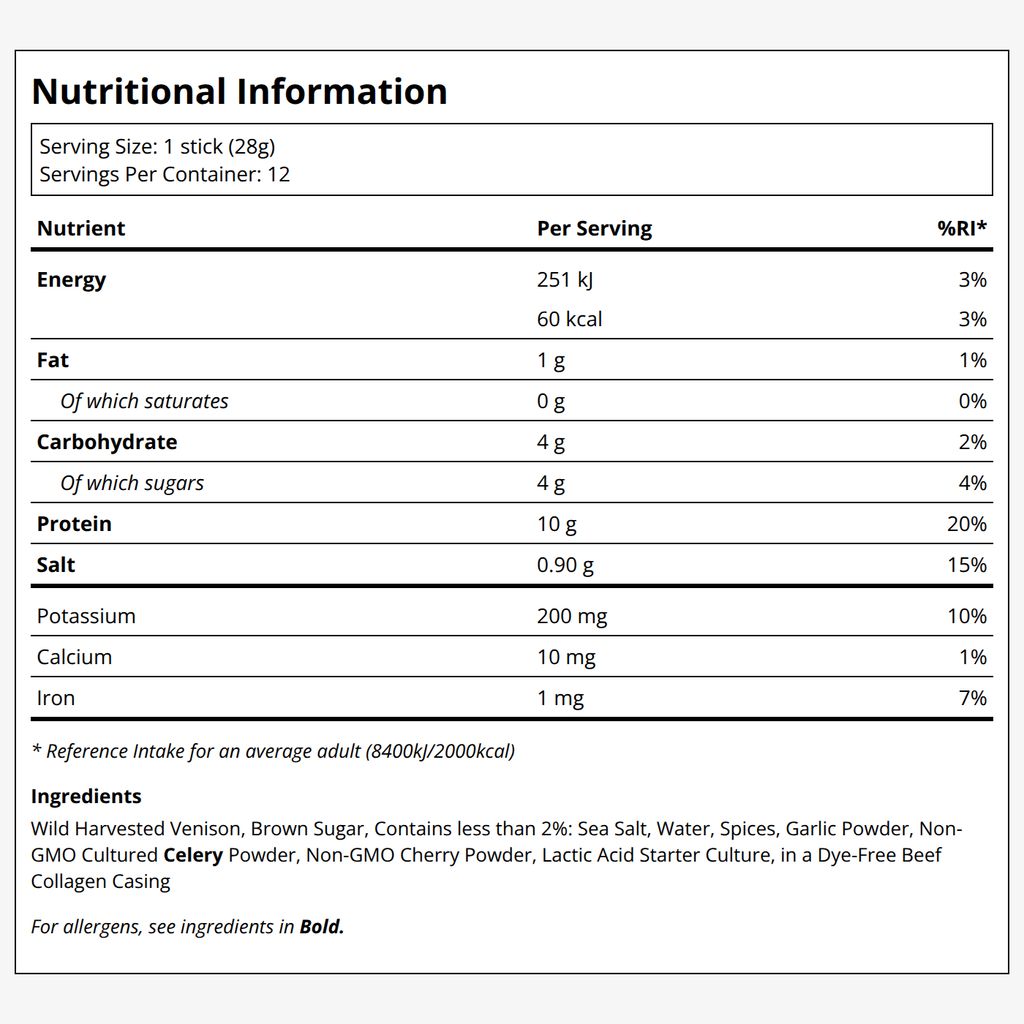
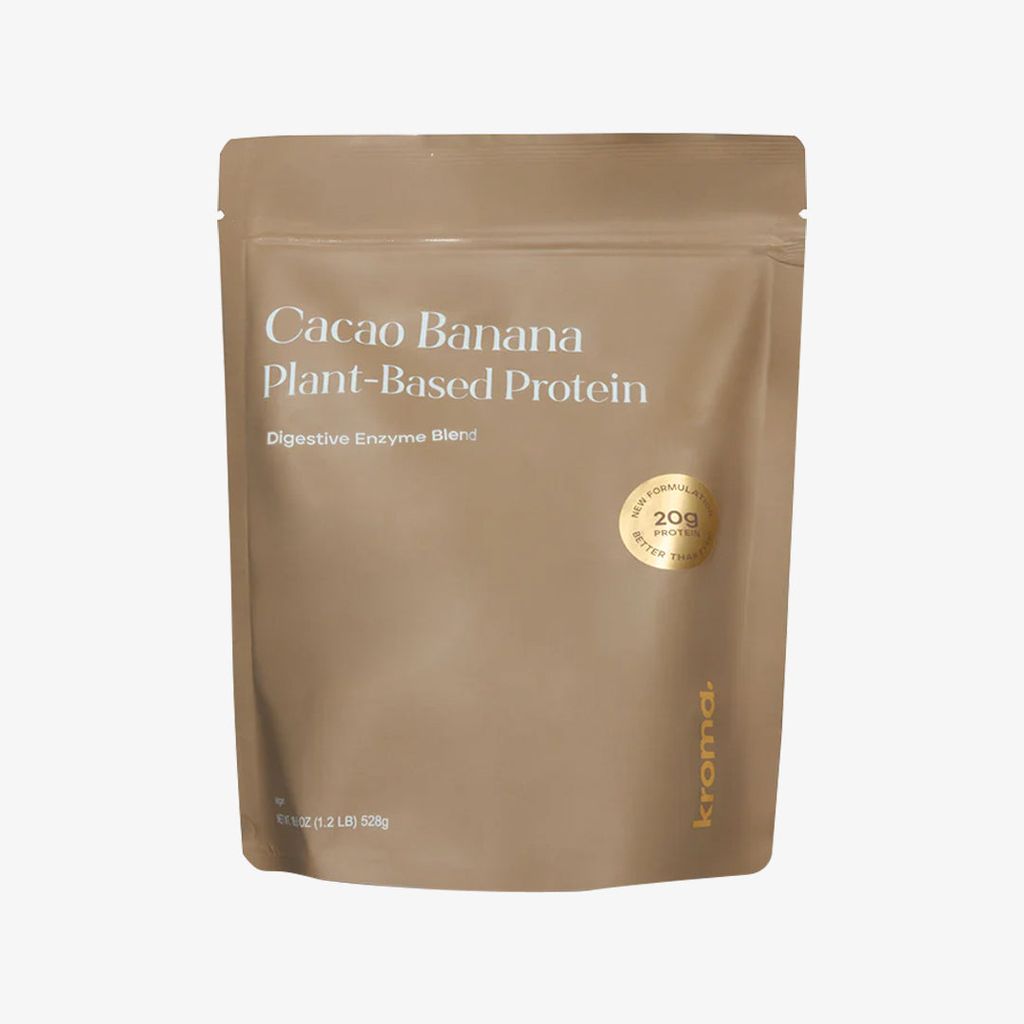
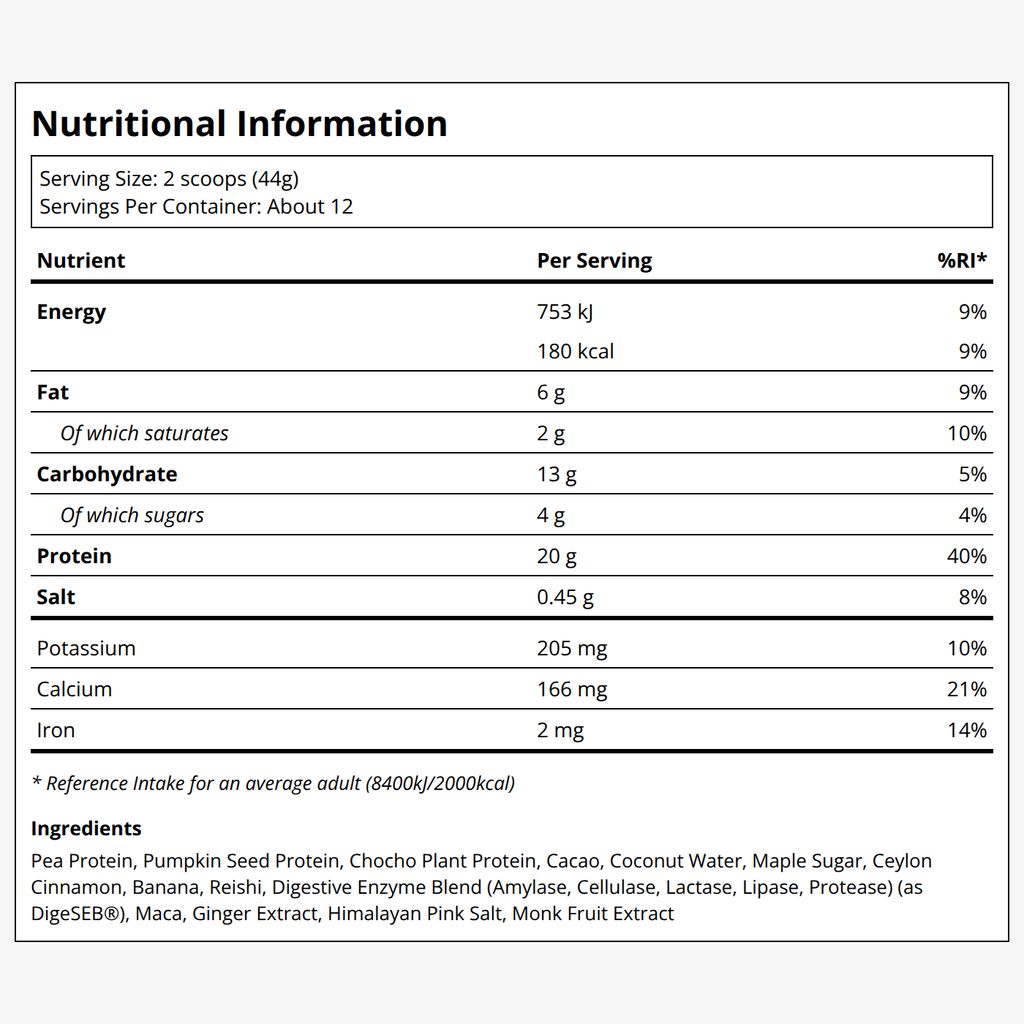
Start every meal with protein
Protein slows digestion, helps regulate appetite and reduces the likelihood of feeling hungry again shortly after eating. Burrows encourages clients to anchor meals around protein first. Some of the best protein sources are:
- Eggs
- Greek yoghurt
- Cottage cheese
- Tofu
- Tempeh
- Fish
- Chicken
- Lean meat
- Protein powder
Adding fibre-rich foods alongside protein strengthens that effect. Fibre slows the absorption of glucose into the bloodstream, helping reduce large swings in blood sugar after meals. Vegetables, berries, beans, lentils, oats, nuts, and seeds are some of the best sources.

Stop treating snacks as mini meals
One habit Burrows regularly addresses is constant grazing. Every time you eat, insulin is released. For somebody grazing throughout the day, insulin barely gets a break. That doesn't mean you need to rule out all snacks, it just means your main meals probably aren't doing enough. A meal packed full of protein, fibre, and healthy fats should keep you satisfied for several hours rather than sending you back into the kitchen an hour later. Habits Burrows regularly recommends include:
- Including protein and fibre at every meal
- Reducing liquid sugars such as fizzy drinks, fruit juice, and sweetened coffees
- Eating meals at reasonably consistent times
- Cutting back on habitual evening grazing
- Taking a short walk after meals
Carbs don't need to disappear from the plate. Beans, lentils, vegetables, fruit, and oats all contain carbohydrates, but they’re also full of fibre, vitamins, minerals, and plant compounds that influence how quickly glucose is absorbed. The body responds very differently to a bowl of lentils than it does to a sugary drink, even if both contain carbohydrates.
MOVE: Why muscle is one of the body's best blood sugar regulators
Most people think about the pancreas when they think about blood sugar. Burrows spends just as much time thinking about muscle. Skeletal muscle is the body's largest storage site for glucose. After a meal, glucose doesn't just disappear from the bloodstream. A large proportion is taken up by muscle tissue where it can be stored and used for energy later. This becomes particularly relevant in insulin resistance. The more muscle someone has, and the more often they use it, the greater their capacity to clear glucose from the bloodstream.
"Every contraction allows muscle cells to absorb glucose with very little insulin required," says Burrows. That's why movement can affect blood sugar levels almost immediately. A brisk walk, a strength-training session or even standing up and moving regularly throughout the day all encourage muscles to pull glucose out of circulation and put it to work.
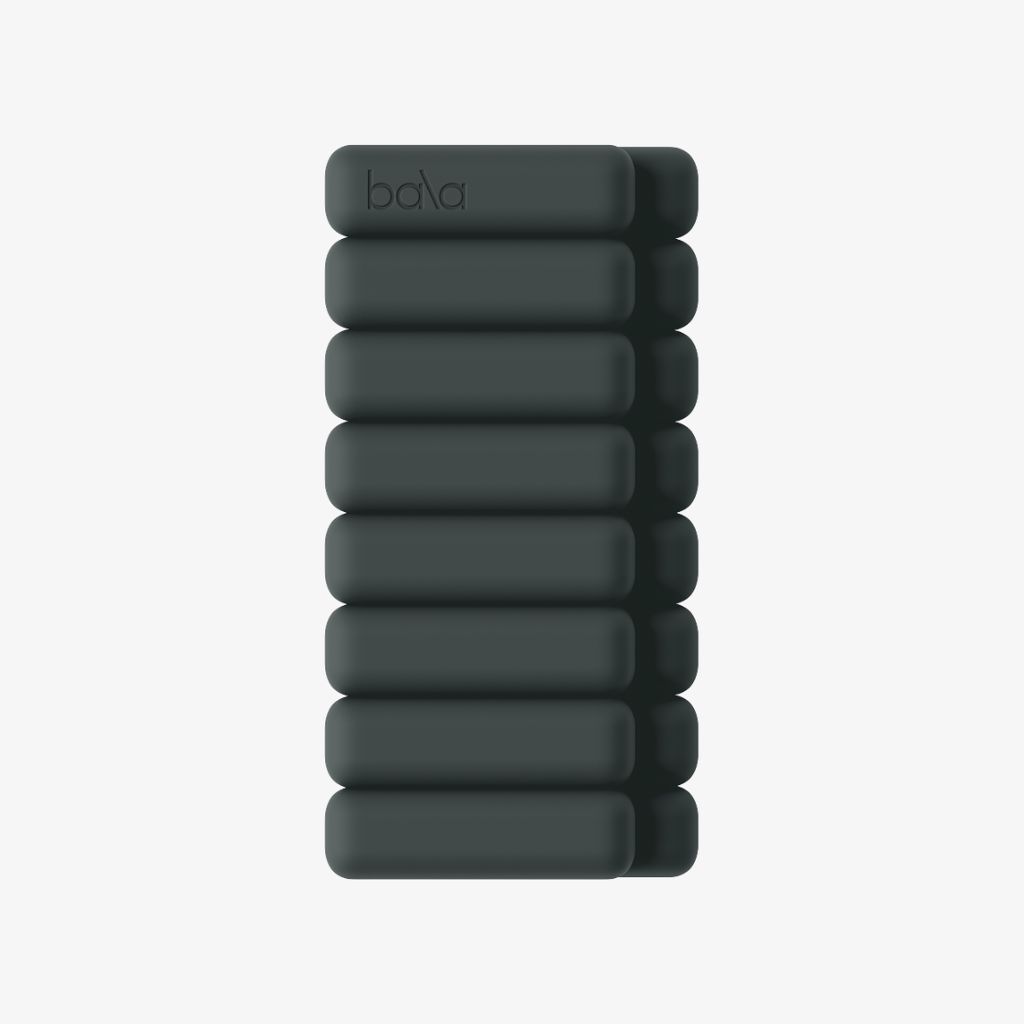
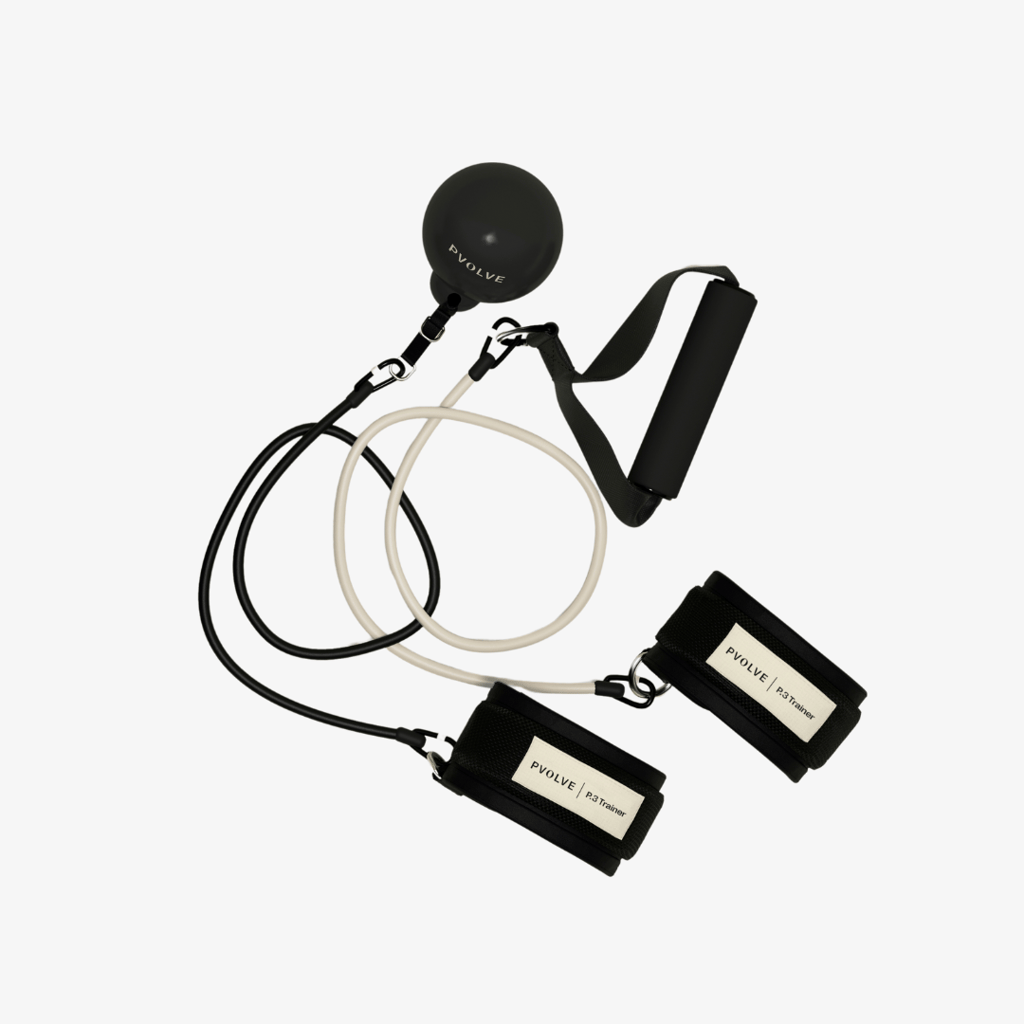
Schedule two to three strength sessions each week
Strength training crops up time and time again in research examining metabolic health and glucose control. That's because more muscle tissue creates more storage capacity for glucose. Burrows recommends slotting in two to three resistance-training sessions per week.
They don't need to be long or complicated. They just need to challenge the muscles enough to encourage adaptation. Choose things that fit comfortably into your week, whether that's a 30-minute home workout, a Pilates class or a gym session.




Walk for 10 minutes after meals
A post-meal walk has become one of wellbeing's most repeated recommendations, and for good reason. After eating, glucose enters the bloodstream. Walking encourages muscles to use some of that glucose for energy, which can reduce the size of the post-meal glucose rise. Research suggests that 10 to 15 minutes of walking after a meal can improve glucose control, especially after larger meals.
The pace doesn't need to be strenuous. A quick walk around the block, a few laps of the office, taking a phone call, or meeting on the move or getting off the bus or tube one stop earlier can all help. For those spending most of the day at a desk, it's one of the easiest ways to increase movement without setting aside extra time for exercise.
MIND: Why stress can keep insulin levels elevated
Stress doesn't just affect how you feel, it can also affect how the body regulates blood sugar. When you're under pressure, stress hormones such as cortisol signal the liver to release some of its stored glucose into the bloodstream. In the short term, that's useful. More glucose means more readily available energy.
The challenge is that modern stress doesn't usually arrive in short bursts. It can look like rushing out the door without breakfast, a day of back-to-back meetings, poor work-life boundaries or feeling constantly switched on. The body doesn't distinguish particularly well between different sources of stress. The physiological response is often similar. Cortisol signals the liver to release stored glucose into the bloodstream, prompting the pancreas to produce more insulin to keep glucose levels stable.
Your liver can't tell the difference between a deadline and danger
The body responds to psychological stress using many of the same pathways it uses for physical threats. Glucose enters the bloodstream, cortisol rises, and insulin demand increases.
A stressful afternoon won't cause insulin resistance. However, when this cycle repeats day after day, the body spends more time exposed to elevated insulin levels, which can gradually reduce how responsive cells become to insulin's signal. Stress can also make you more likely to do certain things that make insulin sensitivity harder to improve. That may mean:
- Eating more highly processed foods
- Skipping meals
- Eating late at night
- Relying heavily on caffeine
- Drinking more alcohol
- Moving less
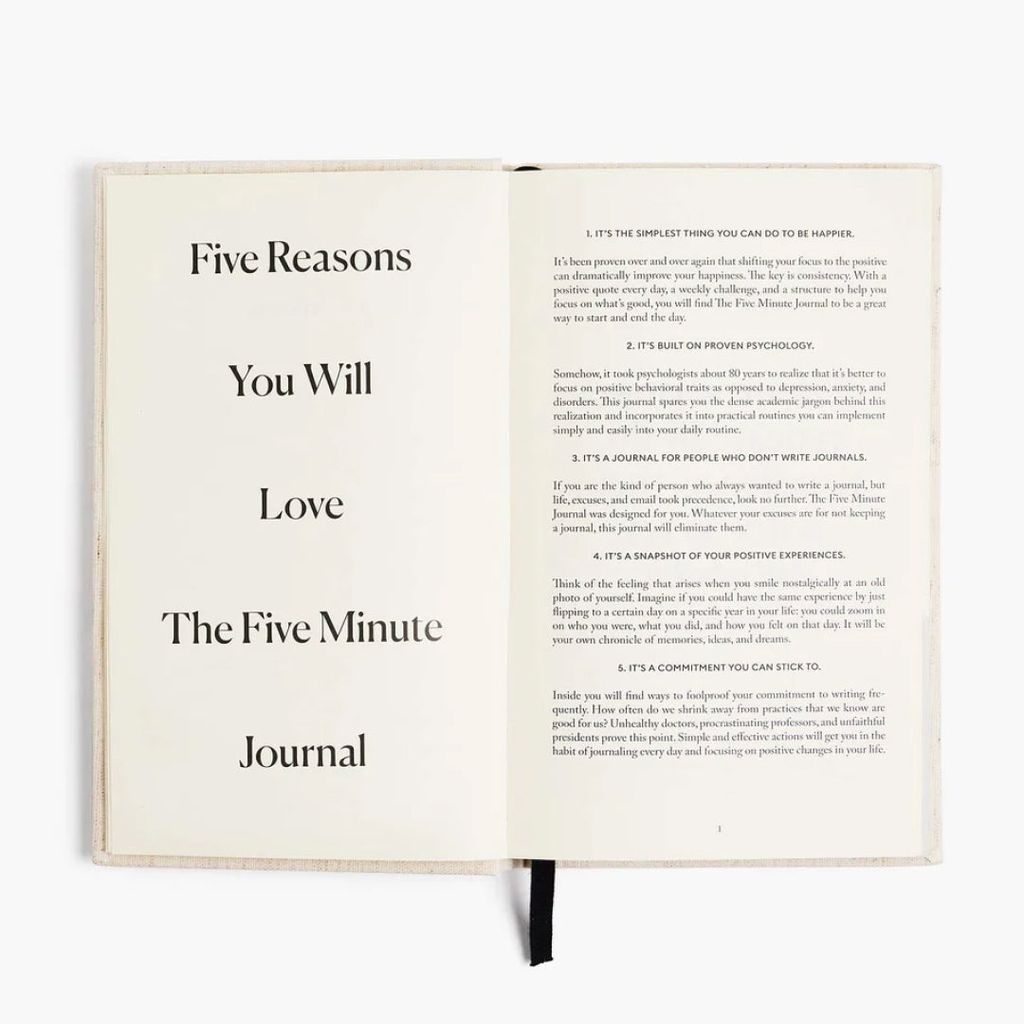
Schedule in proper recovery time
Burrows encourages clients to think less about stress management and more about recovery. This isn't about squeezing in a five-minute meditation before your next meeting, it's about creating regular opportunities for your nervous system to slow down. Some of the best ways to dial down stress are:
- Walking outdoors
- Breathwork
- Yoga
- Journalling
- Reading
- Time away from screens
- Social connection
- Activities that create enjoyment rather than productivity
- Vagus nerve stimulation





SLEEP: One of the fastest ways to affect insulin sensitivity
Most people feel the effects of poor sleep. Energy is lower, focus feels patchy, and cravings are harder to ignore. What usually goes unnoticed is what's happening to insulin sensitivity. "Even one night of poor sleep can reduce insulin sensitivity by around 30% the following day," says Burrows. That's a substantial effect from just one night of rubbish sleep.
What happens when sleep is restricted?
Sleep loss affects appetite, blood sugar regulation, and hormone signalling simultaneously. Ghrelin, the hormone associated with hunger, rises whilst leptin, which helps signal fullness, falls. On top of this, cortisol also creeps up. That combination can make foods rich in sugar and refined carbohydrates feel way more appealing. At the same time, the body becomes less efficient at managing the glucose those foods provide.
Aim for seven to nine hours of sleep every night
Seven to nine hours of sleep is one of the few recommendations that appears across almost every area of wellbeing. Sleep affects several systems at once, including appetite regulation, hormone signalling, recovery and glucose metabolism.
Burrows recommends treating sleep as a non-negotiable part of metabolic health rather than something that gets squeezed in around everything else. A practical routine might include:
- Getting up at approximately the same time every day, including at weekends
- Dimming lights and reducing screen exposure for the final 30 to 60 minutes before bed
- Avoiding caffeine after midday
- Keeping the bedroom cool, ideally around 16°C to 20°C
- Giving yourself 30 to 60 minutes to wind down before bed
- Finishing large or heavy meals around two to three hours before sleep


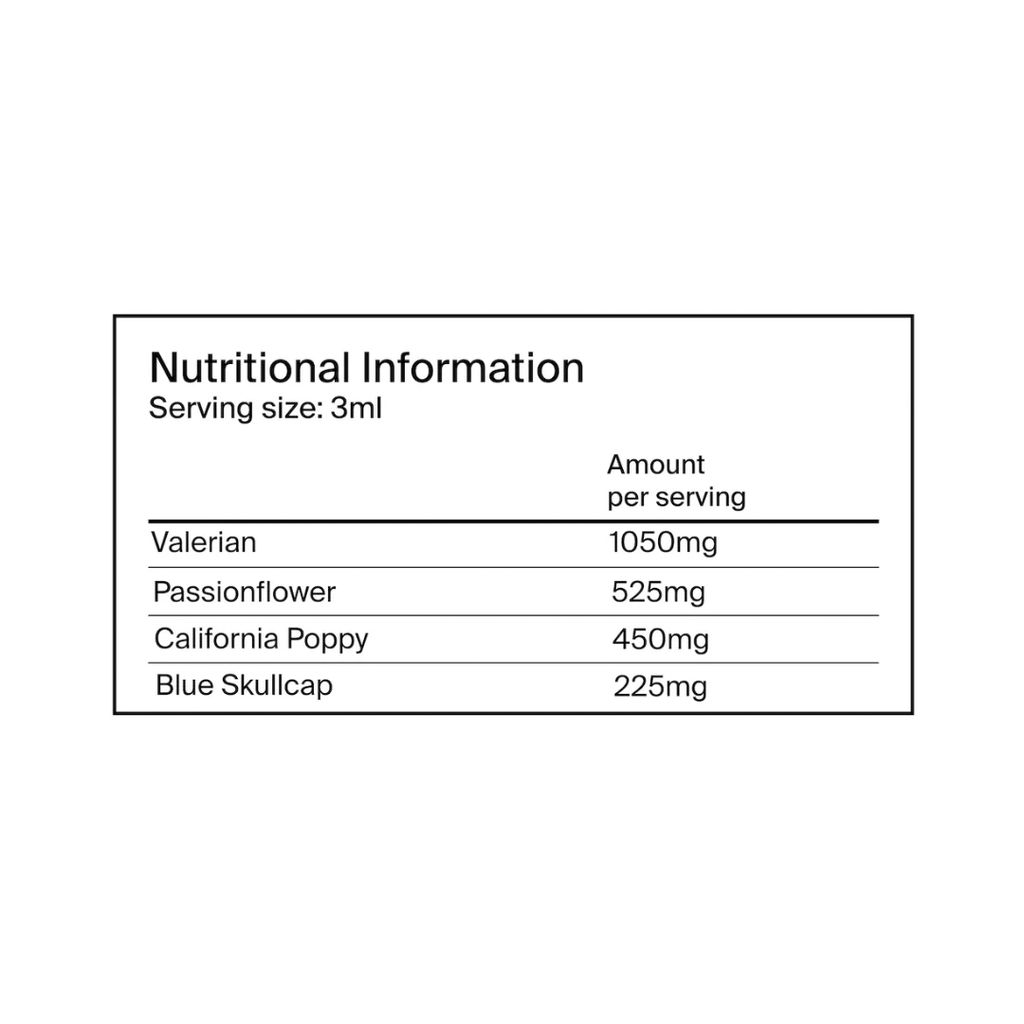
Dispenza Sunset



These aren't rigid rules but they are a great starting point for identifying which changes make it easier to fall asleep, stay asleep and wake feeling properly rested.
What blood tests can help identify insulin resistance?
Insulin resistance can be developing while fasting glucose still appears normal. A fasting glucose result measures how much glucose is circulating in the bloodstream when the sample is taken. It doesn't show how much insulin the pancreas needed to produce to keep it there. Because insulin can rise long before glucose does, practitioners often look at markers such as:
- Fasting insulin
- HbA1c
- Fasting glucose
- Triglycerides
- HDL cholesterol
For example, fasting glucose may sit within the expected range while fasting insulin is already elevated. In that situation, the body is maintaining glucose control, but it’s having to produce more insulin to do so. Assessing glucose alongside insulin, longer-term glucose regulation and blood lipids can provide more information about how efficiently the body is managing glucose.
Many of these biomarkers can be measured through Healf Zone using our at-home Healf Bloods tests, helping identify metabolic changes before blood glucose reaches the pre-diabetic or diabetic range.
A practical checklist for improving insulin sensitivity
Burrows doesn't begin by overhauling somebody's entire lifestyle. She looks for the changes most likely to reduce insulin demand and improve glucose regulation throughout the day. If she were starting from scratch and could choose only three, they would be:
1. Include protein and fibre at every meal to slow digestion and stay fuller for longer
Start by choosing a source of protein, such as eggs, Greek yoghurt, tofu, fish, chicken, or beans. Then add a fibre-rich food, such as vegetables, berries, oats, lentils, nuts, or seeds.
2. Use your muscles every day to clear more glucose from the bloodstream
Aim for two to three strength-training sessions each week, then add a 10 to 15-minute walk after meals whenever your schedule allows.
3. Sleep for seven to nine hours every night to support blood sugar control
Work backwards from your wake-up time and set a realistic window that allows seven to nine hours in bed. Keep your wake-up time reasonably consistent, reduce bright light before bed, and allow time to wind down.
Insulin resistance develops gradually. Improvements in insulin sensitivity tend to work the same way.
Your insulin resistance questions, answered
Can insulin resistance be reversed naturally?
A lot of the time insulin sensitivity improves significantly through changes in nutrition, movement, sleep and stress management. Earlier intervention generally produces faster and more meaningful improvements.
How long does it take to improve insulin sensitivity?
That depends on the individual, their starting point and the changes being made. Some people notice improvements in energy and cravings within weeks, while changes in blood markers may take several months.
What is the best exercise for insulin resistance?
Resistance training consistently produces strong results because muscle tissue absorbs and stores glucose. Walking after meals can also improve post-meal glucose control.
Can you have insulin resistance if your blood sugar is normal?
Yes. The pancreas can produce additional insulin to keep glucose within the expected range, even as cells become less responsive to it. A normal glucose result therefore shows that glucose is currently being controlled, but not how much insulin was required to control it. Measuring fasting insulin alongside glucose can help identify that compensatory response

This article is for informational purposes only, even if and regardless of whether it features the advice of physicians and medical practitioners. This article is not, nor is it intended to be, a substitute for professional medical advice, diagnosis, or treatment and should never be relied upon for specific medical advice. The views expressed in this article are the views of the expert and do not necessarily represent the views of Healf
Samantha Nice is a seasoned wellness writer with over a decade of experience crafting content for a diverse range of global brands. A passionate advocate for holistic wellbeing, she brings a particular focus to supplements, women’s health, strength training, and running. Samantha is a proud member of the Healf editorial team, where she merges her love for storytelling with industry insights and science-backed evidence.
An avid WHOOP wearer, keen runner (with a sub 1:30 half marathon) hot yoga enthusiast and regular gym goer, Samantha lives and breathes the wellness lifestyle she writes about. With a solid black book of trusted contacts (including some of the industry’s leading experts) she’s committed to creating accessible, well-informed content that empowers and inspires Healf readers.